














Summary:
Square Enix has revealed another sizeable collection of Final Fantasy Resonance details, offering a closer look at two major locations, several important characters, and many of the systems that will shape the adventure. Dilmagia is presented as an industrial city built around engineering and airship technology, while Olderion stands in sharp contrast with its crystalline waterways, maritime history, and spiritual protectors. These locations are more than attractive backdrops. Each one connects directly to characters, traditions, and conflicts that appear central to the story.
The latest information also explains how Visions allow legendary heroes to support Rain and his companions. Familiar characters such as Cecil, Bartz, Squall, Zidane, and Tidus can lend their abilities to the party, while stronger bonds unlock additional powers. Staggering every enemy during a single turn can even trigger a Resonance attack, creating an explosive reward for careful planning. Weapon manufacturing adds another reason to explore, as Aileen can forge valuable equipment in exchange for adamantite gathered from dangerous locations and optional activities.
Players looking beyond the main story will find tablet shards, town minigames, Colosseum battles, and the Twelve Legendary Arms. These activities appear designed to reward experimentation and determined party building rather than simple level grinding. Final Fantasy Resonance is scheduled to launch for Nintendo Switch 2 and Nintendo Switch on October 22, 2026, bringing its HD-2D world, turn-based battles, and reworked Final Fantasy Brave Exvius setting to both Nintendo systems.
Final Fantasy Resonance Expands Its World and Gameplay Systems
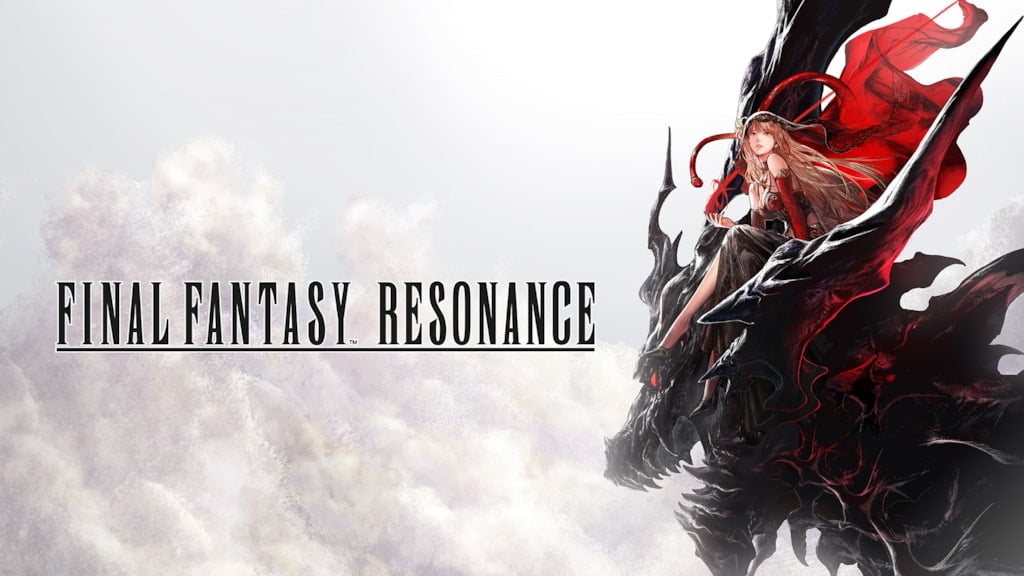
Final Fantasy Resonance continues to take shape as far more than a straightforward recreation of Final Fantasy Brave Exvius. Square Enix is rebuilding the original foundation around an HD-2D presentation, expanded exploration, revised combat, newly developed cinematics, and a broader selection of optional activities. The latest reveal helps connect those pieces by showing how cities, characters, crafting, summons, and side challenges support one another. Instead of treating every system like an isolated menu, the adventure appears to tie progression directly to the world. Engineers create equipment, dangerous crypts hold rare materials, Vision sanctums introduce legendary heroes, and powerful monsters guard exceptional weapons. That structure gives exploration a satisfying sense of purpose. There may be a treasure chest around the next corner, but there could just as easily be an entire character-building opportunity waiting behind it.
Dilmagia Connects Airship History With the Legacy of Cid
Dilmagia, known as the Machinopolis, is a city shaped by steel, fire, machinery, and the constant rhythm of invention. Engineers fill its workshops, reflecting the location’s status as the birthplace of airship technology. The city was once home to the first Cid, an exceptional mechanic whose work brought humans into the skies and transformed travel across the world. Over time, Cid became more than one person’s name. It developed into a title inherited by the finest engineer of each generation. That idea offers a playful twist on one of Final Fantasy’s longest-running traditions, where a character named Cid commonly appears as an inventor, pilot, scholar, or mechanical expert. In Final Fantasy Resonance, the tradition becomes part of the world’s culture, turning a familiar series reference into an honor that ambitious engineers can genuinely pursue.
Lid and Mechabo Bring Mechanical Creativity Into Battle
Lid represents Dilmagia’s practical, inventive spirit. Voiced by Elsie Lovelock in English and Ayaka Ohashi in Japanese, she is an airship engineer from Dirnado who grew up working in her family’s forge alongside her brother. Years of handling tools, repairing machinery, and studying engineering have made her a serious candidate to become the next Cid. She is not simply a mechanic who waits beside a workbench while the heroes handle every dangerous task. Lid fights with Mechabo, a mechanical chocobo she designed and constructed herself. Their partnership brings a charming mixture of Final Fantasy familiarity and mechanical mischief to combat. Mechabo can learn additional abilities through special subquests, giving players a reason to invest in Lid’s personal storyline. Completing these optional missions strengthens her creation while revealing more about the bond between inventor and machine.
Mechabo Progression Rewards Character-Focused Sidequests
Mechabo’s growth suggests that some character development will happen outside traditional experience levels and equipment upgrades. Special subquests unlock new skills for the mechanical chocobo, meaning players who spend time with Lid may gain options unavailable through ordinary battles. This creates a useful connection between storytelling and mechanical progression. A personal mission is no longer just a conversation followed by a small item reward. It can make a companion noticeably stronger and open new tactical possibilities. That approach should give optional scenarios more weight, especially for anyone who enjoys building a party around favourite characters. It also fits Lid perfectly. Watching a machine improve through new components and technical breakthroughs feels far more appropriate than having Mechabo suddenly learn everything after defeating a few wandering monsters. Even mechanical chocobos deserve a sensible training plan.
Olderion Blends Crystal Waters With Ancient Guardianship
Olderion offers a striking visual and cultural contrast to Dilmagia. The capital of the Olderion Federation is known as the Aquapolis, a city blessed with clear, crystalline waters. Before airships became widespread, Olderion was a major force in shipbuilding and naval transportation. Its waterways supported trade and travel, making the city a powerful hub during an earlier period of the world’s history. Olderion’s identity also rests on spiritual protection. The Wardens of the Waters have defended the city and its sacred sites for generations, while the prayers of the Maiden of Water help preserve its safety. Residents also recognise an esper as the God of Water. These details give the city several layers at once. It is a political capital, a former maritime powerhouse, a sacred location, and a community built around traditions that existed long before modern airship travel changed the world.
Nichol and the Sworn Six Add New Strategic Conflicts
Nichol is a strategist serving the Olderion Federation, voiced by Khoi Dao in English and Tsubasa Yonaga in Japanese. Raised in a family belonging to the Wardens of the Waters, he carries a powerful sense of responsibility toward his homeland and the Water Shrine. His personality is tactical, controlled, and objective, making him a natural counterweight to Rain and the rest of the party when their adventures drift toward chaos. Despite his disciplined outlook, Nichol apparently finds himself pulled into their antics anyway. Every serious strategist eventually learns that no plan survives contact with an enthusiastic hero. The conflict surrounding Olderion also introduces Veritas of the Waters, one of the Sworn Six of Paladia. Ruthless and willing to use dishonest methods, she commands overwhelming water magic while pursuing the destruction of the Crystals.
Veritas of the Heavens Brings Danger From the Skies
Veritas of the Heavens provides another major threat. Voiced by Ricco Fajardo in English and Show Hayami in Japanese, he is described as difficult to understand and nearly impossible to outmanoeuvre. His calm pursuit of the Crystals makes him especially dangerous because he is not driven by obvious rage or reckless emotion. He fights with a lance and uses wind-based techniques, allowing him to dominate aerial combat and control the battlefield from above. His presence connects naturally with Dilmagia’s history of airships, although his mastery of the skies turns that proud technological achievement into a potential source of danger. Together, Veritas of the Heavens and Veritas of the Waters reinforce the scale of the party’s opposition. Rain and his allies are not facing identical armoured villains. Each member of the Sworn Six brings a separate personality, elemental focus, and tactical challenge.
Visions Let Legendary Heroes Fight Beside the Main Party
Visions are crystallised essences of legendary heroes who can support Rain and his companions when their Vision crystals are equipped. These allies include figures from the world of Final Fantasy Resonance as well as famous warriors from other Final Fantasy settings. Equipped Visions grant access to their magic and abilities, effectively allowing each party member to borrow part of another hero’s fighting style. The relationship becomes more valuable as the bond with a Vision grows, since additional abilities can be unlocked over time. Players can obtain Vision crystals by visiting Sanctums of Light found throughout the world. This makes the system both a progression mechanic and an exploration incentive. Finding a new sanctum could completely reshape a character’s role, much like discovering a new job class in an older Final Fantasy adventure.
Resonance Attacks Reward Precise Stagger Planning
Visions become especially powerful when players master the stagger system. If every enemy is staggered within a single turn, the party can trigger a Resonance with an equipped Vision and unleash an exceptionally damaging attack. Achieving that condition will require more than selecting the strongest ability available. Players must consider turn order, elemental weaknesses, stagger values, and the actions of every party member. Against groups of enemies, one poorly timed attack could leave a target standing and prevent the Resonance from activating. The reward encourages coordinated planning rather than brute force. It should also make party composition matter, as characters who can quickly reduce stagger gauges may become just as valuable as heavy damage dealers. Pulling off the perfect sequence could feel like lining up a row of dominoes and watching the entire battlefield collapse in one glorious chain reaction.
Famous Final Fantasy Characters Offer Distinct Battle Roles
Several well-known Final Fantasy characters will appear as Visions, and each one brings abilities inspired by their original adventures. Cecil, the former captain of the Red Wings, mixes light and dark elemental attacks with defensive and healing powers. His versatility may make him useful when a party needs support without sacrificing offensive pressure. Bartz travels with his chocobo companion Boko and uses a sword infused with fire and ice magic. He is also capable of staggering enemies efficiently, making him a strong match for strategies built around Resonance attacks. These heroes are not presented as interchangeable collectibles wearing familiar faces. Their powers appear carefully selected to reflect their histories while giving players different reasons to equip them.
Squall, Zidane, and Tidus Encourage Different Strategies
Squall, Zidane, and Tidus further demonstrate how varied the Vision system can become. Squall grows more dangerous as he repeatedly uses standard attacks, creating an incentive to build momentum instead of relying entirely on expensive abilities. Zidane brings the instincts of a thief from Tantalus, but his talents go beyond stealing items. He can drain enemy vitality and speed while improving his own capabilities, turning an opponent’s strength into his advantage. Tidus uses Haste to accelerate the entire party before attacking with wind and water techniques that help stagger enemies. Each Vision supports a different rhythm. Squall rewards persistence, Zidane weakens opponents while strengthening himself, and Tidus helps the party act faster. Choosing between them may depend on the enemy, the equipped character, and the player’s preferred approach to combat.
Aileen Turns Rare Adamantite Into Powerful Weapons
Aileen is both a skilled weaponsmith and a capable fighter. Her Pilebunker allows her to reduce enemy defences, making her valuable when the party needs to break through a resilient opponent. Her larger contribution comes through weapon manufacturing. Aileen can forge powerful weapons for Rain and his companions, but she requires adamantite to complete her work. This precious material is hidden throughout the world, often inside treasure chests found in dangerous crypts or awarded for completing optional activities. The system gives players a practical reason to explore threatening locations that may not be required by the main story. Adamantite is not simply another sparkling object destined to gather dust in an inventory. It becomes a direct path toward stronger equipment, giving every discovered piece the promise of a meaningful upgrade.
Weapon Crafting Makes Optional Exploration More Valuable
Tying weapon manufacturing to rare resources can make Final Fantasy Resonance’s world feel more rewarding to investigate. A hidden crypt may contain difficult enemies and environmental dangers, but reaching its treasure could provide the material needed for a major weapon. Side activities may offer the same reward, allowing players to pursue adamantite through several routes rather than following one rigid checklist. The system may also create interesting decisions about which weapon to forge first. Spending a limited supply on one party member could leave another waiting for an upgrade, so players may need to consider their preferred formation and upcoming challenges. Aileen’s role helps connect exploration, combat, and equipment progression in a clear loop. Search dangerous places, earn valuable material, create better weapons, and use those weapons to survive even more dangerous places. Simple, effective, and wonderfully difficult to resist.
Espers Enter Battles Before Unleashing Devastating Finishers
Espers function as active temporary allies rather than appearing only for a single cinematic attack. When summoned, an esper joins the party for three turns and contributes to the battle before unleashing a destructive finishing move. This structure gives players time to benefit from the summon while building anticipation for its final strike. Ifrit attacks with fire and eventually uses Hellfire against every opponent. Shiva commands ice before finishing enemies with Diamond Dust, while Titan deals tremendous earth damage through Gaia’s Wrath. Because these entities remain present for several turns, summoning one may influence the party’s short-term plan. Players can coordinate their own abilities around the esper’s elemental strengths, prepare enemies for the final attack, or use the temporary firepower to recover from a difficult situation.
Elemental Espers Can Change the Flow of Difficult Encounters
The elemental identities of Ifrit, Shiva, and Titan should make them particularly useful against enemies with clear weaknesses. Summoning the correct esper at the right moment could rapidly reduce stagger gauges or punish a group that is vulnerable to a particular element. Their three-turn duration also introduces an interesting timing question. Calling an esper too early may waste its finishing move on weaker enemies, while waiting too long could leave the party without enough health or resources to recover. Strong encounters may therefore require players to treat summons as strategic commitments rather than emergency buttons. Their immense final attacks will provide the spectacle expected from Final Fantasy, but the turns leading toward those attacks could be just as important. The fireworks are impressive, yet knowing when to light the fuse is what wins the battle.
Collectibles and Minigames Reward Curious Players
Final Fantasy Resonance will offer several activities for players who enjoy searching beyond the main route. Tablet shards are scattered throughout the world and can be exchanged or collected to obtain useful items. Towns also feature minigames that provide rewards for strong performances. Jump rope challenges test timing, while Mog Tag asks players to catch elusive moogles. These diversions should provide a lighter break between dramatic story scenes and demanding battles. They also make settlements feel more interactive. A town is more memorable when it offers something to do beyond buying potions and listening to an innkeeper repeat the same sentence. The promise of rewards means completionists will have practical reasons to participate, although the sight of a moogle sprinting away may be enough motivation on its own.
The Colosseum Tests Advanced Parties Against Familiar Enemies
The Colosseum offers high-difficulty combat designed for developed characters and carefully constructed parties. Players can face increasingly dangerous opponents and receive better rewards as they advance through stronger leagues. Higher divisions will include familiar and ferocious figures from across the Final Fantasy series, creating encounters that combine nostalgia with serious mechanical pressure. Success will likely depend on more than having a high level. Vision choices, learned abilities, equipment, elemental coverage, stagger efficiency, and party roles should all matter when facing the toughest challengers. The Colosseum therefore serves as a proving ground for the game’s broader progression systems. A build that performs well during ordinary exploration may reveal uncomfortable weaknesses when placed against a specialised opponent. That is where experimentation becomes essential and where overlooked abilities may suddenly earn a permanent place in the party.
The Twelve Legendary Arms Provide Major Endgame Challenges
The Twelve Legendary Arms are described as some of the most powerful weapons in the world, but claiming them will require defeating ruthless monsters sealed within challenging locations. These encounters appear aimed at players who want demanding objectives beyond the central storyline. Powerful equipment is the reward, but the battles themselves may be the real attraction. Each monster could require a tailored formation, specialised resistance, or a carefully selected group of Visions. Players who are unsure where to begin searching can visit the Chamber of Arms for guidance. That small detail should reduce aimless wandering without removing the satisfaction of preparing for and overcoming each guardian. Collecting all twelve weapons may become one of the adventure’s defining completionist goals, especially for those determined to push every character and combat system to its limit.
Legendary Weapons Give Party Building a Clear Purpose
Optional superbosses work best when they provide a reason to master everything learned throughout an RPG, and the Twelve Legendary Arms seem positioned to fill that role. Weapon crafting, Vision bonds, inherited abilities, stagger tactics, esper timing, and character-specific progression can all feed into these encounters. Defeating one guardian may grant a weapon that makes another challenge more manageable, creating a satisfying sequence of increasingly ambitious victories. The structure also gives long-term meaning to smaller discoveries. A tablet shard, a piece of adamantite, or a Mechabo skill earned hours earlier might become the missing piece in a successful strategy. Instead of levelling simply because numbers can grow, players will have concrete opponents against which to test their strongest formations. Nothing motivates preparation quite like an ancient monster sitting on the weapon you want.
Final Fantasy Resonance Launches on Switch and Switch 2
Final Fantasy Resonance is scheduled to launch for Nintendo Switch 2 and Nintendo Switch on October 22, 2026. Its expanding list of systems suggests a sizeable role-playing adventure that balances traditional Final Fantasy ideas with redesigned mechanics. Dilmagia and Olderion give the world distinct industrial, maritime, political, and spiritual identities. Lid, Nichol, and the Sworn Six add personal stakes to those regions, while Visions bring heroes from across the series into the party-building system. Weapon manufacturing rewards exploration, Espers provide dramatic temporary support, and challenges such as the Colosseum and the Twelve Legendary Arms offer demanding goals for experienced players. The result is shaping up to be an adventure where almost every optional path contributes something valuable, whether that means a new ability, a rare material, a stronger weapon, or one more runaway moogle to catch.
Conclusion
The latest Final Fantasy Resonance reveal shows how Square Enix is connecting its world, characters, and progression systems into one coherent adventure. Dilmagia celebrates engineering and the legacy of Cid, while Olderion combines maritime history with sacred guardianship. Visions offer flexible character development through heroes such as Cecil, Bartz, Squall, Zidane, and Tidus, and Resonance attacks reward players who coordinate their stagger strategies carefully. Aileen’s weapon manufacturing, three-turn Esper summons, town minigames, Colosseum leagues, and the Twelve Legendary Arms add further depth outside the main story. With its October 22, 2026 release approaching, Final Fantasy Resonance is presenting a mixture of familiar series traditions and fresh systems that should give Nintendo Switch 2 and Nintendo Switch players plenty to explore, build, battle, and collect.
FAQs
- When will Final Fantasy Resonance be released?
- Final Fantasy Resonance is scheduled to launch on October 22, 2026.
- Which Nintendo systems will receive Final Fantasy Resonance?
- The game is planned for both Nintendo Switch 2 and Nintendo Switch.
- How do Visions work in Final Fantasy Resonance?
- Visions are crystallised legendary heroes that can be equipped to provide abilities and magic. Building stronger bonds with them unlocks additional powers.
- What is weapon manufacturing used for?
- Aileen can use rare adamantite to forge powerful weapons for the party. Adamantite can be found in dangerous crypts and earned through optional activities.
- What optional challenges are included?
- Optional activities include tablet shard collecting, jump rope, Mog Tag, increasingly difficult Colosseum leagues, and battles for the Twelve Legendary Arms.
Sources
- Final Fantasy Resonance details Dilmagia and Olderion, weapon manufacturing, mini games, Colosseum, more, Nintendo Everything, July 17, 2026
- Final Fantasy Resonance details story, characters, combat, visions, Resonances, espers, more, Nintendo Everything, June 10, 2026
- Final Fantasy Resonance Announcement Trailer, Nintendo of Germany, June 9, 2026