














Summary:
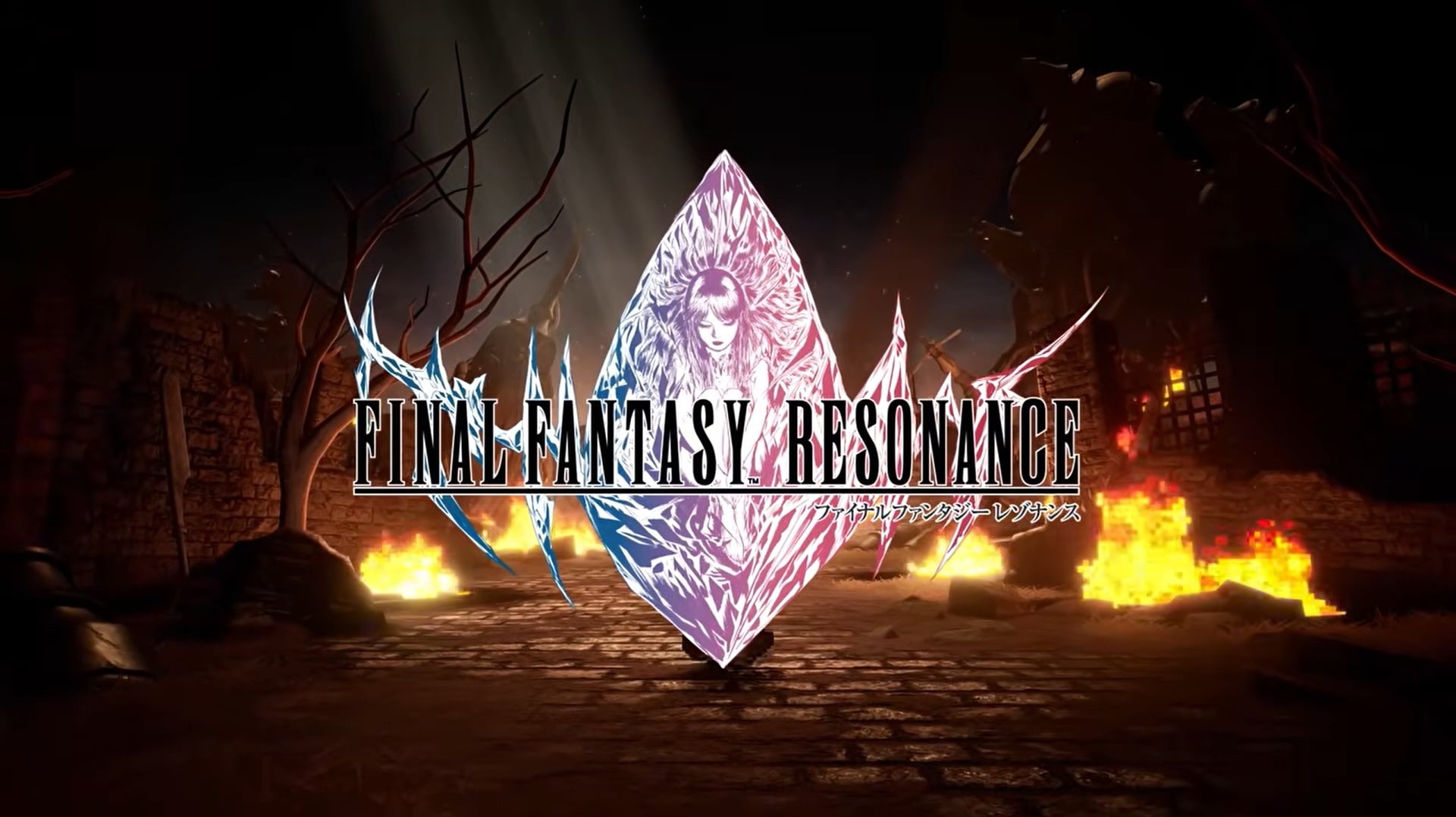
Square Enix has released a second trailer for Final Fantasy Resonance, offering another look at the upcoming role-playing game before its October 22, 2026 launch. The new footage highlights the project’s cinematic HD-2D presentation, familiar Final Fantasy imagery, turn-based battles and its unusual Visions system. Rather than leaving the series’ pixel-art heritage behind, Final Fantasy Resonance imagines how that visual identity could have continued evolving with modern lighting, dramatic camera movement and three-dimensional environments.
The adventure follows a group of companions connected by fate as they investigate a destructive force threatening their world. Their journey will feature many recognizable parts of the wider series, including crystals, airships, espers, moogles and powerful legendary weapons. Battles remain turn-based, although players will need to identify enemy weaknesses, break through their defenses and stagger them to create opportunities for additional turns and stronger Resonance attacks.
Players can also recruit Visions, which are echoes of familiar Final Fantasy heroes with their own skills and abilities. These characters provide additional party-building options while celebrating the series’ long history. Away from the central storyline, Final Fantasy Resonance will include optional encounters and activities involving Gilgamesh, a monster-filled Colosseum, the Chamber of Arms and the legendary Ultima Weapon. The game is scheduled to launch for Nintendo Switch 2, Nintendo Switch, PlayStation 5, Xbox Series X|S and PC on October 22, 2026.
Final Fantasy Resonance Receives Its Second Official Trailer
Square Enix is continuing to build anticipation for Final Fantasy Resonance with a second trailer that shows considerably more of its world, characters and combat. The first reveal established the broad idea: a traditional Final Fantasy adventure presented through an evolved form of pixel art. This follow-up gives that idea more room to breathe, allowing us to see how exploration, storytelling and turn-based encounters fit together. It is not merely a collection of pretty landscapes, either. The footage reinforces the sense that the developer wants every part of the experience to reflect both the history of Final Fantasy and the expectations surrounding a modern role-playing game. That is quite a balancing act. Lean too heavily on nostalgia and the experience could feel overly familiar. Chase modern spectacle without restraint and its pixel-art identity could disappear beneath layers of visual noise. The second trailer suggests that Square Enix is aiming for the narrow but promising path between those two extremes.

HD-2D Gives Classic Final Fantasy Imagery a Cinematic Edge
Final Fantasy Resonance is being presented as the first Final Fantasy game created in the HD-2D style, giving its visual direction particular importance. The central question behind the project is an intriguing one: what might Final Fantasy look like if its classic pixel-art presentation had continued evolving instead of being replaced by fully three-dimensional graphics? The answer combines detailed sprites, atmospheric lighting, richly layered environments and cinematic effects. Towns can retain the charm of a miniature diorama, while battles can use dramatic angles and visual effects that would have been unthinkable during the 16-bit era. It is a little like discovering an old storybook whose illustrations suddenly move when the pages turn. The familiar artistic language remains intact, but the tools used to express it have become far more advanced. That combination should help the game feel recognizable without making it appear trapped in the past.
Dynamic Cameras Bring Pixel-Based Scenes to Life
Camera movement plays an important role in making Final Fantasy Resonance feel more cinematic than its classic inspirations. Traditional pixel-based role-playing games often relied on fixed viewpoints, partly because of technical limits and partly because their environments were built as flat backgrounds. Here, the camera can sweep around battlefields, move closer during important attacks and frame conversations from more expressive perspectives. These shifts add energy without requiring the characters to abandon their pixel-based appearance. A powerful attack can begin from the familiar side-on view before the camera moves closer and emphasizes its impact. Likewise, an important location can be introduced with a wide shot that reveals its scale, architecture and surrounding landscape. These techniques should make major moments feel appropriately dramatic, while quieter scenes can remain intimate. The camera is not simply observing the action from a comfortable chair in the corner. It becomes another storytelling tool, guiding our attention and helping each scene land with greater force.
Pixelized 3D Models Add Depth Without Losing Nostalgia
The use of pixelized three-dimensional models provides another bridge between the game’s classic appearance and its modern production values. Characters and objects can occupy genuinely three-dimensional spaces while retaining shapes, colors and textures associated with traditional pixel art. That additional depth allows environments to contain stairs, bridges, towers and layered pathways without making the characters look as though they have wandered in from a completely different game. Lighting can also interact with those models more naturally, creating shadows and reflections that lend physical presence to the world. The result is nostalgic, but not in the sense of simply reproducing old hardware limitations. Instead, Final Fantasy Resonance appears to treat pixel art as an artistic choice that can still be expanded. It is less like restoring an antique exactly as it was and more like rebuilding it with stronger materials while preserving every curve that made the original memorable.
A Familiar Fantasy World Built Around Crystals and Companions
Although Final Fantasy has regularly reinvented its settings and battle systems, certain ideas remain closely tied to the series. Final Fantasy Resonance draws from that shared history by building its adventure around crystals, airships, espers, moogles and companions brought together by fate. These elements are not expected to function as decorative references alone. Square Enix says they are woven into the world and its storyline, giving longtime players recognizable touchstones while introducing them to a new cast and conflict. The central journey will see the heroes attempt to uncover the truth behind a force capable of bringing everything to ruin. That premise sounds appropriately serious, although the presence of moogles should prevent the atmosphere from becoming relentlessly gloomy. Final Fantasy stories often work best when world-ending danger shares the stage with friendship, humor and strange local distractions. Saving civilization is important, of course, but there is usually still time to inspect a suspicious barrel.
The focus on companions also suggests that personal relationships will matter alongside the wider threat. A party-based role-playing game depends on more than collecting characters with useful statistics. Players need reasons to care about the people standing together in battle, especially during an adventure that may last dozens of hours. By describing the group as bound by fate, Square Enix is hinting at connections that may reach beyond convenience or shared objectives. Those relationships could involve old loyalties, hidden identities, conflicting duties or uncomfortable truths uncovered during the journey. Whatever direction the story takes, the combination of a new cast and familiar Final Fantasy symbols gives Resonance a strong foundation. Players can enter a world that feels welcoming, yet still wonder what lies beyond the next mountain, crystal chamber or suspiciously ominous floating fortress.
Strategic Turn-Based Battles Reward Careful Planning
Final Fantasy Resonance returns to turn-based combat, but its battles are designed to demand more than repeatedly selecting the strongest attack. Players will need to identify weaknesses, break enemy defenses and create openings before committing their most valuable abilities. This structure gives each encounter the potential to operate like a small tactical puzzle. An enemy that initially seems too sturdy may become manageable once the correct element, weapon type or ability is used against it. Conversely, ignoring those systems could turn an ordinary monster into a stubborn wall with teeth. Turn-based combat gives players time to consider party roles, available resources and the likely consequences of each action. That measured pace does not necessarily make battles slow. When every decision contributes to a larger plan, even choosing a basic ability can feel meaningful. The second trailer presents combat with plenty of visual spectacle, but the underlying appeal appears to come from making smart choices rather than simply watching enormous numbers fill the screen.
Staggering Enemies Opens Valuable Tactical Opportunities
The stagger mechanic sits at the center of the battle system. By exploiting weaknesses and breaking an opponent’s defenses, players can place that enemy in a vulnerable condition. Doing so can create additional turns and provide an opportunity to unleash powerful Resonance attacks. The idea is straightforward, but it can support a wide range of tactical decisions. Should you spend several turns setting up a stagger, or deal reliable damage immediately? Is it better to save a powerful skill for the opening, or use it now to prevent an enemy from completing a dangerous action? Those questions become more interesting when multiple opponents have different weaknesses and attack patterns. A carefully timed stagger could completely change the rhythm of a battle, much like knocking over the first domino in a carefully arranged line. Everything that follows suddenly moves faster. Players who study their opponents and coordinate party abilities should be able to turn apparently difficult encounters into controlled bursts of damage.
Resonance attacks appear to serve as the dramatic reward for that preparation. Their name suggests cooperation, connection or harmony between different powers, fitting neatly with the game’s focus on companions and summonable Visions. The trailer presents these moves with cinematic camera angles and elaborate effects, ensuring that a successful tactical sequence has a satisfying visual payoff. Yet spectacle should remain most effective when it feels earned. A powerful animation carries more weight after the player has survived an enemy assault, discovered a weakness and arranged the party’s turns correctly. This rhythm could make boss battles especially engaging. Instead of gradually reducing a huge health bar through repetition, players may need to create short windows where every carefully selected ability matters. The process resembles cracking a safe. Finding the right combination is the real challenge, but hearing the lock finally click is still wonderfully satisfying.
Visions Bring Familiar Final Fantasy Legends Into Battle
Visions are echoes of beloved Final Fantasy characters who can fight alongside the main party. Each Vision brings distinct skills and abilities, giving players another way to shape their preferred team. The system also allows Final Fantasy Resonance to celebrate the wider series without replacing its own heroes. Familiar figures can appear as valuable allies while the central cast continues to carry the narrative. That distinction matters. A game filled with legendary characters can easily become a parade of references, with every new arrival competing for attention. By presenting them as Visions, Resonance can acknowledge their histories while fitting them into a defined gameplay role. Players may select Visions according to tactical needs, personal favorites or a mixture of both. Let us be honest, carefully comparing abilities is sensible, but many of us will still choose a favorite character first and invent the strategy afterward.
The system should provide meaningful party customization if different Visions support distinct roles. One could strengthen physical attackers, another might specialize in healing, while others could provide elemental damage, defensive effects or battlefield control. Their usefulness may also change according to the enemies or challenges ahead. A Vision that dominates ordinary encounters might be less effective against a boss with unusual resistances, encouraging players to experiment rather than relying on one permanent setup. This flexibility complements the weakness and stagger mechanics. Selecting a Vision with the right abilities could be as important as choosing equipment or arranging the main party. It also gives Square Enix room to represent different eras of Final Fantasy through mechanics, animations and recognizable techniques. For longtime followers, seeing a familiar hero return can stir strong memories. For newcomers, that same appearance may become an invitation to discover where the character originally came from.
Optional Challenges Expand the Adventure Beyond Its Main Story
Final Fantasy Resonance will offer a range of optional activities beyond its central journey. These challenges include encounters with Gilgamesh, battles in a Colosseum, confrontations inside the Chamber of Arms and a showdown with Ultima Weapon. Their inclusion suggests that players who enjoy testing party compositions will have reasons to continue exploring and strengthening their characters. Optional challenges often reveal the full potential of a role-playing game’s combat system because they are free to demand more than the main storyline. A central encounter must remain achievable for a broad range of players, while a hidden boss can confidently ask whether you truly understand every mechanic. These activities can also improve the pace of a long adventure. When the main quest becomes emotionally heavy, wandering away to hunt treasure or enter a tournament provides a welcome change of scenery. The world feels more convincing when every road does not point directly toward the next story marker.
Gilgamesh, the Colosseum and the Chamber of Arms Await
Gilgamesh is described as a wandering swordmaster, continuing his long association with unusual weapons and optional encounters throughout the Final Fantasy series. His presence immediately gives players a recognizable challenge to anticipate. A confrontation with Gilgamesh can be dramatic, comedic or both, depending on which version of the character turns up and whether his collection of swords is as impressive as he believes. The Colosseum offers a different kind of challenge, placing deadly monsters between the player and valuable rewards. Arena-based encounters are particularly suited to party experimentation because they can present escalating groups of enemies without requiring long stretches of exploration between battles. Players can adjust their approach, return with stronger equipment and measure their progress against increasingly dangerous opponents. Together, Gilgamesh and the Colosseum should provide memorable tests that feel separate from the central conflict while still rewarding skills developed throughout the adventure.
Legendary Weapons Turn the Chamber of Arms Into a Dangerous Test
The Chamber of Arms contains formidable enemies sealed within legendary weapons, blending treasure hunting with boss battles. That concept gives each confrontation an immediate sense of mystery. Instead of opening a chest and casually placing a famous sword into the inventory, players may need to prove they deserve it by defeating the power bound within. This structure can make individual weapons feel significant rather than disposable. A reward carries more emotional weight when its history, guardian and acquisition are memorable. The Chamber of Arms could also encourage players to return at different points in the adventure, especially if some encounters are far more demanding than others. Discovering a powerful sealed foe early can create a useful long-term goal. You might lose badly, retreat with whatever dignity remains and return many hours later with a stronger party. Few role-playing game pleasures match defeating the monster that once treated your heroes like mildly inconvenient furniture.
Ultima Weapon Offers a Formidable Endgame Challenge
Ultima Weapon is among the optional threats awaiting players in Final Fantasy Resonance, and its name carries considerable weight within the series. Encounters bearing that title are rarely intended to be casual diversions. They usually demand powerful equipment, careful preparation and a strong understanding of the battle system. In Resonance, that could mean selecting Visions capable of exploiting specific weaknesses, managing defensive abilities and timing stagger opportunities with precision. An enemy of this stature can act as a final examination for everything learned throughout the journey. Regular monsters teach the rules, bosses test individual lessons and Ultima Weapon asks whether the player has mastered the whole curriculum. Its inclusion also reinforces the game’s commitment to familiar Final Fantasy traditions. The details of the battle remain to be revealed, but merely confirming the encounter gives dedicated players a clear reason to refine their party long after the credits may otherwise have seemed close.
Final Fantasy Resonance Launches on Switch 2 and Switch
Final Fantasy Resonance is scheduled to launch on October 22, 2026. The game will be available for Nintendo Switch 2 and Nintendo Switch, alongside PlayStation 5, Xbox Series X|S and PC. Releasing on both Nintendo systems gives players the choice of experiencing the adventure on newer hardware or continuing with the original Switch. Square Enix has not used the second trailer merely to repeat the date. The footage strengthens the game’s identity by showing how its visual presentation, tactical battles and familiar series elements work together. That is important for a project built on both nostalgia and experimentation. The name Final Fantasy sets expectations immediately, while the HD-2D approach creates questions that only extended gameplay footage can begin to answer. With crystals, airships, Visions and optional super bosses already confirmed, Resonance appears ready to offer a traditional adventure without simply retracing every footprint left by earlier entries.
For Nintendo players, the launch also adds another major role-playing game to the systems’ libraries. The portable format has always suited turn-based adventures, since battles can be approached at a relaxed pace and progress can be made in shorter sessions. Of course, history suggests that a planned ten-minute session can easily become an hour after someone mentions a hidden cave nearby. Final Fantasy Resonance should be particularly well suited to that pattern. Its main storyline promises a large-scale threat, while its optional encounters give players opportunities to wander, experiment and chase increasingly powerful rewards. The second trailer makes a strong case for keeping the game on the radar ahead of October. It respects the visual language of classic Final Fantasy, but it is not afraid to rotate the camera, shake the battlefield and let modern lighting turn a tiny pixel sword into something spectacular.
Conclusion
The second Final Fantasy Resonance trailer provides a clearer picture of how Square Enix is combining classic role-playing traditions with modern presentation. Its HD-2D visuals preserve the warmth and personality of pixel art while dynamic cameras, layered environments and dramatic effects give the adventure a cinematic quality. Strategic turn-based battles will ask players to study weaknesses, stagger enemies and coordinate powerful Resonance attacks rather than relying on brute force alone. Visions add another layer of customization by allowing familiar Final Fantasy legends to support the main party with unique abilities.
The confirmed side activities also suggest that the journey will contain plenty to discover after players step away from its central path. Gilgamesh, the Colosseum, the Chamber of Arms and Ultima Weapon should provide valuable rewards and demanding tests for well-prepared teams. Final Fantasy Resonance is due to arrive for Nintendo Switch 2 and Nintendo Switch on October 22, 2026, with releases also planned for PlayStation 5, Xbox Series X|S and PC. With another trailer now available, the game’s blend of nostalgia, spectacle and tactical decision-making is becoming much easier to appreciate.
FAQs
- When will Final Fantasy Resonance be released?
- Final Fantasy Resonance is scheduled to launch on October 22, 2026.
- Which platforms will receive Final Fantasy Resonance?
- The game is planned for Nintendo Switch 2, Nintendo Switch, PlayStation 5, Xbox Series X|S and PC.
- Is Final Fantasy Resonance an HD-2D game?
- Yes. Square Enix describes Final Fantasy Resonance as the first Final Fantasy game presented in the HD-2D style.
- Does Final Fantasy Resonance use turn-based combat?
- Yes. Battles are turn-based and involve exploiting weaknesses, staggering enemies, gaining additional turns and using Resonance attacks.
- What are Visions in Final Fantasy Resonance?
- Visions are echoes of familiar Final Fantasy characters who can support the player’s party with their own skills and abilities.
Sources
- FINAL FANTASY RESONANCE, Square Enix, June 9, 2026
- FINAL FANTASY RESONANCE, First HD-2D Final Fantasy Game Revealed, Square Enix, June 9, 2026
- FINAL FANTASY RESONANCE – Announce Trailer, Square Enix, June 9, 2026
- FINAL FANTASY RESONANCE, Nintendo, June 9, 2026
- Final Fantasy Resonance Announced for Nintendo Switch 2, Switch, Nintendo Everything, June 9, 2026