




Summary:
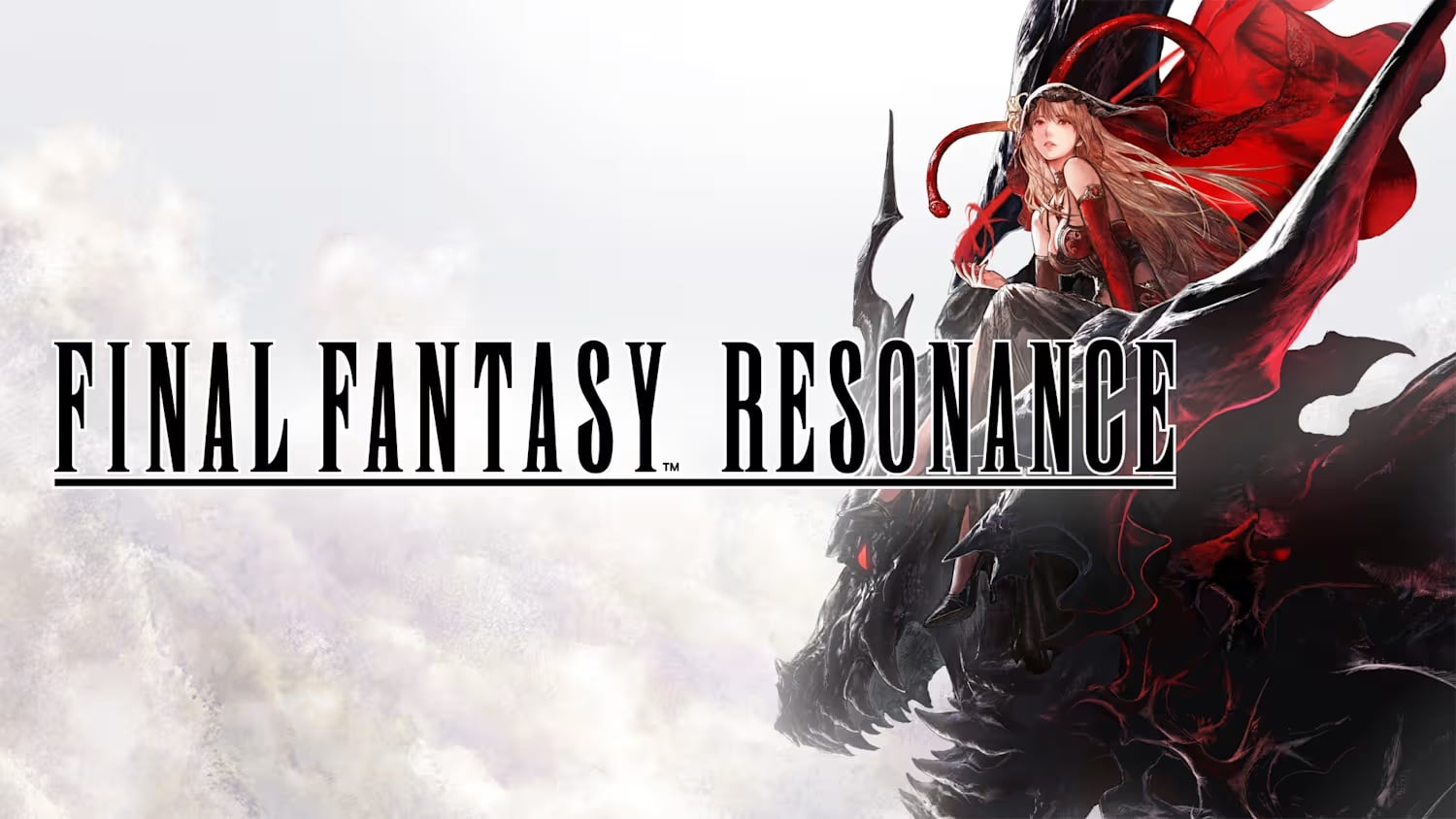
Final Fantasy Resonance started as Keisuke Nakashima’s personal mission to preserve and reimagine Final Fantasy Brave Exvius for console players who’d avoided the original because of its gacha mechanics. Nakashima pitched the idea at the end of 2020 and pushed for a full HD-2D, turn-based RPG experience instead of a quick and cheap port. That push met internal resistance from some Square Enix decision-makers who preferred a straightforward port to save time and budget, but Nakashima held firm, reshaping systems, story structure, and presentation to suit consoles and a broader audience. The project ultimately became a standalone title with reworked scenarios, a new combat focus, and a curated roster of Visions instead of Brave Exvius’s thousands of summonable units. For Nintendo fans, Resonance brings a classic-feeling Final Fantasy experience to Nintendo Switch and Nintendo Switch 2 while honoring the mobile original’s spirit in a way many players will find more approachable and satisfying.
How Final Fantasy Resonance Began
Final Fantasy Resonance began from a simple but stubborn idea: take the things that made Final Fantasy Brave Exvius fun and translate them into a proper console RPG. Producer Keisuke Nakashima, who worked on Brave Exvius previously, submitted a proposal at the end of 2020 to rework the mobile game’s first story arc into a single-player, turn-based experience with HD-2D visuals. That early pitch was driven by two frustrations: that players avoided the mobile title because of gacha mechanics, and that a lot of the charm in Brave Exvius would become unavailable as the mobile service wound down. Over time the concept evolved from preservation into reinvention, with the team aiming to create something that could stand alongside other retro-inspired modern RPGs while offering a clearer, more focused narrative and gameplay loop for console audiences. The goal was not to copy the mobile game beat for beat but to reimagine its soul for longer play sessions, deeper encounters, and a sense of exploration more fitting to a home console or handheld like the Nintendo Switch and Nintendo Switch 2.
From Brave Exvius to an HD-2D Console Vision
Adapting a live-service mobile title into a fixed-price console game means making choices. Instead of preserving Brave Exvius’s monetization systems or its massive roster of pullable characters, the team opted to focus on a core cast and the elements that scream Final Fantasy: chocobos, airships, summons, and evocative job-style mechanics. HD-2D was chosen as the visual bridge between retro pixel charm and modern presentation, offering cinematic camera work and handcrafted frames that elevate key moments. That choice helped justify the project as more than a port; it allowed the team to redesign cutscenes, pacing, and visual storytelling so emotional beats land properly with voice work and fixed-camera moments. For players who remember the old pixel-era Final Fantasy games, the aesthetic delivers nostalgia while still feeling fresh and technically ambitious on both Nintendo Switch and Nintendo Switch 2.
Nakashima’s 2020 Pitch and the Early Resistance
When Nakashima first pitched the idea at the end of 2020, not everyone inside the publisher was convinced. Some executives reportedly preferred a cheaper, faster route: a direct port of Brave Exvius that would preserve assets and minimize development time. From a business point of view that makes sense, especially if the goal is to monetize familiar IP with low overhead. But Nakashima felt strongly that a simple port would simply transfer the mobile experience without solving the very issues that made many players skip Brave Exvius in the first place. He argued for a full rebuild tailored to consoles: remove gacha elements, rework progression, create a self-contained story arc, and design combat and exploration to reward longer play sessions. That kind of conviction is often the difference between a passable conversion and a new game that earns its own place in the series, and in this case it steered Resonance toward becoming a distinct, paid release rather than a rushed repackage.
Why Executives Favored a Simple Port
Executives considering a simple port were naturally thinking about cost, schedule, and risk. Ports can reuse existing assets, reduce QA scope, and bring product to market quickly. From the perspective of tight budgets and shrinking windows, a port can look like the sensible choice. But the tradeoffs include misaligned systems, awkward pacing, and a player experience built around microtransactions that doesn’t sit well in a one-time purchase. Nakashima and the development team recognized those tradeoffs and pushed back, highlighting the work needed to make the game feel native to consoles: new UI flows, a rebalanced economy that doesn’t rely on gacha, reworked progression that respects time investment, and a cohesive narrative design. The tension between those two approaches — low-cost port vs fully rebuilt console release — shaped a lot of the early conversations and ultimately led to creative decisions that define Resonance today.
Design Choices That Kept Resonance From Being a Port
To turn Brave Exvius into Resonance, designers removed monetization systems that influence pacing and power spikes. Instead of rarity-based balance, characters here are earned through exploration and story beats, and the roster is intentionally small and curated so each Visions character has meaning and design space. The narrative was rewritten to fit a console rhythm with side quests, a world map, and scripted scenes that benefit from voice acting and camera work. Combat systems were rethought to reward strategic preparation and party composition rather than random pulls, leaning into job-like customization and a break-based combat loop that encourages tactical play. These choices make Resonance feel like a full-scale JRPG built to be played in longer stretches — the opposite of the short-session, monetized loops common on mobile. That design philosophy is what separates a throwaway port from a crafted console experience.
What Changed: Story, Scope and the Gacha-Free Structure
Storytelling received major attention. The team rewrote dialogue, reordered some beats, and added new side quests so that character motivations and arcs breathe at a console pace. Brave Exvius’s sprawling summon roster was condensed: instead of thousands of collectible units, Resonance features a focused set of Visions that slot into the gameplay and narrative in meaningful ways. That pruning improves story cohesion and ensures each character moment carries weight. The gacha systems were stripped away entirely, which changes how players approach the game: success depends on tactics, exploration, and skill rather than luck or paid pulls. This gacha-free structure makes the experience more approachable for players who avoided Brave Exvius, which was a key driver for Nakashima when he first proposed the project years ago. The result is a package that respects the original’s strengths while addressing the accessibility and fairness issues that turned some players away from mobile.
HD-2D, Combat Systems, and Player Feedback
HD-2D isn’t just a look; it shapes how Resonance communicates with players. Cinematic camera moves, layered environments, and hand-tuned sprite animation let the team craft moments that feel both nostalgic and new. Combat blends classic turn-based decision-making with modern pacing tools: break mechanics that skip enemy turns, coordinated party strikes during special phases, and a job-like customization system that invites experimentation. Early hands-on previews and interviews noted how these systems encourage thoughtful party building rather than chasing rarity. The team also listened to feedback from Brave Exvius players and the broader JRPG crowd who disliked gacha mechanics; that player perspective was central to priorities like the gacha removal, clearer progression, and more meaningful rewards for exploration rather than spending.
Visions, Characters and the Narrowed Roster
One of the most visible changes is how Resonance handles cast and cameos. Brave Exvius’s thousands of units gave way to a selection of 20-30 Visions that include protagonists and fan-favorite heroes from across the series. Each Vision is introduced through in-world encounters and provides both lore beats and mechanical depth. That narrower approach does two things: it preserves the sense of discovery that made the original appealing, and it prevents the bloat and imbalance that can come with massive rosters tied to gacha. For fans, it means recruiting a beloved character becomes a narrative moment rather than a loot-box gamble. For newcomers, it avoids the feeling of being outclassed because they didn’t pull the right unit, which was one of Nakashima’s complaints when he spoke with players on global press rounds.
Launch, Platforms and What It Means for Nintendo Players
Final Fantasy Resonance launched recently on October 22, 2026, for multiple platforms including Nintendo Switch and Nintendo Switch 2. For NintendoReporters readers, that means the game is easily accessible on handheld and docked play and carries the kind of JRPG pacing that suits longer sessions away from quick mobile bursts. The Switch versions let players experience the HD-2D aesthetic on portable hardware while benefiting from a console-tailored UI and save flow. Resonance’s release is noteworthy because it represents a model for how publishers can resurrect mobile-era stories without dragging monetization systems into the package. For Nintendo fans who want a thoughtful, turn-based Final Fantasy with modern presentation, Resonance aims to deliver the right balance between nostalgia and new design choices.
Conclusion
Final Fantasy Resonance is the product of creative persistence. Nakashima’s insistence on a reworked, gacha-free console game turned what could have been a cheap port into a title with its own identity. The project highlights important tradeoffs between speed and care, and it shows how developer vision can change a publisher’s decision when the pitch is backed by clear design goals. For Nintendo gamers, Resonance provides a classic-feeling Final Fantasy experience updated for modern players, giving both longtime fans and newcomers a reason to explore Brave Exvius’s foundations anew in a console-friendly package.
FAQs
- Is Final Fantasy Resonance a direct port of Brave Exvius?
- No. Resonance is based on Brave Exvius’s first story arc but has been rewritten, rebalanced, and rebuilt as a standalone HD-2D console RPG.
- Why did the team remove gacha mechanics?
- The team removed gacha to make the game approachable as a one-time purchase, to avoid pay-to-win issues, and to ensure character access is tied to exploration and story rather than luck.
- When did development for Resonance start?
- Nakashima submitted the initial proposal at the end of 2020, although the core development and research phase extended over subsequent years.
- Which platforms is the game available on?
- Final Fantasy Resonance launched on October 22, 2026 for Nintendo Switch, Nintendo Switch 2, PlayStation 5, Xbox Series X|S, and PC.
- Will later Brave Exvius seasons be adapted?
- At launch there are no confirmed plans to adapt later seasons; the team focused on creating a self-contained experience from the first story arc.
Sources
- Final Fantasy Resonance devs say FFBE was “too good to become unplayable,” so it’s been reborn with a reworked story, world map, and enough changes to feel like a new game, AUTOMATON, June 10, 2026
- FINAL FANTASY RESONANCE, FIRST HD-2D FINAL FANTASY GAME, REVEALED ALONGSIDE NEW TRAILERS, SQUARE ENIX Press, June 9, 2026
- Square Wants Final Fantasy Resonance To Be Both A Tribute To Its Past And A Gateway To Its Future, Kotaku, September 4, 2026
- Final Fantasy Resonance on the game’s origins, had resistance from Square Enix execs who wanted a simple port, NintendoEverything, November 2, 2026