














Summary:
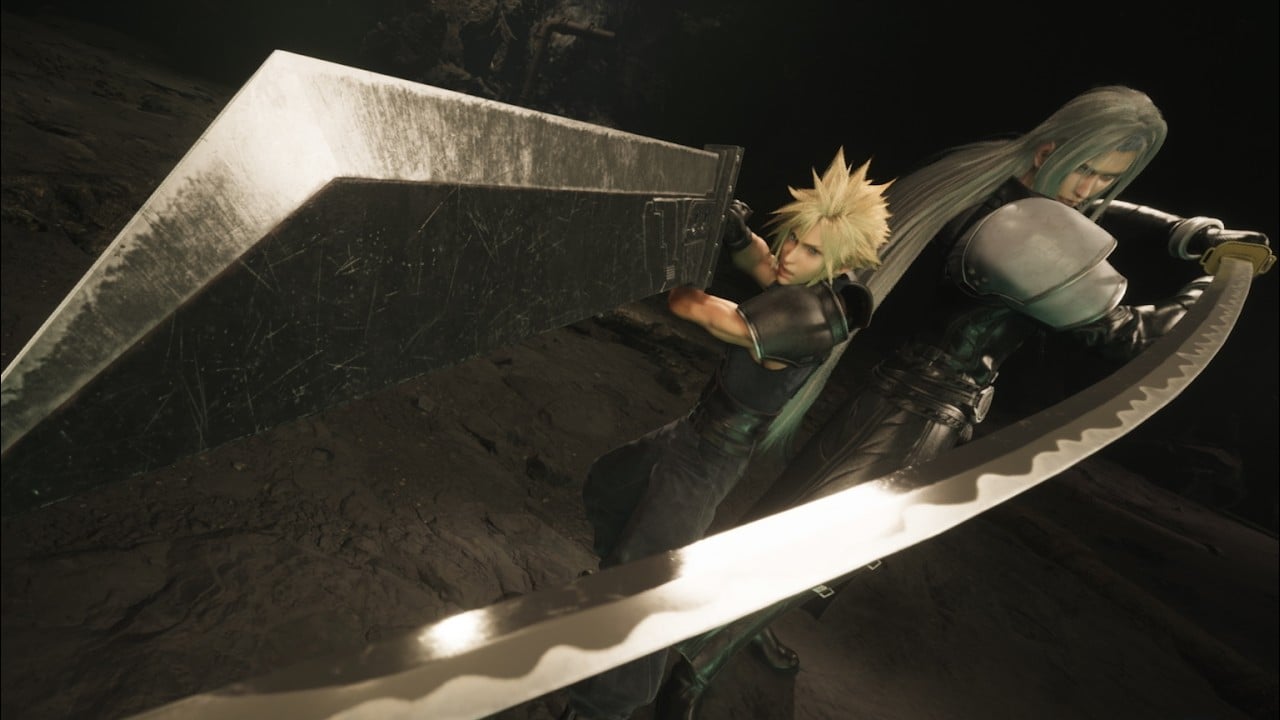
Final Fantasy VII Rebirth has taken a big step toward its Nintendo Switch 2 launch with a free demo now available through the Switch 2 eShop. Square Enix is giving players a chance to experience the opening stretch of Cloud’s next adventure before the full version arrives on June 3, 2026. This is not a blink-and-you-miss-it sample either. The demo covers the beginning of the game through the end of Chapter 2, which means players can get a real taste of the world beyond Midgar, the tone of the story, the combat rhythm, and the broader sense of scale that makes Rebirth such an important middle chapter in the Final Fantasy VII Remake trilogy. Better yet, demo progress can carry over to the full release, turning this free download into a practical head start rather than a one-time curiosity. Players with demo save data can also claim a Kupo Charm and survival set in the full game, giving early adopters a small reward for jumping in ahead of launch. For Switch 2 owners, this demo matters because it shows Square Enix treating Nintendo’s hybrid system as a serious home for a major modern RPG. For Final Fantasy fans, it is a clean invitation to begin the road toward June 3 with Cloud, Aerith, Tifa, Barret, Red XIII, and the strange shadow of Sephiroth already waiting on the horizon.
Final Fantasy VII Rebirth opens its Switch 2 journey with a generous free demo
Final Fantasy VII Rebirth is no longer something Nintendo Switch 2 players have to watch from the sidelines. Square Enix has released a free demo for the game on the Switch 2 eShop, giving players a direct way to try the next chapter of Cloud’s story before the full version launches on June 3, 2026. That alone is a strong move, but the size and structure of the demo make it feel especially meaningful. Instead of offering only a short combat slice or a narrow scene built purely for promotion, the demo lets players experience the beginning of the game through the end of Chapter 2. That gives the opening hours room to breathe. You can settle into the mood, meet the party again, feel the shift away from Midgar, and start to understand why Rebirth carries a very different energy from Remake. It is bigger, brighter, stranger, and more open, like someone has pulled the walls away and suddenly the horizon is staring right back at you.
Why the Switch 2 demo matters for returning fans and new players
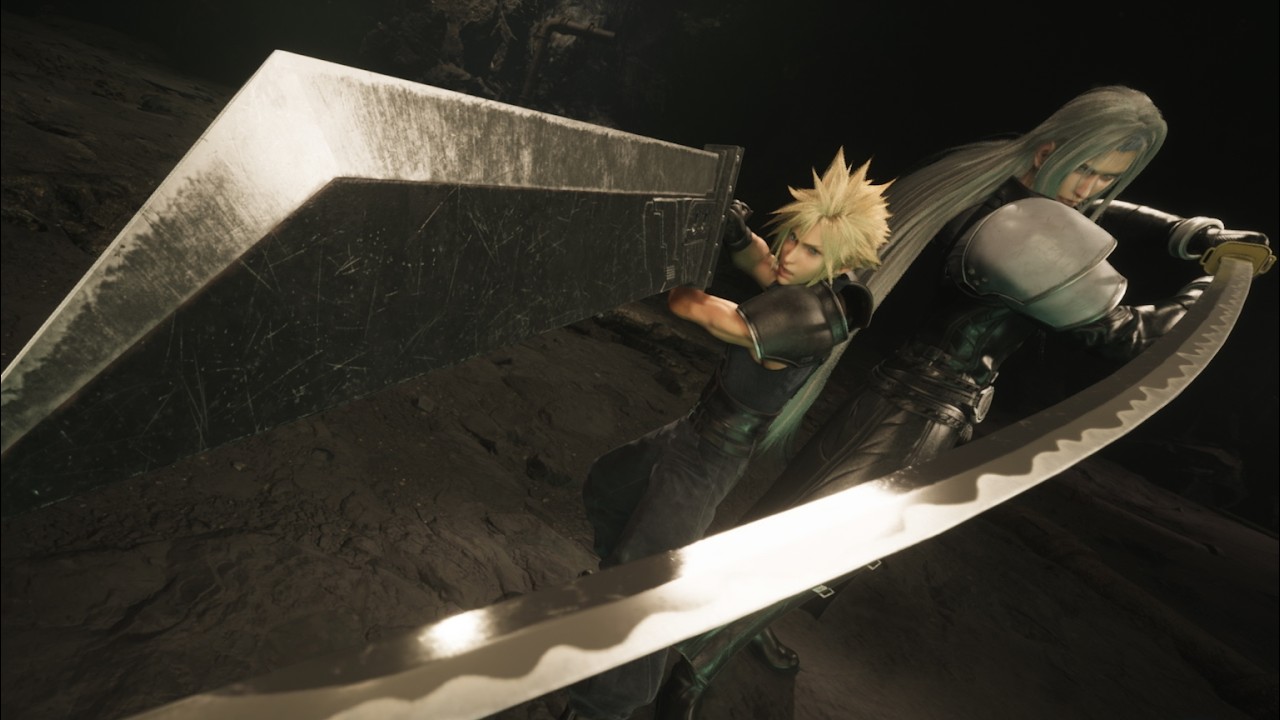
For longtime Final Fantasy VII fans, the Switch 2 demo is a welcome chance to revisit familiar characters in a new format. For players who skipped the PlayStation 5 or PC versions, it is also a cleaner entry point than expected, especially because the demo is free and does not ask for an upfront commitment. Rebirth is the second major part of the Final Fantasy VII Remake trilogy, so there is naturally a lot of emotional baggage packed into its world. Cloud is still carrying memories that don’t sit quite right. Sephiroth is still a problem in the way a thundercloud is a problem when you are standing in an open field holding a metal pole. The party is still trying to make sense of a world that feels both familiar and freshly unpredictable. A demo helps remove some of that hesitation. You can feel the combat, see the visual approach on Switch 2, and decide whether this version fits the way you want to play.
The first two chapters give players more than a tiny preview
The biggest reason this demo stands out is simple: it covers the beginning of the game through Chapter 2, rather than tossing players into a tiny, disconnected slice. That structure matters because Rebirth is built around momentum. The early chapters set the tone for the journey beyond Midgar, bring the party into wider spaces, and begin shaping the emotional and mechanical rhythm that defines the adventure. A smaller demo might have shown the battle system and called it a day, but this version gives players enough time to understand how exploration, story scenes, character banter, and combat work together. That is especially useful on Switch 2, where players may be curious about how a large RPG feels in both docked and handheld play. A good demo should answer a simple question: does this feel right in your hands? By giving players the first two chapters, Square Enix gives that question a fair chance to answer itself.
Chapter 2 helps the world beyond Midgar feel real
Final Fantasy VII Remake was tightly tied to Midgar, a city of steel, smoke, mako, neon, and pressure. Rebirth changes the shape of the journey by pushing the party into the wider world, where the adventure can stretch its legs. Reaching Chapter 2 in the demo is important because it lets players feel that transition instead of only hearing about it. The world is not just a backdrop anymore. It becomes a place to move through, study, and slowly understand. That sense of space is part of what gives Rebirth its identity. The game is still dramatic, still emotional, and still full of strange Final Fantasy charm, but it also has more room for quiet moments between the big swings. Those quieter beats can be just as important as the boss fights. Sometimes the best RPG memories come from wandering, getting distracted, and realizing twenty minutes later that you were supposed to be doing something else.
Early exploration helps players understand the rhythm before launch
The demo’s structure gives players enough time to get comfortable with how Rebirth moves from story to exploration and back again. That is useful because this is not a game built only around cutscenes or only around combat. It lives in the space between those things. One minute you are following the emotional thread of Cloud’s past, and the next you are watching the party react to the wider world with curiosity, tension, or a little awkward humor. That mixture is part of the appeal. On Switch 2, it also gives players a chance to test how the pacing feels in portable sessions. Some players will sit on the couch and play for hours. Others will chip away at the demo in shorter bursts. Either way, the opening chapters provide a better sense of the full experience than a brief, isolated battle test ever could.
Save transfer makes the demo feel like the real starting line
One of the smartest parts of the Final Fantasy VII Rebirth demo is progress carry over. Demo save data can transfer to the full version when it launches, as long as players follow the conditions set by the game. That matters because it changes the psychology of the demo. You are not just playing a sample that will vanish into the digital mist once the full version arrives. You are starting a save file that can become part of your actual run. That makes the time investment feel worthwhile. Nobody enjoys replaying the same opening hours just because a demo decided to live in its own little bubble. Here, Square Enix is making the free trial feel practical, and that is a good fit for a game this large. Rebirth asks for attention, curiosity, and emotional investment. Letting players carry progress forward makes the first step into that journey feel cleaner and more respectful.
Kupo Charm and survival set bonuses add a small but welcome push
Players with demo save data can claim a Kupo Charm and survival set in the full game, giving the demo a small extra reward beyond early access to the opening chapters. These bonuses are not being presented as massive game-changing prizes, and that is probably for the best. A demo reward should feel useful without making late starters feel punished. The Kupo Charm and survival set sit nicely in that space. They give players a little nudge, a tiny thank-you, and a reason to keep the demo installed long enough to link that save data to the full release. It is the RPG equivalent of someone handing you snacks before a long walk. You still have to make the journey yourself, but hey, a few helpful items never hurt. For fans who already planned to buy Rebirth on Switch 2, the bonuses make the demo feel like a natural first stop rather than an optional detour.
Bonus items work best when they support the adventure without stealing focus
The best early bonuses in an RPG are the ones that feel helpful without flattening the curve of discovery. Rebirth is built around growth, party development, materia choices, combat learning, exploration, and story progression, so the demo rewards should never be the main reason to play. They are more like a small ribbon tied around the beginning of the journey. The Kupo Charm has that classic Final Fantasy flavor too, because anything with “kupo” attached immediately brings a little moogle energy into the room. The survival set, meanwhile, sounds practical in exactly the way early RPG items often are. You may not remember every potion, support item, or accessory you use in the first few hours, but they can make the opening smoother. For new players, that little cushion can be reassuring. For returning fans, it is a pleasant bonus for doing what they were probably going to do anyway.
What this means for Final Fantasy VII Rebirth on Nintendo hardware
Final Fantasy VII Rebirth arriving on Nintendo Switch 2 is a notable moment because it places one of Square Enix’s biggest modern RPGs onto Nintendo’s hybrid hardware. For years, Nintendo players have often received late ports, cloud versions, spin-offs, or smaller franchise entries while the biggest third-party releases landed elsewhere first. Switch 2 changes that conversation. A game like Rebirth appearing with a free demo ahead of launch tells players that Square Enix is treating the platform as more than an afterthought. That does not automatically answer every technical question, of course. Players will still care about performance, visuals, loading, handheld comfort, and how the open environments feel on the system. But the existence of a substantial demo gives players a practical way to judge those things themselves. Instead of relying only on trailers, clips, or heated comment threads, they can download the demo, play the opening chapters, and see how the adventure feels on their own screen.
How Rebirth fits into the wider Final Fantasy VII Remake trilogy
Final Fantasy VII Rebirth is the second part of the Final Fantasy VII Remake trilogy, following the events of Final Fantasy VII Remake and continuing the reimagined journey inspired by the original 1997 game. That position gives it a tricky job. It has to continue a story that millions of players already know in broad strokes, while still finding ways to surprise people who can practically hear the old battle victory fanfare in their sleep. Rebirth leans into that tension. It brings back beloved characters and major story beats, but it also works within a version of the world where fate, memory, and expectation feel more unstable than before. That makes the opening chapters important. They are not just setup. They are the bridge between the claustrophobic drama of Midgar and the larger, more unpredictable path ahead. For Switch 2 players, the demo is the first step onto that bridge.
Cloud’s journey beyond Midgar carries more emotional weight this time
Cloud Strife has always been one of gaming’s most recognizable heroes, but Rebirth gives his story room to feel stranger, sadder, and more fragile. He is not just a cool swordsman with impossible hair and a sword that looks like it should need its own parking permit. He is a character shaped by trauma, memory, identity, and the people around him. The early chapters of Rebirth begin playing with those ideas again, especially as the game moves beyond Midgar and into territory where the past refuses to stay neatly packed away. That emotional tension is a big part of why the Remake trilogy has remained such a conversation starter. It is not only recreating a classic. It is asking players to look at that classic through a slightly cracked mirror, where familiar scenes can still catch you off guard.
Switch 2 gives Square Enix a fresh handheld opportunity
One of the most interesting parts of Final Fantasy VII Rebirth on Switch 2 is the simple appeal of portability. Rebirth is a large, cinematic RPG, the kind of game many players associate with long sessions on a television. But Nintendo’s hybrid format changes how people may experience it. Some players might explore the Grasslands while curled up on the sofa. Others might handle side activities in handheld mode, then return to docked play for major story moments. That flexibility can make a long RPG feel easier to fit into daily life. A game this big can be intimidating when it feels like it demands a full evening every time you start it. On a hybrid system, it becomes easier to chip away at the journey. Maybe you only have time for a few battles. Maybe you want to check the map, test materia setups, or simply wander for a while. Switch 2 gives that style of play a natural home.
Xbox availability turns the demo into a wider multiplatform moment
The demo is also available on Xbox, which makes this release feel bigger than a single-platform update. Final Fantasy VII Rebirth expanding to Switch 2 and Xbox continues Square Enix’s broader push to bring major titles to more players. That matters because Final Fantasy VII has always been bigger than one box under the television. Its characters, music, locations, and emotional moments have traveled across generations, platforms, remasters, spin-offs, and fan memories. Bringing Rebirth to more systems helps the game reach players who may have missed its earlier releases. It also gives the Remake trilogy a wider foundation as Square Enix moves toward the eventual third part. For players, the benefit is straightforward: more choice. Whether someone prefers Nintendo’s hybrid setup, Xbox’s ecosystem, PlayStation, or PC, the world of Final Fantasy VII is becoming easier to access.
More platforms mean more players can join the conversation
RPGs thrive when players talk about them. They compare party setups, argue about characters, share discoveries, and warn each other about emotional damage with the seriousness of someone putting a wet floor sign next to a heartbreak. Rebirth is especially built for that kind of discussion because it blends familiar Final Fantasy VII history with new questions. By releasing a free demo on Switch 2 and Xbox, Square Enix gives more players a shared starting point. The demo can become the place where new players decide whether the combat clicks, where returning fans test the port, and where curious RPG fans finally see why Rebirth has generated so much attention. A wider demo also lowers the barrier to entry. You do not have to buy first and ask questions later. You can try the opening, carry your progress forward, and decide from there.
What players should know before starting the demo
Players planning to download the Final Fantasy VII Rebirth demo on Switch 2 should know that it covers the beginning of the game through the end of Chapter 2, includes save progress carry over to the full version, and unlocks bonus items through demo save data. It is also worth remembering that save transfer details can depend on how the full game save is handled, so players who want to carry progress forward should pay attention to the game’s instructions when launch day arrives. That is not meant to scare anyone away. It is just the usual RPG housekeeping, like making sure you save before a boss or checking that you did not sell something useful because it looked boring in your inventory. The demo is free, but it still represents the opening stretch of a very large game. Treat it like the beginning of your full journey, not just a throwaway test.
Starting early can make launch day feel smoother
Because progress can carry over, playing the demo before June 3, 2026 can make the full launch feel smoother. Instead of spending launch day on the opening chapters, players can potentially continue from where the demo left off and move deeper into the adventure. That is especially useful for anyone already certain they want the full game. It turns the wait into something more active. You can learn the controls, adjust settings, get comfortable with combat, and start thinking about how you want to approach party development. Rebirth has a lot of moving parts, and it can take a little time before everything feels natural. The demo gives players that adjustment period early, which means the full release can begin with less friction and more confidence.
The demo is also a useful technical test for cautious players
For players who are still unsure about the Switch 2 version, the demo serves another important purpose: it lets them test the game on their own hardware. Trailers are helpful, but they cannot fully answer how a game feels in your hands, on your screen, through your headphones, or during your preferred play style. Some players care most about handheld comfort. Others want to know how readable menus feel, how battles flow, or how stable the experience seems during exploration. The demo gives those players real information through play, which is far more useful than guessing. For a large RPG, that kind of confidence matters. Nobody wants to start a major journey while wondering whether the road itself feels right.
Why June 3 2026 now feels much closer
Final Fantasy VII Rebirth launches for Nintendo Switch 2 and Xbox Series X|S on June 3, 2026, and the demo makes that date feel much more immediate. A launch date on a calendar can feel distant, almost abstract, until players are actually holding the opening chapters in their hands. Now the journey has started. Cloud and the party are no longer waiting behind a trailer, a press release, or a store page. They are available through a free download, ready to pull players back into one of Square Enix’s most famous worlds. For Nintendo fans, this is another sign that Switch 2 is building a library with serious third-party weight. For Final Fantasy fans, it is a chance to begin Rebirth in a new way. And for anyone who has somehow avoided the emotional storm around Final Fantasy VII for all these years, well, good luck. The game has a way of finding the soft spots.
Conclusion
The free Final Fantasy VII Rebirth demo on Nintendo Switch 2 is more than a simple pre-launch sample. It gives players the first two chapters, supports progress carry over to the full game, and offers bonus items through demo save data. That combination makes it a smart starting point for anyone planning to buy the full version on June 3, 2026. It also gives cautious players a practical way to test the Switch 2 version before making a decision. With Cloud’s journey beyond Midgar now available on Nintendo’s hybrid system ahead of launch, Square Enix has turned the wait into something players can actually play. For a game built around memory, destiny, friendship, and the long shadow of Sephiroth, that early invitation feels fitting. The road is open, the party is ready, and the first steps are already waiting on the eShop.
FAQs
- Is the Final Fantasy VII Rebirth demo available on Nintendo Switch 2?
- Yes, the free Final Fantasy VII Rebirth demo is available to download through the Nintendo Switch 2 eShop.
- How much of Final Fantasy VII Rebirth is included in the demo?
- The demo lets players experience the beginning of the game through the end of Chapter 2, giving a larger early look at the adventure than a short isolated sample.
- Does Final Fantasy VII Rebirth demo progress carry over to the full game?
- Yes, demo progress can carry over to the full version when Final Fantasy VII Rebirth launches on June 3, 2026, as long as players follow the required save data conditions.
- What bonuses do players get for having demo save data?
- Players with demo save data can claim a Kupo Charm and survival set in the full version, giving them a small reward for starting early.
- When does Final Fantasy VII Rebirth launch on Nintendo Switch 2?
- Final Fantasy VII Rebirth is scheduled to launch on Nintendo Switch 2 and Xbox Series X|S on June 3, 2026.
Sources
- Demo Available Now – FINAL FANTASY VII REBIRTH, Nintendo, April 28, 2026
- Free Demo Of Final Fantasy VII Rebirth Out Now On Nintendo Switch 2 And Xbox Series X|S, Square Enix Press, April 28, 2026
- Why Final Fantasy 7 Rebirth feels right at home on Nintendo Switch 2, TechRadar, April 29, 2026
- Final Fantasy VII Rebirth: The FF7 remake demo is now available on Xbox and Switch 2 – our verdict, Sortiraparis, April 28, 2026