














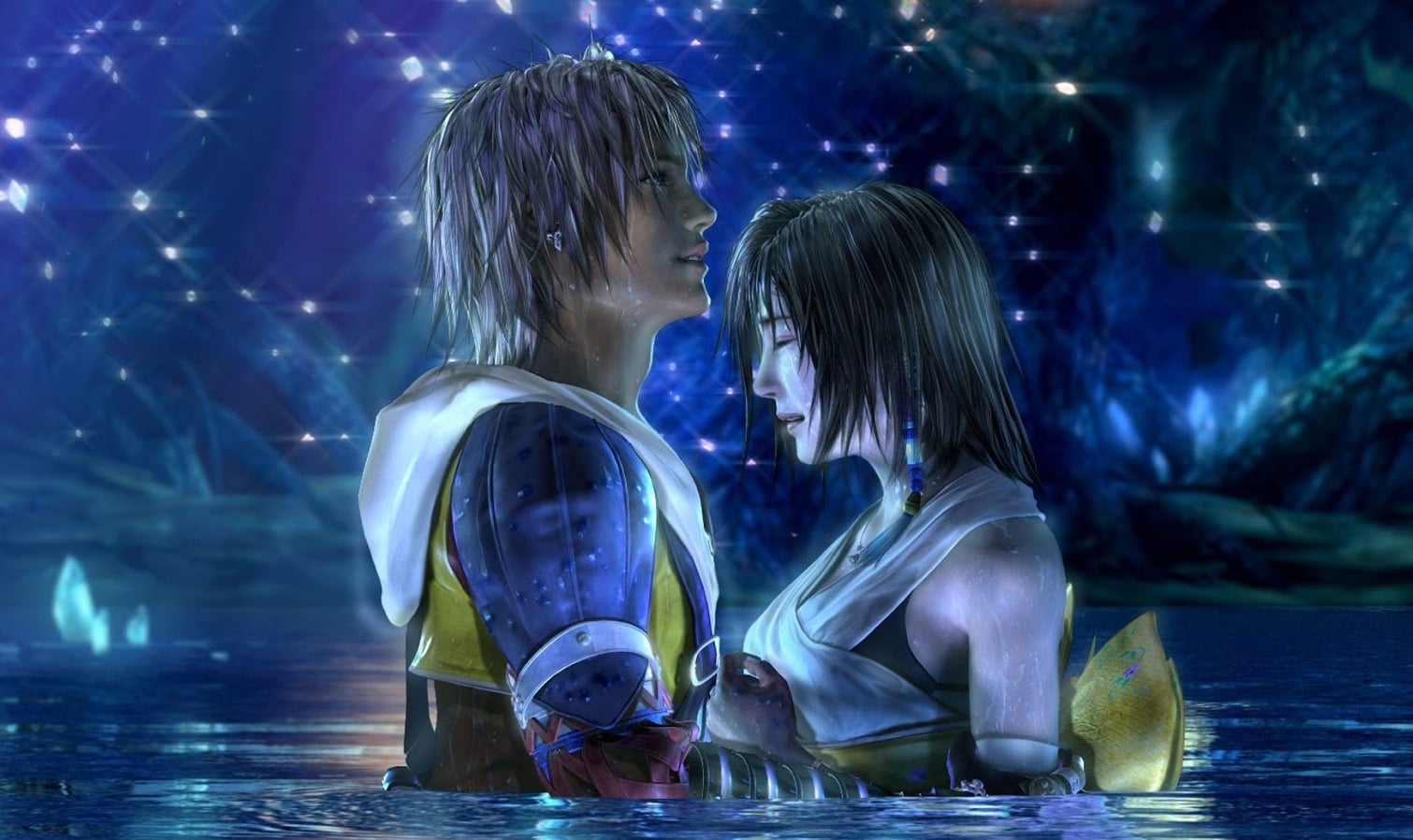
Summary:
Final Fantasy X producer Yoshinori Kitase told Game Informer that, during development, the team worked under the assumption the title might be their last single-player RPG because the industry seemed to be heading toward online experiences. That mindset pushed the team to polish characters, storytelling, and systems so the game would stand on its own as a lasting single-player experience. The game’s 25th anniversary and the recent release of the Final Fantasy X/X-2 HD Remaster on Nintendo Switch 2 have brought fresh attention to how those design decisions still resonate today. NintendoReporters explores what Kitase’s comments reveal about priorities, legacy, and the remaster’s role for modern Nintendo fans.
Why Kitase Thought Online Could Become the Dominant Future
Back when Final Fantasy X was being made, Square and other studios were experimenting with online services and massively multiplayer ideas, and Kitase remembers that feeling of an industry pivot. That belief wasn’t just rumor – the company publicly showcased Final Fantasy XI and PlayOnline, which sent a clear message inside development teams: online might be where players go next. For the FFX team, that meant working with a sense of urgency and care, because they couldn’t assume single-player JRPGs would be the safe, evergreen path. When a studio thinks a genre could fade, priorities change – narrative sequences get extra polish, character arcs become sharper, and systems aim to be satisfying in isolation, not reliant on future updates or community-based content.
How That Mindset Shaped Final Fantasy X’s Development Choices
Operating under the possibility that FFX might be the team’s last single-player RPG forced a tight focus on what makes solo RPGs memorable: emotional characters, strong pacing, and mechanical clarity. Instead of sprinkling content that required an online ecosystem, the team concentrated on standalone moments that would land no matter how players consumed the game. That shows in the game’s cinematic scenes, voicework, and the careful balance of side activities like blitzball and sphere hunting. Developers treated each scene like a self-contained theatrical beat, and the systems were tuned so the story and character progression felt satisfying without any online scaffolding. In short, the team aimed to build something with staying power even if the industry moved on.
Story and Character Focus
Tidus, Yuna, Auron, and the rest of the cast were given more than one-dimensional roles; they were written to create emotional beats that still land decades later. The team put time into scripting scenes with distinct emotional arcs and crafted pacing so players could feel the highs and lows without being forced into an online loop. That investment meant more nuanced dialogue, memorable set pieces, and scenes designed to be replayed. Even the soundtrack and voicework were selected to reinforce those character moments, because when developers think something might be their last farewell to a format, they often lean into creating signature moments that linger. For players, that decision is why key scenes remain quotable and why the characters feel like people rather than stock archetypes.
Mechanical Choices and Design Priorities
Mechanically, the team made design decisions with clarity and accessibility in mind so the single-player loop would feel complete. Systems like the sphere grid, turn-based combat, and blitzball were crafted to be engaging on their own, rather than as hooks for online expansion. Balancing choices emphasized meaningful progression and clear rewards, which meant fewer obscure gating mechanics and more moments that rewarded experimentation. The emphasis on polished single-player systems also helped the game age well; modern players returning for the HD remaster still find the mechanics readable and satisfying. That kind of design mindset – do it right now, not later – often produces the most enduring gameplay experiences.
The Announcement of Final Fantasy XI and Industry Context
Final Fantasy XI was announced around the same time Final Fantasy X was still fresh in development, and that announcement served as a bellwether for many teams inside Square. It signalled investment in persistent worlds and multiplayer services, which were appealing for their potential revenue and social hooks. For single-player developers, that could feel threatening or liberating depending on perspective; in FFX’s case, it generated a protective instinct: build something unmistakably strong as a single-player tale. The moment was emblematic of the era – publishers were exploring online as a platform, and dev teams had to decide whether to pivot or perfect. Kitase’s comment helps explain why FFX turned out as a tightly written, highly polished single-player experience rather than a half-hearted step toward online integration.
Legacy – How Final Fantasy X Influenced Later Final Fantasy Titles
Even though the exclusively online future Kitase worried about didn’t fully take over, the decisions made during FFX’s production set a bar for narrative and character-driven RPG design within the series. The game’s emotional beats and cinematic presentation influenced storytelling approaches in later entries, while certain mechanical experiments informed how the studio balanced complexity and accessibility. The experience taught the team that investing in single-player quality could pay off across generations of hardware, which is part of the reason we get remasters and ports years later. Rather than being a swan song, FFX became a blueprint for crafting unforgettable character moments and designing single-player RPG systems that age gracefully.
Final Fantasy X/X-2 HD Remaster on Nintendo Switch 2 and Why It Matters
Square Enix released the Final Fantasy X/X-2 HD Remaster for modern platforms and specifically launched a Nintendo Switch 2 edition on July 23, 2026. That release brings the original games to Nintendo’s newer hardware with resolution improvements and quality-of-life options like high-speed mode and the ability to disable random encounters. For Nintendo fans the Switch 2 version is both a preservation project and a convenience: familiar assets are polished rather than overhauled, and longtime players can revisit Spira without hunting older consoles. The remaster highlights how the team’s original focus on standalone single-player experience translates directly to modern play – the story and mechanics still work when ported to new hardware, and options make the game friendlier for new audiences.
What This Release Means for Nintendo Fans
For players who prefer Nintendo ecosystems, the Switch 2 edition means easy access to a classic that shaped JRPG storytelling, and it keeps the experience portable for long sessions or quick check-ins. Whether you first played FFX on PlayStation 2 or you’re meeting Tidus and Yuna for the first time, the Nintendo Switch 2 release gives choice: play at native resolution on a TV or take Spira on the go. NintendoReporters covered the first Switch 2 gameplay reveal and noted the remaster’s fidelity to the established HD version while benefitting from the stronger hardware. For fans who track Nintendo platforms closely, this release is another example of how major JRPGs find new life on Nintendo hardware without losing their original identity – and it keeps conversations about design and legacy alive in the community.
Conclusion
Yoshinori Kitase’s admission that the FFX team worked under the assumption it could be their last single-player RPG helps explain the game’s meticulous focus on characters, pacing, and systems. That mindset produced a title that survived generational shifts and now appears on Nintendo Switch 2 in a refreshed HD remaster. The release underscores that careful single-player design still matters, and it gives both returning fans and newcomers a polished window into Spira. For anyone curious how industry expectations shape design choices, Kitase’s comments and the Switch 2 remaster together make for a clear, entertaining example of how a team protects its legacy when the future feels uncertain.
FAQs
- Did Yoshinori Kitase really say Final Fantasy X might be their last single-player RPG?
- Yes. Kitase told Game Informer that the team worked under the assumption FFX could be their last single-player RPG because of the industry’s focus on online services at the time.
- What did that assumption change about the game’s development?
- The team doubled down on narrative, character beats, and standalone systems to ensure the single-player experience felt complete and lasting without reliance on online features.
- Is the Nintendo Switch 2 version a full remake?
- No. The Nintendo Switch 2 edition is an HD remaster that improves resolution and adds quality-of-life features rather than rebuilding the game from scratch.
- When did the Switch 2 remaster launch?
- Square Enix released the Nintendo Switch 2 download edition on July 23, 2026, with a physical package edition following in some regions.
- Why does this story matter to Nintendo fans?
- It shows how single-player RPGs built with care can remain relevant across hardware generations, and the Switch 2 release lets Nintendo players experience that legacy firsthand.
Sources
- Reflections of Spira, Game Informer, August 25, 2026
- Nintendo Switch 2 版『FINAL FANTASY X/X-2 HD Remaster』発売日決定・予約開始のお知らせ, FINAL FANTASY PORTAL SITE, June 9, 2026
- Final Fantasy X | X-2 HD Remaster coming to Switch 2 on July 23, Gematsu, June 9, 2026
- Final Fantasy X Nintendo Switch 2 Gameplay Reveals Upgraded Spira, NintendoReporters, July 26, 2026