














Summary:
Final Fantasy XIV is heading to Nintendo Switch 2 in August 2026, and Square Enix is already setting expectations for how the MMO will run on Nintendo’s new hybrid system. Producer and director Naoki Yoshida, better known to players as Yoshi-P, has acknowledged that the Switch 2 version is still being optimized, especially in busier areas where many characters appear on screen at once. That means crowded towns may show some framerate dips, which shouldn’t shock anyone who has ever watched a packed MMO hub turn into a magical slideshow on less powerful hardware. Still, Yoshida’s comments give players a clearer picture of the experience: the team is aiming for stable 30fps performance, with Duty-based activities expected to hold up better than densely populated town spaces. The Switch 2 version also stands out because it supports different play styles, including handheld mode, docked mode, and mouse controls. For a game built around long quests, social hubs, dungeons, raids, crafting, and daily routines, that flexibility could make the Nintendo release especially appealing. Rather than pretending every corner of Eorzea will run perfectly, Square Enix appears to be taking a practical approach: be upfront, keep optimizing, and let players choose the way they want to play.
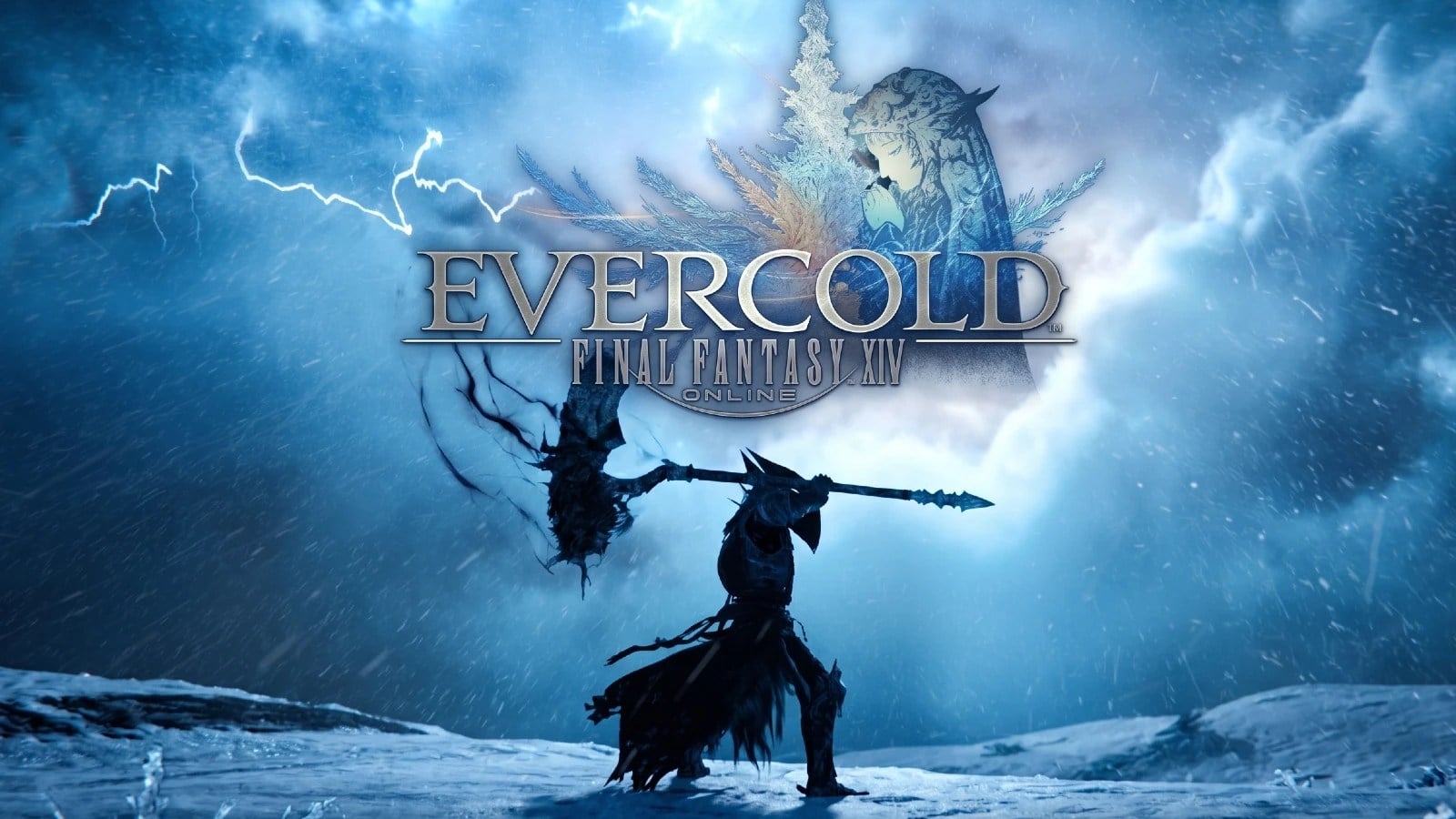
Final Fantasy XIV is officially coming to Nintendo Switch 2
Final Fantasy XIV is finally making its way to Nintendo Switch 2, giving Nintendo players a chance to step into one of Square Enix’s biggest ongoing worlds without needing a PC, PlayStation, or Xbox system. The Nintendo Switch 2 release is currently set for August 2026, which places the MMO firmly among the major third-party releases helping shape the system’s early library. For a game that has grown through years of expansions, updates, community events, and emotional storytelling, this arrival feels like more than a simple port. It gives the Nintendo audience direct access to Eorzea’s long-running adventure, complete with the social energy that makes an MMO feel alive.
Why the Switch 2 version matters for MMO players
Bringing Final Fantasy XIV to Nintendo Switch 2 matters because the system’s hybrid design changes how players might fit an MMO into their day. MMOs are often associated with desk setups, long sessions, and a full keyboard nearby, but Switch 2 opens the door to something more flexible. A player could handle crafting, gathering, questing, or casual activities in handheld mode, then dock the system for larger battles or longer sessions. That kind of freedom fits Final Fantasy XIV surprisingly well, because the game isn’t only about raids and boss fights. It’s also about daily routines, checking in with friends, tweaking glamour plates, and wandering around like you definitely had a plan before getting distracted by a cute minion.
Yoshi-P addresses performance with rare honesty
Naoki Yoshida has been direct about the performance target for Final Fantasy XIV on Nintendo Switch 2, and that honesty helps set realistic expectations before launch. Instead of promising a flawless technical experience, he explained that the team is still working hard on optimization and trying to get the best possible performance out of the hardware. That matters because Final Fantasy XIV is not a small, closed-off adventure with predictable scenes. It is a live MMO filled with other players, spell effects, mounts, pets, decorations, weather, and busy environments that can push hardware in different ways depending on where you are and what is happening on screen.
Town areas may show the clearest framerate dips
The biggest performance challenge appears to be crowded town areas, which makes a lot of sense for anyone familiar with Final Fantasy XIV. Places like Limsa Lominsa, Gridania, Ul’dah, and other social hubs can become packed with players, mounts, outfits, effects, and idle characters standing in the exact spot you need to click. Yoshida noted that towns may show lower framerates because so many players are rendered on screen at once. That kind of situation is naturally tougher than a structured dungeon or smaller battle arena, because the system has to juggle a large number of character models, animations, gear combinations, and background activity all at the same time.
Duty-based play should feel more stable
While crowded towns may be more demanding, Duty-based activities sound like a safer bet for steady performance. Duties usually take place in controlled environments with a fixed party size, a clearer arena layout, and fewer unpredictable player models than a busy city hub. That gives the Switch 2 version a better chance of holding its target when players are running dungeons, trials, raids, or other structured activities. This distinction is important because many players care most about how the game feels during combat. A social hub dipping slightly is one thing, but a boss fight needs to feel responsive when mechanics start flying across the screen like fireworks at a very angry parade.
The 30fps target gives Switch 2 players a clear expectation
Yoshida’s mention of stable 30 frames per second gives players a concrete baseline for what Square Enix is aiming to deliver on Nintendo Switch 2. Some players may naturally hope for higher framerates, especially if they’re used to PC or newer console versions, but a stable 30fps target can still work well for an MMO if input response, pacing, and visual clarity are handled properly. Final Fantasy XIV’s combat is built around global cooldown timing, positioning, and readable mechanics rather than twitch-style reactions every fraction of a second. Stability matters more than a number that jumps around wildly, because uneven performance can make even simple mechanics feel awkward.
Handheld and docked play make the port more flexible
The Switch 2 version has one obvious advantage that other platforms don’t quite match in the same way: players can choose between handheld and docked play depending on the situation. That could make everyday Final Fantasy XIV routines feel easier to manage. A quick handheld session might be perfect for checking retainers, doing crafting tasks, or completing smaller quests, while docked play could be better for duties, longer story sequences, or social events with friends. This flexibility is one of the reasons the port is so interesting. It doesn’t need to replace other versions for every player. It can become the version that fits into the gaps of real life.
Mouse controls could change how players approach the MMO
Mouse control support is another detail that could make Final Fantasy XIV on Nintendo Switch 2 feel more comfortable than some players might expect. MMOs often involve menus, hotbars, inventory management, map navigation, chat windows, and party lists, which can all become fiddly when a game is adapted to a controller-only setup. Final Fantasy XIV already has strong controller support, but mouse input gives players another option, especially for menu-heavy moments or more traditional MMO habits. For players who enjoy the precision of pointing, clicking, and dragging, this could make the Switch 2 version feel less like a compromise and more like a smart hybrid setup.
Optimization work remains central before release
Square Enix still has time to keep polishing the Switch 2 version before its August 2026 release, and optimization will likely remain one of the biggest priorities. Live MMOs are tricky because performance is not only about one beautiful scene or one scripted encounter. The game needs to hold up across busy hubs, old areas, new areas, duties, cutscenes, weather effects, UI layers, network activity, and years of layered systems. That is a lot of moving parts. It’s like trying to tune an orchestra where half the musicians are riding chocobos and the drummer just queued for a roulette. The goal is not just visual quality, but consistency across the many ways people actually play.
What this means for existing Final Fantasy XIV players
Existing Final Fantasy XIV players may look at the Switch 2 version as a convenient extra way to access the game, especially if they already play across multiple platforms. The appeal is easy to understand: being able to continue quests, manage smaller tasks, or play casually away from a desk could make the MMO feel more accessible. However, players who are used to high-end PC performance should expect a different technical profile. The Switch 2 version appears to be built around practicality, portability, and flexibility rather than chasing the highest possible visual settings. For some players, that trade-off will be more than worth it.
What newcomers should expect from the Switch 2 version
For newcomers, Final Fantasy XIV on Nintendo Switch 2 could be an inviting starting point, especially because the system’s play styles make the MMO easier to approach. The game has a huge amount to do, from story quests and dungeons to crafting, gathering, housing, fashion, social events, and side activities that can happily steal an entire evening. New players should understand that Final Fantasy XIV is not a tiny game you casually finish over a weekend. It’s a long-running world with years of storytelling and systems behind it. That may sound intimidating, but it also means there is plenty of room to find your own rhythm.
The real test will be everyday play
The most important question is not whether Final Fantasy XIV can run on Nintendo Switch 2 in a controlled demo, but how it feels across normal daily use. Players will want to know how quickly it loads, how stable it feels in crowded areas, how readable the UI is in handheld mode, and how smoothly it handles common MMO routines. Stable Duty performance is encouraging, but the full experience includes much more than combat. A good Switch 2 version needs to make everything from inventory management to map travel feel comfortable. That everyday flow will decide whether players treat it as a novelty or a regular way to play.
Final thoughts on Final Fantasy XIV’s Switch 2 future
Final Fantasy XIV coming to Nintendo Switch 2 is a major step for Square Enix’s MMO, especially because it brings Eorzea to a platform built around player choice. Yoshida’s comments make it clear that the port is still being optimized and that crowded towns may not always run as smoothly as more controlled activities. Even so, the stable 30fps target, Duty-focused confidence, handheld support, docked play, and mouse controls paint a promising picture. The Switch 2 version does not need to be the most powerful version to be worthwhile. It needs to be comfortable, reliable, and flexible enough to let players enjoy Eorzea wherever the system fits best.
Conclusion
Final Fantasy XIV on Nintendo Switch 2 sounds like a practical and exciting addition to the platform’s growing library, even with the performance caveats that Yoshida has already acknowledged. Crowded towns may show framerate dips, but Square Enix appears confident that structured Duty play can remain stable around the 30fps target. That balance is important because players deserve a clear idea of what they’re getting before they log in, create a character, and suddenly lose three hours deciding on hairstyle options. With handheld play, docked mode, and mouse controls, the Switch 2 version could become a flexible way to experience one of gaming’s most beloved online worlds.
FAQs
- When is Final Fantasy XIV coming to Nintendo Switch 2?
- Final Fantasy XIV is scheduled to launch on Nintendo Switch 2 in August 2026. Square Enix has confirmed the release window through official Final Fantasy XIV channels, making it one of the notable MMO releases planned for the platform.
- Will Final Fantasy XIV run at 60fps on Nintendo Switch 2?
- Yoshi-P has discussed a stable 30fps target for the Nintendo Switch 2 version. Based on his comments, players should expect the team to prioritize stability, especially during Duty-based activities, rather than assume a 60fps target across the full game.
- Why might towns have framerate drops on Switch 2?
- Town areas can place a heavier load on the system because they often render many players, gear sets, mounts, pets, effects, and animations at once. Yoshida specifically noted that crowded towns may show lower framerates because so many player characters can appear on screen.
- Will Duties perform better than towns on Nintendo Switch 2?
- Yoshida’s comments suggest that Duty-based activities should be less concerning from a performance standpoint. Duties are usually more controlled than major cities, with fixed party sizes and fewer unpredictable characters on screen, which should help the Switch 2 version maintain steadier performance.
- Can Final Fantasy XIV on Switch 2 be played handheld and docked?
- Yes, the Nintendo Switch 2 version supports the system’s flexible play styles, including handheld and docked play. Yoshida also referenced mouse controls, giving players more freedom to choose the setup that feels most comfortable for quests, duties, menus, and everyday MMO routines.
Sources
- Announcing FINAL FANTASY XIV for Nintendo Switch 2!, The Lodestone, April 24, 2026
- Final Fantasy XIV Online For Switch 2 Able To Reach 30fps In A Stable State, Nintendo Life, April 26, 2026
- Yoshi P: Final Fantasy XIV on Switch 2 has some framerate issues, but you don’t have to be concerned, My Nintendo News, April 25, 2026
- It’s Happening: Final Fantasy XIV Is Coming To Switch 2 This August, Nintendo Life, April 25, 2026