



Summary:
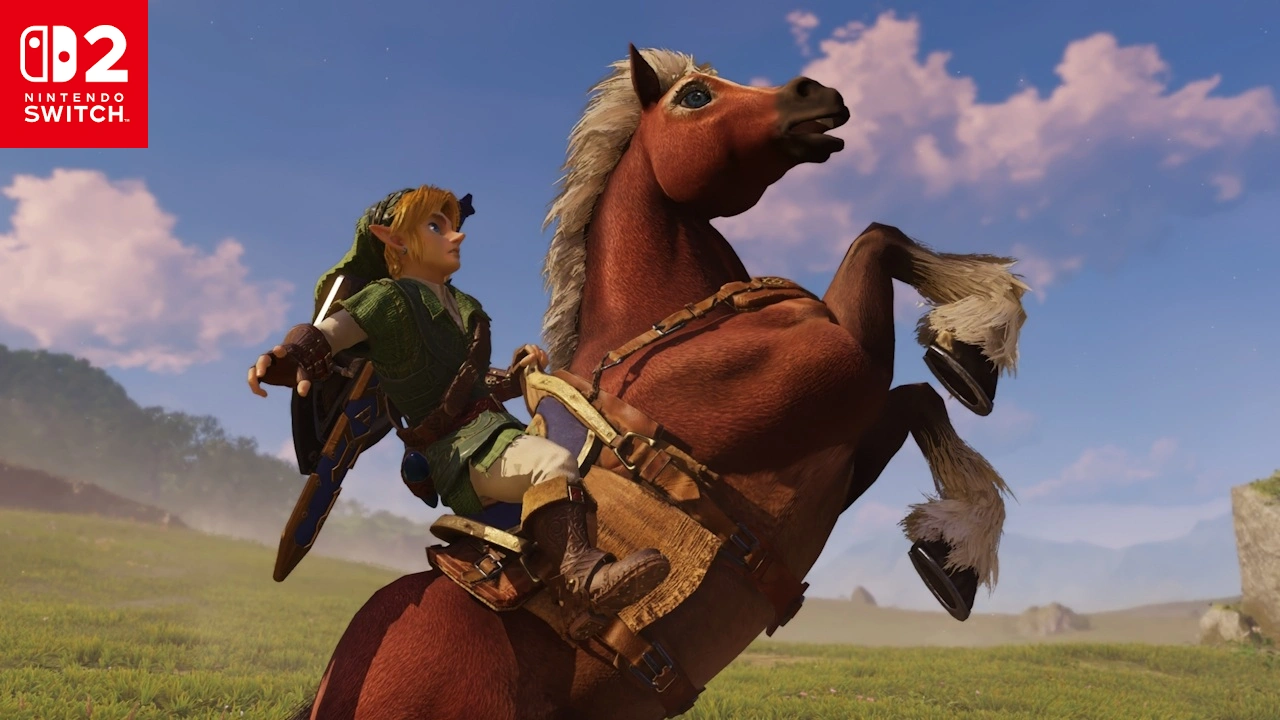
The Legend of Zelda: Ocarina of Time remake finally names the English voice cast behind the Switch 2 edition, bringing familiar industry talent to Hyrule’s reimagined cutscenes. This announcement confirms several high-profile performers and a mix of returning and new voices, including Matt Mercer as Ganondorf and Erica Mendez as Princess Zelda. The remake keeps Link silent while expanding dialogue for many characters and adding orchestral music and other modern touches. If you want to know who voices Navi, the Great Deku Tree, the Sages and more, or how these choices shape the game’s tone, this breakdown covers the cast highlights, what voiced cutscenes mean for fans, where to hear samples before launch, and how NintendoReporters is tracking community reaction.
Voice Cast Revealed: Who’s Speaking in the The Legend of Zelda Ocarina of Time Remake?
Nintendo has moved one of the biggest silent-era mysteries to the spotlight by including full voiced cutscenes in the Ocarina of Time remake, and English voice credits have now surfaced in official materials and credible reports. This change is more than cosmetic – hearing Zelda, Saria, Ruto, Darunia, Impa and even Ganondorf speak gives scenes an emotional weight and clarity that the N64 text boxes left to your imagination. That said, Link remains the exception – he still communicates with yelps and grunts instead of spoken lines, preserving his role as the hero you project onto. For anyone excited about the Switch 2 release, these casting details help set expectations for tone, familiarity, and how nostalgia meets new performances. For more on the hardware the remake targets, check out Nintendo Switch 2.
Full English Voice Cast List
Below is the roster now attributed to the remake in English-language credits and reliable reporting. These names reflect the cast you will hear in major cutscenes – voice support roles are listed as crew where applicable. The list includes Navi, Zelda/Sheik, Ganondorf, the Great Deku Tree, Saria, Kaepora/Rauru, Impa, Darunia, Ruto, Deku Tree Sprout, Nabooru, Kotake/Koume, and several voice support performers. Seeing a full cast lets you match familiar vocal styles to characters you remember from 1998, and it also points to how Nintendo and the localization team balanced returning talent with fresh choices for this reimagining. Fans who follow actors’ careers will spot common names from modern game and anime dubs across the board.
Standout Performances and Returning Actors
One of the most-talked-about confirmations is Matt Mercer returning to voice Ganondorf after his performance in Tears of the Kingdom, which gives the villain a continuity that a lot of fans find comforting. That kind of casting signals Nintendo’s willingness to keep voice identities consistent across titles when it works, and it can be a smart way to make the remake feel connected to recent entries. Meanwhile, Erica Mendez takes on Princess Zelda – a fresh but experienced choice who brings a wide range of video game and anime credits. The cast lists also include veterans like Richard Epcar and recognizable talent in support roles, so the performances overall look set to balance gravitas and charm across Hyrule’s ensemble.
Notable Talent – Where You Might Know Them From
Curious where these voices have shown up before? Many of the cast have established credits in games, anime, and western animation. Matt Mercer is well known from Critical Role and several major game franchises, while Erica Mendez has voiced characters in popular Fire Emblem entries and anime dubs. Richard Epcar is a veteran who has voiced major roles in Kingdom Hearts and many action franchises. Other cast members bring experience from modern anime localizations and AAA games, which matters because voice direction for cinematic cutscenes benefits from actors who can deliver nuanced, emotive takes quickly. If you follow voice actors across media, the credits in this remake will read like a cross-section of today’s top English dubbing talent.
How Voice Work Changes Cutscenes and Player Experience
Adding spoken lines creates a different rhythm for storytelling – cutscenes gain pacing, character beats land with vocal inflection, and emotional moments become more direct. That does not automatically rewrite the original story; Nintendo’s materials show the remake keeps the classic plot while expanding dialogue in places to clarify motivations or add small connective tissues between scenes. From a gameplay point of view, voiced cutscenes can make pacing feel smoother because players listen instead of reading, and directors can use voice performance to hint at mood, backstory, or unspoken relationships. The risk, of course, is that hearing a character for the first time changes how you remember them. For many players that will be an exciting evolution, for others it might take getting used to – but it undeniably modernizes the presentation.
Link’s Silence and Character Identity
Keeping Link silent while the rest of Hyrule speaks is a deliberate choice that preserves a core part of the Zelda experience: Link as the avatar for the player. Even with more fully voiced scenes, Link’s limited vocalizations – grunts, shouts and effort sounds – let players keep projecting themselves onto him. The balance Nintendo struck here keeps the character accessible to newcomers while respecting long-term fans who built personal memories around the hero’s silence. This design also avoids shoehorning a distinct spoken personality onto Link, which can change how players interact with cutscenes and how they empathize with the story. In short, voices expand the world but Link’s silence keeps the player at the center of the journey.
What This Means for Longtime Fans and New Players
If you loved the N64 original, expect a mixture of nostalgia and surprise – the remake preserves the bones of the story but dresses a lot of scenes with new audio and dialogue that can reshape emotional beats. New players will likely appreciate clearer narrative cues and the added expressiveness actors provide. Either way, hearing familiar characters speak for the first time will be a meaningful moment: some lines will match how you remembered a character sounding, others will feel novel. Community reaction tends to be loud and immediate when a franchise alters its presentation, so NintendoReporters will keep an eye on fan impressions, highlight standout moments, and point to interviews and developer notes that explain why certain choices were made.
Where to Hear the Voices Before You Play
Nintendo has released trailers and developer videos that include samples of the new voiced cutscenes, so your first listen is likely to come from official footage and the developer Ask the Developer series. Coverage and previews from outlets also describe which characters speak in trailers and what the tone of those performances feels like. If you want the clearest, official perspective on how voice was used during development, Nintendo’s own developer posts and the overview trailers are the best places to start. You can also follow our ongoing coverage and discussion at NintendoReporters and explore more on our hub page for everything Nintendo at 100% Nintendo for & by Nintendo fans!.
Conclusion
The English voice cast reveal for the Ocarina of Time remake marks a shift in how classic Nintendo stories are presented – and it’s a shift that blends familiar talent with new performances to bring Hyrule’s characters to life. With spoken cutscenes, orchestral music, and modern presentation on the Switch 2, the remake is both an homage and an update. Whether you’re a longtime fan curious about casting choices or a new player eager to hear the world speak, the cast list gives you concrete names to connect to the voices you’ll hear. Keep an ear out for trailers and developer clips as launch approaches, and expect a lively fan response once players hear the full performances.
FAQs
- Who are the main English voice actors in the Ocarina of Time remake?
- The English cast includes names such as Lisa Reimold as Navi, Erica Mendez as Zelda/Sheik, Matt Mercer as Ganondorf, Richard Epcar as the Great Deku Tree, and others filling key Sage and support roles.
- Does Link have spoken dialogue in the remake?
- No. Link remains without full spoken lines; he still uses shouts and grunts while cutscenes for other characters are voiced.
- Are these cast lists official from Nintendo?
- Some names and full credits have appeared in game materials and trusted reporting, but developer materials and official credits are the definitive source. Nintendo’s developer posts confirm voiced cutscenes and expanded dialogue.
- Where can I hear samples before the game’s release?
- Official trailers, the Zelda 40th Anniversary Direct, and Nintendo’s Ask the Developer videos include voice samples and are the first places to listen to the performances.
- Will the original N64 audio be available as an option?
- Nintendo has described the remake’s score as symphonic orchestral and confirmed voiced cutscenes, but an option to switch to original N64 audio has not been confirmed in official materials.
Sources
- The Legend of Zelda: Ocarina of Time remake – All voice actors and full cast list, Destructoid, Nov 4, 2026
- Ask the Developer Vol. 24, The Legend of Zelda: Ocarina of Time – Chapter 4, Nintendo UK, November 3, 2026
- Zelda Ocarina of Time Remake: Voiced Cutscenes and Soundtrack Explained, New Game Wire, October 25, 2026
- Ocarina of Time Remake FAQ: Voice Acting, Original Audio, and Platform Availability, iTechGuides, October 16, 2026