














Summary:
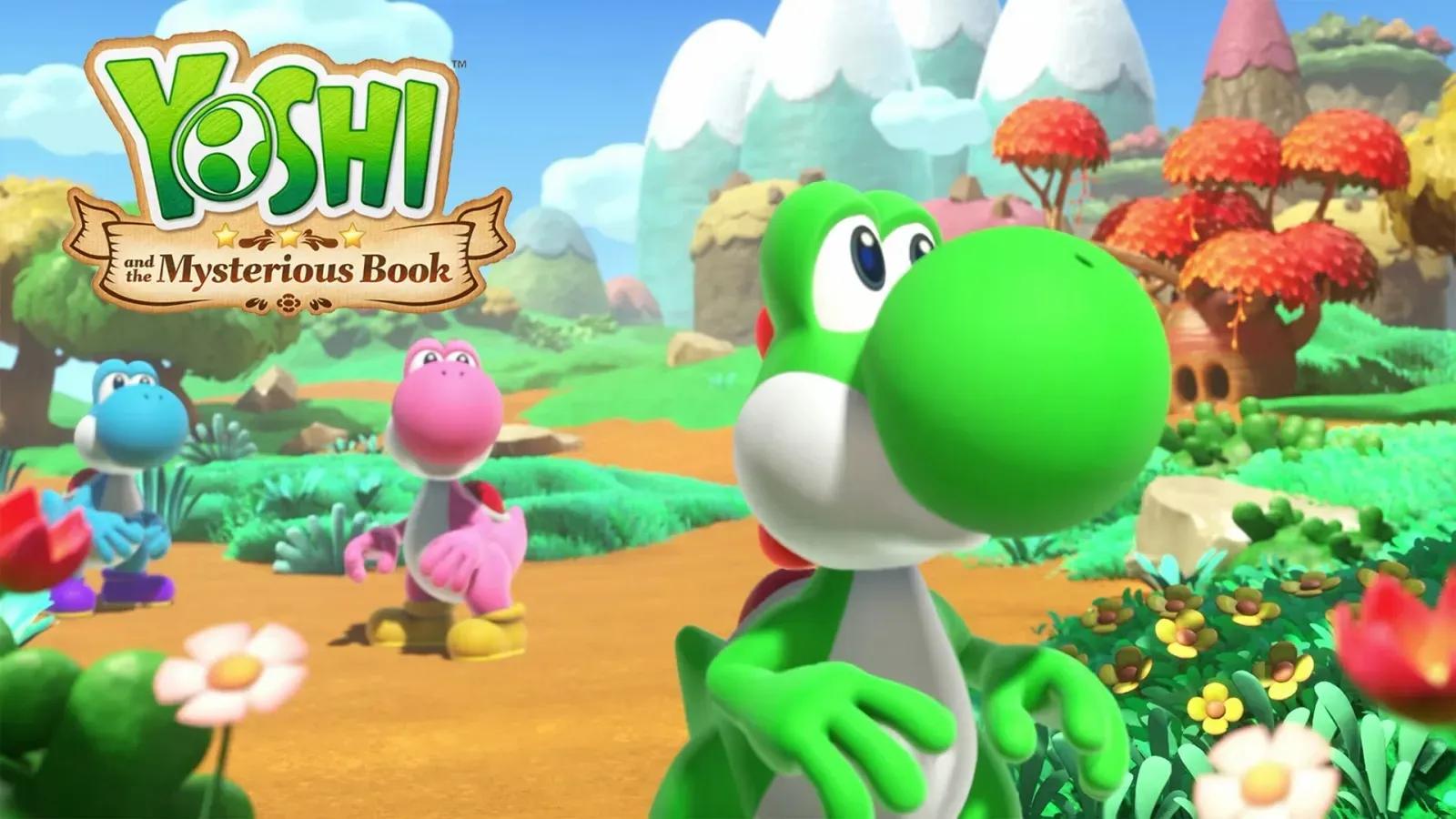
Yoshi and the Mysterious Book has finally answered one of the quieter but surprisingly important questions surrounding Nintendo’s latest Switch 2 exclusive: who actually made it? With review coverage now appearing and the in-game credits revealing the studio behind the project, Good-Feel has been confirmed as the developer. For longtime Nintendo fans, that name carries plenty of weight. This is the same studio associated with Yoshi’s Woolly World, Kirby’s Epic Yarn, and Kirby’s Extra Epic Yarn, which makes the reveal feel less like a shock and more like a missing puzzle piece sliding neatly into place. Good-Feel has often worked best when Nintendo wants charm, softness, tactile visuals, and approachable play to sit at the heart of an experience. Yoshi and the Mysterious Book appears to follow that same playful spirit, leaning into storybook presentation, creature interaction, relaxed discovery, and a gentler style of platforming. The reveal also gives players more context for the early review conversation, which has pointed toward a game that favors imagination and exploration over tough precision challenges. For Switch 2 owners, this confirmation helps frame the new Yoshi adventure as another chapter in Good-Feel’s long-running relationship with Nintendo’s most whimsical side.
Yoshi and the Mysterious Book finally reveals its developer
The mystery around Yoshi and the Mysterious Book has finally cracked open, and the answer is exactly the kind of reveal that makes longtime Nintendo fans nod knowingly. Good-Feel is the studio behind the new Switch 2 adventure, with the confirmation coming through the game’s credits as reviews began appearing ahead of release. Nintendo had not made the developer the loudest part of the game’s marketing, so the reveal arrived with a small burst of detective energy from fans and outlets watching closely. It is a funny little situation, really. A game with “Mysterious” in the title ended up keeping its own development team tucked away until the credits started doing the talking.
Good-Feel’s return makes sense for Yoshi fans
Good-Feel being attached to Yoshi and the Mysterious Book feels natural because the studio has already left a clear fingerprint on Yoshi’s modern identity. Yoshi’s Woolly World remains one of the most recognizable examples of how Good-Feel can turn familiar Nintendo characters into something that feels handcrafted, warm, and inviting. The studio does not usually chase sharp edges or gritty spectacle. It builds worlds that look like they were stitched, folded, painted, or carefully placed on a child’s craft table. That approach fits Yoshi like a perfectly sized saddle, because the character has always worked best when joy, curiosity, and color lead the way.
Good-Feel’s history with Nintendo gives the reveal extra weight
Good-Feel has spent years working with Nintendo on games that put texture and personality right at the center. Kirby’s Epic Yarn became known for its fabric-like world and gentle feel, while Kirby’s Extra Epic Yarn brought that same creative identity to another platform. Yoshi’s Woolly World followed a similar philosophy, transforming Yoshi’s familiar moves into a world built from yarn, buttons, soft materials, and playful visual tricks. That history matters here because Yoshi and the Mysterious Book also appears to value atmosphere as much as action. When a studio has repeatedly shown it understands Nintendo’s softer characters, its name in the credits becomes more than a production detail.
Why the credits reveal matters more than it first appears
Developer reveals can sometimes feel like background trivia, but in this case, it helps explain what kind of experience players should expect. Good-Feel’s involvement gives Yoshi and the Mysterious Book a clearer creative lineage, especially for anyone who remembers the cozy rhythm of Yoshi’s Woolly World or the tactile charm of Kirby’s Epic Yarn. It suggests that Nintendo wanted a team comfortable with expressive worlds, approachable mechanics, and playful experimentation. That does not mean every player will love the final result, of course. Taste is taste. Some people want a spicy platforming curry, while others are perfectly happy with a warm bowl of comfort food.
Good-Feel brings a recognizable design language to Yoshi
Good-Feel’s design language often feels like an invitation rather than a test. Instead of pushing players toward constant danger, its games tend to encourage poking around, noticing details, and interacting with the world just to see what happens. That matters for Yoshi and the Mysterious Book, which has been described as a gentler, discovery-driven adventure built around exploring the pages of a living book. Yoshi can still jump, flutter, use his tongue, and throw eggs, but the surrounding structure appears to place more value on curiosity than pure platforming pressure. It is the kind of design where the reward is often a smile before it is a score.
How Good-Feel’s past shaped expectations
Once Good-Feel’s name surfaced, the connection to past Yoshi projects became impossible to ignore. Yoshi’s Woolly World helped define what many fans now expect from a modern Yoshi game: bright worlds, gentle movement, collectible hunting, hidden surprises, and a visual identity that feels distinct from Mario’s mainline adventures. Good-Feel knows how to take a familiar mascot and wrap that character in a world with its own toy-box logic. That is important because Yoshi is not Mario with a different coat of paint. Yoshi has his own rhythm, one that works best when movement feels breezy and the world itself becomes part of the toy.
The studio’s softer approach can divide players
Good-Feel’s strengths can also be the reason some players bounce off its work. A relaxed adventure can feel charming to one person and too light to another. If someone enters Yoshi and the Mysterious Book expecting demanding platforming, harsh hazards, and constant mechanical pressure, the game may not line up with that appetite. But for players who enjoy discovery, visual charm, and a sense of gentle experimentation, that same softness can be the whole point. Not every Nintendo game needs to feel like climbing a mountain in roller skates. Sometimes the pleasure comes from wandering through a picture book and seeing what wiggles.
Yoshi’s softer side remains a key part of the appeal
Yoshi has always occupied a special corner of Nintendo’s world. He is recognizable, friendly, expressive, and instantly readable, which makes him a perfect fit for games built around curiosity rather than confrontation. Yoshi and the Mysterious Book leans into that side of the character by placing him inside a living book filled with strange creatures and interactive environments. That setup gives the adventure a natural sense of wonder. You are not just racing toward the end of a stage. You are learning how the world behaves, how its creatures react, and how Yoshi’s familiar abilities can uncover small surprises. That is where the magic sits.
The storybook idea gives Yoshi a fresh frame
The living book concept gives the game a clear identity beyond simply being another colorful platformer. Mr. E, the talking book at the center of the setup, creates a playful reason for Yoshi to explore different pages and learn about unusual creatures. It is a clever frame because it makes discovery feel baked into the premise rather than added on top. Yoshi is not just collecting things because the game needs collectibles. He is helping fill in a strange world’s missing knowledge. That gives the adventure a sweet little purpose, like helping a forgetful library remember where it put all its imagination.
The review conversation is already forming
With reviews now appearing, the early conversation around Yoshi and the Mysterious Book seems to be centered on its unusual structure, relaxed difficulty, and heavy focus on experimentation. Some impressions have praised its creativity and sense of surprise, while others have been more reserved about its pacing and challenge. That split is not especially surprising for a Yoshi game. The series has long lived in a space where mood, collectability, and presentation matter just as much as mechanical difficulty. For some players, that is exactly the appeal. For others, it can feel like being served dessert when they were hoping for a full dinner.
Different reviews highlight different expectations
The review spread is interesting because it shows how much expectations shape the response to this kind of game. A player looking for a traditional platforming challenge may notice the lower difficulty first. A player looking for a relaxing world full of odd little interactions may notice the charm first. Both reactions can be fair, and both can exist at the same time. Yoshi and the Mysterious Book appears to be aiming for a particular mood rather than trying to satisfy every possible platformer fan. That makes Good-Feel’s involvement even more relevant, because the studio has always seemed comfortable making games with a specific emotional flavor.
What this means for Nintendo Switch 2 players
For Nintendo Switch 2 players, Good-Feel’s confirmed involvement helps position Yoshi and the Mysterious Book as a personality-driven exclusive rather than a mystery project with unknown creative roots. It tells players that this is coming from a team familiar with Nintendo’s character-led adventures and especially familiar with Yoshi’s softer, handcrafted appeal. That may help families, younger players, collectors, and longtime Yoshi fans understand what kind of experience is waiting. It also gives the Switch 2 library another first-party release with a very different tone from bigger, louder releases. A console library needs variety, and Yoshi brings the marshmallow-soft corner of the buffet.
The release gives Switch 2 another family-friendly showcase
Yoshi and the Mysterious Book arrives as a Switch 2 exclusive, which gives Nintendo another chance to show how its new hardware can support games that are not only about scale, speed, or graphical spectacle. A charming platform adventure can be just as valuable for a system’s identity as a blockbuster action title. Nintendo has always understood that contrast. One moment, players may want big cinematic drama. The next, they may want a bright world where a green dinosaur solves creature puzzles inside a talking book. That range is part of Nintendo’s appeal, and Good-Feel fits neatly into that wider strategy.
Why Good-Feel still feels like the natural fit
Good-Feel’s confirmation is satisfying because it matches what many players already sensed from the game’s look and tone. The studio has a knack for making worlds feel handmade without making them feel small. It understands how to turn simple actions into playful discoveries, and it knows how to make familiar characters feel cozy without stripping away their personality. Yoshi and the Mysterious Book seems built on those exact instincts. The reveal may not change the game itself, but it changes the way we read it. Suddenly, its softer pace and tactile charm feel less accidental and more like the result of a studio doing what it does best.
The developer reveal closes one mystery while opening a bigger conversation
Now that Good-Feel’s role is confirmed, the bigger question becomes how players will respond to this particular version of Yoshi. The studio’s involvement brings history, expectation, and a clear creative signature, but the final judgment will depend on how much players connect with the game’s mix of exploration, charm, and relaxed challenge. That is the fun part. A developer name can provide context, but the real test happens when players start turning pages for themselves. If Yoshi and the Mysterious Book captures the same warmth that made Good-Feel’s earlier Nintendo work memorable, the credits reveal may become one of those details fans point back to with a grin.
Conclusion
Good-Feel being confirmed as the developer of Yoshi and the Mysterious Book gives Nintendo’s new Switch 2 adventure a clearer identity and a stronger connection to Yoshi’s modern history. The studio’s past work on Yoshi’s Woolly World, Kirby’s Epic Yarn, and Kirby’s Extra Epic Yarn helps explain why this new release appears so focused on charm, discovery, and a softer style of play. Reviews may vary depending on what each player wants from a Yoshi game, but the developer reveal makes one thing easier to understand: this is a Yoshi adventure built by a team that knows how to turn Nintendo’s gentlest ideas into something warm, playful, and memorable.
FAQs
- Who developed Yoshi and the Mysterious Book?
- Good-Feel has been confirmed as the developer behind Yoshi and the Mysterious Book, with the information surfacing through the game’s credits as reviews began appearing.
- Why is Good-Feel’s involvement important?
- Good-Feel has a long history with Nintendo’s softer, craft-inspired adventures, including Yoshi’s Woolly World and Kirby’s Epic Yarn, which makes the studio a natural fit for this new Yoshi release.
- Is Yoshi and the Mysterious Book a Nintendo Switch 2 game?
- Yes, Yoshi and the Mysterious Book is a Nintendo Switch 2 exclusive, giving the system another family-friendly release built around exploration, creature interaction, and storybook-style presentation.
- How does Yoshi and the Mysterious Book differ from traditional platformers?
- The game appears to focus less on difficult platforming and more on discovery, experimentation, and learning how creatures behave inside the pages of Mr. E, the mysterious talking book.
- What other games is Good-Feel known for?
- Good-Feel is known for games such as Yoshi’s Woolly World, Kirby’s Epic Yarn, and Kirby’s Extra Epic Yarn, all of which highlight the studio’s talent for playful, tactile, and approachable Nintendo adventures.
Sources
- Good Feel is the developer of Yoshi and the Mysterious Book, My Nintendo News, May 19, 2026
- Yoshi And The Mysterious Book Review, Nintendo Life, May 19, 2026
- Round Up: The Reviews Are In For Yoshi And The Mysterious Book, Nintendo Life, May 19, 2026
- Yoshi and the Mysterious Book Review: Don’t judge this by its cover, VGC, May 20, 2026
- Nintendo keeps finding new ways to reinvent platformers, The Verge, May 20, 2026