














Summary:
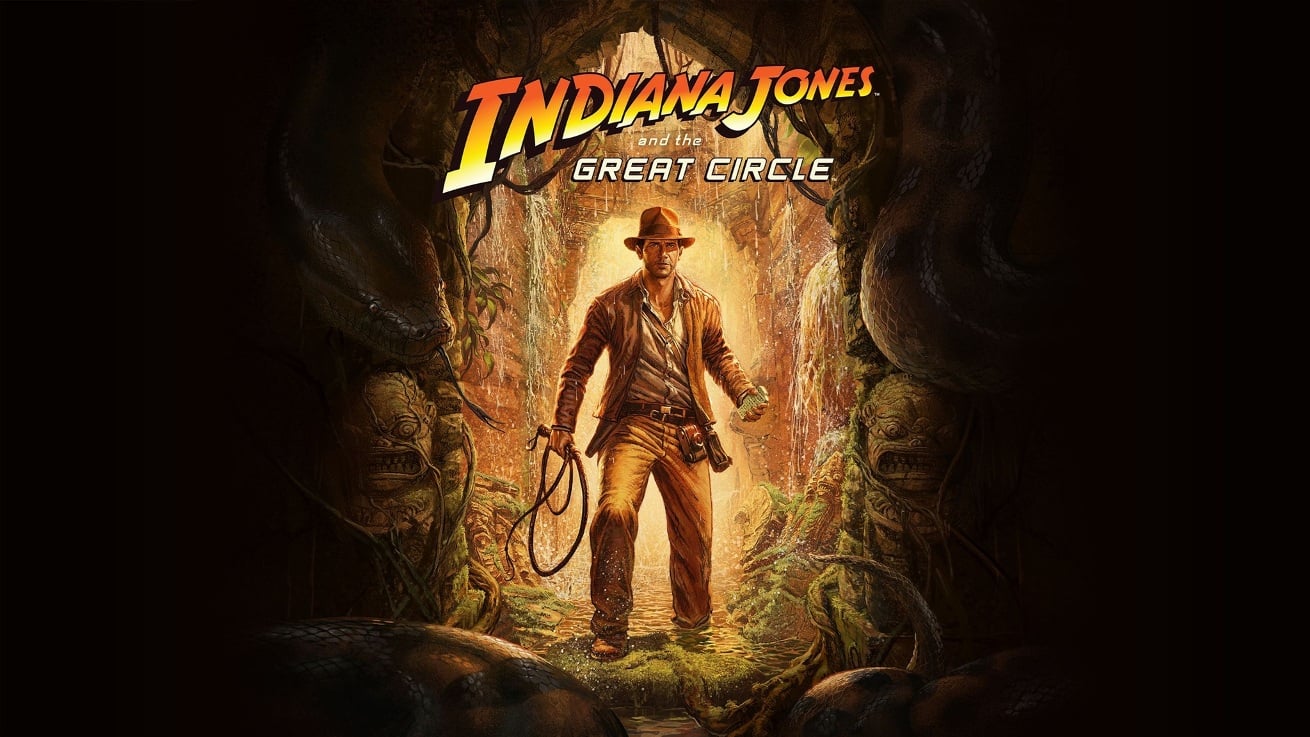
Indiana Jones and the Great Circle is set to land on Nintendo Switch 2 on May 12, 2026, and MachineGames has shared a clearer picture of what players can expect from this version. Creative director Axel Torvenius explained how the project began through Todd Howard’s original pitch to Lucasfilm Games, why MachineGames leaned into a mostly first-person structure, and how Troy Baker ultimately became the studio’s choice for Indy after an audition that reportedly captured the spirit of a younger Harrison Ford. The Switch 2 version is especially interesting because it aims to bring the same core adventure to Nintendo’s hybrid system while still respecting the realities of portable hardware. MachineGames says the game runs at a locked 30 FPS, targets 1080p while docked, and targets 720p in handheld mode. It uses dynamic native resolution, with DLSS stepping in when needed to help maintain the intended output. The team also highlighted unique Switch 2 features, including gyro motion controls and compatibility with the Joy-Con 2 mouse controller functionality. Perhaps most surprising is the physical release, as the team worked to fit the game onto a full Switch 2 cartridge. That alone makes this version stand out in a market where large third-party releases often lean heavily on digital downloads. For players who want Indy in a backpack, this version could be a very tempting expedition.
Indiana Jones and the Great Circle brings a blockbuster adventure to Nintendo Switch 2
Indiana Jones and the Great Circle is heading to Nintendo Switch 2 on May 12, 2026, and it arrives with the kind of baggage any famous archaeologist would understand: expectations, history, and a very recognizable hat. MachineGames is not just moving another big-name release onto a new platform. The studio is bringing a cinematic adventure built around one of the most familiar characters in film history to a system designed around both living-room play and portable sessions. That matters because Indiana Jones has always had a strong sense of motion. He runs through traps, punches his way out of trouble, sneaks through ancient spaces, and somehow still finds time to look mildly annoyed at every disaster around him. On Switch 2, that kind of adventure gains a simple but powerful hook. You can take it with you. A game about globetrotting suddenly fits into a train ride, a lunch break, or a quiet evening away from the TV.
MachineGames found the project through Todd Howard and Lucasfilm Games
MachineGames’ route into Indiana Jones began with Todd Howard, who had an original idea for an Indiana Jones game and brought that pitch to Lucasfilm Games with MachineGames in mind. That origin makes sense when you look at the studio’s strengths. MachineGames built a strong reputation through Wolfenstein, where it proved it could handle first-person action, character-driven scenes, and bold pulp energy without letting the whole thing collapse into noise. Indiana Jones needs that balance. He is not a silent action figure. He is charming, stubborn, often outmatched, and always one bad decision away from a collapsing temple. According to Axel Torvenius, the team at MachineGames was thrilled when the opportunity arrived, and the reaction inside the studio sounded less like a quiet business meeting and more like someone had discovered a golden idol in the break room. That excitement matters because licensed games live or die on tone. If the people making them do not understand why fans care, the cracks show quickly.
The project needed more than a familiar name
Taking on Indiana Jones is not as simple as putting a whip in the player’s hand and calling it a day. The character carries decades of audience memory, from dusty ruins and hidden artifacts to dry humor and desperate improvisation. MachineGames had to build something that felt like Indiana Jones without turning the experience into a museum exhibit. That is a tricky rope bridge to cross. Lean too hard on nostalgia and everything feels frozen in amber. Move too far away from the character’s roots and the name on the box starts to feel decorative. The studio’s answer appears to be a game that treats Indy as both an action hero and an investigator, someone who survives not because he is invincible, but because he is quick, curious, and just lucky enough to make it to the next room. That approach gives the Switch 2 version the same core identity as the other versions, rather than feeling like a smaller side expedition.
The first-person perspective was chosen to put players inside Indy’s boots
One of the most debated creative choices around Indiana Jones and the Great Circle has been its mostly first-person perspective. It is easy to understand why some fans were surprised. Indiana Jones is an icon partly because of how he looks and moves. The silhouette alone does half the work: fedora, jacket, whip, problem. Yet MachineGames decided early that first-person was the right fit. Torvenius explained that the goal was to put players directly into Indiana Jones’ shoes and let them see the world through his eyes. That choice lines up with the studio’s background, since MachineGames has spent years building first-person spaces where combat, exploration, and storytelling all happen from the player’s immediate viewpoint. It is a perspective that can make a crumbling tomb feel more personal. When a wall cracks, a guard turns the corner, or a puzzle mechanism clicks into place, it is not happening to a character over there. It is happening right in front of you.
First-person design changes how the adventure feels
First-person play can make an Indiana Jones adventure feel more tactile. You are not simply watching Indy reach for a ledge or examine an object. You are close to the texture of the stone, the glint of a clue, and the danger waiting in the next corridor. That kind of immediacy works well for a character who often survives by reacting quickly. It also helps sell the fantasy of being a capable but very human adventurer. Indy is not a superhero. He gets surprised, he gets cornered, and he often wins by grabbing whatever is nearby before the situation gets worse. First-person design can support that scrappy feeling because the player’s field of view becomes part of the tension. What can you see? What did you miss? What is making that sound behind you? It is the video game equivalent of reaching into a dusty satchel and hoping the useful thing is not under the sandwich.
Third-person moments still shape the cinematic identity
Although most gameplay is first-person, MachineGames did not erase the character from view. The studio uses third-person moments during traversal and platforming, which gives players a chance to see Indy in motion when his body language matters most. Cutscenes also remain third-person, giving the story room to show facial expressions, staging, and the familiar cinematic rhythm people expect from Indiana Jones. That blend is important because it keeps the first-person approach from feeling visually isolated. Players can inhabit the role during exploration and action, then step back during story moments to see Indy as a character with personality, history, and reactions. It is a neat compromise. You get the closeness of first-person play without losing the charm of watching Indiana Jones be Indiana Jones. After all, half the fun is seeing him look at a terrible situation and silently realize that yes, somehow, this is now his problem.
The camera approach gives MachineGames two useful tools
The split between first-person gameplay and third-person presentation gives MachineGames two different storytelling tools. First-person scenes can build tension, presence, and player identification. Third-person scenes can frame character moments, humor, and performance in a more traditional cinematic way. That matters for a game based on a film hero whose appeal depends on more than action. Indiana Jones is not only defined by what he does, but by how he reacts while doing it. A raised eyebrow, a grimace, or a tired glance can say as much as a line of dialogue. By keeping third-person sequences in the mix, the studio can preserve that expressive side while still using first-person play for immersion. It is a practical design choice, but it also feels thematically fitting. Indiana Jones stories have always balanced spectacle with intimacy, swinging between wide adventure and close-call panic in the space of a few seconds.
Troy Baker became Indiana Jones after a convincing audition
Casting Indiana Jones is a delicate job because the character is so closely tied to Harrison Ford. A new performance cannot simply imitate every familiar sound and gesture, but it also cannot ignore the voice audiences carry in their heads. MachineGames considered multiple performers before Troy Baker’s audition made the decision clear. Torvenius said Baker’s performance initially sounded so close to reference lines of a younger Harrison Ford that it caught him off guard. That is a strong endorsement, but the real challenge goes beyond vocal similarity. Indy needs dry wit, irritation, warmth, intelligence, and that slightly battered confidence of a man who has absolutely been punched before and will probably be punched again within the next ten minutes. Baker’s job is to make players believe in this version without pulling them out of the moment. In a first-person game, the voice becomes even more important because it helps define the character while players are seeing through his eyes.
Switch 2 development focused on preserving the full experience
MachineGames began work on the Nintendo Switch 2 version after the opportunity became available later in production. Torvenius framed the goal clearly: the studio wanted as many players as possible to experience the game, and that included bringing the full adventure to Nintendo’s newer hardware. That is the key phrase here. The Switch 2 version is not being positioned as a heavily altered companion release. MachineGames is presenting it as a proper version of Indiana Jones and the Great Circle, built to sit alongside the game on other platforms while embracing what Switch 2 can do differently. That does not mean the work was simple. Large, high-fidelity games are demanding, and adapting them for hybrid hardware requires plenty of technical problem-solving behind the scenes. Still, the studio’s messaging suggests the priority was preservation rather than reinvention. Players should expect the same adventure, not a tiny relic with the good parts chipped off.
That approach matters for third-party support on Switch 2
Big third-party releases on Nintendo hardware always attract extra attention because they show how publishers and developers view the platform. When a technically ambitious game arrives with a physical cartridge, clear performance targets, and platform-specific features, it sends a stronger signal than a bare-minimum release. Indiana Jones and the Great Circle could become one of those ports people point to when discussing what Switch 2 can handle. That does not mean every version of every large game will suddenly appear without compromise, of course. Hardware still has limits, and developers still have budgets, schedules, and priorities. But a polished release from MachineGames would help build confidence. For players, the equation is much simpler: does the adventure feel good to play, does it look sharp enough, and does it avoid the kind of compromises that make you feel like you picked the wrong platform? Those are the questions this version needs to answer.
Frame rate, resolution, and DLSS define the Switch 2 version
The confirmed technical targets for Indiana Jones and the Great Circle on Switch 2 are straightforward. MachineGames says the game runs at a locked 30 FPS, with 1080p output in docked mode and 720p output in handheld mode. The game uses dynamic native resolution, and much of the time it can run at full resolution without DLSS. When the resolution needs to drop to maintain frame rate, DLSS is used to upscale the image back to the target output. That is a sensible setup for a game that wants stability more than flashy numbers. A locked 30 FPS may not win every performance debate online, because online performance debates are basically quicksand with Wi-Fi, but consistency can matter more than a bigger number that jumps around. For an adventure built around exploration, puzzles, stealth, traversal, and cinematic pacing, a stable frame rate can help keep the whole thing feeling controlled and readable.
DLSS could be the quiet hero of this version
DLSS is especially important because it gives the Switch 2 version a way to balance image quality and performance without relying only on brute force. In simple terms, the game can lower its internal rendering resolution when needed, then use upscaling to produce the intended output. That is not magic, and it does not mean every scene will look identical to more powerful hardware. Still, it can make a real difference when used well. For a game with dense environments, detailed lighting, and large set pieces, flexible resolution management helps avoid rough dips during demanding moments. The goal is not to make players think about technology while playing. The goal is the opposite. When the tech does its job, you are thinking about ancient mysteries, sneaky guards, and whether that suspiciously obvious treasure room is definitely a trap. Spoiler: it probably is.
Technical changes appear limited, with one NPC-related adjustment
Torvenius said MachineGames is extremely happy with the Switch 2 version and described it as equal to other consoles. The only specific gameplay-related adjustment mentioned is a slight reduction in the number of free-roaming NPCs in one location. Beyond that, the major adaptation was locking the game to 30 FPS to ensure a strong and stable experience. That is a notable claim because players often expect larger cuts when demanding games move to hybrid hardware. Reducing some NPC density in a single area sounds modest, especially compared with the kinds of sweeping visual or structural compromises that can sometimes appear in ambitious ports. The real test will be how noticeable that change feels during normal play. If most players never spot it without a side-by-side comparison, then the engineering team probably did its job well. The best technical compromises are the ones you never think about while holding the controller.
Small adjustments can protect the bigger picture
Optimization is often about choosing where players will feel a change least. A small NPC reduction in one area may be far easier to accept than unstable performance across the whole adventure. That is the kind of trade that makes sense when the goal is to preserve the wider experience. Players usually notice frame pacing issues, heavy stutter, and blurry visuals long before they count background characters in a crowd. By focusing on stability, MachineGames appears to be prioritizing how the game feels moment to moment. That matters on Switch 2 because the system will likely be used in many different contexts. Some players will be docked on a TV. Others will be handheld on a couch, a bus, or a train. In each case, consistency helps the game feel dependable. Indiana Jones may stumble through danger, but the frame rate ideally should not.
Handheld play gives the Switch 2 version its own flavor
The most obvious advantage of the Switch 2 version is portability. Torvenius specifically pointed to the appeal of playing Indiana Jones and the Great Circle while out on your own adventure, whether on the train, on the bus, or with the system in your backpack. That idea fits the franchise unusually well. Indiana Jones is built around travel, discovery, and movement from one dangerous location to the next. Playing a large-scale Indiana Jones adventure away from the TV gives the Switch 2 version a romantic little spark. It is not hard to picture someone solving ancient puzzles during a commute while trying not to miss their stop. That is the charm of Nintendo’s hybrid format. It can turn a big living-room release into something more flexible, without changing the heart of the game. A temple does not become less mysterious because you found it between appointments.
Joy-Con 2 mouse controls and gyro support add platform-specific ideas
The Switch 2 version also includes features that are specific to Nintendo’s hardware, including gyro motion controls and compatibility with the Joy-Con 2 mouse controller functionality. Those additions could give this version a distinct feel rather than making it merely portable. Gyro controls can support fine aiming or camera adjustments when implemented carefully, while mouse-style input could be useful for certain interactions depending on how MachineGames applies it. The important part is that these features should feel like useful tools, not novelty souvenirs from the gift shop. Nintendo players tend to appreciate clever hardware use, but only when it serves the experience. If the controls feel natural, they could make exploration and action a little more tactile. If they are optional, even better, because control preferences can be personal. One player’s perfect motion setup is another player’s reason to dramatically sigh and open the settings menu.
The physical cartridge required careful engineering
One of the more surprising details about Indiana Jones and the Great Circle on Switch 2 is that it will ship on a full physical cartridge. That stands out because the game is large on other platforms, and many modern third-party releases use download codes or require significant additional downloads. Torvenius credited the studio’s engineers for the hard work required to bring the data down to cartridge size. He also connected the 30 FPS lock to the effort to keep the gameplay experience smooth throughout. While file-size work can sound dry, it is one of those behind-the-scenes tasks that players absolutely benefit from. A proper cartridge release feels cleaner, more collectible, and more in tune with what many Nintendo fans still like about physical games. There is something satisfying about owning the adventure on a card rather than opening a box and finding a code inside like the world’s least exciting treasure map.
Physical releases still matter to many Nintendo players
For collectors, preservation-minded players, and anyone with limited storage space, a physical cartridge can be a meaningful difference. It reduces friction, gives the release a stronger shelf presence, and helps the Switch 2 version feel like a serious retail product rather than an afterthought. That does not mean digital releases are bad. Digital libraries are convenient, and plenty of players prefer them. Still, Indiana Jones and the Great Circle arriving on a full cartridge gives this version extra weight. It suggests that real technical effort went into making the package work, especially for a game with high-quality assets and cinematic presentation. In a market where physical editions sometimes feel increasingly symbolic, this choice feels refreshingly practical. Indy would probably approve of the artifact-like appeal, though he would also insist it belongs in a museum. Your shelf may have to do.
MachineGames is focused on the Switch 2 release before discussing what comes next
When asked whether MachineGames could do more with its Indiana Jones world, Torvenius did not announce a sequel. Instead, he said the studio loved exploring the franchise but is currently focused on making sure the Switch 2 release goes smoothly. That is the expected answer, but it is also the right one. Launching a major port is not a small task, especially when the game is arriving on new hardware with unique features, physical cartridge considerations, and strong fan expectations. If the Switch 2 version lands well, it may introduce the game to a fresh group of players who prefer Nintendo hardware or handheld play. Whether that leads to anything beyond this release is unknown, and guessing would be a shortcut through a booby-trapped corridor. For now, the clear story is that MachineGames wants this version to deliver. If it does, Indiana Jones may have found a very comfortable home in portable form.
Conclusion
Indiana Jones and the Great Circle on Nintendo Switch 2 sounds like a carefully considered version rather than a quick technical detour. MachineGames is targeting a locked 30 FPS, 1080p docked output, 720p handheld output, dynamic native resolution, and DLSS support when needed. The studio says only one location has a slight reduction in free-roaming NPCs, while the broader experience remains aligned with other console versions. Add in gyro motion controls, Joy-Con 2 mouse functionality, and a full physical cartridge, and this release has several reasons to stand out. The biggest appeal, though, may be the simplest one: Indiana Jones feels naturally suited to a system you can carry with you. A globetrotting adventure on a portable device just makes sense. When the game arrives on May 12, 2026, Switch 2 players will get their chance to see whether MachineGames has packed the hat, whip, mystery, and mayhem into a version worthy of the name.
FAQs
- When does Indiana Jones and the Great Circle release on Nintendo Switch 2?
- Indiana Jones and the Great Circle is set to release for Nintendo Switch 2 on May 12, 2026. The Switch 2 version brings MachineGames’ adventure to Nintendo’s hybrid platform with both docked and handheld play support.
- What frame rate does Indiana Jones and the Great Circle run at on Switch 2?
- MachineGames has confirmed that the Switch 2 version runs at a locked 30 FPS. The studio chose this target to keep the experience stable and consistent across the game.
- What resolution does the Switch 2 version use?
- The game targets 1080p in docked mode and 720p in handheld mode. It uses dynamic native resolution, with DLSS used when needed to upscale the image back to the target output.
- Is Indiana Jones and the Great Circle first-person or third-person?
- The game is mostly first-person during gameplay, which MachineGames chose to place players directly in Indiana Jones’ perspective. Third-person moments appear during traversal and platforming, while cutscenes also use a third-person presentation.
- Will Indiana Jones and the Great Circle have a physical Switch 2 cartridge?
- Yes, the Switch 2 version is planned as a full physical cartridge release. MachineGames said fitting the game onto the cartridge required significant engineering work.
Sources
- Indiana Jones and the Great Circle interview: dev on origins, first-person perspective, Switch 2, and more, Nintendo Everything, May 2, 2026
- Indiana Jones and the Great Circle reveals Nintendo Switch 2 frame rate, resolution, and DLSS usage, plus dev says this version “is equal to other consoles”, Nintendo Everything, May 1, 2026
- Indiana Jones and the Great Circle, Nintendo, 2026
- Indiana Jones and the Great Circle is the only Bethesda game coming to Nintendo Switch 2 that will have a physical edition cartridge, TechRadar, February 2026
- Indiana Jones and the Great Circle runs at a locked 30 FPS on Switch 2, Rectify Gaming, May 2026