














Summary:
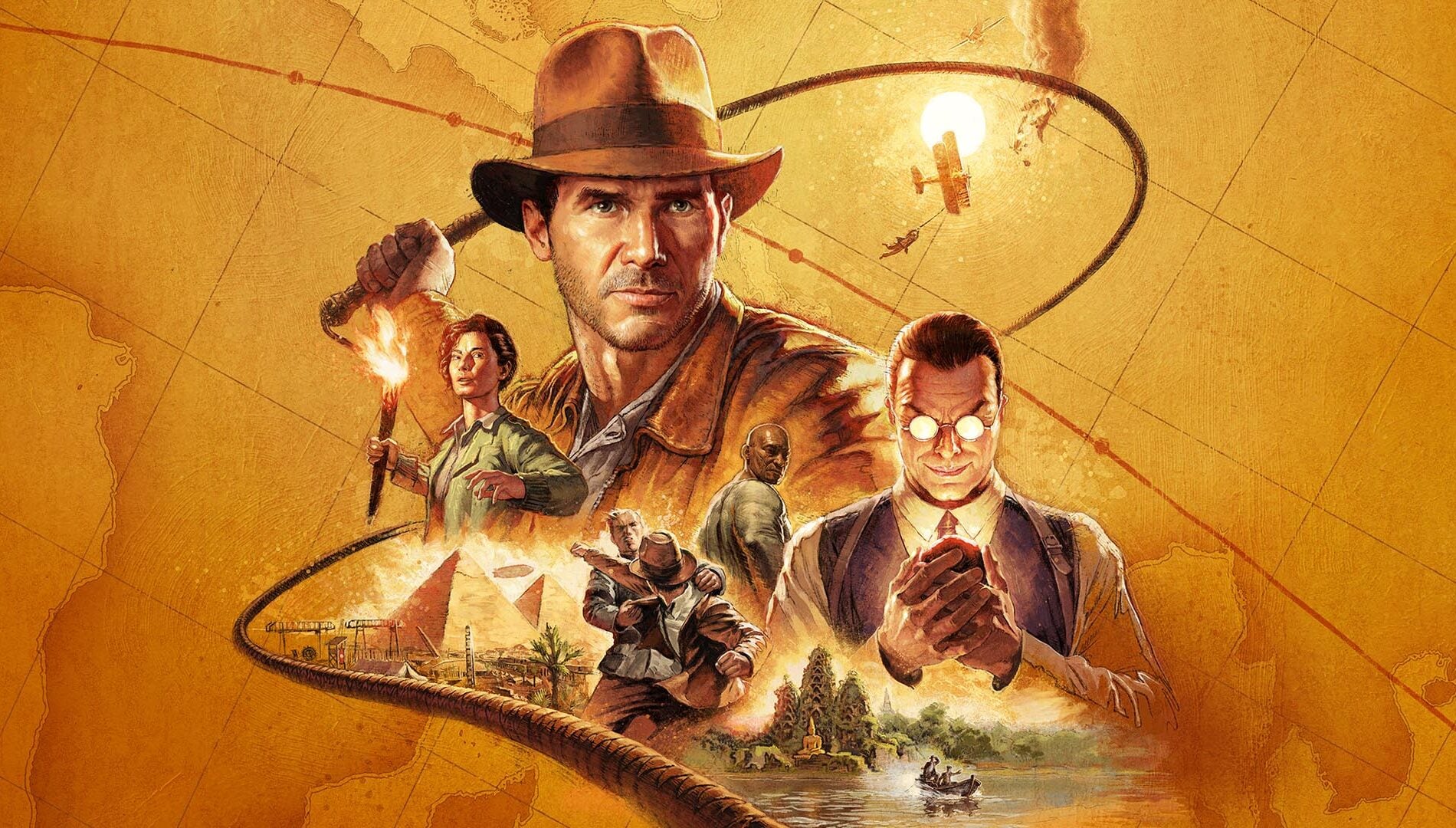
Indiana Jones and the Great Circle is heading to Nintendo Switch 2 with a technical setup that gives players a much clearer idea of what to expect before picking up the whip on Nintendo’s new hardware. MachineGames has outlined the key performance targets for this version, confirming that the game aims for 1080p resolution in docked mode, 720p resolution in handheld mode, and a 30fps frame rate. The Switch 2 version also uses DLSS, which helps support those resolution targets when the game needs extra assistance during demanding moments. That matters because Indiana Jones and the Great Circle is not a small adventure squeezed into a tiny hallway. It is a cinematic first-person journey with detailed environments, exploration, puzzles, stealth, action, and enough dusty danger to make any museum curator sweat through their tweed jacket. The biggest compromise mentioned so far is that one area will feature a reduced number of free-roaming NPCs, which sounds like a targeted adjustment rather than a sweeping change across the full experience. For Nintendo players, the main takeaway is simple: MachineGames appears focused on preserving the core adventure while adapting the technical side to fit Switch 2. With clear resolution goals, a locked frame rate target, and DLSS helping behind the curtain, this version could become an important test case for how ambitious third-party releases perform on Nintendo’s latest system.
Indiana Jones and the Great Circle sets clear expectations on Switch 2
Indiana Jones and the Great Circle is arriving on Nintendo Switch 2 with performance details that are refreshingly direct. MachineGames has confirmed that the game targets 1080p in docked mode, 720p in handheld mode, and 30fps across the experience. That gives players a useful baseline before release, especially because this is the kind of cinematic adventure where atmosphere, readability, and pacing matter just as much as raw numbers. Nobody wants ancient ruins turning into a blurry slideshow when a chase scene kicks off or when Indy starts threading through danger with a priceless artifact and a very bad plan.
Why these details matter before players pick up the whip
Technical expectations can shape how players approach a release, particularly on a hybrid system. The Switch 2 has to serve two masters: the living room screen and the handheld screen. That means developers need to balance image quality, battery-friendly play, performance stability, and the scale of the game itself. Indiana Jones and the Great Circle is not built like a tiny side project. It is a large first-person adventure full of cinematic spaces, environmental storytelling, and moments that lean heavily on immersion. Clear targets help players understand what kind of version MachineGames is building instead of guessing based on trailers, compressed footage, or social media panic with a fedora on top.
Why MachineGames chose a 30fps target for this adventure
The 30fps target is one of the most important details here, and it should be viewed in the context of the game’s design. Indiana Jones and the Great Circle is a first-person adventure with action, stealth, exploration, puzzles, and cinematic presentation. It is not being positioned as a twitch-heavy competitive shooter where every split-second frame can decide the match. A stable 30fps target can make sense when the priority is consistency, especially on portable hardware where power limits and thermal realities are part of the deal. It is a trade-off, but not automatically a bad one.
A stable frame rate can matter more than chasing a bigger number
When a game aims for 30fps, the real question is not only the number itself. The better question is whether it can stay there when the screen gets busy. A locked and steady frame rate can feel better than an unstable higher target that jumps around like a snake in a cargo plane. For an adventure built around mood, exploration, and dramatic scenes, consistency helps keep the player inside the moment. A sudden frame drop during a puzzle, brawl, or chase can break the spell. MachineGames appears to be choosing a predictable experience over a more aggressive target that could struggle under pressure.
How 1080p docked mode shapes the living room experience
Docked mode is where the Switch 2 version aims for 1080p, giving players a cleaner image when the system is connected to a TV or monitor. That target is important because Indiana Jones and the Great Circle depends heavily on environmental detail. Ancient structures, clues, documents, dusty rooms, stone carvings, and visual storytelling all benefit from a sharper presentation. A 1080p target will not magically turn the Switch 2 into a high-end PC, of course, but it can help the game hold together well on a bigger screen. For a globe-trotting mystery, clarity is not just cosmetic. It helps sell the journey.
The docked experience needs visual clarity without losing the adventure’s mood
Indiana Jones is all about texture. You want to feel the weight of old temples, dim corridors, candlelit rooms, and sunbaked locations that look like they were designed by people who absolutely did not believe in safety rails. A docked 1080p target can support that sense of place by keeping the image readable and stable on larger displays. The challenge for MachineGames is to keep the presentation sharp enough without overloading the hardware. That is where careful optimization matters. When done well, players get the cinematic flavor of the adventure without feeling like the system is sweating harder than Indy after hearing the word “snakes.”
Why 720p handheld mode makes sense for portable play
In handheld mode, Indiana Jones and the Great Circle targets 720p. On paper, that number is lower than docked mode, but it makes sense for a portable screen. Handheld play has different priorities. The screen is smaller, the hardware is running under tighter power limits, and the game still needs to remain responsive and readable. A 720p target can offer a reasonable balance between visual quality and performance, particularly for a demanding adventure that was not originally designed around the limitations of a portable system. It is the kind of practical compromise that can help keep the full experience intact.
Portable play is about balance, not just pixel counts
Handheld mode asks a different question than docked mode. It is less about how the game looks across the room and more about how it feels in your hands. Can you read the environment? Can you spot clues? Can you move through stealth sections without fighting the image? Can the game hold up when action starts? A 720p target fits that handheld equation neatly. It gives the system room to manage performance while keeping the picture suited to the screen size. For players who want to take Indiana Jones on a train, sofa, bed, or suspiciously long coffee break, that balance matters.
How DLSS supports the Switch 2 version
DLSS is one of the most interesting parts of the Switch 2 version because it gives MachineGames another tool to maintain the game’s presentation. The reported setup uses dynamic native resolution, with DLSS helping when the game needs support to maintain its 1080p and 720p targets. In simple terms, DLSS can help reconstruct the final image when the internal workload changes. That does not mean every scene is secretly running at the same internal resolution. It means the system has a smart way to help preserve image quality when performance pressure rises.
DLSS works like a smart safety net for demanding scenes
A useful way to think about DLSS is to imagine a careful stagehand working behind the curtain. The audience sees the polished performance, while the stagehand moves scenery, fixes problems, and keeps the show running. In a game like Indiana Jones and the Great Circle, some areas will naturally demand more from the hardware than others. Lighting, geometry, effects, crowds, and open spaces can all raise the pressure. DLSS can help smooth over those transitions by supporting the final image. When used well, it can make technical compromises less visible to the player, which is exactly what a good port needs.
Why image reconstruction matters for a cinematic adventure
Image reconstruction is especially valuable in a game that relies on atmosphere. If the picture becomes too soft, noisy, or unstable, the sense of place can fade quickly. Indiana Jones and the Great Circle wants players to inspect rooms, admire locations, follow visual clues, and feel pulled into its world. DLSS can help protect that feeling by making the final image look cleaner than a raw lower internal resolution might suggest. It is not magic, and results always depend on implementation, but it gives developers a meaningful tool when adapting demanding games for Nintendo’s hybrid hardware.
What dynamic resolution means during busier scenes
Dynamic resolution means the game can adjust its internal rendering load depending on what is happening on screen. When a scene is calmer, the game can run closer to its full target. When the action becomes heavier, the internal resolution can shift to help protect the frame rate. That approach is common in modern games because it helps prevent the experience from buckling during demanding moments. For players, the goal is simple: keep the game feeling steady, even when the hardware is asked to do more. It is a little like loosening your tie before running from a giant boulder.
Performance management is part of modern game design
Players often notice frame drops faster than subtle resolution changes, especially during action. That is why dynamic resolution can be a sensible choice. It gives developers a flexible tool instead of forcing every scene to run under the same rigid rendering cost. For Indiana Jones and the Great Circle, that flexibility matters because the adventure likely moves between quiet exploration, puzzle-heavy spaces, cinematic moments, and more intense encounters. Each type of scene stresses the hardware differently. A dynamic system can respond to those shifts, while DLSS helps the final image remain closer to the expected 1080p or 720p output.
The one known NPC reduction and why it matters
MachineGames has also mentioned that one area in the Switch 2 version features a reduced count of free-roaming NPCs. That detail is worth noting, but it should not be blown out of proportion based on what has been shared. The change appears to be limited to a specific area rather than a sign that the entire game has been stripped down. NPC counts can affect CPU load, memory use, animation systems, pathfinding, and scene density. Reducing them in one spot may be a practical way to preserve overall performance without changing the heart of the adventure.
A targeted adjustment can be better than broad visual cuts
When bringing a demanding game to different hardware, developers often have to decide where to spend the system’s resources. A slightly reduced NPC count in one area may be less disruptive than cutting major environmental detail, lowering draw distance too aggressively, or letting the frame rate wobble during important scenes. Players may notice if a crowded area feels a bit less busy, but that kind of focused adjustment can be a reasonable compromise if the rest of the adventure remains intact. The key point is that MachineGames has described this as a specific change, not a total redesign of the Switch 2 version.
How the Switch 2 version compares with the wider release
Indiana Jones and the Great Circle has already been associated with more powerful platforms, so the Switch 2 version will naturally face comparison. That is fair, but it also needs context. A hybrid system is not trying to match every setting from a home console or gaming PC. Its appeal comes from flexibility. You can play on a TV, lift the system from the dock, and continue in handheld mode. The Switch 2 version is being shaped around that identity. The goal is not to win a screenshot war at maximum zoom. The goal is to deliver the adventure in a way that fits Nintendo hardware.
Parity should be judged by experience, not only settings menus
When players talk about whether a version feels equal, they often mean more than resolution or frame rate. They mean the structure, pacing, story, mechanics, exploration, puzzles, and overall flow. If those pieces remain intact, a lower technical ceiling can still produce a satisfying version. MachineGames has expressed confidence in the Switch 2 release, and the known changes suggest a version built around careful compromise rather than careless cutting. That distinction matters. A good port understands what must be preserved and what can be adjusted without tearing the soul out of the game like a cursed artifact from a sealed chamber.
Why this port is important for third-party support
Indiana Jones and the Great Circle is an important release for Switch 2 because it represents the kind of large third-party game Nintendo players want to see more often. For years, Nintendo systems have sometimes received late ports, cloud versions, or heavily altered releases when hardware gaps became difficult to manage. Switch 2 changes that conversation by giving developers newer tools, stronger hardware, and DLSS support. That does not remove every challenge, but it does make more ambitious ports feel realistic. When a game like this arrives with clear performance targets, it sends a useful signal to players and publishers alike.
Ambitious ports help define what Switch 2 can become
A system’s identity is shaped by more than its first-party lineup. Nintendo’s own games will always be a major draw, but third-party support determines how often players can treat the platform as their main place to play. Indiana Jones and the Great Circle gives Switch 2 another high-profile adventure that can sit alongside major releases on other platforms. That matters for players who prefer physical controls, portable play, or simply want their library in one place. If this version lands well, it can strengthen confidence in future ports from Bethesda, Xbox Game Studios, and other publishers watching from the sidelines.
Switch 2 could benefit from more technically ambitious releases
The Switch 2 version of Indiana Jones and the Great Circle also highlights how important modern scaling technology has become. DLSS gives developers more room to bring visually demanding games to Nintendo hardware without immediately reaching for cloud streaming or severe cutbacks. That does not mean every game will be easy to port. Some titles will still be too CPU-heavy, too memory-hungry, or too dependent on specific platform features. Even so, this release shows a path forward. If developers use the hardware carefully, Switch 2 can host more games that previously would have seemed unlikely on a Nintendo system.
What this means for Nintendo players who prefer physical and portable play
For many Nintendo players, the appeal is not only that Indiana Jones and the Great Circle is coming to Switch 2. It is that the game can be played in a flexible format. Docked play offers the sharper 1080p target, while handheld play offers the convenience of taking the adventure away from the TV. That dual setup is still Nintendo’s strongest trick. It turns a blockbuster-style release into something you can play during quiet evenings, travel days, or those moments when the main screen in the house has mysteriously been claimed by someone else. That everyday practicality gives the port real value.
What players should expect when exploring on Nintendo hardware
Players should expect a version of Indiana Jones and the Great Circle that prioritizes consistency, clear technical targets, and practical adaptation. The 1080p docked and 720p handheld targets give the game defined presentation goals, while the 30fps frame rate points to a focus on stability. DLSS helps support the image when rendering demands shift, and the known NPC reduction appears limited to one area. That paints a picture of a port designed around preservation rather than reinvention. The adventure should still be about solving mysteries, surviving danger, and stepping into the boots of one of cinema’s most beloved archaeologists.
The final test will be how it feels in motion
Technical targets are useful, but the real judgment comes when players experience the game directly. Does the frame rate feel stable during action? Does handheld mode remain readable? Does DLSS produce a clean enough image in demanding areas? Does the reduced NPC count feel noticeable or barely register during normal play? Those are the questions that will shape the conversation once the Switch 2 version is in players’ hands. For now, the confirmed details are encouraging because they show MachineGames is being clear about its goals. That kind of clarity beats mystery fog, especially when the fog might be hiding snakes.
Conclusion
Indiana Jones and the Great Circle on Nintendo Switch 2 is shaping up as a carefully tuned version built around 1080p docked play, 720p handheld play, a 30fps target, and DLSS support. MachineGames appears to be focusing on stability and preservation, with only one known area receiving a reduced free-roaming NPC count. That approach makes sense for a cinematic first-person adventure where mood, exploration, and consistency are essential. The Switch 2 version will naturally face comparison with other platforms, but its real value comes from bringing a large-scale Indiana Jones adventure to a flexible Nintendo system. If the final release holds its targets well, this could become a strong example of how demanding third-party games can work on Switch 2 without losing their identity.
FAQs
- What resolution does Indiana Jones and the Great Circle target on Nintendo Switch 2?
- The game targets 1080p when played in docked mode and 720p when played in handheld mode. These targets are supported by dynamic resolution and DLSS.
- What frame rate does Indiana Jones and the Great Circle target on Switch 2?
- MachineGames has stated that the Switch 2 version targets 30fps. The goal appears to be a stable experience rather than chasing a higher frame rate that could fluctuate during demanding scenes.
- Does Indiana Jones and the Great Circle use DLSS on Switch 2?
- Yes. The Switch 2 version uses DLSS to help maintain the 1080p docked and 720p handheld presentation targets when the game needs extra support.
- Is anything reduced in the Switch 2 version?
- MachineGames has mentioned that one area has a reduced number of free-roaming NPCs. Based on the information shared, this sounds like a specific adjustment rather than a broad change across the full game.
- When is Indiana Jones and the Great Circle coming to Nintendo Switch 2?
- Indiana Jones and the Great Circle is listed for release on Nintendo Switch 2 on May 12, 2026.
Sources
- Indiana Jones and the Great Circle reveals Nintendo Switch 2 frame rate, resolution, and DLSS usage, Nintendo Everything, May 1, 2026
- Indiana Jones and Great Circle devs target 1080p docked, 720p handheld and 30fps, My Nintendo News, May 1, 2026
- Bethesda Games Coming to Nintendo Switch 2, Bethesda, February 5, 2026
- Indiana Jones and the Great Circle will support mouse and motion controls on Nintendo Switch 2, Nintendo Everything, May 8, 2026