














Summary:
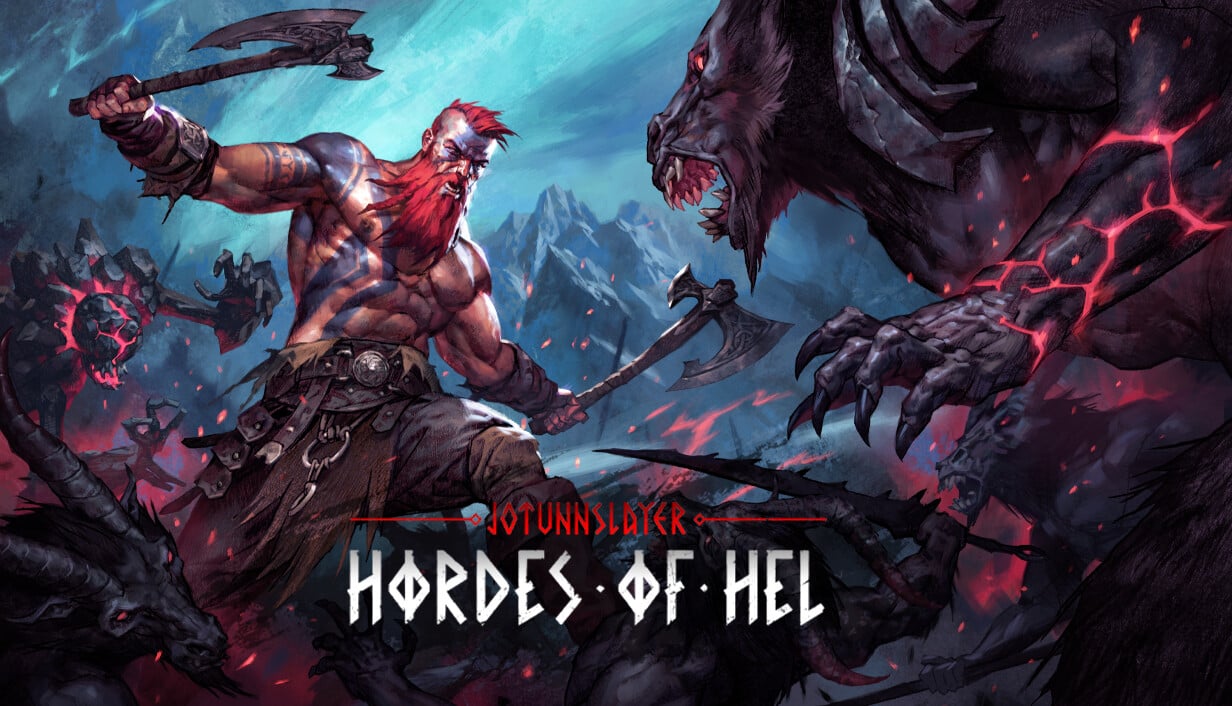
Jotunnslayer: Hordes of Hel is officially heading to Nintendo Switch 2, with publisher Grindstone preparing to release the roguelike horde-survivor digitally on July 30, 2026. Developed by Games Farm and ARTillery, the game drops players into hostile realms inspired by Norse mythology, where enormous armies of monsters stand between a fallen warrior and redemption. Survival depends on movement, smart upgrades and a willingness to turn the battlefield into a spectacular storm of lightning, steel and divine destruction.
Players choose from several condemned heroes before battling waves of mythological enemies across five dangerous realms. Each attempt provides opportunities to acquire divine blessings connected to figures such as Thor, Freya and Odin. Those abilities can be combined with class skills, perks and subclasses, allowing players to create increasingly powerful builds. One run might revolve around lightning tearing through tightly packed monsters, while another could focus on defensive abilities, summoned forces or overwhelming close-range damage.
The Nintendo Switch 2 release includes the expanded experience introduced with the full launch, including the Kin-Slayer hero, the Helheim region, unlockable Endless Mode and support from the enormous dragon Nidhogg. These additions give players more ways to experiment while providing demanding challenges for anyone who believes an ordinary horde is simply not chaotic enough. With short runs, flexible character builds and battles filled with hundreds of enemies, Jotunnslayer: Hordes of Hel appears well suited to portable sessions as well as longer hunts for the perfect combination of godly powers.
Jotunnslayer: Hordes of Hel Brings Its Norse Battles to Nintendo Switch 2
Jotunnslayer: Hordes of Hel will make its Nintendo debut when it launches digitally for Nintendo Switch 2 on July 30, 2026. The release brings Grindstone’s dark Norse roguelike to a new audience after its earlier arrival on PC, PlayStation 5 and Xbox Series X|S. Rather than asking players to carefully clear a handful of enemies at a time, it surrounds them with entire armies and gives them the tools needed to create spectacular displays of mythological destruction. That usually means dodging through packed battlefields while automatic attacks, class abilities and divine powers reduce nearby monsters to dust. It sounds simple when written down, doesn’t it? In practice, the difference between becoming a legendary warrior and becoming monster food can be a single poorly timed movement.
The game was developed by Games Farm and ARTillery, with Grindstone handling publishing duties. Its arrival adds another action-focused roguelike to the Nintendo Switch 2 library, but the Norse setting helps distinguish it from the many other games built around surviving increasingly crowded arenas. Frost-covered landscapes, dark underworlds, ancient gods and monstrous creatures provide a fitting backdrop for battles where subtlety rarely survives longer than the opening minute. Players are not merely avoiding danger. They are gradually transforming their chosen hero into a walking natural disaster capable of clearing enormous sections of the battlefield.

Nintendo Switch 2 Players Enter the Violent Realms of Norse Mythology
The campaign sends players across five realms filled with mythological enemies, environmental hazards and trials established by the gods. Each playable hero is one of the damned, meaning the journey is not simply a cheerful sightseeing trip through Scandinavian folklore. These warriors must prove themselves through combat, survive increasingly dangerous encounters and overcome powerful bosses. Failure sends them back to prepare for another attempt, while success provides opportunities to unlock upgrades and discover stronger combinations of abilities. It is a familiar roguelike rhythm, but the Norse theme gives every battle a distinct identity.
The realms are designed as hostile arenas rather than peaceful open landscapes. Enemies approach from multiple directions, crowds rapidly grow thicker and objectives force players to make decisions while under pressure. Standing still is generally an invitation for the local monster population to form an enthusiastic queue around the hero. Constant movement is therefore essential, particularly as elite enemies and bosses begin joining the ordinary hordes. The challenge is not only defeating individual monsters but also controlling the shape of the crowd. Players must create escape routes, gather experience and decide when taking a risk is worth the possible reward.
Divine Blessings Turn Every Survivor Into a Mythological Weapon
The gods play an active role in each run by granting blessings that dramatically alter a hero’s offensive and defensive abilities. Thor can fill the battlefield with lightning, Freya offers radiant powers and Odin contributes abilities worthy of the All-Father. These blessings are not merely decorative references added to make the mythology look busier. They form a central part of character building, allowing players to combine divine skills with the natural strengths of their chosen hero. A well-planned selection can turn scattered attacks into a coordinated engine of destruction.
Because different blessings can appear during each attempt, players need to adapt instead of following an identical route every time. Perhaps the desired power refuses to appear, while another god offers an ability that works unexpectedly well with the current class. That uncertainty encourages experimentation. It also produces those satisfying moments when several modest upgrades suddenly begin working together and the hero becomes almost comically powerful. Enemies that seemed threatening a few minutes earlier can disappear beneath lightning, summoned attacks and waves of magical energy. Of course, confidence can be dangerous. The hordes are always waiting to remind players that even a nearly godlike warrior should still watch where they are standing.
Fallen Heroes Offer Different Paths Through the Hordes
Players can choose from multiple heroes, each offering a different foundation for the builds created during battle. Their weapons, class abilities and general strengths affect how they handle large enemy groups. One character may be comfortable fighting at close range, while another depends on mobility, defensive skills or attacks that cover wider areas. Choosing a hero therefore changes more than the figure shown on the screen. It influences which upgrades are useful and how players should approach the battlefield from the opening moments of a run.
Every hero can unlock perks and subclasses that provide further control over their development. These systems let players refine a preferred role rather than relying entirely on random divine blessings. A hero can become more durable, focus on higher damage or improve abilities that complement a particular god. The interaction between permanent progression and temporary upgrades creates much of the replay value. Even after learning how a class works, new combinations remain available. There is always another experiment to attempt, another skill to improve or another ridiculous build waiting to cover the arena in so many visual effects that the enemies may briefly regret showing up.
The Kin-Slayer Brings Devastating Strength to the Battlefield
Among the available warriors is the Kin-Slayer, a disgraced fighter introduced as part of the expanded full-release experience. She is built around delivering devastating damage and fits naturally into the game’s aggressive approach to survival. Her fallen status also matches the broader theme, as each hero is fighting through divine trials while carrying the weight of a troubled past. Redemption in this world is not earned through a heartfelt speech beside a quiet campfire. It is earned by reducing several thousand mythological creatures to smouldering footprints.
The Kin-Slayer adds another playstyle for players to master, with her class progression opening additional possibilities as a run develops. Selecting upgrades that strengthen her main attacks can produce direct and brutal results, while combining her abilities with suitable divine powers can help control enemies before they close in. Like the other heroes, she becomes strongest when her class skills, perks and blessings support a shared purpose. Simply selecting every upgrade with the largest number may work for a while, but carefully shaping a build is far more reliable once the battlefield begins filling with tougher enemies.
Helheim Introduces a Dangerous New Region to Conquer
Helheim expands the journey with a region based on the dreaded Norse underworld. It follows a more linear path than the wider battle arenas and includes puzzles alongside its combat encounters. The change in structure gives players something different to consider as they push deeper into the realm. Fighting remains central, but progression also depends on uncovering the route ahead and surviving the dangers placed along it. Naturally, the underworld is not known for welcoming visitors with comfortable seating and complimentary refreshments.
Reaching the end of Helheim serves as a significant test of a player’s build and understanding of the game’s systems. Damage alone may not be enough if the hero lacks mobility, crowd control or a reliable way to withstand stronger attacks. Players must balance offensive upgrades with practical survival tools while preparing for whatever waits farther down the path. The region also has an important role in long-term progression because overcoming its challenges unlocks Endless Mode. Helheim is therefore more than another visual setting. It acts as a gateway to one of the game’s most demanding activities.
Endless Mode Pushes Successful Warriors Beyond Their Limits
Players who survive Helheim can unlock Endless Mode, where the ordinary boundaries of a run give way to a prolonged struggle against increasingly overwhelming opposition. Instead of working toward a conventional ending, the goal becomes surviving for as long as possible while refining a build beyond its usual limits. Enemy numbers continue rising, threats become more dangerous and small weaknesses in a character setup eventually grow into serious problems. A build that seemed unstoppable during a standard run may discover that the hordes have a very different opinion after enough time has passed.
Endless Mode provides a natural destination for experienced players who have unlocked upgrades and learned how the different gods interact with each class. It allows strong builds to demonstrate their full potential while encouraging players to chase longer survival times. The format also creates memorable last stands. A hero might be surrounded by an almost solid wall of enemies while lightning, fire and summoned powers desperately hold the crowd back. There is no gentle conclusion waiting beyond the next wave. Eventually the horde wins, but lasting a little longer becomes its own victory.
Nidhogg Joins the Divine Powers Available During Battle
Nidhogg expands the selection of godly support with the destructive strength of a massive dragon. Drawn from Norse mythology, the creature can tear through groups of enemies and add another dramatic source of damage to a hero’s build. This is not a shy little companion that occasionally nibbles a nearby monster. Nidhogg is presented as a merciless force capable of ripping apart enemies as players continue their violent journey through the mythological realms.
Adding another divine power increases the number of possible interactions available during a run. Players can combine Nidhogg’s attacks with class abilities and blessings from other gods, creating builds that handle crowds in different ways. The dragon may help cover an area that a hero’s regular attacks struggle to reach or provide bursts of destruction when enemy density becomes difficult to manage. As with every blessing, its value depends on the surrounding build. The most entertaining results often appear when several powers overlap, turning the arena into a chaotic mixture of dragon attacks, divine magic and unfortunate monsters reconsidering their career choices.
Progression Systems Encourage Experimentation Across Multiple Runs
Jotunnslayer: Hordes of Hel is structured around repeated attempts, with each failure contributing to a better understanding of its heroes, enemies and upgrade systems. Players gather resources, unlock perks and gain access to additional ways of developing their characters. The next attempt may begin with the same hero, but it rarely unfolds in exactly the same way. Different blessings appear, objectives change the route through an arena and one early upgrade can influence every choice that follows.
This progression gives failure a practical purpose. Losing near the end of a difficult realm can sting, particularly when a promising build was seconds away from defeating a boss. However, the player usually returns with new knowledge and another opportunity to adjust their approach. Perhaps the previous run relied too heavily on damage while ignoring defence. Maybe a powerful ability was selected without the upgrades needed to support it. The cycle encourages players to learn through experimentation rather than expecting immediate perfection. Slowly but surely, a condemned warrior begins feeling less like a fragile survivor and more like the terrifying problem every monster was warned about.
Character Builds Depend on Classes, Perks and Divine Support
Successful builds are created by connecting several progression layers rather than treating every upgrade as an isolated bonus. The hero supplies the starting weapon and class abilities, perks improve specific characteristics, subclasses provide more specialised development and divine blessings add powerful attacks or supportive effects. When these layers work together, the results can be dramatically stronger than a random collection of individually useful skills.
Players may focus on reducing cooldowns so powerful attacks activate more often, increase attack speed to overwhelm nearby enemies or improve defensive abilities to survive direct contact with the horde. Area coverage is especially valuable because enemies rarely approach in polite single-file formation. The strongest build is not necessarily the one with the highest damage number. It is the one capable of handling ordinary crowds, elite threats and bosses without creating an obvious weakness. Finding that balance can take several attempts, but discovering a combination that suddenly clicks is one of the genre’s greatest pleasures.
Nintendo Switch 2 Could Be a Natural Home for Horde-Survivor Action
Horde-survivor games tend to work well in both short sessions and longer play periods, making the genre a promising fit for Nintendo Switch 2. A player can complete a run while relaxing away from the television, then return later to test another hero or pursue a stronger Endless Mode record. The core controls also suit a controller, with movement and positioning taking priority while many attacks activate automatically. That keeps the focus on navigating crowded arenas, selecting upgrades and deciding which risks are worth taking.
The more demanding question involves performance when hundreds of enemies, attacks and visual effects appear simultaneously. The Nintendo eShop listing confirms the platform and release date, but detailed technical information such as resolution and frame rate has not been announced. The stronger hardware inside Nintendo Switch 2 should give the developers more room to preserve the scale of the battles, although the final results will become clear when the game is available. For now, the prospect of carrying a full Norse apocalypse around in a bag is certainly appealing.
The Digital Release Expands the Game’s Console Audience
The Nintendo Switch 2 edition follows the full release on PC, PlayStation 5 and Xbox Series X|S. By arriving after those versions, it can include the heroes, regions and modes associated with the expanded experience rather than beginning with the smaller Early Access selection. New players can therefore enter a game that has already passed through months of development, balancing and player feedback. That gives the Nintendo edition a stronger starting point than an unfinished debut would have offered.
A digital launch through the Nintendo eShop also makes the game easy to access on release day, though no physical edition has been announced. Players interested in collecting boxed releases will need to see whether Grindstone considers one later. The immediate focus is the downloadable version scheduled for July 30, 2026. Pricing and regional availability should be checked through the relevant Nintendo eShop, as listings can differ between countries. The core experience, however, remains built around selecting a fallen hero and seeing how much mythological trouble one warrior can cause before the horde finally catches up.
Jotunnslayer Arrives Digitally on July 30, 2026
Jotunnslayer: Hordes of Hel launches digitally for Nintendo Switch 2 on July 30, 2026. Its combination of Norse mythology, roguelike progression and large-scale horde combat gives Nintendo players another action-heavy experience to consider during the summer release calendar. The inclusion of five realms, multiple heroes, subclasses, divine blessings, Helheim and Endless Mode means the journey extends well beyond a single successful run.
The central appeal remains easy to understand. Players begin as condemned warriors surrounded by danger and gradually assemble enough power to challenge entire armies. Thor’s lightning, Freya’s radiance, Odin’s support and Nidhogg’s destructive attacks can transform each battle into a vivid mythological spectacle. Whether those powers are enough depends on the player’s movement, upgrade choices and ability to remain calm when the screen resembles a monster-filled snow globe being shaken by an angry god. The objective is to carve a name into legend, but surviving the next few seconds is usually a sensible place to start.
Conclusion
Jotunnslayer: Hordes of Hel is bringing its fast-paced horde-survivor battles to Nintendo Switch 2 on July 30, 2026. Players will fight through five Norse realms, develop fallen heroes and combine class abilities with blessings from powerful gods. The Kin-Slayer, Helheim, Endless Mode and Nidhogg add further variety to an experience already shaped around experimentation and repeated runs.
The Nintendo Switch 2 edition could be especially appealing to players who enjoy building wildly powerful characters in manageable sessions. Its battles begin with careful movement and modest attacks before escalating into storms of magic, steel and dragon-fuelled destruction. There is always another combination to test, another hero to improve and another horde waiting to ruin an otherwise perfectly pleasant trip through the underworld.
FAQs
- When does Jotunnslayer: Hordes of Hel launch for Nintendo Switch 2?
- Jotunnslayer: Hordes of Hel launches digitally for Nintendo Switch 2 on July 30, 2026.
- What type of game is Jotunnslayer: Hordes of Hel?
- It is a roguelike horde-survivor in which players battle large waves of mythological enemies, collect upgrades and combine class skills with divine blessings.
- Which Norse gods provide abilities in Jotunnslayer?
- Players can receive divine support connected to figures such as Thor, Freya and Odin. Nidhogg also appears as a powerful source of support during battle.
- How is Endless Mode unlocked?
- Players must survive the dangers of Helheim before Endless Mode becomes available. The mode then challenges them to withstand increasingly overwhelming enemy forces.
- Will Jotunnslayer have a physical Nintendo Switch 2 edition?
- Only a digital Nintendo Switch 2 release has been confirmed. A physical edition has not been announced.
Sources
- Jotunnslayer: Hordes of Hel on the Way to Nintendo Switch 2, Nintendo Everything, July 13, 2026
- Jotunnslayer: Hordes of Hel, Steam, September 3, 2025
- Jotunnslayer: Hordes of Hel 1.0 Release Date Announced, Thumb Culture, July 10, 2025
- Jotunnslayer: Hordes of Hel Is Tough but Fun and Just Got a Release Date, Rogueliker, July 10, 2025
- Jotunnslayer: Hordes of Hel Review, XboxEra, September 2, 2025