














Summary:
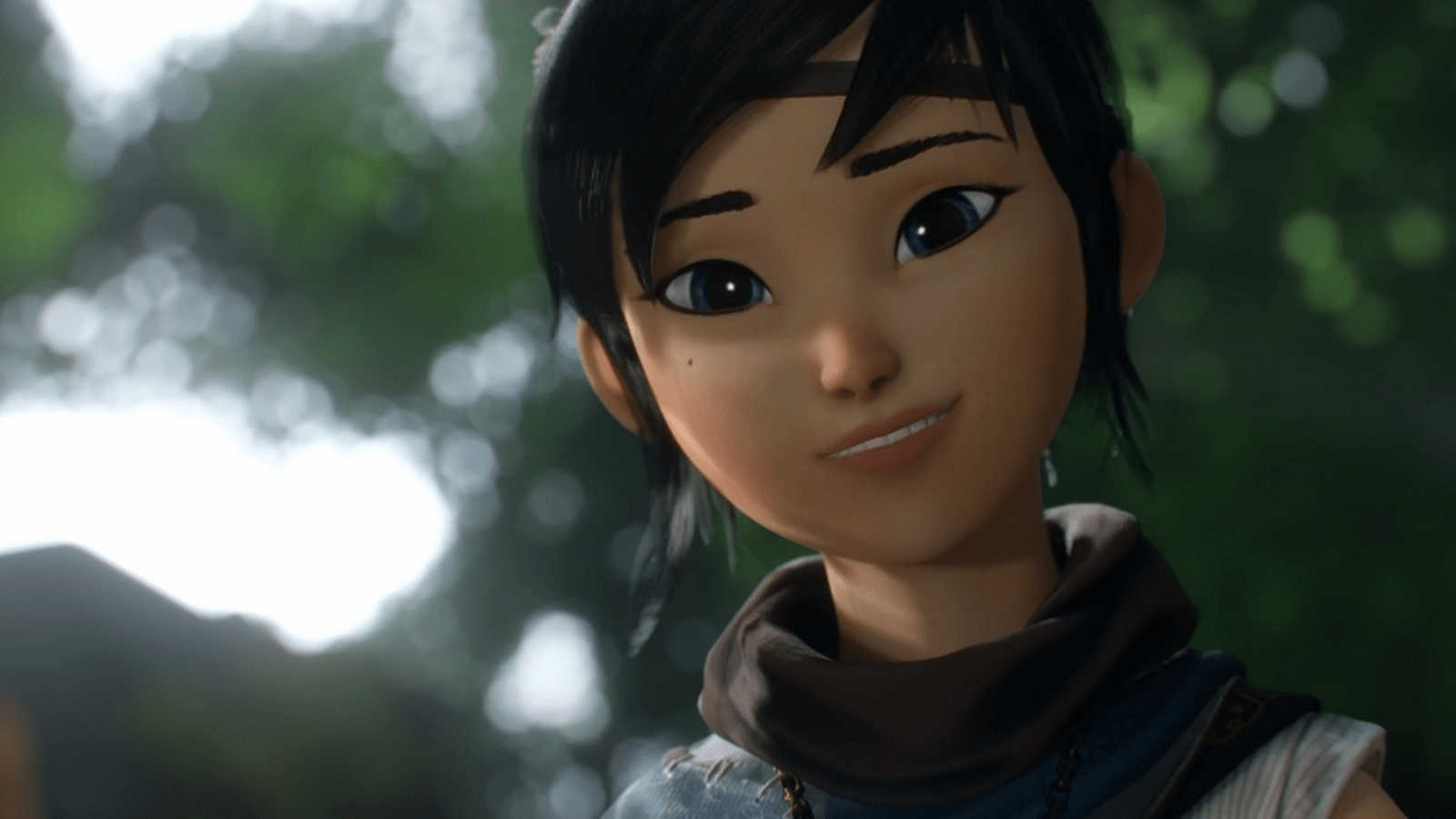
Kena: Bridge of Spirits almost had a very different Nintendo story. Ember Lab has revealed that the studio worked on a version of the game for the original Nintendo Switch, but the port eventually reached a point where too much would have needed to change. According to COO Josh Grier, the team managed to get the game close, yet resolution, frame rate, intense scenes, and platforming feel all became serious obstacles. Most importantly, the studio felt that forcing the game onto the older hardware would have meant weakening the artistic style that made Kena stand out in the first place. That matters because Kena is not just another action-adventure with a forest, a staff, and a cute companion army. Its appeal is tied closely to its animation-inspired look, lush environments, expressive character movement, cinematic lighting, and smooth-feeling exploration. When those pieces start to crack, the whole spell starts to wobble like a bridge made from wet cardboard. Rather than release a version that felt compromised, Ember Lab chose to move forward with Nintendo Switch 2 instead. For Nintendo players, that decision is both disappointing and understandable. The original Switch missed out, but Switch 2 gives Kena a much better chance to feel like itself.
Kena: Bridge of Spirits almost reached the original Nintendo Switch
Kena: Bridge of Spirits has now made its way into Nintendo’s world through Nintendo Switch 2, but Ember Lab has confirmed that the journey originally started on the first Nintendo Switch. That detail adds a fascinating wrinkle to the game’s platform history, because for years Kena felt like one of those visually rich adventures that many Nintendo players wanted but did not really expect to see on the hybrid system. It had the charm, the creature companions, the forest mystery, and the Zelda-like adventure flavor that seemed tailor-made for a Nintendo audience. The problem was not whether the game fit Nintendo players emotionally. It clearly did. The problem was whether the original hardware could carry it without forcing the studio to sand off too many of its defining features. Ember Lab tried, but the result was not where the team wanted it to be.
Why the original Switch version became such a difficult fit
The original Nintendo Switch has hosted plenty of ambitious ports, but every demanding conversion comes with a question that developers cannot avoid: what can be changed without making the game feel like a different thing? For Kena, that question appears to have become too heavy. Josh Grier explained that bringing the game to Switch 1 would have required major changes to the artistic style. That is a big statement, because Kena’s identity lives in its look as much as in its combat or exploration. The warm lighting, soft character animation, detailed environments, and expressive creatures all work together like pieces in a little mechanical music box. Take away too many gears, and the tune still plays, but it no longer has the same magic. Ember Lab reached a point where squeezing the game further simply did not feel worth the cost.
Ember Lab wanted to protect the game’s visual identity
Kena: Bridge of Spirits was built by a studio with strong animation roots, and that background can be felt everywhere. The game does not rely only on raw technical spectacle. It leans on shape, movement, atmosphere, mood, and careful staging. Kena herself needs to move with purpose, the Rot need to feel lively and mischievous, and the world needs to look like a place where danger and wonder are constantly wrestling under the same canopy of trees. That kind of visual identity is not easy to shrink down after the fact, especially when the original target platforms had very different performance ceilings. Grier suggested that if Ember Lab had built the game for Switch from day one, the team might have had a better chance. That makes sense. A game designed around specific hardware from the start can make smarter early choices. A late port has to reverse-engineer compromise, and that can be messy.
Resolution and frame rate created a tough balancing act
The biggest technical issue seems to have come down to the classic tug-of-war between resolution and frame rate. Ember Lab could not get the resolution where it wanted while also keeping the frame rate in the desired range. When the team raised the resolution, performance suffered. When performance became the priority, the image quality had to take the hit. That is the kind of trade-off players may understand in theory, but it can feel rough in practice, especially in a game where scenery and movement are such a large part of the appeal. Kena asks players to read spaces, aim, dodge, jump, command the Rot, and move through detailed environments. If the picture becomes too soft or the frame rate dips during busy moments, the experience starts to feel less like a polished adventure and more like a lantern struggling in a storm.
Platforming precision made performance even more important
Performance issues are frustrating in any game, but they can be especially noticeable when platforming and combat timing are involved. Kena is not only about walking through pretty forests and admiring the view, although the view does a lot of heavy lifting. Players need to make jumps, react to enemy attacks, aim carefully, and trust that the controls will respond when they should. Grier pointed to the platforming sections as a place where the compromised Switch version created a negative experience. That detail matters because platforming lives or dies on feel. A jump can look fine in a screenshot and still feel wrong in your hands. If the frame rate stutters or input timing feels off, a simple ledge can suddenly become a tiny personal betrayal. Nobody wants to blame a magical forest for a missed jump, but shaky performance makes that temptation very real.
Why Switch 2 became the better home for Kena
The move to Nintendo Switch 2 gave Ember Lab a more realistic path forward. Rather than forcing Kena onto hardware that demanded painful cuts, the stronger system allowed the studio to bring the game to Nintendo players while keeping more of its intended personality intact. That does not mean every technical question disappears automatically. Any port still needs careful tuning, especially when a game was first built around different platforms and a different performance profile. Still, Switch 2 gives Kena breathing room that the original Switch could not offer. The result is a much cleaner fit for what the game actually is: a cinematic action-adventure with lush scenery, expressive characters, combat encounters, exploration, puzzles, and platforming that all need to feel connected rather than chopped into technical compromises.
A stronger system helped preserve the intended experience
The main benefit of Switch 2 is not just that it is more powerful on paper. The real benefit is that it gives developers more room to protect the parts of a game that players remember. With Kena, those parts are easy to name. The forest should feel alive. The Rot should feel charming instead of cluttered. The animation should remain expressive. Combat should stay readable. Platforming should feel tight. The world should hold onto that almost animated-film quality that helped the game stand apart when it first launched. A weaker version could technically exist, and according to Grier, an original Switch build does exist somewhere on a server. But existing and feeling right are not the same thing. There is a big difference between getting a game to run and getting it to sing.
The move also says something bigger about third-party support
Kena’s path from a failed original Switch attempt to a Switch 2 release says a lot about where Nintendo’s newer hardware can help third-party developers. The first Switch had an enormous audience, and that made it attractive to nearly every studio. Yet for visually demanding games, developers often had to make hard decisions. Some projects arrived with heavy cuts. Some skipped the system. Some appeared through cloud versions. Others were probably tested behind closed doors and quietly shelved. Switch 2 changes that conversation by giving studios more technical space to bring over games that previously sat just outside the comfortable range. Kena is a good example because it is not trying to be a giant open-world technical monster. It is a focused, beautifully presented adventure, and even that proved difficult enough on the original hardware.
Kena’s animation roots made compromise harder
Some games can absorb visual cuts more easily because their identity is built around systems, speed, or stylized minimalism. Kena is different. Ember Lab’s animation background shaped the way the whole game presents itself, from the character performances to the environments and cinematic touches. That means a technical cut is not always just a technical cut. Lowering detail, reducing effects, softening the image, or trimming animation quality can affect the emotional tone. It is a little like watching a puppet show through fogged glass. You can still follow the story, but the texture, warmth, and timing lose some of their sparkle. For a studio that clearly values presentation, releasing a version that looked and felt noticeably weaker would have carried a real risk. It could have introduced Kena to Nintendo players in a way that did not represent the game properly.
The cancelled Switch build still exists somewhere
One of the most interesting details from Grier’s comments is that the original Switch version still exists somewhere on a server. That little note gives the whole story a strange ghost-build quality, almost like a hidden relic tucked away in Ember Lab’s digital attic. Players will naturally wonder what it looked like, how close it came, and whether it was playable enough to feel like a real release candidate. Still, the important takeaway is not that a lost version exists. The important takeaway is that Ember Lab chose not to put that version in players’ hands because it did not meet the studio’s standard. That is a decision worth respecting. In an industry where rough ports can damage a game’s reputation quickly, holding back a weaker version can be the kinder choice, even when fans would have liked to play it sooner.
What this means for Nintendo players now
For Nintendo players, the story is a mix of missed opportunity and better timing. The original Switch would have been a natural home for Kena’s adventurous spirit, especially for players who enjoy games with heart, exploration, companion mechanics, and a touch of old-school action-adventure flavor. Yet the version Ember Lab could make at the time did not appear to deliver the experience the studio wanted. Switch 2 changes that by giving the game a platform where its style has more room to breathe. That matters because first impressions stick. A shaky original Switch version could have made players remember Kena for blur, dips, and frustration instead of forests, spirits, Rot, masks, and emotional atmosphere. Now, the Nintendo audience gets a version that better reflects why the game found an audience in the first place.
The situation also makes Kena feel like part of a broader Switch 2 pattern. As stronger hardware opens the door for more games that struggled on the original system, Nintendo players may start seeing fewer impossible ports and more carefully managed conversions. That does not mean every game will suddenly arrive perfectly, and it definitely does not mean developers can ignore optimization. But it does mean the ceiling is higher. For a game like Kena, that higher ceiling matters. It gives Ember Lab a chance to bring over the full mood of the adventure instead of a heavily squeezed version that constantly reminds players what had to be removed.
There is also a creative lesson here. Not every game should be forced onto every platform at any cost. Players often ask for ports because they love the idea of having their favorite games wherever they want to play them. That is understandable. Portability is powerful. But if the cost is a version that feels worse in all the places that matter, patience can be the better trade. Kena’s original Switch version sounds like it reached a point where compromise was no longer invisible. Once a compromise becomes part of the experience, it stops being optimization and starts becoming damage control.
In the end, Ember Lab’s decision gives Kena a cleaner Nintendo debut. The studio tried to make the original Switch work, learned where the limits were, and moved toward hardware that could better support the game’s visual and mechanical needs. That is not the most dramatic story in gaming, but it is a refreshingly practical one. Sometimes the right call is not to ship the thing that barely works. Sometimes the right call is to wait until the bridge can actually hold.
Conclusion
Kena: Bridge of Spirits nearly became an original Nintendo Switch release, but Ember Lab ultimately decided that the necessary sacrifices would have hurt the game too much. Josh Grier’s comments make the situation clear: the team got the game close, but resolution, frame rate, busy scenes, and platforming feel created a version that did not meet the studio’s expectations. More importantly, the port would have required changes to the artistic style that sits at the heart of Kena’s identity. Moving to Nintendo Switch 2 gave Ember Lab a better chance to preserve the look, feel, and flow that made the adventure memorable. For Nintendo players, the wait may have been longer, but the result is easier to understand. A delayed arrival that feels right beats an earlier version that feels like it was held together with string, hope, and one very nervous Rot.
FAQs
- Was Kena: Bridge of Spirits planned for the original Nintendo Switch?
- Yes. Ember Lab worked on getting Kena: Bridge of Spirits running on the original Nintendo Switch, but the studio eventually decided not to release that version because the compromises were too significant.
- Why did Ember Lab cancel the original Switch version?
- The studio struggled to balance resolution, frame rate, intense scenes, and platforming feel while preserving the game’s artistic style. Josh Grier said the result would have been a lesser experience.
- Did the original Switch version ever work?
- According to Josh Grier, the team got the game close, and a build still exists somewhere on a server. However, it did not reach the quality level Ember Lab wanted for release.
- Why is Nintendo Switch 2 a better fit for Kena?
- Nintendo Switch 2 gives the game more technical headroom, which helps preserve its visual style, smoother performance, and tighter platforming feel compared with what was possible on the original Switch.
- Is Kena: Bridge of Spirits available on Nintendo Switch 2?
- Yes. Kena: Bridge of Spirits is available on Nintendo Switch 2, giving Nintendo players a version that better matches the game’s intended look and feel.
Sources
- Kena: Bridge Of Spirits Was Due On The Original Switch, But It Would Have Been “A Negative Experience”, TheGamer, May 5, 2026
- Kena: Bridge Of Spirits was developed for Switch 1 and was canned due to “negative experience”, My Nintendo News, May 5, 2026
- Visual Identity & Development of Kena: Bridge of Spirits, 80 Level, April 23, 2026
- I never expected Kena: Bridge of Spirits to hit Switch 2, but it feels like a good fit, RPG Site, March 12, 2026
- Kena: Bridge of Spirits launches for Switch 2 on March 26, Engadget, March 19, 2026