














Summary:
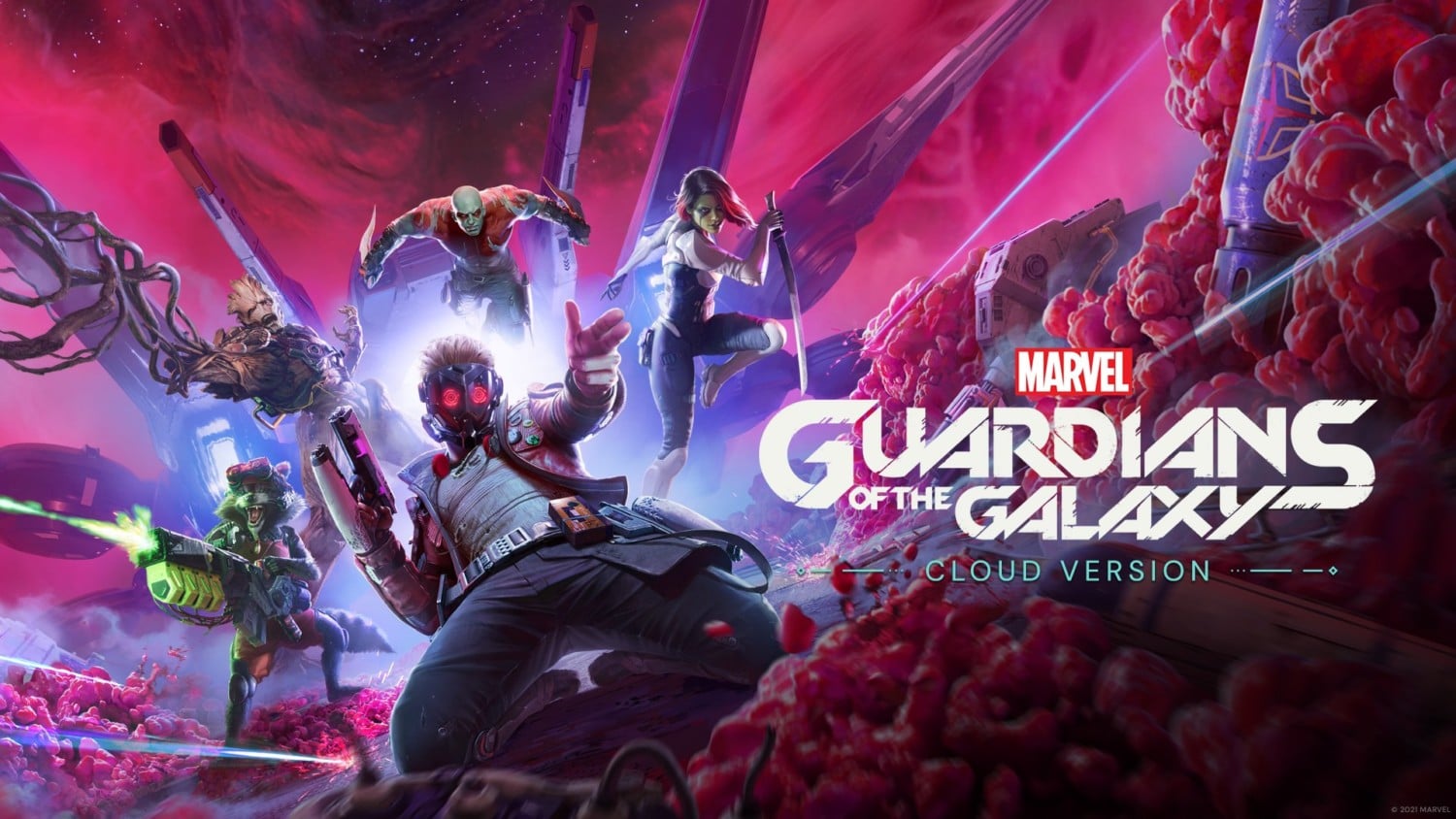
Marvel’s Guardians of the Galaxy showing up with a Switch 2 rating in Taiwan is the kind of update that instantly grabs attention because it hints at something Nintendo players never truly got the first time around – a proper local version of the game. Back on the original Switch, the game arrived as a cloud release, which meant the experience depended on streaming instead of running directly on the system. That alone changed the conversation around it. Even people who liked the idea of playing as Star-Lord on a Nintendo platform had to deal with the usual cloud concerns like connection quality, performance consistency, and the simple frustration of knowing the game was not really living inside the hardware in the way players usually expect.
This new rating matters because it points to the possibility of a different outcome on Switch 2. The stronger hardware opens the door to ports that were awkward, compromised, or simply unrealistic on the first Switch. For Marvel’s Guardians of the Galaxy, that is a big deal. This is a story-driven action game with sharp writing, expressive characters, cinematic presentation, and a lot of visual chaos flying around the screen at once. It deserves a setup that feels stable and direct, not one that lives or dies by internet quality. That is why the rating stands out. It is not just another database entry. It is a sign that one of the more overlooked superhero games of recent years may finally get a version on Nintendo hardware that feels complete, confident, and far easier to recommend.
Marvel’s Guardians of the Galaxy gets a fresh Switch 2 signal
A newly published rating from the Taiwan Digital Game Rating Committee has put Marvel’s Guardians of the Galaxy back in the spotlight, this time with Nintendo Switch 2 attached to its name. That is enough to make people sit up a little straighter, because ratings boards often show movement before publishers are ready to make noise themselves. It does not mean a release date has landed, and it does not replace an official announcement, but it does tell us that something tied to the game has moved far enough along to appear in public-facing classification records. For a title that had an unusual history on Nintendo hardware the first time around, that matters. It turns a quiet possibility into something more concrete. You can almost hear the collective reaction from Nintendo players: wait, are we finally getting the real version this time? That question is exactly why this development has traction.
Why the Taiwan rating matters right now
Ratings are not flashy. They do not come with dramatic trailers, orchestra swells, or a giant release date stamped across the screen. Even so, they often say more than people expect. A classification entry suggests a game is being processed through one of the formal steps that can appear before a reveal or launch window. In this case, the Taiwan listing matters because it names Switch 2 specifically, which makes the situation more interesting than a routine reclassification. It gives the impression of a platform-specific plan rather than a vague catalog update. That changes the mood around the game. Instead of people casually wondering whether it could happen someday, the conversation becomes whether Nintendo players are about to see one of the more technically demanding Marvel releases get a second chance on a much more capable machine. That is a very different kind of excitement.
The original Switch version came with a major compromise
The first Switch release of Marvel’s Guardians of the Galaxy arrived in a form that always felt like a compromise. It existed, yes, but it came as a cloud version rather than a native build running directly on the console. That distinction may sound small to someone skimming store pages in a hurry, yet it changes everything once the controller is actually in your hands. A cloud release asks players to trust not only the game itself, but also their connection, network stability, and streaming conditions. Instead of simply booting up and blasting your way through space with the Guardians, you also had to hope the technical bridge between you and the game held steady. For some players that was acceptable. For many others it was like being offered concert tickets with the warning that the stage might disappear if the Wi-Fi sneezed. The appeal was there, but the friction never really left.
What made the cloud release a tough sell for many players
The trouble with cloud gaming on hardware like the original Switch is that it can make ownership feel strangely slippery. You buy access to the adventure, but the experience never quite feels planted in your system in the same way as a standard release. Marvel’s Guardians of the Galaxy is not a small, quiet game built on stillness. It leans into banter, momentum, spectacle, combat effects, and cinematic sequences that work best when they feel immediate. Any hint of latency, image softness, or stream instability can chip away at that rhythm. That is why the cloud label mattered so much. It was not just a technical footnote. It shaped whether players saw the Nintendo version as a real option or as a backup plan. Plenty of people likely looked at it and thought, maybe later, or maybe somewhere else. For a game with this much charm, that was always a shame.
Why Switch 2 changes the conversation around ports like this
Switch 2 shifts the entire tone around ports that once looked difficult, compromised, or outright unrealistic on Nintendo hardware. A stronger system creates new expectations. Players are no longer just asking whether a game can show up on the platform in any form. They are asking whether it can show up in a version that feels proper, stable, and worth recommending without a paragraph of caveats. That matters for Marvel’s Guardians of the Galaxy more than it might for a simpler project, because the game relies on presentation and pacing. It wants to pull you into its version of Marvel chaos, not remind you of technical limits every few minutes. On stronger hardware, the dream is simple: press start and play the thing directly. No cloud label hanging over it. No feeling that you are peering at the adventure through a window. Just a cleaner relationship between player, console, and game.
A native version would be a much bigger story than it sounds
On paper, a native Switch 2 release may seem like a straightforward upgrade from one platform listing to another. In practice, it would be a meaningful correction. It would take a game that was available to Nintendo players in a limited form and reposition it as a real part of the platform’s library. That is important because availability and accessibility are not the same thing. Yes, the original Switch technically had Marvel’s Guardians of the Galaxy, but the cloud setup kept many players at arm’s length. A native version would remove that barrier and change the sales pitch overnight. Suddenly the game becomes easier to trust, easier to preserve in your library, and easier to recommend to someone who just wants to enjoy one of the better single-player superhero adventures without extra conditions attached. That is not a minor quality-of-life boost. It is the difference between a curiosity and a genuine platform addition.
What the PG-12 rating tells us about the game itself
The PG-12 classification also fits the game people already know. Marvel’s Guardians of the Galaxy has never been a lightweight, toy-box superhero romp where every edge is sanded down until it squeaks. It has action, danger, combat, and a tone that mixes humor with a little grit. That combination is a huge part of its appeal. The game understands that the Guardians are messy, emotional, funny, reckless, and surprisingly sincere all at once. A rating like this reinforces that identity without overselling anything new. It tells potential players that the adventure still sits in that middle ground where the action has bite, the language has attitude, and the tone is energetic without tipping into something far darker. For Nintendo players who only ever saw the cloud version from a distance, that classification helps frame the kind of experience being discussed. It is superhero chaos with personality, not just another tidy licensed package.
Why this game still deserves another shot on Nintendo hardware
There is a good reason this rating has sparked interest beyond simple platform speculation. Marvel’s Guardians of the Galaxy earned a strong reputation for its writing, character dynamics, and surprisingly heartfelt story, yet it never became the kind of Nintendo release people casually folded into their everyday recommendations. The cloud-only situation on the original Switch played a role in that. When a version feels compromised before a player even buys it, momentum dies fast. That is unfortunate because the game itself has a lot going for it. The banter snaps, the team chemistry works, and the adventure has a rhythm that feels lively instead of mechanical. It is one of those releases that made some people shrug at first and then say, hold on, this is actually really good. A stronger Nintendo platform gives it a chance to be judged on the game, not on the delivery method. That alone would make a return meaningful.
What a Switch 2 release could mean for Square Enix and third-party support
If Marvel’s Guardians of the Galaxy does land on Switch 2 in a proper local form, it would say something useful about the wider third-party picture around Nintendo’s new hardware. Ports are not just about filling shelves. They show confidence. They show where publishers believe the audience exists and where technical limitations have become less frightening. For Square Enix and other major publishers, a Switch 2 version of a game that previously had to rely on cloud streaming would signal that the platform is becoming easier to treat like a standard destination instead of a special case requiring unusual workarounds. That matters for players because every successful port lowers resistance for the next one. One game opens the door, then another walks through it wearing slightly better boots. Before long, the library starts to feel broader, healthier, and less defined by compromise. That is the larger backdrop quietly sitting behind this single rating entry.
What to watch for next after the rating appears
Now that the rating is out in the open, the next thing to watch is whether it is followed by official confirmation from the publisher, a store listing, or a platform announcement that gives the game a clearer place on the Switch 2 roadmap. Ratings often arrive before those pieces fall into line, so the absence of immediate confirmation is not unusual. Still, what happens next will shape how this story is remembered. If the listing turns into a formal reveal, the conversation quickly shifts from possibility to expectation, including questions about performance, pricing, and whether any visual or technical upgrades are part of the package. If nothing follows for a while, the entry remains a strong clue rather than a finished answer. Either way, the important part has already happened. Marvel’s Guardians of the Galaxy is back in the Switch 2 conversation, and this time the idea feels far more exciting because players can reasonably hope for something cleaner than the cloud-based compromise that came before.
Conclusion
The Switch 2 rating for Marvel’s Guardians of the Galaxy matters because it hints at a version of the game that could finally meet Nintendo players on better terms. The original Switch release proved the game could appear on the platform, but the cloud-only approach always felt like a half-step rather than a full arrival. A Switch 2 edition changes that expectation. It suggests the possibility of a release that feels local, reliable, and much easier to embrace without hesitation. For a game that won people over with sharp writing, strong character chemistry, and a surprisingly heartfelt story, that would be a welcome development. Sometimes a ratings board update is just paperwork. Sometimes it feels like the first crack of thunder before a storm of announcements. This one lands closer to the second category.
FAQs
- Has Marvel’s Guardians of the Galaxy been officially announced for Switch 2?
- No official announcement has been made based on the information provided here. What has appeared is a Taiwan age rating that specifically references Switch 2, which is a notable sign of movement but not the same as a formal reveal.
- Was Marvel’s Guardians of the Galaxy already available on Nintendo Switch?
- Yes, but the original Nintendo Switch release was a cloud version. That meant players streamed the game instead of running it natively on the hardware.
- Why is a Switch 2 version more exciting than the original Switch release?
- The biggest reason is the possibility of a native version. That would remove the cloud-based limitations that made the original Switch edition less appealing for many players.
- What does the PG-12 rating mean in this case?
- It indicates the game has been classified for that age category by the Taiwan Digital Game Rating Committee. It also reinforces the tone of the game, which includes action and stronger moments without pushing into a more extreme category.
- Does this rating confirm the game will run natively on Switch 2?
- No, the rating alone does not confirm that technical detail. It does, however, renew attention around the possibility of a version that improves on the cloud-only release Nintendo players received previously.
Sources
- Marvel’s Guardians of the Galaxy rated for Switch 2 in Taiwan, Gematsu, April 10, 2026
- Marvel’s Guardians of the Galaxy: Cloud Version, Nintendo, October 26, 2021
- Marvel’s Guardians of the Galaxy: Cloud Version Coming To Nintendo Switch, Marvel, June 16, 2021
- Marvel’s Guardians of the Galaxy Could Be Making Its Way To Nintendo Switch 2, Nintendo Everything, April 14, 2026