














Summary:
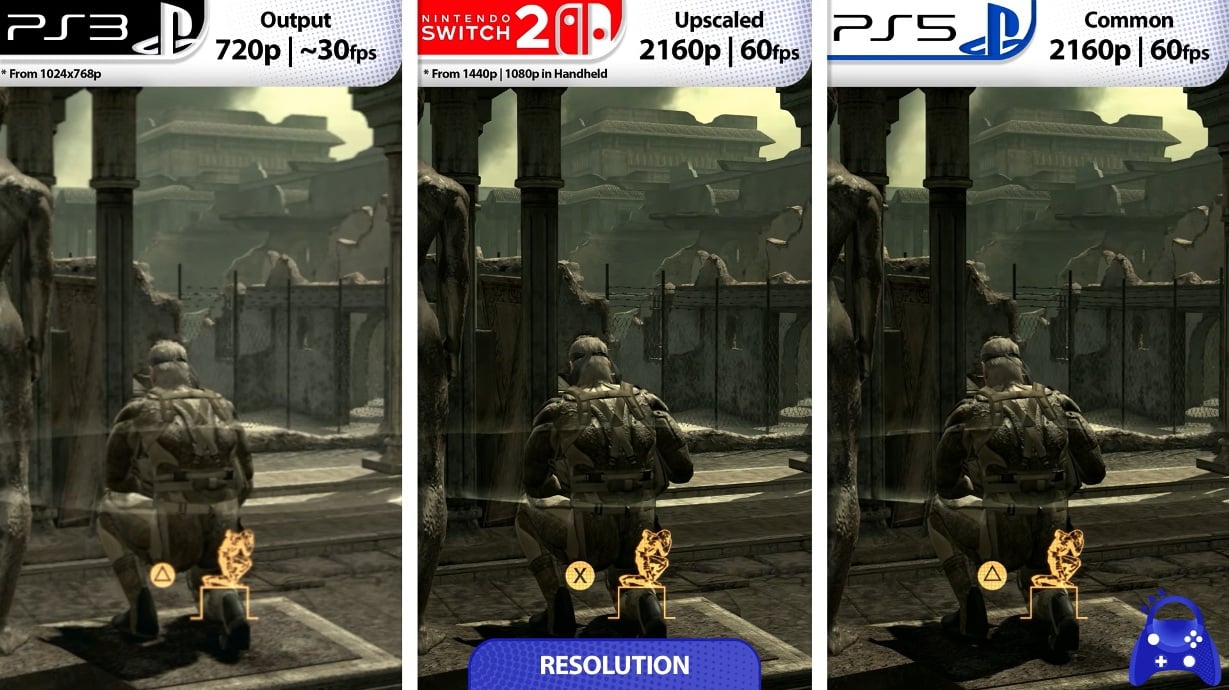
With Metal Gear Solid: Master Collection Vol. 2 arriving on August 27, 2026, a side-by-side video comparison shows how Metal Gear Solid 4 looks on Nintendo Switch 2, PS5 and the original PS3. We break down the visual uplifts, frame-rate changes and where each version pulls ahead or falls behind. Expect sharper textures, cleaner shadows and higher rendering resolution compared to the PS3 original, while Nintendo Switch 2 targets smooth 60 frames per second in gameplay. The PS5 build appears to keep a steadier frame-rate during demanding cutscenes and pushes a higher effective render resolution. Whether you care more about resolution, stability or portability will shape which version suits you best. We walk through the key differences so you know what to expect when the Master Collection arrives.
Metal Gear Solid 4 Graphics Comparison video and why it matters
The new comparison video lines up Metal Gear Solid 4 running on three platforms to show how modern hardware changes the game’s visual and performance profile. For fans of the series, seeing how the original PS3 build stacks up against modern hardware is more than eye candy – it informs expectations about load times, cutscene fidelity and the feel of stealth gameplay at higher frame-rates. The Nintendo Switch 2 build aims to deliver a portable MGS4 experience with 60 frames per second targets in gameplay, which is a noticeable leap compared to the 30 FPS baseline of the PS3 version and the frequent drops players remember. The PS5 port, meanwhile, prioritizes rendering resolution and cutscene stability, which keeps cinematic moments looking crisp without as many frame dips. Watching the three versions side-by-side quickly highlights trade-offs between resolution, texture quality, shadow detail and raw frame-rate stability, helping you decide whether portability or peak visuals matter more to your play style.
What changed since the PS3 original: resolution, textures and shadows
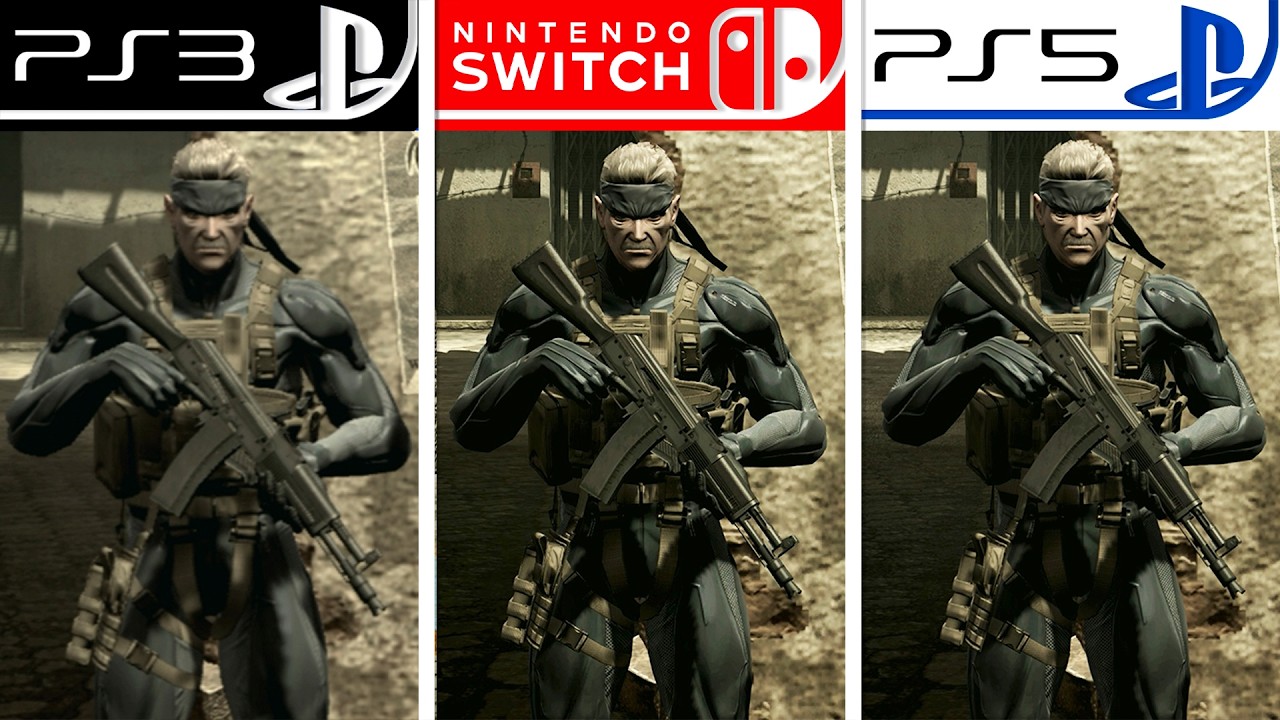
Compared to the PS3 release, all modern ports show clear improvements in resolution and texture sharpness, giving character models, environments and UI elements a cleaner presentation. The remastering work typically includes higher-resolution textures, rebuilt shadow maps and improved filtering, which reduces the blurry look that older consoles often produced when stretched to modern displays. In the comparison, shadow definition is especially noticeable – darker, more detailed occlusion around objects makes environments read better, and character lighting feels more consistent. Texture pop-in and blur are far less pronounced on the newer hardware. That said, how much of this improvement you see depends on each platform’s internal rendering resolution and post-processing choices. The PS5 version leans into higher rendering resolution and stronger shadow fidelity, while Nintendo Switch 2 focuses on balancing those visual gains with smoother gameplay and the ability to play on the go.
Nintendo Switch 2 performance and visuals explained
The Nintendo Switch 2 build targets 60 frames per second in gameplay, which makes movement, aiming and stealth feel snappier than the PS3 baseline. That improved frame-rate changes how the game plays – stealth windows open and close faster, camera movement is smoother and hit detection can feel more responsive. To reach this target, the Switch 2 version adjusts internal rendering resolution and may dial certain post-processing effects down compared to the PS5 build. Texture quality and shadows still get upgrades over PS3, but the Switch 2 sometimes trades the absolute highest resolution or shadow complexity for steadier performance. One big plus is portability: being able to run MGS4 at a higher frame-rate on a handheld-capable system opens replayability for long-time fans who want to experience Snake’s final mission away from the TV. For players who value fluid gameplay and convenience, the Switch 2 version presents a compelling balance of visuals and performance. For more on the Switch 2 platform and news, check out the Nintendo Switch 2 section on NintendoReporters.
Resolution, textures and shadow breakdown across versions
When you examine resolution, texture fidelity and shadows frame-by-frame, differences become obvious. The PS3 original uses lower resolution assets and simpler shadow techniques because of the hardware limits of the era, which results in softer edges and less detailed lighting. The remastered builds replace or upscale textures, employ better anisotropic filtering and use deeper shadow cascades or higher resolution shadow maps to create a more three-dimensional look. PS5 shows the highest effective rendering resolution in the comparison and tends to keep texture detail intact even during quick camera moves. Switch 2 sits between PS3 and PS5 in pure detail, offering sharp textures on many surfaces but sometimes reducing draw distance or shadow resolution in very complex scenes. These trade-offs are how each version balances fidelity with stable rendering, and they explain why some cutscenes look marginally better on PS5 while in active gameplay the Switch 2 feels smoother and more responsive.
Frame-rate behaviour and cutscene stability across consoles
Frame-rate behaviour is one of the most consequential differences you notice when comparing the three versions. The PS3 original ran at 30 FPS during gameplay with drops into the teens during heavy sequences and cutscenes, which can make slow, cinematic moments feel choppy by modern standards. Nintendo Switch 2 targets 60 FPS for gameplay, which keeps motion fluid and improves control responsiveness, though some cutscenes can still push the hardware and create occasional micro-stutters. The PS5 release focuses on delivering a high and stable rendering resolution while improving cutscene stability; in testing, it often stays closer to a steady frame-rate during demanding cinematic moments compared to the Switch 2. That means the PS5 build may look more consistent during scripted scenes while the Switch 2 shines during interactive parts where frame-rate directly affects how the game plays.
How these differences affect gameplay and player choice
Choosing between the versions comes down to what you value most: raw resolution and cutscene polish, or smooth, portable gameplay. If you put a premium on cinematic stability and the highest visual fidelity, the PS5’s steadier rendering during cutscenes and higher effective resolution will appeal. If you prefer a smoother, more responsive stealth experience and the freedom to play anywhere, Nintendo Switch 2 offers 60 FPS gameplay that changes how infiltration and combat feel. For purists who love the original PS3 experience for nostalgia or historical context, the PS3 build still holds up as the foundation of Metal Gear Solid 4’s design, but modern builds clearly improve visual clarity and playability. Ultimately, each version leans into different strengths so you can pick the one that matches your priorities: visuals, stability, or portability.
Release details and context for Metal Gear Solid: Master Collection Vol. 2
Metal Gear Solid: Master Collection Vol. 2 is scheduled to release on August 27, 2026, and includes Metal Gear Solid 4 alongside other titles in the series. Konami’s updates to the collection include adjustments to visuals and mechanics across platforms to bring the games up to modern expectations. The remastering work aims to preserve the story, pacing and character performances while updating how the games look and run on current hardware. For fans tracking announcements and launch information, NintendoReporters will share ongoing coverage and hands-on impressions. If you want a single destination for Nintendo-focused news on the Switch 2 era and beyond, explore the homepage at NintendoReporters for related updates and follow-up reports.
Where to watch the full graphics comparison and what to look for
If you want to see the differences yourself, watch the full side-by-side video and pause frame-by-frame during busy cutscenes to compare shadow edges, facial detail and HUD clarity. Pay attention to moving sequences to feel the frame-rate differences, and look for texture pop-in or reduced draw distance to spot where each build compromises. Also listen for audio sync and lip-sync fidelity during dialogue, since remasters sometimes rework timing or audio assets. Watching the comparison with a critical eye helps you evaluate whether the Switch 2’s smoother gameplay outweighs PS5’s higher rendering resolution for your play preferences. Keep an eye out for any platform-specific toggles or display modes that Konami might include at launch, as those options can change how the game balances fidelity and performance on each system.
Conclusion
Comparing Metal Gear Solid 4 across Nintendo Switch 2, PS5 and PS3 shows clear technical progress while highlighting platform-specific trade-offs. Nintendo Switch 2 delivers a more fluid gameplay experience with targeted 60 frames per second performance, ideal for players who prioritise responsiveness and portability. PS5 leans into higher rendering resolution and steadier cutscene performance, making cinematic moments look cleaner and more stable. The original PS3 build remains historically significant and shows how far the series has come. When the Master Collection Vol. 2 launches on August 27, 2026, your choice will depend on whether you want top visual fidelity, the smoothest frame-rate, or the convenience of handheld play. Either way, there are meaningful improvements across the board that give new and returning players better ways to experience Solid Snake’s final mission.
FAQs
- Which version has the best visuals overall?
- The PS5 build typically offers the highest effective rendering resolution and stronger shadow detail, making cutscenes and static scenes look the cleanest compared to the Switch 2 and original PS3 versions.
- Does Nintendo Switch 2 run the game at 60 FPS everywhere?
- Switch 2 targets 60 FPS for gameplay, which improves responsiveness, but some very demanding cutscenes or scripted sequences may still show occasional dips or micro-stutters depending on settings and scene complexity.
- Is the PS3 original included in the Master Collection Vol. 2?
- The collection includes Metal Gear Solid 4 with modern updates; the original PS3 build is the foundation but remastered versions replace or upgrade many assets to modern standards.
- Will saved games transfer between versions or platforms?
- Konami has not universally announced cross-platform save transfer for all systems; check official launch notes and platform-specific details at release for migration options.
- Where can I watch the side-by-side comparison video?
- Look for technical comparison videos from reputable outlets and the official Konami channels. NintendoReporters will link to and summarise notable videos in our coverage leading up to the collection’s launch.
Sources
- METAL GEAR SOLID: MASTER COLLECTION Vol. 2 releases August 27; pre-orders start today for both physical and digital versions, Konami Digital Entertainment, February 12, 2026
- Video: Metal Gear Solid 4 Side-By-Side Graphics Comparison (Switch 2, PS5, PS3), Nintendo Life, August 23, 2026
- Video: Metal Gear Solid 4 Nintendo Switch 2 vs. PS5 vs. PS3 graphics comparison, Nintendo Everything, August 21, 2026
- Metal Gear Solid 4 Comparison Shows Curious Switch 2 And PS5 Differences, Twisted Voxel, August 22, 2026