














Summary:
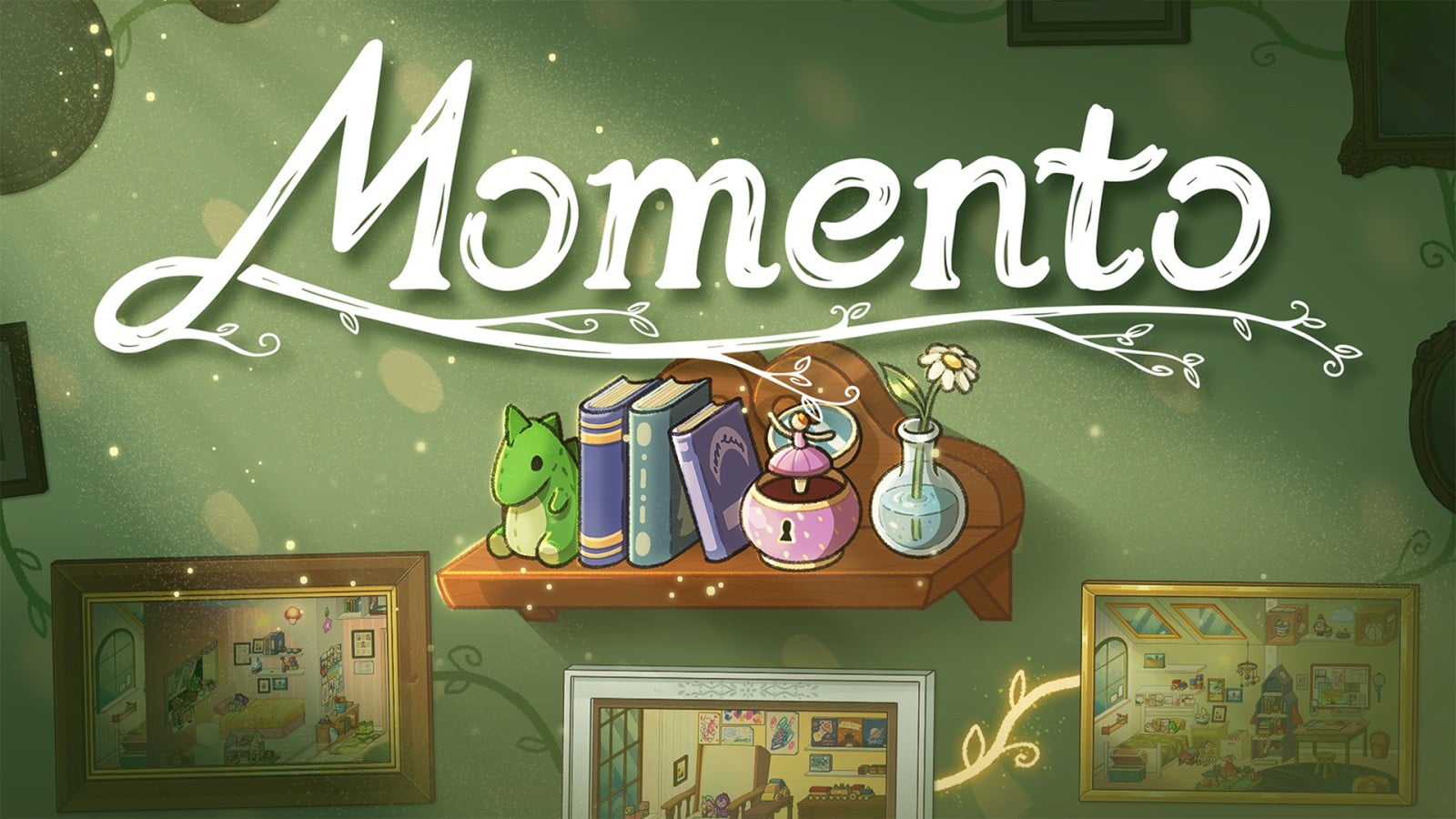
Silver Lining Interactive has released a launch trailer for Momento, marking the cozy room-decorating game’s arrival on Nintendo Switch and Nintendo Switch 2. Developed by Fat Alien Cat and Nomo Studio, Momento offers far more than an opportunity to arrange furniture and create attractive living spaces. The objects you select, display and carry forward can influence the direction of an evolving story that stretches from childhood into adulthood.
Players begin by choosing toys and personal belongings that represent their character’s early interests and dreams. Those seemingly innocent decisions can ripple across an entire lifetime, shaping future rooms, relationships and experiences. Sentimental objects may return years later with new emotional significance, while ordinary decorations can conceal stories, puzzles or unexpected details.
Each environment is designed to feel tactile and interactive. Players can switch on lights, browse books, pet animals and investigate the corners of every room. Items and furniture collected through the story can also be used in a separate creative mode, allowing players to decorate their own spaces without worrying about making the correct narrative choice.
Momento launched digitally for Nintendo Switch and Nintendo Switch 2 on June 30, 2026. A physical edition is scheduled to follow on July 17, giving collectors another way to experience its mixture of decoration, exploration and emotional storytelling.
Momento Launch Trailer Celebrates Its Nintendo Console Debut
Silver Lining Interactive, Fat Alien Cat and Nomo Studio have shared a launch trailer for Momento, offering Nintendo players a closer look at its peaceful rooms, interactive objects and choice-driven storytelling. The game is now available digitally for both Nintendo Switch and Nintendo Switch 2, bringing its unusual blend of interior decoration and emotional narrative to Nintendo’s current systems. It may look like a gentle decorating experience at first, but there is considerably more happening beneath the neatly arranged cushions and carefully positioned lamps.
The launch trailer introduces the central idea behind Momento: the belongings we keep can say a surprising amount about who we are. Instead of treating furniture as simple visual decoration, the game connects personal objects to memories, relationships and possible futures. A toy selected during childhood may quietly influence the path followed in adulthood, while a seemingly insignificant keepsake can return later with far greater emotional weight. It is a clever concept because most of us have at least one battered object we would rescue before something objectively more valuable.
Room Decoration Shapes an Entire Lifetime
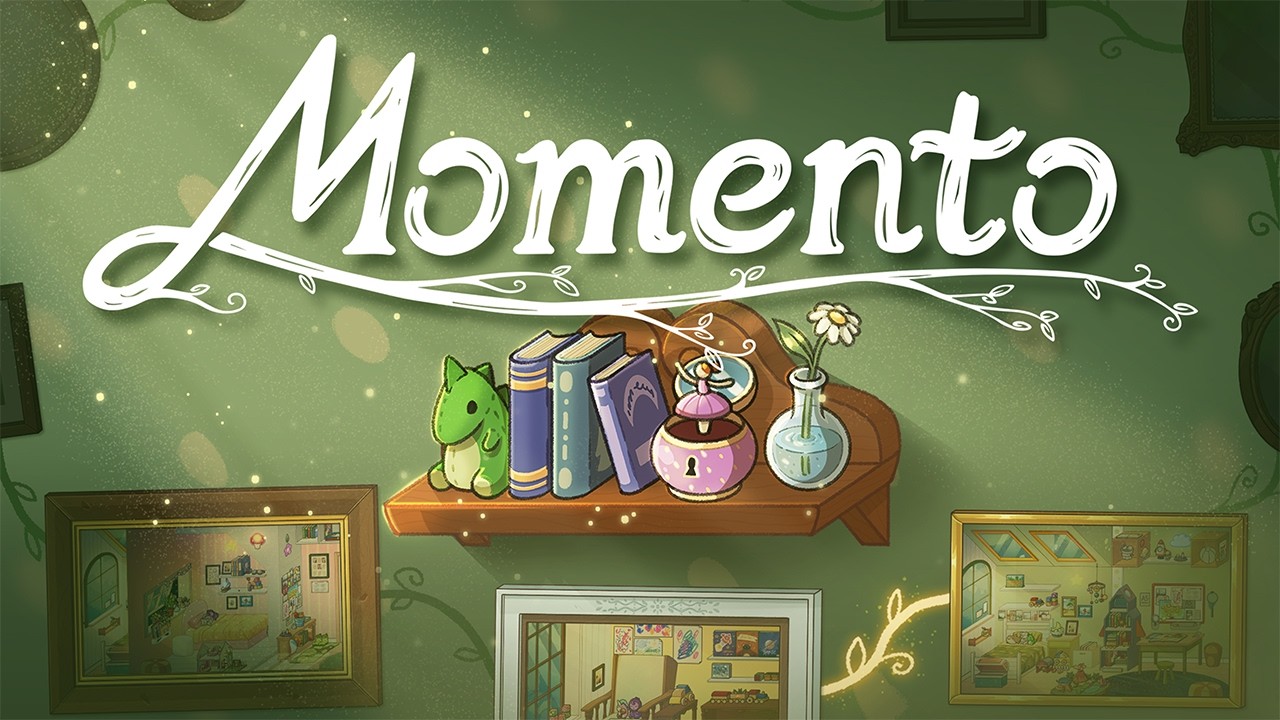
Momento transforms room decoration into a form of storytelling. Players arrange spaces, select meaningful possessions and observe how those decisions affect the character’s life over time. There is no rigid checklist telling you which object belongs on which shelf. Instead, the game encourages you to follow your instincts and create rooms that reflect the personality you imagine for the person living there. That freedom gives every choice a personal flavour, even when you are simply deciding where to place a book or stuffed animal.
The story moves through different stages of life, allowing rooms to change alongside the character. Childhood spaces filled with toys gradually give way to adult environments shaped by careers, relationships and personal experiences. The objects that survive these transitions become threads connecting one chapter to the next. Some will represent dreams that came true, while others may serve as reminders of paths abandoned along the way. It is a quiet way to explore cause and effect without turning every decision into a flashing warning sign.
Childhood Choices Establish the Foundations of the Story
The journey begins during childhood, when players choose toys and belongings that represent possible dreams for the future. A creative object might suggest an artistic ambition, while another item could point toward exploration, science or a completely different passion. These early selections are not presented as a conventional character-creation questionnaire. You reveal the character through the space itself, using possessions rather than dialogue boxes to sketch out a personality.
That approach makes the opening especially important. Children often attach enormous meaning to objects that adults might consider disposable, and Momento builds its story around that emotional truth. A worn toy can become a symbol of comfort, ambition or family connection. By asking players to choose what deserves a place in the room, the game creates an immediate attachment to objects that may continue appearing much later. You are not just organising clutter. You are quietly planting seeds that can grow into entirely different futures.
Everyday Objects Carry Memories and Hidden Meaning
One of Momento’s most distinctive ideas is that ordinary belongings can hold extraordinary significance. A photograph, book, ornament or childhood toy may initially seem like a small decorative detail, yet its importance can change as the story develops. Some items follow the character through several stages of life, gathering emotional meaning each time they reappear. Others may reveal connections that were not obvious when they were first discovered.
This gives players a reason to pay attention to more than colour schemes and furniture layouts. The game regularly invites you to consider why an object matters and what it might reveal about the person who owns it. Certain belongings may not be exactly what they appear to be, while carefully placed clues can hint at hidden stories or alternate possibilities. It turns each room into something resembling a personal museum, except the exhibits are still being written and the curator may occasionally hide a puzzle behind the curtains.
Interactive Rooms Encourage Curiosity
Momento’s rooms are not static displays that can only be admired from a distance. Players can click through environments and interact with many of the objects around them. Lights can be switched on, books can be opened and animals can be petted. These small actions help the spaces feel occupied rather than staged, as though someone has stepped away for a moment and left behind a room filled with evidence of their life.
Exploration is encouraged throughout each level, with secrets waiting in drawers, corners and other easily overlooked places. A player who rushes directly toward the obvious objective may miss optional interactions, subtle storytelling details or useful items. The design rewards the kind of curiosity that makes you inspect every shelf even when common sense insists there cannot possibly be anything behind the third identical plant pot. In Momento, there just might be.
Creative Mode Opens the Door to Endless Decorating
Items and furniture discovered during the main story can be unlocked for use in creative mode. This separate option gives players a more relaxed space in which to decorate without worrying about how every decision might affect the narrative. Once a growing collection has been assembled, rooms can be rearranged and personalised according to the player’s own tastes.
Creative mode is an important companion to the story because it provides room for experimentation. Players can test unusual combinations, build themed spaces or create the sort of room they would genuinely enjoy living in. Perhaps that means an elegant reading corner with carefully coordinated furniture. Perhaps it means placing every available object in one chaotic pile and calling it modern art. There is no wrong approach, and the absence of strict rules keeps the decorating process playful rather than stressful.
Puzzles and Easter Eggs Reward Careful Exploration
Momento also includes puzzles and Easter eggs hidden throughout its environments. These optional discoveries can lead to special rewards, giving attentive players another reason to examine rooms closely. Objects may need to be arranged in a particular way, environmental clues may point toward a solution and certain interactions can reveal surprises that are easy to miss during a casual playthrough.
The puzzles fit naturally into the decorating and exploration systems instead of feeling like unrelated obstacles. Since the game already trains you to consider the meaning and placement of objects, it makes sense that some arrangements might unlock more than a visually pleasing room. This creates a satisfying loop in which curiosity leads to discovery, discovery adds new items and those items expand the possibilities available in creative mode. Every suspiciously empty shelf starts to feel like it is plotting something.
Relaxing Presentation Supports the Emotional Story
The launch trailer highlights Momento’s warm visual style, calming scenery and gentle music. Rooms are filled with colour and small animated details, helping each stage of life develop its own atmosphere. Childhood settings feel playful and full of possibility, while later locations can carry more complicated emotions as the character encounters love, heartbreak, wonder and loss.
The relaxing presentation does not prevent the story from exploring heavier ideas. Instead, it creates a comfortable space in which those themes can unfold naturally. The game appears interested in the quiet emotional power of possessions rather than dramatic spectacle. A familiar object returning at the right moment can communicate more than a lengthy speech, particularly when the player remembers choosing it hours earlier. The result is designed to feel reflective without losing the cosy charm that makes arranging each new room enjoyable.
Returning to the Beginning Reveals New Possibilities
The story does not simply end after one path has been completed. Momento eventually returns players to the beginning, allowing them to make different choices and discover alternate outcomes. New object selections can produce fresh twists, changed relationships and different interpretations of familiar events. This structure encourages multiple playthroughs because earlier decisions may have consequences that only become fully understandable after reaching the end.
Repeating the journey also changes how players view the opening stages. A toy that seemed unimportant during the first playthrough may become a tempting choice once its possible significance is understood. Another object might be deliberately avoided to see how the character’s future changes without it. Rather than asking players to repeat identical tasks, the game uses accumulated knowledge to turn familiar rooms into spaces filled with new questions.
Momento Is Available Digitally With a Physical Edition Ahead
Momento was released digitally for Nintendo Switch and Nintendo Switch 2 on June 30, 2026. The game can be purchased through the Nintendo eShop, allowing players to begin shaping rooms and life stories on either Nintendo platform. Both versions present the same central mixture of decoration, exploration, interactive objects and branching narrative choices.
A physical edition is scheduled for July 17, 2026. That boxed release should appeal to collectors who prefer keeping their games on the shelf, which feels especially appropriate for an experience built around the sentimental value of physical belongings. The idea of owning a tangible copy of a game about treasured objects almost sounds like one of Momento’s own carefully planned thematic details.
The newly released trailer provides a useful introduction for players who are still deciding whether Momento belongs in their collection. It showcases the tactile interactions, changing environments and varied furniture while preserving many of the story’s surprises. Those who enjoy cosy games but want their decorating decisions to carry narrative weight may find its concept particularly inviting.
Conclusion
Momento brings a thoughtful twist to the familiar pleasure of decorating a room. Every toy, book, photograph and piece of furniture can contribute to a larger story about the person who owns it. By following a character from childhood into adulthood, the game explores how small choices can influence dreams, relationships and memories across an entire lifetime.
The combination of interactive spaces, branching outcomes, hidden puzzles and a flexible creative mode gives players several reasons to explore beyond a single playthrough. Momento is available digitally on Nintendo Switch and Nintendo Switch 2, while its physical edition is set to arrive on July 17, 2026. The launch trailer offers a warm look at a game where arranging a shelf might be easy, but deciding which memories deserve a place on it could be much harder.
FAQs
- What is Momento?
- Momento is a cosy room-decorating game in which the objects selected and arranged by the player can influence an evolving story that follows a character through different stages of life.
- Is Momento available on Nintendo Switch 2?
- Yes. Momento was released digitally for both Nintendo Switch 2 and Nintendo Switch on June 30, 2026.
- Does Momento have a creative mode?
- Yes. Furniture and items unlocked through the story can be used in creative mode, where players can decorate rooms freely without affecting the narrative.
- Do choices affect the story in Momento?
- Yes. Objects chosen during childhood and later stages can influence the character’s path, producing different developments, discoveries and endings.
- When will the physical edition of Momento be released?
- The physical edition of Momento is scheduled to launch for Nintendo platforms on July 17, 2026.
Sources
- Momento for Nintendo Switch, Nintendo, June 30, 2026
- Momento for Nintendo Switch 2, Nintendo, June 30, 2026
- Momento Shares Nintendo Switch 2 and Switch Release Date, New Trailer, Nintendo Everything, June 5, 2026
- Momento Announced for Switch 1&2, & PS5, Silver Lining Interactive, March 17, 2026
- Momento Physical Edition for PS5, Switch and Switch 2 Launches July 17, 2026, Maximum Entertainment France, June 2026