












Summary:
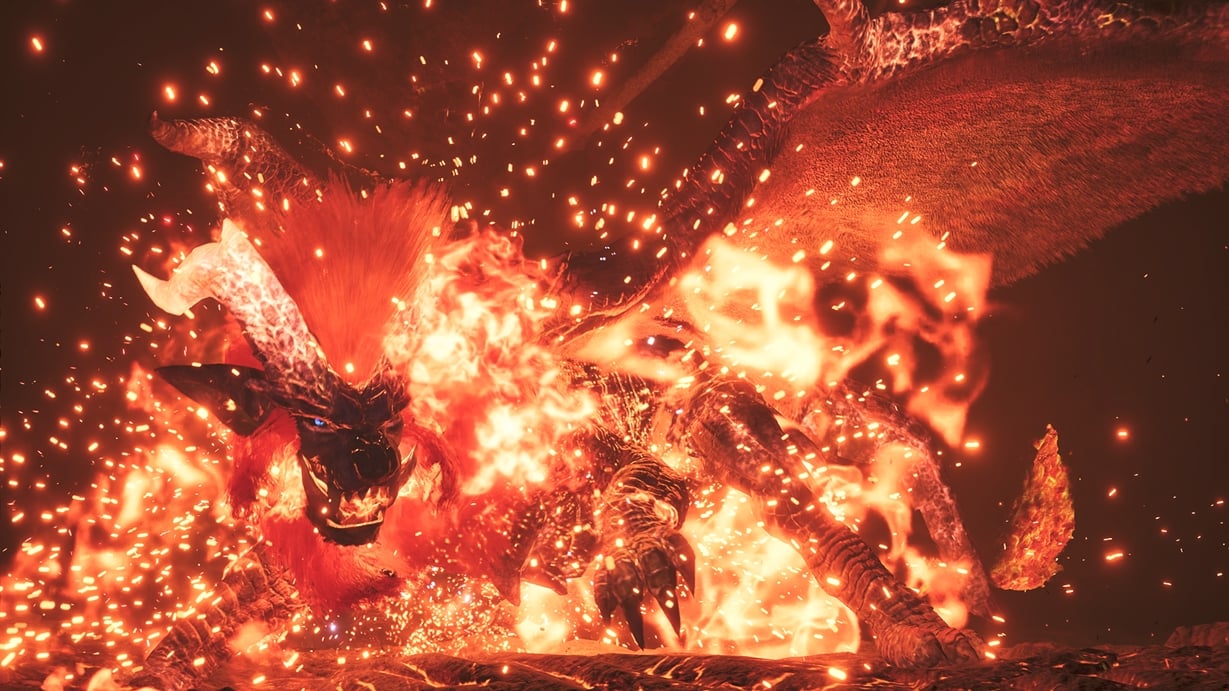
NintendoReporters brings you the latest from Capcom’s Tokyo Game Show coverage – Monster Hunter Wilds: Ascendance has officially revealed the return of Teostra and a slate of gameplay upgrades that aim to sharpen hunting flow and polish quality-of-life systems. The expansion is targeting a 2027 launch on PlayStation 5, Xbox Series X|S, and PC, while the base Monster Hunter Wilds is slated to arrive on Nintendo Switch 2 on December 4, 2026. Key reveals include the Boost Bracer – a new tool that temporarily enhances weapon actions – plus refinements such as faster weapon swapping without relying on the Seikret, the ability to swap equipment outside of the tent using the Item Box, and broader changes that will be added to the base game as well. For fans who want the nuts and bolts – and a sense of how this will change hunts – read on for a clear breakdown of what was shown, what it means for players, and how to prepare before Ascendance lands next year.
TGS 2026 Monster Hunter Wilds Showcase – What Capcom Showed Recently
Capcom used its Tokyo Game Show segment to give Hunters a beefy look at Ascendance, showing a longer cut of the expansion trailer alongside developer commentary. The showcase mixed story teases with gameplay reveals, laying out both narrative beats and mechanical tools that will reshape how fights feel. The broadcast confirmed Ascendance is a paid, large-scale expansion coming in 2027 and emphasized that many of the quality-of-life tweaks will be rolled into the base Monster Hunter Wilds as well. For players who missed the stream, the key takeaways were the return of classic Elder Dragons, a new flying region called the Skybound Eyrie, and a new gameplay gadget – the Boost Bracer – that temporarily upgrades your Hunter’s capabilities. Capcom’s team highlighted how Ascendance builds on the base game’s systems while introducing new moments meant to surprise veterans and welcome newer players into grander hunts.
Teostra Returns – What That Means for Hunters
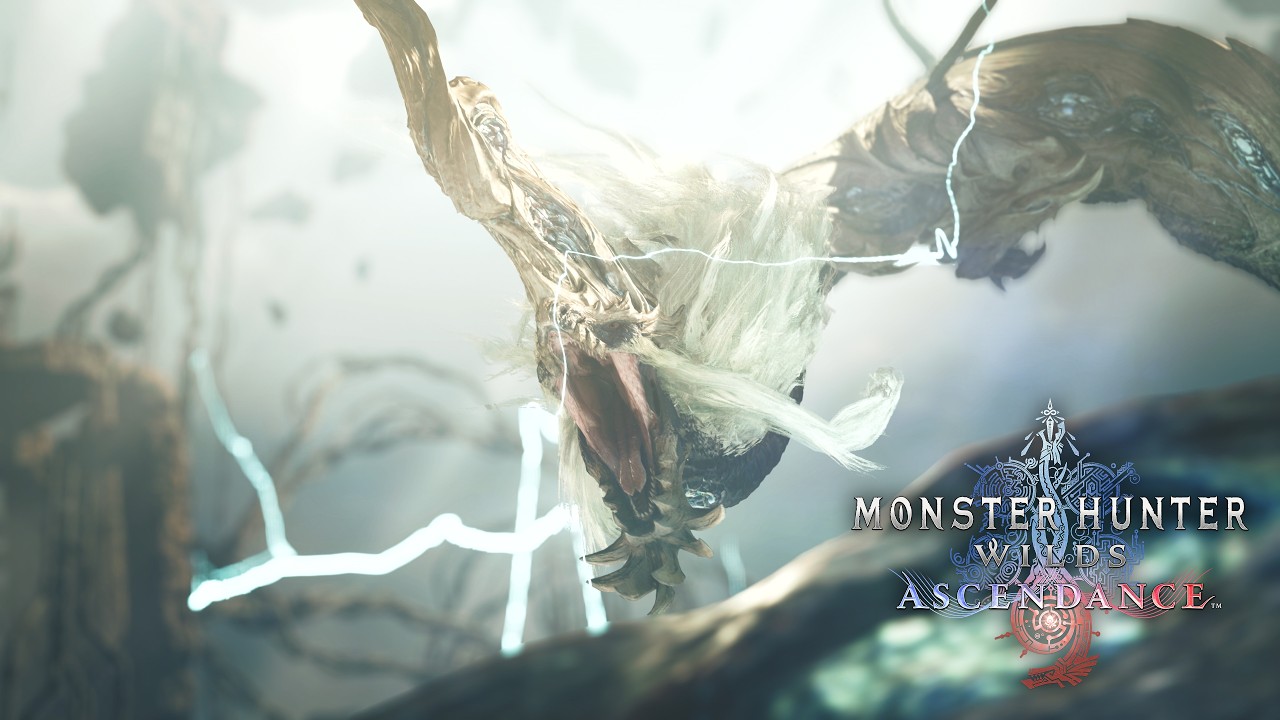
Teostra’s inclusion in Ascendance is a major win for long-time Monster Hunter fans – the explosive fire-breathing Elder Dragon is known for aggressive aerial strafing, flame domes, and high-risk high-reward moments. Its return signals that Ascendance will test positional play, elemental resistance planning, and reactive healing under pressure. Expect armor sets and weapons to be tuned around resisting or exploiting Teostra’s flame-based attacks, and for players to revisit old strategies while learning new tells. Beyond the creature itself, the reveal acts as a tone-setter: Capcom wants the expansion to feel like a true escalation of the base game’s threats, with larger arenas, layered attack patterns, and moments that push cooperative play to the forefront. That’s great news if you like coordinated hunts where timing, item choice, and weapon matchups really matter.
The Boost Bracer Explored – How It Changes Combat
The Boost Bracer is one of the most discussed reveals from the showcase because it directly changes how weapons play in short bursts. When activated, the device temporarily grants a Boost state that amplifies each weapon type’s unique traits – more aggressive combos for some weapons, expanded counters for others, and new mobility or follow-up attacks in mid-combo. Capcom’s developers explained that the Boost Bracer links to the Hunter’s Slinger to trigger special Boost Drivers which create openings for high-impact follow-ups. For you as a Hunter that means learning when to shift from careful positioning to full-on rush, and choosing loadouts that let you squeeze the most out of a limited-time power window. In short, it’s a mechanic that encourages theatrical, momentum-driven play while rewarding players who can read monsters and time their Boosts perfectly.
Quality-of-Life Improvements Coming With Ascendance
Aside from new monsters and the Boost Bracer, Ascendance brings several practical refinements aimed at reducing friction during hunts and prep. Notably, Capcom confirmed faster weapon swapping will be possible without mounting a Seikret – a subtle change that speeds up weapon-based role shifts mid-hunt. The Item Box will also allow changing equipment outside the tent, which cuts down on time spent backtracking and lets you react more quickly between missions or while organizing for a big hunt. These changes will be added to the base Monster Hunter Wilds too, meaning the overall game will feel smoother even before Ascendance arrives. For players who grind gear or hop between roles, these tweaks will save hours of tedium and encourage experimentation, because switching loadouts no longer carries the same logistical penalty.
Platforms, Release Window, and Switch 2 Launch Details
Capcom has stated Ascendance will arrive in 2027 on PlayStation 5, Xbox Series X|S, and PC, while Monster Hunter Wilds itself is scheduled to launch on Nintendo Switch 2 on December 4, 2026. The Switch 2 release will include local multiplayer and cross-platform play features that help unite the player base across systems. Capcom’s official press release and platform pages make clear that Ascendance requires the base game to play – so if you plan to jump in on Switch 2, you’ll be set up for both the initial launch and the expansion cycle. For Hunters who primarily follow Nintendo releases, the Switch 2 date is the immediate milestone to bookmark – it’s the moment to start building resources and familiarizing yourself with weapon fundamentals that Ascendance will later amplify.
How Ascendance Will Affect the Base Monster Hunter Wilds Experience
Capcom says many Ascendance features will be integrated back into the base game, which changes the calculus for players pacing their progression. Boost Bracer functionality and the various QoL improvements mean the base experience will gain new layers of combat and convenience, making hunts faster and more varied. That could shift meta choices for weapon builds, armor prioritization, and even online group composition, as players test how Boost windows change established roles. For single-player Hunters, the Item Box and faster swaps lower the entry barrier to trying alternate playstyles, while for multiplayer groups the changes should improve flow and reduce downtime. Essentially, Ascendance doesn’t just expand the world – it upgrades the foundational tools you’ll use in every hunt.
Practical Tips – How to Prepare Before Ascendance Arrives
If you want to be ready when Ascendance drops, start with the basics: sharpen your knowledge of one or two weapon types and get comfortable with their core combos, because the Boost Bracer amplifies rather than replaces weapon identity. Farm a balanced set of armor with elemental resistances – Teostra’s fire output will punish weak defenses – and stockpile consumables that reduce downtime, such as whetstones and high-tier healing items. Practice position awareness and learn to bait large attacks – many boosted windows will hinge on creating openings rather than raw damage. Finally, use community hubs to share test runs and Boost timing; lessons passed between Hunters will speed up group adaptation once Ascendance is live.
Community Reaction and What to Expect Next
Across social channels and forums, reactions to the trailer and TGS showcase are a mix of hype, curiosity, and picky optimism – exactly what you’d expect from a franchise with a passionate player base. Fans are excited to see Teostra return, while weapon specialists are already theorizing how the Boost Bracer will reshape speedruns and boss techniques. Community creators will likely begin testing new rotations and posting findings as Capcom releases weapon-specific Boost showcases. Expect a steady drip of screenshots, demo impressions, and deep experimental play over the coming months as demo builds and official developer updates clarify remaining questions. At NintendoReporters we’ll follow those discussions closely and keep you updated as new mechanical details and release specifics are announced.
Conclusion
Ascendance looks like a meaningful expansion for Monster Hunter Wilds – it brings memorable monsters, a flashy new Boost Bracer that spices up combat, and practical quality-of-life fixes that will improve the base game for everyone. With the Switch 2 release set for December 4, 2026 and Ascendance planned for 2027, now is a good moment to get familiar with the game systems, practice with preferred weapons, and gather the resources that will make early Ascendance hunts more manageable. NintendoReporters will continue to cover new reveals and player reactions so you can stay informed and ready for the next big hunt.
FAQs
- When is Monster Hunter Wilds coming to Switch 2?
- Monster Hunter Wilds is scheduled to arrive on Nintendo Switch 2 on December 4, 2026.
- Is Teostra playable or a boss in Ascendance?
- Teostra is revealed as a huntable Elder Dragon in Ascendance – prepare to face it as a boss encounter rather than a playable character.
- What is the Boost Bracer and how does it work?
- The Boost Bracer is a new equipment mechanic that temporarily enhances weapon actions through Boost Drivers, offering expanded combos and follow-ups for each weapon type.
- Will the quality-of-life changes be added to the base game?
- Yes – Capcom confirmed that several refinements shown in the Ascendance showcase, including faster weapon swapping and Item Box improvements, will be added to the base Monster Hunter Wilds experience.
- When will Ascendance release?
- Capcom has announced that Monster Hunter Wilds: Ascendance is scheduled to launch in 2027 on current-generation consoles and PC.
Sources
- Monster Hunter Wilds expansion ‘Ascendance’ reveals Teostra, Gematsu, September 16, 2026
- Monster Hunter Wilds: Ascendance to Launch in 2027!, CAPCOM, June 8, 2026
- Monster Hunter Wilds: Ascendance reveals new monsters, story details, and gameplay, PlayStation.Blog, September 3, 2026
- Monster Hunter Wilds Launches For Switch 2 This December, Includes Local & Cross-Platform Play, Nintendo Life, September 10, 2026