














Summary:
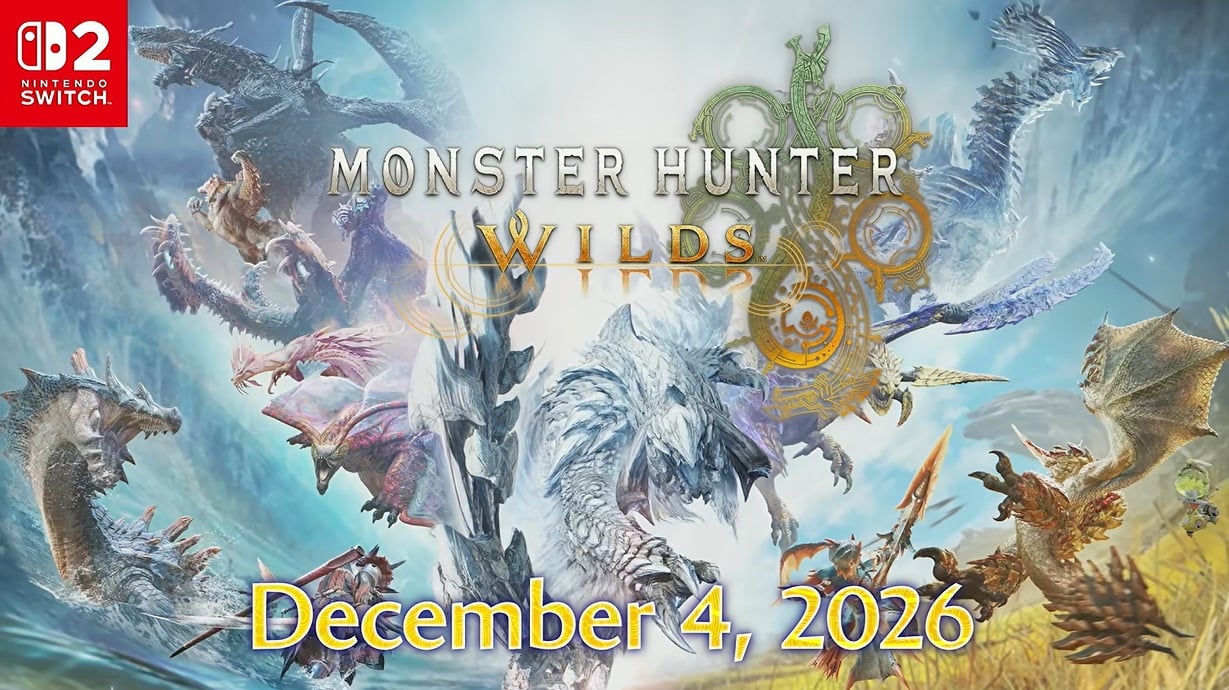
Capcom’s team explained what it took to bring Monster Hunter Wilds to Nintendo Switch 2 and why they refused to ship an obviously inferior version. Developers told Famitsu that Switch 2 work began in June 2025 and that full-scale effort picked up once core Wilds development freed up staff. The process started with simply trying to make the game run on the new hardware, then moved into meticulous rounds of verification and optimization. The team focused on keeping the hunting feel intact while trimming or reworking systems that hindered performance. Rather than a quick port, this was a platform-specific project aimed at delivering an experience players would enjoy on the new hybrid system. NintendoReporters explains the timeline, the key technical challenges, how the Switch 2 edition compares with other platforms, and what it could mean for players moving forward.
Why Capcom decided to bring Monster Hunter Wilds to Nintendo Switch 2
Capcom did not treat the Switch 2 version as an afterthought – the goal was to make Wilds feel native on the new hybrid hardware. The team recognized an audience that still wants Monster Hunter on portable-capable systems and saw an opportunity to extend Wilds’ life beyond its original platforms. Rather than simply downscaling assets and calling it a day, Capcom gathered a dedicated team once members became available and committed to an optimization-first approach. That meant evaluating every visual, system, and performance cost, and deciding what to adapt specifically for Switch 2. The move also reflects Capcom’s desire to show respect for the franchise’s portable lineage and the expectations of players who value both performance and the core hunting experience. For context on the Switch 2 platform itself, see NintendoReporters’ Switch 2 hub for background and related coverage: Nintendo Switch 2.
When development began and how the team organized
According to the interview with Famitsu, initial work on a Switch 2 port began around June 2025, but the transition from planning to full development took more time. Capcom’s producers explained that manpower constraints delayed immediate progress; Wilds’ main development had to stabilize first so key staff could be reassigned. Full-scale development kicked off around the end of 2025, after which the team pushed at a rapid pace. Rather than splitting the original team and risking quality issues, Capcom assembled a focused group with dedicated roles for verification, performance engineering, and visual quality restoration. That structure let them iterate fast, run repeated tests on the new hardware, and funnel learnings back into other platform builds where feasible. This staged approach prevented rushed compromises and ensured the Switch 2 edition would be more than a simple technical downscale.
Technical hurdles – getting Wilds running on Switch 2
The first and most honest challenge was simply booting the game on the Switch 2. Early verification revealed it would not run out of the box, so the initial objective was to get to a playable baseline. The team gathered information on potential methods, experimented, and carried out repeated verification cycles to identify performance bottlenecks. This included profiling CPU and GPU loads, testing memory usage patterns, and assessing streaming systems that are crucial for Wilds’ open, interconnected maps. Capcom treated this phase as investigative – some optimizations were Switch 2-specific while others provided ideas for improvements on PS5 or PC. The verification work helped the developers decide what to trim, what to adapt, and which systems could be reworked without sacrificing gameplay. That careful process kept the project moving from a proof-of-concept to something they could polish.
Optimization approach and what was changed
Optimization was not a single trick but a collection of small, precise changes, handled like pieces of a puzzle. Capcom initially focused on getting a minimum viable build running, then methodically restored and refined quality through targeted optimizations. That work touched rendering features, LOD behavior, texture streaming, and background processing so the engine could better match Switch 2’s capabilities. Where possible, developers used Switch 2-specific techniques to offload certain tasks or alter asset prioritization to smooth frame pacing. Importantly, the team avoided wholesale feature cuts when they would change the feel of a hunt. Instead, they sought compromises that preserved the core mechanics – tracking, combat flow, and monster behavior – while adjusting nonessential visual fidelity to maintain responsiveness. That philosophy drove decisions from the first tests to the final tweaks.
How the Switch 2 version compares to PS5 Pro and PC
Capcom is clear that there will be differences when comparing Switch 2 to higher-end systems like PS5 Pro or a powerful PC, but those differences are framed honestly rather than as concessions. Developers told Famitsu they wanted players to “naturally enjoy Wilds on the Switch 2” and avoid a perception of a “downgraded” release. Expect visual variations and some trade-offs in areas like texture detail and lighting complexity, but the hunting gameplay – enemy behavior, attack windows, and movement systems – remains the priority. In demo impressions developers acknowledged frame rate differences, but noted that the essential feel of Wilds was preserved. For players who prioritize fidelity, PS5 Pro and high-end PC will still offer the best visuals; for those who value portability and the Switch ecosystem, Capcom aimed to deliver a faithful Wilds experience on Switch 2 that still captures the heart of hunting.
What this means for players and the hunting experience
At its core, the Switch 2 edition seeks to keep the emotional and mechanical beats that make Wilds feel like Monster Hunter. That means encounters still require timing, spatial awareness, and stamina management – the same lessons that define a satisfying hunt. From a player perspective, the port should feel familiar: attacks connect the way they should, monsters telegraph moves, and environmental interactions remain meaningful. Some visual polish will differ, and frame rate targets may not match console or PC modes, but Capcom’s messaging stresses that the hunting loop remains intact and enjoyable. For NintendoReporters readers, that matters because many of you pick platforms based on how a game plays in your hands – and Capcom’s work reflects an attempt to keep those hands-on expectations satisfied on Switch 2.
Demo impressions – frame rate and visuals
Early public playtests have hinted at a noticeable frame rate gap versus the PS5 Pro, but players and journalists reported the overall gameplay feeling familiar. A lower, steadier frame rate that maintains input responsiveness is often preferable to a high but unstable target, and Capcom’s emphasis was on delivering reliable hunting controls first. Visual trade-offs are visible in lighting, shadow fidelity, and some texture resolutions, but environmental richness and monster animations were prioritized to keep combat readable and satisfying. In practical terms that means hit windows and monster tells are preserved, which keeps fights fair and enjoyable. For players who frequently switch between docked and handheld modes on the Switch 2, the goal was to ensure both setups feel cohesive and maintain the identity of Wilds’ combat loop.
Capcom’s stance on other ports and future prospects
While the Switch 2 port represents a clear commitment, Capcom has been cautious about other potential legacy ports. The developers recently addressed Monster Hunter World directly and indicated that a port to Switch 2 is unlikely for now. That cautious posture stems from both technical feasibility and resource allocation – bringing one AAA open-world title to a new platform is a major investment, and Capcom appears to be prioritizing quality and feasibility. The Switch 2 project for Wilds is part of a broader strategy where Capcom evaluates how best to serve players across platforms without fragmenting development or risking lower-quality releases. For fans, that means future ports will likely be judged case-by-case, with Capcom balancing player demand against what can realistically be achieved without harming the franchise’s reputation.
Conclusion
Capcom’s approach to porting Monster Hunter Wilds to Nintendo Switch 2 was deliberate and player-focused. Starting with verification tests and moving through precise optimizations, the team aimed to preserve the hunting experience rather than simply downgrade visuals for the sake of a release. The Switch 2 version will differ from PS5 and PC builds in some visual areas and frame rate, but Capcom’s stated goal is to keep the core feel, so hunts remain engaging. For NintendoReporters readers who want a Wilds experience on the new hybrid, the Switch 2 port is presented as a thoughtful effort rather than a compromise – and it highlights how careful engineering and respect for gameplay can make a port worth playing.
FAQs
- When did Capcom start Switch 2 development for Monster Hunter Wilds?
- Development began around June 2025, with full-scale work ramping up toward the end of 2025 once key team members became available.
- Will the Switch 2 version play the same as PS5 or PC?
- Capcom says the core hunting gameplay remains largely the same, though there are visual and frame rate differences compared to higher-end versions.
- Did Capcom remove major features to make the port work?
- Rather than removing major features, the team optimized and adjusted systems to preserve gameplay while trimming nonessential visual demands.
- Where can I read the original developer comments?
- Developer comments were published in a Famitsu interview and covered by outlets including Nintendo Everything and Shacknews; links are listed below.
- Does this mean other Monster Hunter titles will come to Switch 2?
- Capcom has been cautious; while Wilds was ported, other legacy titles like Monster Hunter World are reportedly unlikely for now, pending feasibility and demand.
Sources
- 『モンハンワイルズ:アセンダンス』インタビュー。メインモンスターは「まだ公開していない」。リリース時点でやり応えのあるエンドコンテンツを用意, Famitsu, September 19, 2026
- Monster Hunter Wilds devs on bringing the game to Nintendo Switch 2, didn’t want to offer an inferior version, Nintendo Everything, September 19, 2026
- Monster Hunters Wilds is in development for Nintendo Switch 2, Shacknews, June 5, 2026
- Preguntamos a los desarrolladores de Monster Hunter Wilds sobre su port a Nintendo Switch 2, Gamereactor, January 27, 2026