














Summary:
Polyarc, the team behind the beloved Moss series, has announced that it is stopping active development and that the studio is closing its doors. That news appeared in a farewell post on LinkedIn in which the team expressed gratitude to each other and to players, and stated that their collaboration of nearly twelve years is coming to an end. For Nintendo fans this is a significant moment: Polyarc released Moss: The Forgotten Relic in July for, among others, Nintendo Switch and Nintendo Switch 2, but financial and organizational problems seem to have accelerated the studio’s end. In this article we explain what is known, what it means for the Moss series and where you can find the release now. We also give practical tips for fans and for those interested in following or hiring former Polyarc developers.
Polyarc announces end of active development
Polyarc made it clear in a public post that the team is saying goodbye to one another and that the studio is stopping active development. That phrasing not only means the end of new projects within Polyarc, but also that employees will go their separate ways and existing teams will break up. For many fans that will feel unexpected: Moss has a loyal following that appreciated both the original VR games and the recently released flatscreen version. Behind the scenes there is often more than just critical acclaim: budgets, publishers, internal projects and commercial expectations weigh heavily. Polyarc’s message expresses gratitude, but does not share detailed financial figures or another official statement about future availability of the IP or support for existing titles. For you as a player this means that ongoing support may decline and that future updates are uncertain.
What Polyarc actually said on LinkedIn
In their LinkedIn post the team wrote that “after almost 12 years” their time together is coming to an end and that they are winding down active development. That kind of statement emphasizes a dignified farewell rather than drama, and at the same time invites practical concerns: what will happen to live servers, DLC support and digital storefronts? Polyarc also referred to a spreadsheet with contacts of affected employees for whom new opportunities can be sought, showing that the team tried to help in a humane way. The post thanked players and colleagues; it did not provide a detailed explanation of causes in a single sentence that answers all questions. Because we know readers often immediately want to know what this means for their copy, we recommend keeping an eye on Polyarc’s official communication channels and the mentioned press articles for any updates.

Moss: The Forgotten Relic – recent release and on which platforms
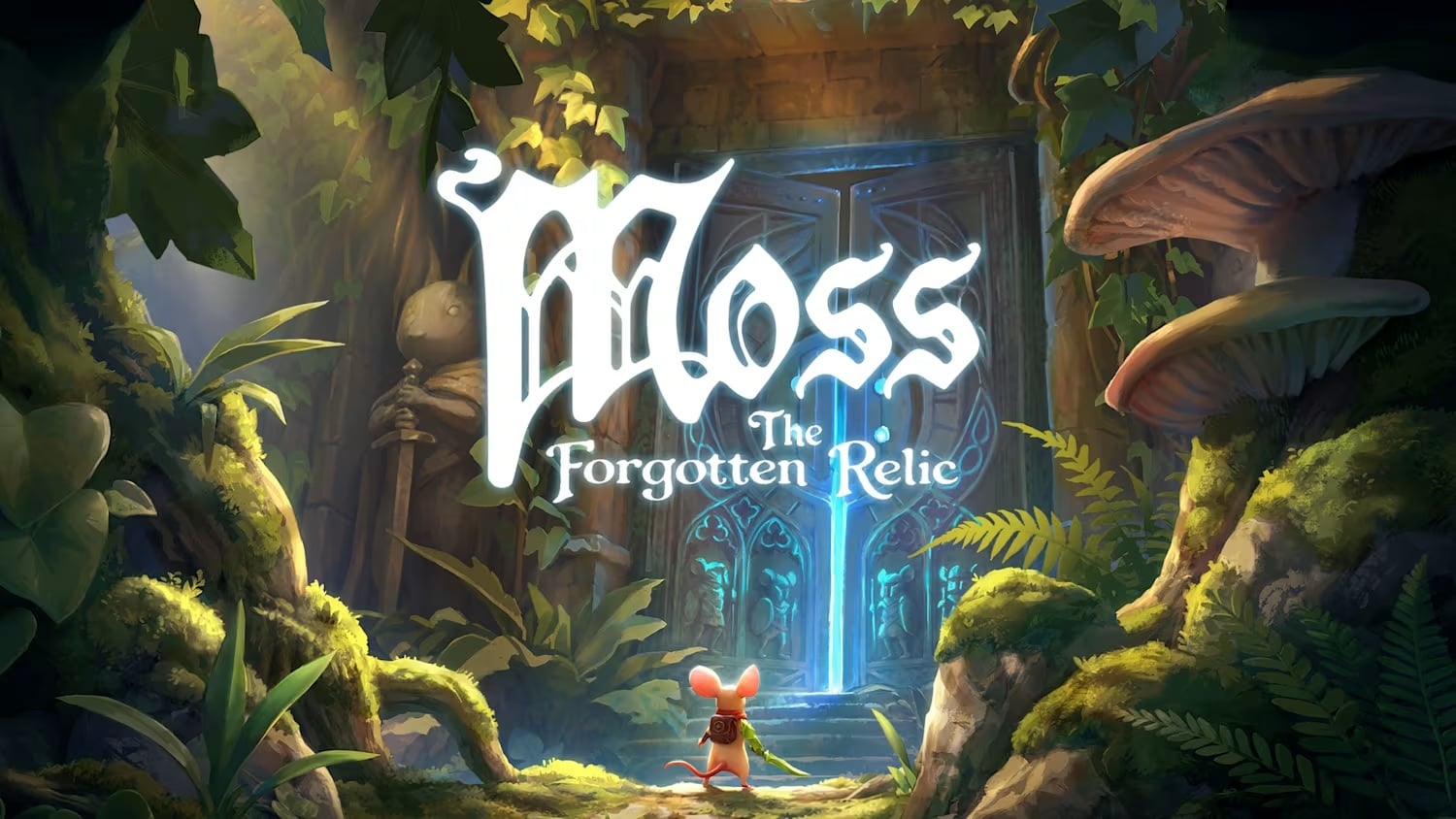
Polyarc released Moss: The Forgotten Relic in July, a flatscreen compilation of Moss and Moss: Book II, including the Twilight Garden DLC, making the series accessible outside VR. That release came out on multiple platforms, including PC, PlayStation 5, Xbox Series and both Nintendo Switch and Nintendo Switch 2. It was a clear attempt to reach a wider audience and make the franchise more viable on traditional consoles. Despite positive reviews, that commercial push apparently wasn’t enough to save the studio long term. For fans this means the most recent version of Moss is still available on the mentioned platforms, but future physical editions, patches or expansions are unclear now that the studio is stopping active development.
Why this closure matters for Nintendo fans
For Nintendo fans Polyarc’s exit from the market matters because it removes a developer that paid special attention to quality and artistic design within Nintendo’s ecosystem. Moss stood out for charming narrative platforming and a strong visual style, something you don’t see every month outside Nintendo’s own teams. Nintendo players who enjoy atmospheric, narrative platformers and well-executed ports will feel this: less variety in third-party titles and fewer chances for similar small-studio initiatives. It also shows that even well-received games and series are vulnerable to business realities. For you as a player it means that appreciating and supporting these kinds of niche projects remains important; sometimes sales and reach matter more than reviews alone.
Impact on the Moss series and possible follow-ups
What happens now with the Moss franchise? In many cases rights remain with the studio or are transferred to partners or publishers, but Polyarc didn’t share a public plan about the IP. That means there is no direct confirmation of future sequels or licenses. Fans can hope that publishers or other development teams show interest, but the reality is that many factors play a role: commercial feasibility, available talent and interest from franchise owners. It’s also possible that existing servers and multiplayer features (if applicable) will remain active for a while, but long-term support will decrease. For collectors and players it’s now mainly important to check whether your preferred version is still offered on your platform and to follow updates or announcements from third parties.
What this means for VR versus flatscreen Moss experiences
Polyarc started as a VR studio and built a strong reputation with the original Moss titles in virtual reality. The move to a flatscreen release was partly a strategic choice to reach a wider audience and tap into additional revenue streams. Now that the studio is stopping, the question arises whether VR versions of Moss will continue to be actively supported or whether future re-releases will be mainly flatscreen-focused. For VR fans the older VR experience remains most relevant and playable as long as platforms support it. If you’re wondering which version to choose: keep your VR experience if it holds emotional value for you, but know that the flatscreen version convinced many players and remains available on consoles. It’s a reminder that technical choices and market reactions together determine which experiences persist.
Where you can still find Moss: The Forgotten Relic and earlier titles
At the moment Moss: The Forgotten Relic is released and available through digital stores on the mentioned platforms. Polyarc and other news sources reported the release and platform list during the summer, and you can find the game through the official stores of Nintendo, Steam and consoles. If you’re interested in the Switch version or the Switch 2 release you can find more background and related Nintendo posts on our site via 100% Nintendo, where we collect Nintendo-specific updates. Keep regional availability and possible seasonal discounts in mind: some games go on sale temporarily after major announcements or studio updates, so it might be smart to check if there are discount promotions.
Conclusion
Polyarc’s decision to stop active development marks the end of an important period for fans of Moss and for part of the VR scene. Although the studio recently released a non-VR reissue that received much praise, the business circumstances clearly show how vulnerable small development teams can be. For you as a player this means: enjoy the available Moss versions while they remain online and in stores, keep appreciating the developers’ work and follow official channels for updates about rights or successors. And if you’re interested in supporting former team members, keep an eye on the channels and network Polyarc shared.
FAQs
- Is Polyarc really completely closed?
- Polyarc has stated that it is stopping active development and that team members are saying goodbye; a full legal settlement or IP status was not extensively detailed in their post.
- Will Moss games remain available to buy?
- Yes, the recently released Moss: The Forgotten Relic and earlier titles remain for now on digital stores, but future availability may change depending on rights and support.
- Will there still be support or patches for the games?
- Polyarc said they are winding down active development, which suggests major new updates are unlikely; small fixes or platform-specific adjustments could still appear as long as partners or publishers want them.
- Where can I follow or contact former Polyarc developers?
- In their post Polyarc referred to a shared document with contact details of the team; LinkedIn and professional profiles of individual developers are also good places to follow their next steps.
- Does this affect future Nintendo releases?
- Indirectly yes; it means one known external developer is no longer serving Nintendo platforms, but Nintendo has a large ecosystem and many other studios remain active.
Sources
- Moss series developer Polyarc shuts down, Gematsu, September 11, 2026
- Polyarc, developer of the excellent VR platforming series Moss, is shutting down after 12 years, PC Gamer, September 12, 2026
- Moss: The Forgotten Relic is Out Now on PC and Consoles, Polyarc, July 16, 2026
- Moss developer Polyarc is laying off staff, GameDeveloper, March 31, 2026