














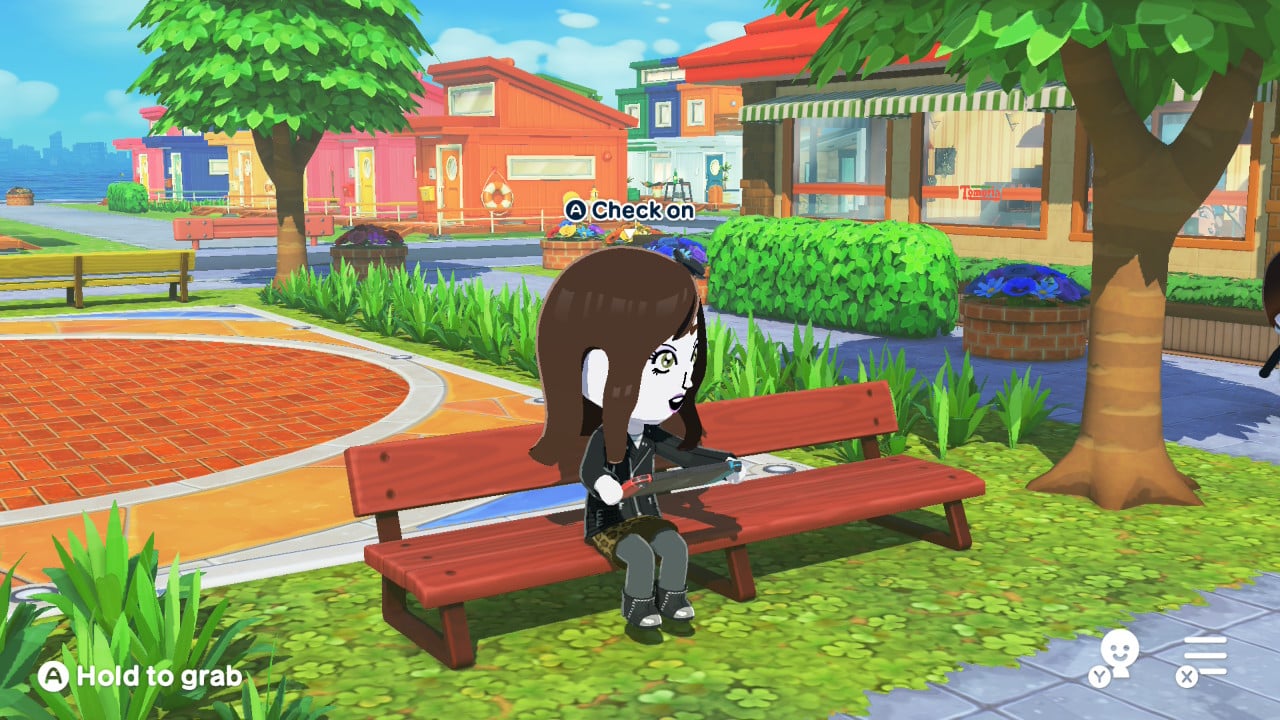
Summary:
Nintendo has now made it clear that Tomodachi Life: Living the Dream was not a quick revival or a last-minute idea. In a recent developer interview, the company explained that work on the Switch follow-up began around 2017, right after things had settled down on Miitomo. That timing matters because it shows this game has been sitting in Nintendo’s creative orbit for years, growing from a genuine desire to do more with Mii characters rather than from a simple nostalgia push. Takahashi explained that both he and producer Yoshio Sakamoto had a strong attachment to the original Tomodachi Life on Nintendo 3DS, and that they had kept playing it for a long time. The problem was not a lack of affection. It was the opposite. They loved it enough to feel its limits.
That emotional spark came through in one line from Sakamoto, who said there was still so much he wanted his Mii characters to experience, yet nothing more he could do for them in the existing game. That single idea says a lot. It frames Living the Dream as a project born from unfinished creative ambition. Instead of leaving the concept where it was, Nintendo used the Switch era as the opportunity to finally move forward. The result is a sequel rooted in familiarity, but built with a clearer sense of room to expand. For anyone wondering why this game exists now, the answer is simple: Nintendo never really stopped wanting to make it. The right platform, the right timing, and the right internal momentum finally lined up.
Tomodachi Life: Living the Dream started taking shape in 2017
Nintendo’s recent developer interview gives one of the clearest answers yet about when Tomodachi Life: Living the Dream first entered development. According to Takahashi, work began around 2017, which places the project right at the start of the Nintendo Switch era. That detail instantly changes how people look at the game. This was not a sudden attempt to bring back an old favorite because fans got loud online. It was a long-running idea that has been with Nintendo for most of the Switch generation. When a project stays alive for that long, it usually means there is real belief behind it. In this case, the belief was tied to the Mii concept itself and to the special charm that made the original Tomodachi Life so memorable. The timeline also matters because 2017 was a transitional year for Nintendo, a moment when the company was redefining what its new hardware could be. Starting this sequel during that period suggests the team already saw the Switch as a natural home for a fresh take on the series.
Miitomo helped create the conditions for a sequel
Takahashi did not describe the new game as something that appeared out of nowhere. He linked its beginning directly to Miitomo, saying development started after things had settled down on that mobile project. That connection is more important than it might seem at first glance. Miitomo was not Tomodachi Life, but it shared a fascination with Mii personalities, player expression, and the funny unpredictability that comes from letting digital characters behave in strange ways. In other words, Miitomo kept that creative muscle active. Once the pace around that mobile title eased, the team had room to think about what should come next. Rather than moving away from Miis entirely, they looked at what still felt unfinished. It is a bit like leaving one conversation and realizing there is another one you have wanted to continue for years. Miitomo did not replace Tomodachi Life. It helped keep the spirit alive until Nintendo was ready to revisit it on console hardware.
Sakamoto’s attachment to Mii characters pushed the idea forward
One of the most revealing moments from the interview is also the most human. Takahashi recalled that producer Yoshio Sakamoto said, with some sadness, that there was still so much he wanted his Mii characters to experience, but nothing more he could do for them in the existing game. That does not sound like a corporate pitch meeting. It sounds like a creator who was still emotionally invested in a playful world he helped shape. That matters because strong sequels often begin with a feeling before they begin with a feature list. Sakamoto’s comment captures exactly that kind of feeling. The Mii characters were not treated as finished toys sitting on a shelf. They were treated like little performers waiting for a new stage. That line also explains why the sequel exists at all. The team was not done with the possibilities. They were only done with the limits of the older setup.
The original Nintendo 3DS game had reached its creative limit
The interview makes it clear that the original Tomodachi Life was not abandoned because it lacked charm or value. Quite the opposite. Takahashi said he and Sakamoto had been playing it on Nintendo 3DS for many years. That is a notable admission, because it shows long-term affection rather than passing nostalgia. But eventually, even beloved systems hit a wall. The team had already squeezed as much as they could out of that earlier structure, and that sense of creative exhaustion became the reason to build something new. Think of it like a favorite apartment that starts to feel too small. You still love the place, you still know every corner of it, but you can feel there is no more room to rearrange the furniture. That is the picture Nintendo paints here. The 3DS entry had done what it could. A sequel was the only real way to let the idea breathe again.
Nintendo Switch opened the door to a bigger follow-up
Starting work around 2017 also means the sequel was conceived with Nintendo Switch in mind rather than retrofitted to it later. That is a meaningful distinction. The Switch arrived as hardware built around flexibility, accessibility, and broader audience appeal, all qualities that fit Tomodachi Life surprisingly well. A life simulation built around Miis thrives when it feels easy to pick up, easy to revisit, and easy to share with people around you. The Switch is naturally suited to that style of play. By pursuing a new Tomodachi Life on newer hardware, Nintendo was not just moving the series to a stronger machine. It was giving it a platform better aligned with the strange rhythm of checking in, laughing at absurd interactions, and coming back for more. The game’s concept needed elbow room, and the Switch offered exactly that. It gave Nintendo the chance to expand the experience without losing the approachable tone that made the original so lovable.
Why the timing mattered for Nintendo
The timing of this project says something broader about Nintendo’s thinking during the early Switch years. In 2017, the company was launching a new platform and re-establishing momentum after a difficult home console cycle. That would have been an easy moment to focus only on obvious heavy hitters. Yet the fact that a Tomodachi Life sequel started taking shape during that same period suggests Nintendo still valued quirky, personality-driven series alongside bigger blockbuster names. That is important because it shows confidence in variety. Nintendo has always been strongest when its lineup feels like a well-stocked toy chest rather than a single shelf of safe bets. Tomodachi Life fits that tradition perfectly. It is weird, charming, socially playful, and hard to compare neatly with anything else. Beginning this project so early in the Switch era shows the company did not see the series as a side note. It saw it as part of the broader identity of the platform.
What the developer interview tells us about Nintendo’s priorities
Developer interviews often reveal more through tone than through headline facts, and that is true here. Nintendo’s comments do not frame Living the Dream as a product first. They frame it as a response to creative desire. Takahashi talks about personal attachment. Sakamoto talks about wanting more experiences for the Mii characters. The focus stays on imagination, continuity, and emotional connection. That tells us Nintendo’s priority was not simply to revive a recognizable name. It was to revisit a concept that still felt alive internally. There is a big difference between those two things. One feels manufactured. The other feels earned. The interview also reinforces how seriously Nintendo still takes Miis as part of its legacy. They are not just avatars collecting dust in system menus. They remain a tool for comedy, identity, and experimentation. That underlying belief gives the sequel a stronger foundation than a purely commercial comeback would have had.
How Mii characters remain central to the series’ identity
If there is one constant running through every part of this story, it is the Mii character itself. The sequel did not start with a broad market trend or a vague desire to revisit the past. It started with the idea that these little digital stand-ins still had more life in them. That is the heart of Tomodachi Life. Miis are funny because they are familiar and ridiculous at the same time. They can represent friends, family, celebrities, or complete nonsense, and the magic comes from watching those combinations produce outcomes nobody could predict. Nintendo clearly understands that the Mii format still holds a unique place in its wider catalogue. It can do comedy without cynicism and social play without feeling forced. In a gaming landscape where many experiences strain to feel massive or cinematic, Tomodachi Life succeeds by feeling personal, odd, and unexpectedly warm. That is why the Mii concept remains worth building around.
What this means for fans of the original game
For people who loved the Nintendo 3DS original, this development story should be reassuring. It confirms that Living the Dream was shaped by people who genuinely cared about the earlier game and spent years with it. That kind of continuity matters. Fans can usually tell when a return is driven by affection and when it is built from pure brand recognition. Here, Nintendo’s own words point strongly toward affection. The original game was not treated as a relic to cash in on. It was treated as something that still inspired ideas long after release. That is encouraging because it suggests the sequel is rooted in understanding what made the series click in the first place. It also means fans are not looking at a rushed experiment. They are looking at something that started as a creative itch and stayed alive over a long period. In plain terms, this was a slow-cooked idea, not a microwaved one.
Why this development story matters for the game’s current momentum
Stories about development do more than fill trivia pages. They shape how a game is understood in the present. In the case of Tomodachi Life: Living the Dream, the 2017 origin point adds weight to the release because it shows Nintendo had a long-term plan for bringing the series back. That matters for momentum. It gives the sequel a stronger narrative than a simple announcement followed by marketing beats. Fans now know the game came from years of reflection, leftover creative energy from Miitomo, and a belief that Mii characters still had untapped potential. That is a powerful story because it frames the game as a continuation of unfinished ambition. It also helps explain why the return of the series feels so meaningful to long-time followers. There is history here, but there is also intention. And when intention is clear, excitement tends to land differently. It feels less like noise and more like payoff.
Why Nintendo’s explanation gives the sequel more weight
There is something unusually effective about hearing a developer explain not just when a game started, but why it had to exist. The reasoning behind Living the Dream is simple, honest, and surprisingly touching. The team loved the old game, kept playing it, felt its limitations, and wanted their Mii characters to keep growing. That is the sort of explanation that sticks because it does not sound manufactured. It sounds like the natural next step in a relationship between creators and one of their strangest, most lovable ideas. For readers, that adds substance to every new detail about the game. It is no longer just a sequel with a familiar name. It becomes the answer to a problem Nintendo had been feeling for years: what happens when you still care about a world, but the old version can no longer hold everything you want to do with it? Living the Dream appears to be Nintendo’s answer to that question.
Conclusion
Nintendo’s recent comments give Tomodachi Life: Living the Dream a much clearer origin story, and it is a strong one. The sequel began around 2017, after Miitomo had settled down, and it grew from a very specific feeling inside the team: they still loved Tomodachi Life, but the Nintendo 3DS original had run out of room to grow. Yoshio Sakamoto’s remark about wanting his Mii characters to experience more says almost everything that needs to be said. This was a sequel driven by creative attachment, not by empty nostalgia. The Switch then became the hardware that could finally support that next step. For fans, that makes the game’s return feel more meaningful. It is not just back. It is back because Nintendo never really stopped wanting to do more with it.
FAQs
- When did Tomodachi Life: Living the Dream start development?
- Nintendo said development started around 2017, after things had settled down on Miitomo.
- What inspired Nintendo to make a new Tomodachi Life game?
- The main spark came from Yoshio Sakamoto, who felt there was still so much he wanted Mii characters to experience beyond what the original game allowed.
- How is Miitomo connected to Tomodachi Life: Living the Dream?
- Takahashi explained that work on the sequel began after Miitomo had settled down, linking the end of that project to the start of this one.
- Why is the 2017 development date important?
- It shows the sequel has been in the works since the beginning of the Nintendo Switch era, which suggests it was a long-term project rather than a sudden revival.
- What does this reveal about Nintendo’s approach to the series?
- It shows Nintendo still sees Tomodachi Life and Mii characters as creatively valuable, with enough potential to justify building a full new sequel around them.
Sources
- Ask the Developer Vol. 21: Tomodachi Life: Living the Dream (Part 1), Nintendo, April 14, 2026
- Ask the Developer Vol. 21, Tomodachi Life: Living the Dream – Chapter 1, Nintendo, April 14, 2026
- Review: Tomodachi Life: Living The Dream (Switch), Nintendo Life, April 15, 2026