





Summary:
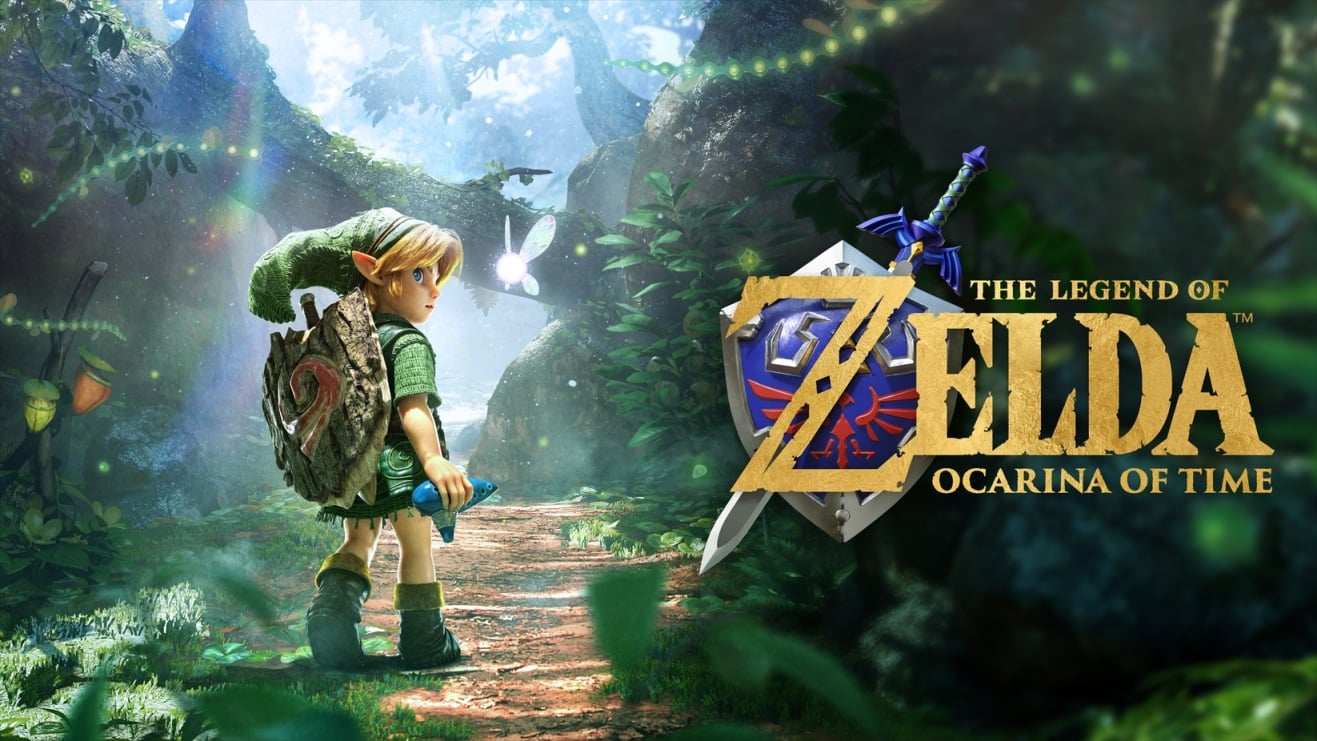
Nintendo has opened up about the visual approach behind The Legend of Zelda: Ocarina of Time remake for Nintendo Switch 2, revealing a deliberate art direction meant to evoke nostalgia without simply copying the original look. Developers describe a puppet-show and analogue practical-effects sensibility that influenced character designs, textures and environmental choices. The team rebuilt key scenes and elements, like the Great Deku Tree, using detailed 3D models and carefully tuned lighting so characters sit naturally in a richer, denser Hyrule. Designers researched fabrics and handcrafted details to keep clothing believable, while programmers layered systems to make grass, cloth and character movement feel alive. The aim was to preserve the original experience and pacing while using Switch 2 hardware to enhance visuals, maintain familiar map transitions, and keep the spirit of the 1998 classic intact.
What Nintendo said about The Legend of Zelda Ocarina of Time’s art direction
Nintendo’s developers explained that the remake’s visual goal was not to chase photorealism but to rebuild Hyrule with personality and presence that feel authentic on their own terms. The art director described a desire to create a richly detailed world that could plausibly exist, while keeping the dreamlike contrast between Hyrule’s darker backdrop and its colorful, quirky inhabitants. The team chose visual keywords early in development – including a puppet-show feel and the analogue quality of practical-effects films – to guide concept, modelling and lighting. Those references helped designers avoid simply making more realistic versions of the original character models; instead they created new designs that preserve recognizability at a distance while offering fresh, hand-crafted details up close. This philosophy shaped everything from the scale of landmarks to the grain of fabrics.
Puppet-show and analogue influences explained
The team repeatedly referenced puppet theatre and practical effects to capture a tactile, slightly handcrafted vibe that complements player memory of the original. Puppet shows and practical-effects films rarely mimic real life exactly, but they create a convincing sense of presence for characters and sets – and that was the effect Nintendo wanted. Designers used those influences to justify slightly stylized proportions, deliberate lighting choices, and materials that read as woven, worked or aged, not factory-perfect. That approach also helped bridge nostalgia with modern production values: rather than ask players to accept a pure remake, Nintendo gave them a world where familiar beats and vistas feel lovingly rebuilt, like a well-preserved stage set updated with modern craft and technology.
Character redesigns and preserving identity
Reimagining Link, Zelda and other faces from the original required a careful balancing act. The team did not want to alter the characters so much that they became unrecognizable to long-time players, but they also wanted to avoid translating exaggerated N64-era features directly into high-fidelity models that could look unsettling. To hit that balance, designers sketched freely and iterated on silhouettes and facial language so each character would still read correctly from a distance. They focused on preserving the essence of each character – posture, iconic shapes, and expressive motion – then layered in new details like realistic sewing patterns, leatherwear, and naturalized cloth textures. The goal was to keep the emotional shorthand of the original while giving characters believable physical presence in a denser Hyrule.
Textures, fabrics and handcrafted details
Textures were treated as storytelling tools rather than mere surface decoration. For example, Young Link’s clothes needed to feel like something the forest children would realistically weave, not a machine-made garment. Designers visited museums, studied textile techniques and even experimented with hand-weaving to find the right look. That research informed material maps and normal maps applied to models so fabric drape and weave read convincingly at close range. Small decisions like the fraying of a hemline or the way a belt leather creases under strain add character and help players believe the world has a history. Programmers then translated those design choices into assets that work on the Nintendo Switch 2, optimizing levels of detail while retaining tactile qualities that give models an analogue warmth.
Rebuilding Hyrule – scale, landmarks and map design
The remake rebuilds the world with more visual density but keeps the original structure and pacing intact. The team aimed to make explorable areas richly detailed while purposely reducing detail in inaccessible background zones so mountains and horizons still read as distant scenery. Landmarks like Hyrule Castle and the windmill were intentionally oversized at times to create visual cues and variety in scale, guiding player attention without explicit markers. Rather than pursue a seamless open world, developers used separate maps for distinct areas, mirroring the original game’s design choices so transitions remain meaningful. This strategy preserves the original feeling of discovery and reflection between areas, while using modern visuals to make each map feel fuller and more alive.
Separate maps and the feel of exploration
Nintendo chose to keep separate maps instead of a single seamless world because the original game’s structure relies on purposeful transitions that build anticipation and give players moments to reflect. Those map breaks are part of what made the original exploration feel special, and the remake uses them to maintain pacing. Within each map the visual team increased detail, added micro-interactions such as grass and foliage responding to Link’s movement, and placed interaction points that encourage curiosity. The map design also uses lighting and compositional framing to suggest points of interest: a rocky outcrop with denser texture work, a landmark with higher contrast, or a distant silhouette that tempts the player to move towards it. The end result keeps exploration rewarding and familiar while feeling visually modern.
Technical implementation and programming challenges
Programmers had to translate the art team’s high-fidelity ambitions into a running game, balancing asset complexity with performance and memory constraints. The rebuild required layering many systems – from animated cloth and hair to environmental foliage that reacts to player movement – and doing so for a large number of distinct characters, enemies and NPCs. The team described the workload as massive, since the original game’s variety of characters and dialogue meant a huge amount of unique assets needed attention. Optimization strategies included level-of-detail systems that switch models and textures based on distance, careful use of lighting and baking techniques, and bespoke shaders that preserve the analogue feel without a big runtime cost. Those solutions let the Switch 2 hardware showcase richness while keeping the experience smooth and responsive.
How the team balanced nostalgia and modern technology
Balancing respect for the original with the possibilities of modern hardware was a recurring theme in the interview. Developers wanted players to feel that the essence of the 1998 classic remained intact even as visual language evolved. They avoided slavish reconstruction that would simply replicate old pixels and instead aimed to preserve memorable moments, movement and pacing while rebuilding the underlying systems with modern tools. That meant leaving certain design decisions unchanged if they contributed to player discovery and game flow, while improving areas where today’s technology could add clarity or emotional weight. By focusing on playable fidelity rather than literal visual replication, the team hopes to offer both veterans and newcomers a faithful experience that also feels fresh and handcrafted.
Conclusion
Nintendo’s explanation of the Ocarina of Time remake visuals reveals a thoughtful, research-driven process that blends puppetry-inspired aesthetics, material realism and technical craftsmanship. The goal was never simple fidelity for its own sake but to create a world that feels lived-in, recognisable and emotionally faithful to the original. By combining design research on fabrics and textures, silhouette-driven character redesigns, and careful programming solutions to bring those elements into the game, the team rebuilt Hyrule in a way that preserves pacing and discovery while showcasing what the Nintendo Switch 2 can do.
FAQs
- What does “puppet-show feel” mean for the game’s look?
- The puppet-show feel refers to an analogue, handcrafted aesthetic – slightly stylised proportions, deliberate lighting and materials that read like crafted props rather than perfect realism, giving characters and sets a tangible stage-presence.
- Will the remake change the original game’s structure or pacing?
- No – Nintendo emphasized that the experience should remain familiar; separate maps and pacing decisions were kept to preserve moments of discovery and reflection that defined the original.
- How did designers make fabrics and clothing feel believable?
- Designers researched real textile techniques, studied museum examples, and experimented with hand-made samples so in-game materials look like things characters would actually craft and wear.
- Does the remake use the Nintendo Switch 2’s increased power?
- Yes – the team used Switch 2 capabilities to add asset detail, richer lighting and layered systems, while optimizing assets so the game runs smoothly on the hardware.
- Where can I read the full developer interview?
- Nintendo published an “Ask the Developer” interview that covers the art direction, technical approach and design choices in depth.
Sources
- Ask the Developer Vol. 24: The Legend of Zelda: Ocarina of Time – Part 2, Nintendo, November 2, 2026
- Ask the Developer Vol. 24: The Legend of Zelda: Ocarina of Time – Chapter 1, Nintendo, November 2, 2026
- Nintendo talks Zelda: Ocarina of Time remake graphics, shares sketches and more, NintendoEverything, November 2, 2026
- Here’s A Closer Look At Zelda: Ocarina Of Time On Switch 2, Nintendo Life, September 8, 2026