



Summary:
Recently a Canadian retailer called Video Games Plus (VGP) said there’s an internal Nintendo rule that can prevent Switch 2 titles released as game-key cards from later being printed as full-data cartridges. That claim has stirred collectors, sellers and fans who prefer true physical releases because game-key cards only store an activation key and require a download to play. We explain what VGP said, how game-key cards technically differ from traditional game cards, why Nintendo or publishers might limit format changes, and what this means for collectors and retailers. We also highlight examples that complicate the picture and share practical tips collectors can use to protect their editions and keep an eye out for legitimate cartridge reprints.
What VGP said about Nintendo’s Game-Key Card policy
VGP publicly stated that it has tried to get certain Switch 2 titles that were released as game-key cards reprinted as full cartridges, but ran into what it described as a Nintendo policy preventing that change. The retailer made the comments on social media and later removed the original post, then clarified that the policy exists for “reasons that make sense” and that Nintendo isn’t blocking publishers just to be difficult. The reaction from fans and collectors was immediate – many see game-key cards as a downgrade because they require large downloads and only store an activation key, while others accept the format as a cheaper, lighter physical option. Whether this is a strict corporate ban or a practical limitation tied to submission processes, NDAs or versioning rules remains unclear from VGP’s message, but the claim alone is enough to reshape how collectors and third-party distributors approach future Switch 2 releases.
How Game-Key Cards differ from traditional cartridges
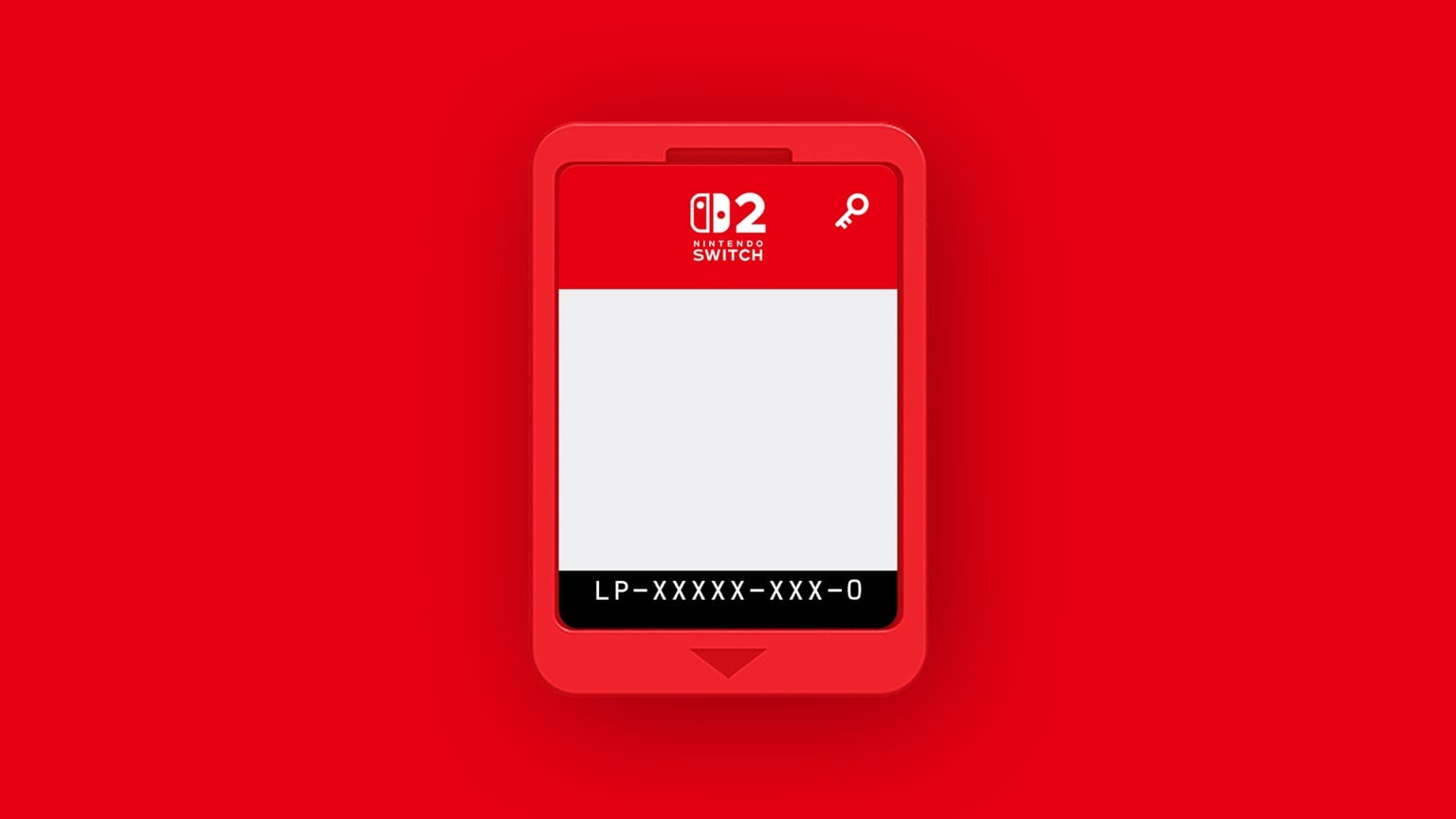
Game-key cards look like cartridges but they only contain a key or token – not the game data itself. That means when you insert a game-key card into a Switch 2, the console retrieves a download from Nintendo’s servers before you can play. The traditional full-data cartridge contains the playable game files and boots without waiting on downloads. For collectors this difference is huge – the physical object alone does not equal ownership of the full software anymore. For publishers and Nintendo, game-key cards reduce production costs and shipping weight while still offering a boxed retail presence. But the trade-offs show up in preservation, secondhand sales and the simple pleasure of popping in a cartridge and playing immediately – reasons why many people prefer full cartridges over key-only formats.
Why Nintendo might enforce this policy
If Nintendo truly enforces a rule limiting a later conversion from game-key card to a full cartridge, there are a few likely motives behind it. One practical reason is customer clarity – allowing multiple physical formats for the same SKU could confuse shoppers and create complaints when a later release has different contents. Another reason is quality control and certification – a cartridge requires a different submission, manufacturing run and QA checks, and permitting arbitrary post-launch format changes could complicate Nintendo’s release pipeline. There may also be contractual or licensing reasons tied to digital distribution agreements, publisher builds and region-specific certification. Finally, Nintendo may be trying to standardize Switch 2 physical formats while it scales production, which would make sense from an operational standpoint even if it frustrates collectors.
Practical reasons – preventing customer confusion and build/version issues
Imagine a game that launches as a game-key card and months later appears in stores as a full-data cartridge with identical packaging. Early buyers who downloaded the game might feel cheated or pressured to double-dip, and retailers could end up advertising the wrong product images. Nintendo and publishers want to avoid that messy customer service fallout. There are also build differences – a cartridge release usually ships with a master build burned or packaged differently than the download distribution. If Nintendo requires a new submission and separate product code for cartridge versions, it can limit the ability for third parties to simply “reprint” a previously issued key-only SKU. All of this adds administrative overhead and potential legal or logistical entanglements, which explains why a blanket policy or a strict set of rules would be tempting from a platform holder perspective.
Impact on collectors, retailers and the resale market
Collectors who prize completeness and long-term preservation see game-key cards as a threat – the physical token offers less longevity and fewer guarantees than a cartridge with the full data. If VGP is correct and Nintendo prevents cartridge reprints, limited-run publishers and independent retailers lose a route for creating new physical editions of titles that initially shipped as key cards. That affects both new sales and the secondary market, because scarcity and format differences drive collector value. Retailers that specialize in reprints or curated physical editions – like the one VGP represents – may also lose business opportunities, as they cannot offer improved physical releases for a title that first arrived as a key-only SKU. The end result is more pressure on collectors to decide quickly whether to buy key-card releases or wait and risk never seeing a true cartridge version.
How publishers and third-party sellers might react
Publishers who prefer physical releases still have options. They can choose to submit a full cartridge from the start, publish a clearly labeled “Complete” or “Collector’s” cartridge later that is technically a new SKU, or partner with specialized physical publishers who negotiate separate runs. Some publishers have already switched formats before launch when they saw demand, and others release expanded editions with additional content to justify a cartridge release after the fact. Third-party sellers may also push for exceptions or negotiate region-specific reprints, and retailers like VGP say they will keep pushing Nintendo and publishers to explore possibilities. The practical reality is that any change often requires buy-in from multiple parties, and when platform-level rules exist they can be difficult to work around.
Notable exceptions and precedents
There are examples that complicate the idea of a hard ban. Some games originally tied to digital codes or code-in-box releases have later seen cartridge runs from specialty publishers or limited-run companies. Those exceptions usually involve publishers submitting a new build or creating a distinct SKU that clearly differentiates the cartridge release from the original key-based product. The presence of these exceptions suggests the rule – if it exists – is less a simple “never” and more a controlled decision-making process that considers timing, labeling and whether a reprint would mislead earlier buyers. Tracking those precedents helps collectors know which titles might be eligible for proper cartridge runs and which likely never will be.
Tips for collectors who want physical copies
If you care about owning a true cartridge, here are practical steps you can take. First, check a game’s initial SKU and packaging before you buy – if it’s labeled as a game-key card, assume it lacks onboard game data. Second, follow specialty publishers and retailers who negotiate cartridge runs, and sign up for pre-order alerts if you want a guaranteed chance at a reprint. Third, consider backing up your digital purchases if the platform’s policies and available tools allow it, and be careful with region-locked or download-dependent editions. Lastly, communicate with sellers – retailers like VGP claim they’ll keep asking publishers and Nintendo about reprints, and public pressure can sometimes sway decisions when it demonstrates clear consumer demand.
Conclusion
The VGP claim that Nintendo has a policy preventing game-key card titles from being reprinted as full cartridges raises real concerns for collectors, resale markets and niche retailers. While the exact wording and legal basis of any such policy remain unclear, the practical reasons – avoiding customer confusion, managing certification and keeping clear SKUs – make the idea plausible. If you care about physical ownership, the safest play is to verify a release’s format before buying and to stay tuned to retailers and specialty publishers for possible cartridge runs. We will keep watching how publishers and Nintendo respond, and whether more concrete exceptions or official clarifications appear in the coming weeks.
FAQs
- Can a game released as a game-key card ever be reissued as a full cartridge?
- Yes, but only if the publisher and Nintendo agree to a separate cartridge SKU or special edition that’s treated as a new release. VGP’s claim suggests that a routine reprint of the same key-card SKU may be blocked, which makes publisher-led new SKUs the likeliest path for physical reissues.
- Why do publishers use game-key cards instead of full cartridges?
- Game-key cards cut manufacturing costs, lower inventory weight and let publishers offer boxed retail presence without shipping large data-laden media. For smaller teams, it’s a cheaper way to reach retail shelves while relying on digital distribution for the heavy lifting.
- Does Nintendo confirm this policy?
- As of now Nintendo hasn’t provided an official public statement confirming a blanket ban. Coverage so far stems from retailer comments and reporting by outlets that tracked the deleted VGP post and subsequent clarifications.
- How should collectors approach buying Switch 2 releases now?
- Check product listings carefully for labels like “Game-Key Card.” If you want onboard game data, wait for a confirmed cartridge SKU or a publisher announcement that a full-data release is planned. Follow specialty retailers and limited-run publishers for updates.
- Are there known exceptions where key-card games later got cartridges?
- Yes. A few titles have later received cartridge runs as distinct releases or special editions. These cases usually involve new builds and separate SKUs, which aligns with the idea that conversions happen but under controlled, publisher-driven conditions.
Sources
- Canadian retailer VGP claims Nintendo policy prevents publishers from reprinting Game-Key Card releases on full cartridges, Nintendo Wire, October 27, 2026
- Nintendo may keep Switch 2 games on Game-Key Cards, frustrating physical collectors, Notebookcheck, October 27, 2026
- Nintendo – pourquoi certains jeux Switch 2 pourraient n’avoir jamais droit à une vraie cartouche, Frandroid, October 27, 2026
- Una política de Nintendo impediría reeditar los juegos de Switch 2 en game key card como cartuchos completos, según la tienda VGP, Nintenderos, October 27, 2026