














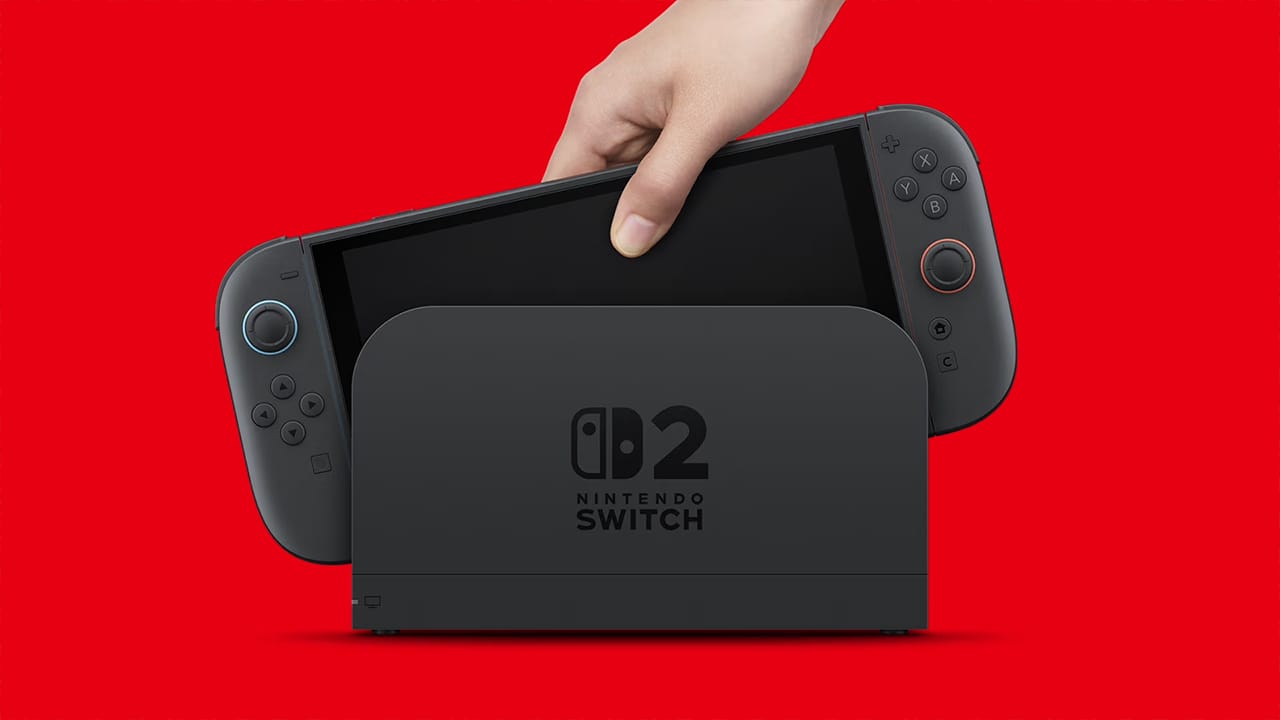
Summary:
Nintendo has confirmed that the Nintendo Switch 2 will become more expensive in several major markets, marking a difficult moment for a console that has already gained strong attention from players. The company says the change is connected to market conditions and a wider business outlook that has made its current pricing harder to maintain. In Japan, the revised price for the Nintendo Switch 2 Japanese-Language System takes effect on May 25, 2026, while the United States, Canada and Europe will see their new prices take effect on September 1, 2026. The increase is not enormous in every region, but it still lands at a time when families, collectors and everyday players are watching every euro, dollar and yen more carefully. Nintendo also confirmed changes for several Nintendo Switch models in Japan, along with Nintendo Switch Online pricing in Japan. The company has apologized to customers and stakeholders for the impact of the revisions, which gives the announcement a noticeably different tone from a standard corporate pricing update. Even so, an apology does not make a higher checkout price disappear. For players who were still planning a purchase, the news turns the Nintendo Switch 2 into a more urgent buying decision, especially in regions where the current price remains available until September.
Nintendo Switch 2 price increase puts pressure on early demand
The Nintendo Switch 2 has been riding a wave of attention, and that makes this price increase feel especially awkward. When a console is gaining momentum, the last thing most players want to see is a higher price tag creeping into the conversation. Yet that is exactly where Nintendo now finds itself. The company is trying to balance demand, production costs and long-term business pressure while keeping the system attractive to households that may already be stretching their entertainment budget.
For many fans, the timing is the sting. A price increase never feels fun, but it can feel even more frustrating when the console is still building its early library and convincing undecided buyers to jump in. We all know that hardware costs money to build, ship and support. Still, when players have spent months watching trailers, saving up and comparing bundles, even a relatively modest increase can feel like someone moved the goalposts just as they were lining up the shot.
What Nintendo has officially confirmed
Nintendo announced that it will revise prices for several products and services, with the Nintendo Switch 2 sitting at the center of the discussion. The company cited changes in market conditions and its global business outlook as reasons for revising manufacturer’s suggested retail prices. In practical terms, that means the Nintendo Switch 2 will cost more in Japan first, followed later by the United States, Canada and Europe. Other regions are also expected to receive revisions, with details handled by Nintendo’s overseas subsidiaries.
The official announcement lists clear numbers. In Japan, the Nintendo Switch 2 Japanese-Language System moves from ¥49,980 to ¥59,980. In the United States, the system moves from $449.99 to $499.99. In Canada, it moves from $629.99 to $679.99. In Europe, the My Nintendo Store price moves from €469.99 to €499.99. Those numbers give players something concrete to work with, which is useful, even if the news itself is not exactly confetti-worthy.
Japan faces the first wave of revised hardware prices
Japan is the first major market affected by the confirmed hardware changes, with the revised Nintendo Switch 2 Japanese-Language System price scheduled for May 25, 2026. The increase is not limited to the new console either. Nintendo is also raising the prices of several Nintendo Switch family systems in Japan, including the Nintendo Switch OLED Model, the standard Nintendo Switch and the Nintendo Switch Lite. That makes the Japanese revision broader than a simple next-generation hardware adjustment.
This matters because Japan is Nintendo’s home market and a key part of its identity. When pricing changes there, fans tend to pay close attention. It is also worth noting that the Nintendo Switch 2 Multi-Language System available from My Nintendo Store in Japan is listed as unchanged in Nintendo’s announcement. That detail may sound small, but small details matter when players are trying to decide which version to buy and whether they should act before the revised prices begin.
The United States, Canada and Europe follow later
The United States, Canada and Europe will see Nintendo Switch 2 price revisions take effect on September 1, 2026. That gives buyers in those regions a clearer runway before the new prices arrive. In the United States, the system increases by $50. In Canada, it also increases by $50 in local currency. In Europe, the My Nintendo Store price rises by €30. The exact impact will depend on local taxes, retailers, bundles and availability, but the direction is clear: the Switch 2 is becoming more expensive.
For anyone planning to buy one later in the year, this date matters more than vague talk about market trends. A family looking ahead to birthdays, holidays or back-to-school spending now has a real deadline to consider. Of course, that does not mean everyone should rush out immediately like a cartoon character leaving a dust cloud behind. It does mean the current price window is now part of the buying decision, especially for players who were already close to making the jump.
Nintendo Switch Online also changes in Japan
The hardware revision is only part of Nintendo’s announcement. Nintendo Switch Online prices are also changing in Japan from July 1, 2026. The standard Individual membership rises across its one-month, three-month and twelve-month options, while the Family membership also moves higher. Nintendo Switch Online + Expansion Pack pricing is changing too, including both Individual and Family membership options. Nintendo also stated that Nintendo Switch Online price revisions are planned in South Korea.
Subscription price increases can be quieter than hardware changes, but they are often felt over time. A console is usually a one-time purchase, while online services sit in the background and return each year like a calendar reminder with a tiny wallet-shaped hammer. Players who rely on online play, cloud saves, classic game libraries or Expansion Pack features may now need to rethink the total cost of staying in Nintendo’s ecosystem, at least in the regions where service prices are changing.
Playing cards and traditional products are part of the same revision in Japan
Nintendo’s announcement also includes price changes for playing cards and Hanafuda or Kabufuda cards sold in Japan. That detail may seem unrelated to the Nintendo Switch 2 at first, but it reminds us that Nintendo is not just a video game hardware company. Its history stretches back to traditional playing cards, and those products are still part of its business. Rising material prices are specifically mentioned as a reason for revising the prices of these items.
This wider pricing move makes the announcement feel less like a single console adjustment and more like a company-wide response to cost pressure. For Nintendo fans, that adds a little historical texture to the situation. The same company that now sells high-powered hybrid hardware also still sells products tied to its earliest roots. When both modern consoles and traditional cards are affected, the message is pretty clear: Nintendo sees cost pressure across more than one corner of its business.
Market conditions are now shaping console pricing
Nintendo’s explanation centers on market conditions, and while that phrase can sound dry, it carries real consequences. Hardware pricing is tied to many moving parts, including components, manufacturing, shipping, currency changes, demand forecasting and long-term supply planning. When those factors shift, companies often face a choice between absorbing costs or passing some of them on to customers. Nintendo appears to have decided that holding the previous price would be difficult over a longer period.
For players, the frustrating part is that these forces are mostly invisible until the checkout price changes. You do not see component markets when you pick up a Joy-Con. You do not see business outlook calculations when you launch a game. You just see a higher price and wonder why your planned purchase suddenly costs more. That is why Nintendo’s apology matters, even if it does not erase the impact. It recognizes that these revisions land on real people, not just charts in a boardroom.
How the wider console market adds context
Nintendo is not making this move in a vacuum. The broader console market has already seen pricing pressure, with Sony and Microsoft also raising hardware prices in response to changing economic conditions. That does not make Nintendo’s increase painless, but it does show that the company is dealing with the same industry winds as its competitors. Console hardware has become harder to keep at fixed prices when costs, supply chains and market expectations keep moving.
This is a strange reversal from the old expectation that consoles usually become cheaper as a generation matures. Players have been trained to wait for bundles, discounts or slim revisions. Now, waiting can sometimes mean paying more instead of less. That shift changes the psychology of buying a console. The old patience strategy still works sometimes, but it is no longer guaranteed. In today’s market, the tortoise may reach the finish line only to find the price tag has grown legs.
Nintendo’s apology tries to soften the impact
Nintendo’s statement includes a direct apology to customers and stakeholders, acknowledging that the revisions may have an impact. That tone is important because it frames the announcement as an unwanted but necessary move rather than a celebratory business decision. The company is not presenting the increase as a value upgrade or a premium repositioning. It is saying, in plain terms, that market conditions have forced a revision and that it understands the inconvenience this creates.
That said, players are likely to judge the situation by what happens next. An apology can soften the first reaction, but it cannot carry the whole conversation. People will look at game releases, system features, service quality, stock levels and bundles to decide whether the higher price still feels fair. Nintendo has built enormous trust over decades, yet trust always needs maintenance. When prices rise, the system has to keep proving why it deserves a spot under the TV, in the travel bag or on the bedside table.
Strong software support becomes even more important
A higher hardware price naturally puts more pressure on the software lineup. Players are more willing to accept a premium if the system keeps delivering games that feel unique, polished and worth gathering around. Nintendo’s strongest advantage has always been its ability to turn hardware into a home for beloved series. Mario, Zelda, Pokémon, Animal Crossing, Metroid, Kirby and Splatoon are not just names on a release calendar. They are often the reason people buy Nintendo systems in the first place.
That means the Nintendo Switch 2 needs to keep giving players strong reasons to feel good about the purchase. A console can have sleek hardware and clever features, but games are the heartbeat. Without them, the machine is just an expensive rectangle with ambitions. With the right software, though, the price conversation becomes more balanced. Players may still grumble, and honestly, fair enough. But a strong library can turn frustration into reluctant acceptance, especially when the experiences feel unmistakably Nintendo.
What buyers should keep in mind before the change
Anyone planning to buy a Nintendo Switch 2 should pay close attention to the confirmed dates and regional prices. Japan sees the revised hardware prices from May 25, 2026, while the United States, Canada and Europe follow on September 1, 2026. That gives some buyers time to compare options, check availability and decide whether buying before the change makes sense. The best choice will depend on budget, upcoming games, household needs and whether the current library already feels strong enough.
It is also smart to think beyond the console itself. Extra controllers, storage, cases, games and subscriptions can make the real cost higher than the number printed beside the system. A price increase can make those extras feel heavier, especially for families buying more than one controller or planning a multiplayer setup. The practical move is simple: price the full setup before buying. Nobody wants to get home excited, open the box and realize the fun meter still needs several paid add-ons.
Why this moment matters for Nintendo’s next phase
The Nintendo Switch 2 price increase arrives at a sensitive point in the console’s life. Early excitement can carry a system far, but long-term success depends on keeping that excitement alive while bringing in new buyers. A higher price can slow some of that momentum, particularly among casual players who are not rushing to upgrade. Nintendo now has to make the system feel essential enough that the revised price does not become the main story for too long.
There is still plenty working in Nintendo’s favor. The Switch brand remains powerful, its hybrid play style is familiar and the company’s first-party franchises have a rare ability to cut through market noise. Even so, pricing can shape perception. When players feel squeezed, they become more selective. They ask tougher questions. Is the library strong enough? Are the upgrades meaningful? Will the system still feel worth it next year? Nintendo’s job is to make those answers feel easy.
Conclusion
The Nintendo Switch 2 price increase is a difficult but important moment for Nintendo and its players. The company has confirmed higher prices in Japan, the United States, Canada and Europe, with Japan moving first on May 25, 2026, and the other listed regions following on September 1, 2026. Nintendo Switch Online pricing is also changing in Japan, adding another layer to the overall cost conversation. Nintendo’s apology acknowledges the frustration, but the real test will be whether the Switch 2 continues to deliver enough value through games, features and long-term support. For players still waiting to buy, the decision now feels more urgent, more practical and maybe a little more annoying. That is not exactly the dream scenario, but it is the reality of a console market where prices are no longer guaranteed to move downward over time.
FAQs
- Is Nintendo raising the price of the Nintendo Switch 2?
- Yes. Nintendo has confirmed revised Nintendo Switch 2 prices for Japan, the United States, Canada and Europe. The Japanese-Language System in Japan rises to ¥59,980, while the United States moves to $499.99, Canada to $679.99 and Europe to €499.99 through My Nintendo Store.
- When does the Nintendo Switch 2 price increase start?
- In Japan, the revised Nintendo Switch 2 price starts on May 25, 2026. In the United States, Canada and Europe, the revised price starts on September 1, 2026.
- Why is Nintendo increasing Switch 2 prices?
- Nintendo points to changes in market conditions and its global business outlook. In simple terms, the company says the pricing shift is connected to longer-term cost and market pressure.
- Is Nintendo Switch Online also getting more expensive?
- Yes, Nintendo Switch Online pricing is changing in Japan from July 1, 2026. Nintendo also says Nintendo Switch Online price revisions are planned in South Korea.
- Should players buy a Nintendo Switch 2 before the price increase?
- Players who already planned to buy one may want to compare prices before the revised regional dates. The decision depends on budget, availability and whether the current game lineup already feels worth it.
Sources
- Notice Regarding Price Revisions for Nintendo Products and Services, Nintendo, May 8, 2026
- Nintendo is raising Switch 2 prices around the world, Game Developer, May 8, 2026
- Nintendo is raising Switch 2 prices, The Verge, May 8, 2026
- Nintendo Switch 2 price increase: thank the AI data center boom and RAM memory shortage, Fast Company, May 9, 2026
- Nintendo apologizes for Switch 2 price increase, vows to amend with “robust software lineup”, Zelda Universe, May 11, 2026