














Summary:
Nintendo’s Switch 2 price increase has turned the spotlight back onto one of the company’s oldest strengths: games that make hardware feel essential. President Shuntaro Furukawa has acknowledged the frustration around the new pricing, while also making it clear that the revised price still does not fully absorb every cost increase Nintendo is facing. That detail matters because it shows the decision is not being framed as a simple cash grab, but as a response to longer-term pressure around production, materials, currency movement, and wider market conditions. Still, players rarely judge a console by business explanations alone. They judge it by what they can play, what they can look forward to, and whether the machine feels alive every time they pick it up.
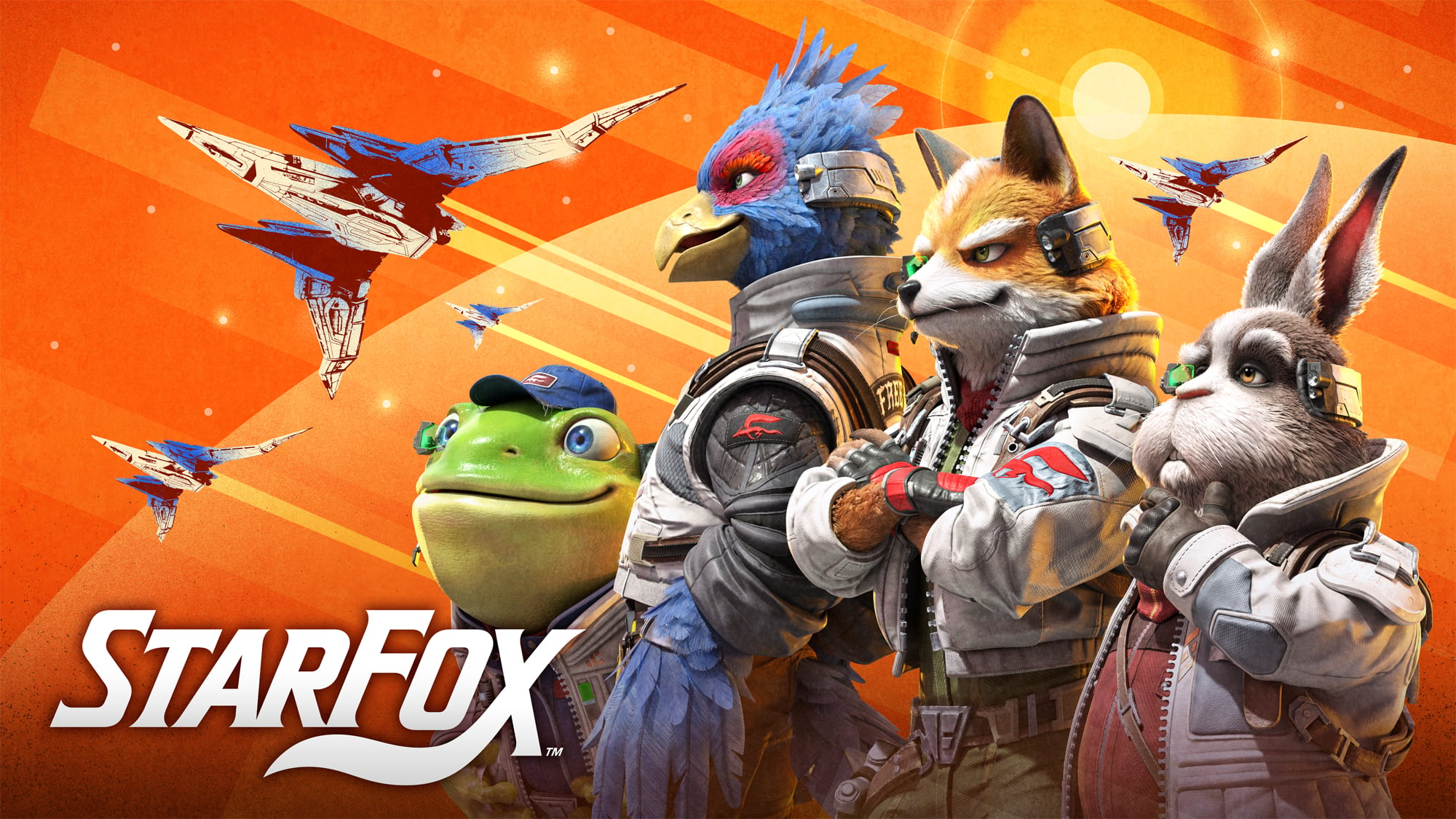
That is where Nintendo’s promised stronger software lineup becomes so important. A higher price creates a higher emotional hurdle, and Nintendo now has to make the Switch 2 feel less like a costly upgrade and more like the natural home for the next wave of its biggest ideas. Yoshi, Splatoon Raiders, Star Fox, and other confirmed projects can help shape that message, while rumors around The Legend of Zelda: Ocarina of Time should be treated with caution until Nintendo says more. For fans, the question is simple: will the upcoming Switch 2 library make the price increase easier to accept? Nintendo’s answer seems to be that value will come from the games, the schedule, and the steady feeling that something exciting is always around the corner.
Nintendo faces a tougher Switch 2 conversation after the price increase
Nintendo has entered a more delicate phase of the Switch 2 story. The excitement around new hardware is still there, but the price increase changes the mood around the system. When a console becomes more expensive, even loyal fans start looking at it with sharper eyes. Suddenly, every upcoming game, every feature, every bundle, and every quiet month on the release calendar matters a little more. The Switch 2 is no longer just being judged as Nintendo’s next big machine. It is being judged as a higher-priced promise, and that promise has to feel believable from the first trailer to the final checkout screen.
Furukawa’s apology puts the focus on value rather than damage control
Shuntaro Furukawa’s response matters because it does not pretend that a price increase is easy for customers to accept. By apologizing and acknowledging the inconvenience, Nintendo is trying to soften the blow without dressing the decision up as something players should celebrate. That tone is important. Nobody wants a company to act like a higher price is a party favor. Players want honesty, and Furukawa’s comments place the conversation where it belongs: on whether the Switch 2 can continue to justify its place in homes, backpacks, living rooms, and family wish lists despite the higher cost.
The new Switch 2 pricing does not cover every cost increase
Furukawa’s most striking point is that the revised Switch 2 price still does not fully account for every cost increase Nintendo is dealing with. That gives the situation a different texture. It suggests Nintendo is attempting to balance business reality with adoption, rather than passing the entire burden directly to customers. Of course, that will not magically make the new price easier for everyone. A higher price is still a higher price. But it does explain why Nintendo is talking about long-term pressure, instead of presenting the change as a sudden one-off decision made in a vacuum.
Market pressure is now part of Nintendo’s hardware story
Nintendo has always felt a little different from the rest of the games industry, almost like it lives in its own colorful workshop filled with odd controllers, smiling mascots, and secret doors. Yet the Switch 2 price increase is a reminder that Nintendo still has to deal with the same rough weather as everyone else. Rising material costs, production challenges, currency shifts, and wider market pressure do not disappear just because Mario is cheerful. Hardware is expensive to make, ship, and support, and the Switch 2 is now caught in that very real tug of war between affordability and sustainability.
The software lineup is Nintendo’s strongest answer to player hesitation
If a higher price creates doubt, games are Nintendo’s best way to answer it. That has always been the company’s magic trick. Nintendo does not usually win people over by listing raw specs like a shopping receipt. It wins them over by making players say, “Fine, I need to play that.” A strong Switch 2 lineup can turn hesitation into excitement, especially if the calendar feels steady and varied. The important part is momentum. One major release can create a spark, but a consistent flow of memorable games keeps the campfire burning long after launch hype has faded.
Games can soften the sting of a higher console price
Players are more willing to accept a premium when the library feels alive. That does not mean every Switch 2 owner needs the same game. Some players want colorful platforming, others want competitive multiplayer, and plenty of fans are waiting for Nintendo’s next big surprise like kids listening for footsteps on the stairs. A higher price makes that variety more important. When the software lineup speaks to different tastes, the hardware starts feeling less like a single purchase and more like a long-term ticket to a growing playground.
Confirmed names matter more than vague promises
Nintendo’s promise of a stronger Switch 2 lineup becomes more convincing when players can attach it to real names. Yoshi, Splatoon Raiders, Star Fox, and other known projects give fans something concrete to discuss, anticipate, and save for. That matters because vague excitement has a short shelf life. Players can only live on mystery for so long before they want dates, trailers, gameplay details, and a sense of how the library will look across the year. A good lineup is not just about having famous names. It is about showing enough of them at the right moments.
Rumors should stay exciting without becoming expectations
The rumored The Legend of Zelda: Ocarina of Time remake is a perfect example of how Nintendo speculation can become both thrilling and dangerous. Fans love the idea because Ocarina of Time still carries enormous emotional weight, and a Switch 2 remake would instantly dominate conversation. Still, rumors should not be treated as confirmed plans. Nintendo has not officially announced that project, so the healthier approach is to enjoy the possibility without building the entire value argument around it. Hype is fun, but unchecked hype can turn into disappointment faster than a Cucco swarm turns violent.
Switch 2 ownership value depends on consistency, not one big reveal
Furukawa’s phrase about improving Switch 2 ownership value points toward something bigger than a single blockbuster. Ownership value is the feeling that a console keeps earning its spot in your life over time. It comes from new games, better updates, smooth system features, smart compatibility choices, and moments where the hardware feels useful whether you are on the couch or traveling. One massive announcement can make headlines, but consistency is what makes a player glad they bought the system six months later. Nintendo now has to keep that feeling alive with a rhythm that feels confident.
Nintendo’s secrecy can help and hurt the Switch 2 message
Nintendo’s secretive nature is part of its charm. When the company goes quiet, fans start connecting dots like detectives in a room full of red string. That mystery can make every Direct feel electric. The downside is that silence becomes harder to maintain when the hardware costs more. Players who are on the fence may not want mystery. They may want reassurance. They want to know what is coming, why the system is worth buying now, and whether the next year will be packed or patchy. Nintendo does not need to reveal everything, but it does need to reveal enough.
The price increase could reshape buying decisions in 2026
The Switch 2 price increase may not stop dedicated Nintendo fans, but it could affect people who were planning to wait, compare, or buy during the holiday season. Families, casual players, students, and anyone juggling a crowded entertainment budget may think twice when the price climbs. That does not mean Nintendo is in trouble by default. It means the buying decision becomes more practical. Is there a must-play game right now? Is a bundle coming? Will the library feel stronger by the time the new price arrives? Those questions can shape how quickly new players join the Switch 2 audience.
Why the next wave of Switch 2 games carries extra weight
The next wave of Switch 2 games now has a heavier job than it might have had before the price increase. These games are not only there to entertain existing owners. They also need to persuade hesitant buyers that the higher price leads somewhere worthwhile. That is a lot of pressure to place on a lineup, but Nintendo has built its reputation on exactly this kind of software-led confidence. When the company gets it right, a new game does more than fill a release slot. It becomes the reason someone finally decides the console belongs in their home.
Nintendo must make the Switch 2 feel worth the higher price
The Switch 2 can still thrive after a price increase, but Nintendo has less room for vague messaging now. The system needs a clear identity, a steady flow of games, and enough surprises to keep fans leaning forward. Furukawa’s comments suggest Nintendo understands that software will carry much of the emotional weight from here. That is the right instinct. Players may understand rising costs, but they feel value through play. If the Switch 2 library becomes rich, varied, and dependable, the price increase may become a frustrating footnote rather than the defining story of the system’s second year.
Conclusion
Nintendo’s Switch 2 price increase has created a harder conversation, but not an impossible one. Furukawa’s apology and explanation give the decision context, while the promised stronger software lineup gives Nintendo a path forward. The real test will be whether that lineup feels strong enough, steady enough, and exciting enough to make players see the Switch 2 as more than an expensive upgrade. Confirmed games can help. Careful surprises can help even more. Rumors may add spice, but Nintendo’s official plans will decide the flavor. In the end, the Switch 2 does not need players to love the price increase. It needs them to love the games enough that the system still feels worth bringing home.
FAQs
- Why is Nintendo increasing the Switch 2 price?
- Nintendo has pointed to changing market conditions and rising costs as key reasons for the price revision. Furukawa also indicated that the new pricing still does not fully cover every cost increase, which suggests the company is trying to balance affordability with longer-term production pressure.
- When does the Switch 2 price increase take effect?
- Nintendo’s official notice lists May 25, 2026 for Japan and September 1, 2026 for the United States, Canada, and Europe. Other regions are also expected to receive revisions, with details handled by Nintendo’s regional subsidiaries.
- What is Furukawa saying about the Switch 2 software lineup?
- Furukawa has said Nintendo will prepare a stronger software lineup to improve the Switch 2 ownership value. In simple terms, Nintendo wants upcoming games to make the system feel more worthwhile despite the higher hardware price.
- Is the rumored Ocarina of Time remake confirmed for Switch 2?
- No. The Legend of Zelda: Ocarina of Time remake remains a rumor unless Nintendo officially announces it. It is fine to be excited about the possibility, but it should not be treated as part of the confirmed Switch 2 lineup.
- Can upcoming games make the Switch 2 price increase easier to accept?
- They can, but only if the lineup feels strong, varied, and consistent. Players are more likely to accept a higher price when the system offers games they genuinely want to play across multiple genres and release windows.
Sources
- Notice Regarding Price Revisions for Nintendo Switch 2 and Nintendo Switch, Nintendo, May 8, 2026
- Financial Results Explanatory Material – Fiscal Year Ended March 2026, Nintendo, May 8, 2026
- Nintendo president apologizes for Switch 2 price increase, promises “robust software lineup” to make up for it, Nintendo Everything, May 8, 2026
- Nintendo says Switch 2 price increase doesn’t cover all costs, hopes its upcoming games will help to ‘overcome this barrier’, Video Games Chronicle, May 11, 2026
- Nintendo To Counter Switch 2’s Global Price Hikes With “Robust Software Lineup”, Nintendo Life, May 8, 2026
- Nintendo says its preparing a “robust” software lineup to “enhance” the Switch 2, My Nintendo News, May 11, 2026