






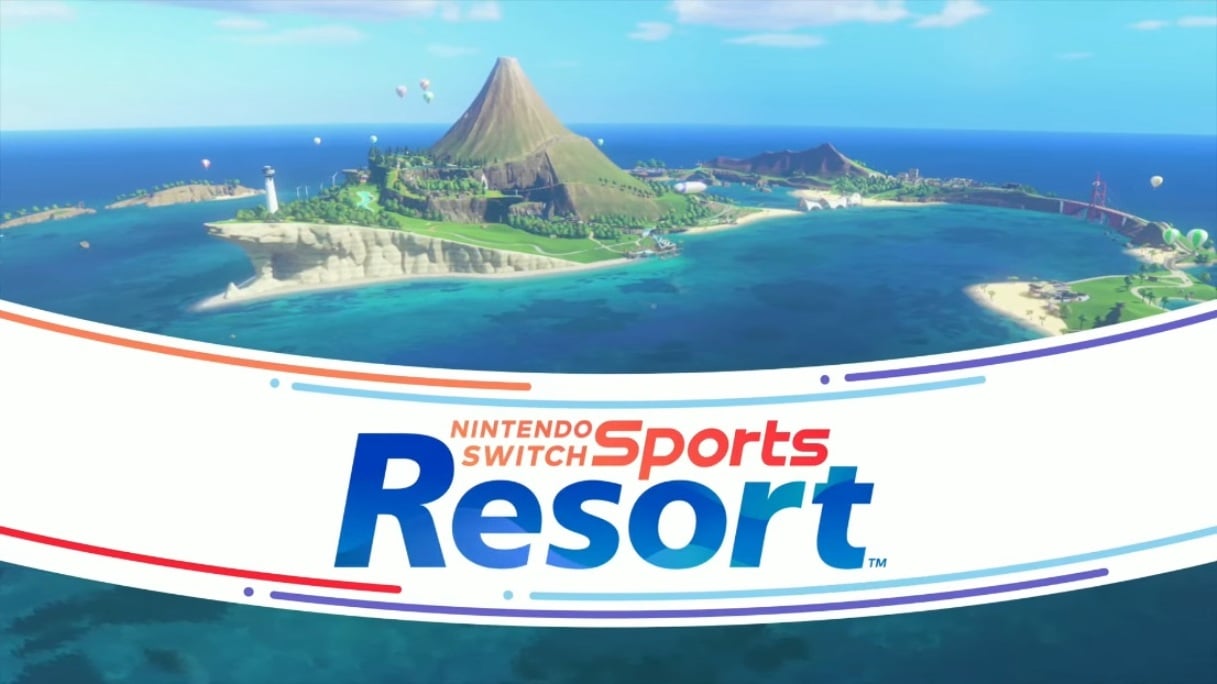
Summary:
For many players, Nintendo Switch Sports felt like a fun return to motion-controlled party sports but also a little stingy with cosmetic unlocks. The rotating Collections system rewarded online play with randomized items that cycled weekly, creating a strong fear of missing out for players who preferred local matches or casual schedules. That design pushed people toward online matchmaking and hourly grinding to secure specific hairstyles, outfits, or goofy items that had little impact on gameplay but mattered to fans who love personalising their Sportsmate. NintendoReporters argues Nintendo Switch Sports Resort should avoid repeating that exact formula. Instead, the sequel has a chance to make cosmetics fairer, reward local play, and let players unlock gear through clear, accessible methods so everyone can enjoy customization without keeping calendars or chasing rotating drops.
Why the Collections system in Nintendo Switch Sports frustrated players
The rotating Collections mechanic in Nintendo Switch Sports was clever on paper: give players a reason to keep returning to online matches by rewarding points that convert into cosmetic items. In practice it felt exclusionary. Items were locked into weekly twelve-item sets that rotated out after three weeks, and players who missed a window had to wait months for another chance. That put pressure on people who enjoy casual local play, families who gather for an evening, or anyone without the time to chase weekly drops. Instead of rewarding play across all modes, the system effectively made online play the only reliable path to meaningful customization. For a game built around social, accessible fun, that contradiction rubbed players the wrong way and generated a lot of negative chatter in the community.
How Collections actually worked in Nintendo Switch Sports
Collections were tied to the game’s Play Globally mode, where online matches awarded points after each session. Once a player had earned 100 points they could redeem them for a random item from one of three themed collections available that week. Winning mattered less than time spent and which sport you played, since different sports granted varying point totals per match. Trial Mode and non-subscribers were restricted to a limited number of items per week, which compounded the exclusivity. The system also used completion bonuses to reward players who finished a whole set, but the randomness and narrow windows made completion feel like a grind rather than a reward. For readers who want specifics about how these online rewards were handled, Nintendo’s own news and support updates documented the system and weekly rotation model.
Why locking cosmetics behind online-only timed events is a problem
When cosmetics become time-gated and online-only, the player experience shifts from enjoyment to anxiety. For many Nintendo fans the joy is in picking ridiculous combinations and showing them off to friends at a party or family gathering. If a desired hairstyle or outfit only shows up for a three-week window and only through online play, that removes choice and punishes players who prefer local sessions. It also creates a paywall effect for those without a Nintendo Switch Online membership, limiting access in a way that feels arbitrary for purely cosmetic items. Beyond fairness, timed online drops work against the spirit of social play: a family should be able to boot up a round of bowling and unlock the same silly hat for their Sportsmate as someone grinding matchmaking at midnight.
What Nintendo Switch Sports Resort must change
Resort should prioritize player freedom when it comes to customization. That means making the majority of cosmetic options obtainable through local play, progression milestones, and transparent challenges that reward consistent engagement rather than frantic weekly windows. Nintendo could retain some rotating items for novelty, but they should not gate core personalization behind online time-limited mechanics. Allowing players to unlock a baseline wardrobe through total games played, story or challenge milestones, or simple in-game achievements would keep customization accessible. If Resort wants to encourage online play, structure rewards around optional bonus sets that complement rather than replace the main unlock paths. A fairer system will keep casual players happy and encourage long-term engagement without FOMO.
Alternatives Nintendo could use for unlocks and customization
There are several player-friendly alternatives Nintendo could implement. First, count local and offline matches toward cosmetic unlock totals, so families and couch co-op groups aren’t excluded. Second, add clear milestone-based unlocks – for example, unlock a hair style after 50 total games played or a special outfit after achieving certain sport ranks. Third, introduce challenge-based unlocks where specific actions within any mode grant predictable rewards, removing randomness and letting players farm items they want. Finally, implement a seasonal shop or limited-time event that uses in-game currency earned across all modes; that keeps novelty alive while not forcing weekly online-only participation. These options keep the game social and friendly while still giving collectors something to chase on their terms.
Signs Nintendo may be listening – what Mario Tennis Fever suggests
Nintendo’s more recent first-party releases hint that the company is willing to rethink how it launches sports titles. Mario Tennis Fever, announced during Nintendo’s 2025 Direct and released in February 2026, launched with a much larger roster and more content at day one compared with older sports entries. That title shipped with 38 playable characters and a broad selection of features at launch, which suggests Nintendo is moving away from minimal releases that rely heavily on incremental free updates. If Resort follows a similar mindset and focuses more on delivering full, unlockable systems from the start, it would be a smart reaction to past criticism. Those who want the announcement and release details for Mario Tennis Fever can check official Nintendo coverage and reporting from outlets that covered the Direct reveal and launch information.
What players can do now – practical tips
If you still love the original Nintendo Switch Sports but are tired of the Collections grind, there are sensible ways to enjoy the game while avoiding frustration. First, focus on modes that award the most points if you care about the online reward track – Bowling historically returned higher point totals per match, while smaller sports gave fewer points. Second, take advantage of reissued items and point campaigns announced by Nintendo that sometimes make missed gear available again. Third, play in bursts and set personal goals for cosmetics so the chase feels optional. And finally, when Resort releases, check the unlock rules early and vote with your wallet and playtime: show support for fair systems by backing versions that reward all players, not just those who can grind online every week.
Final thoughts on balancing online and local play for family-friendly sports games
Sports titles built for all ages should make it easy to enjoy both online competition and local couch play. Locking core personalization behind tight online windows pushes a competitive, grind-first agenda onto games that should be social and light-hearted. Nintendo has a chance with Switch Sports Resort to re-center the experience: prioritize unlock paths that reward total play, local sessions, and clear achievements, while keeping rotating or exclusive drops optional and cosmetic-only. Doing so would preserve replay value without turning casual players into calendar-keeping completionists. NintendoReporters will be watching Resort’s reveal details closely, and we hope the sequel leans into fair, player-friendly systems that let everyone customize their Sportsmate with no stress.
Conclusion
Nintendo Switch Sports Resort should avoid the original’s timed, online-only Collections that created FOMO and excluded local players. A mix of milestone unlocks, local play counting, and optional novelty drops would keep customization fun and fair. If Nintendo follows the larger launch approach seen in recent first-party releases, Resort could be the kinder, more relaxed sequel fans wanted from the start.
FAQs
- Why did Nintendo use rotating Collections in the first Switch Sports?
- Nintendo appears to have used rotating Collections to encourage repeated online matches and sustain engagement, offering completion bonuses and randomized rewards to keep players returning to Play Globally.
- Did local matches count toward item unlocks in Switch Sports?
- Originally, most Collection points were tied to online Play Globally matches, while Trial Mode and non-subscribers had much more limited access, so local matches generally did not count the same way.
- Could Nintendo change this for Resort?
- Yes. Nintendo has shown in recent releases that it can adjust launch strategies, and Resort could adopt milestone-based and local-friendly unlocks to avoid the original’s pitfalls.
- What are quick ways to earn more Collection points now?
- Playing sports that reward higher point totals per match and participating in point campaigns or reissued weeks — which Nintendo occasionally runs — are the fastest ways to collect items.
- Where can I read official details about these systems?
- Official Nintendo news posts outline how the online reward system and weekly rotations worked, and recent Nintendo Direct coverage explains Nintendo’s launch strategies for newer sports titles.
Sources
- Tips and tricks for Nintendo Switch Sports, Nintendo, June 3, 2022
- In-game rewards: Week of June 22, 2023, Nintendo, June 22, 2023
- Mario Tennis Fever announced for Switch 2, Gematsu, September 12, 2025
- New Nintendo Direct kicks off the Super Mario Bros. 40th Anniversary and brings slate of new announcements, Nintendo, September 15, 2025