


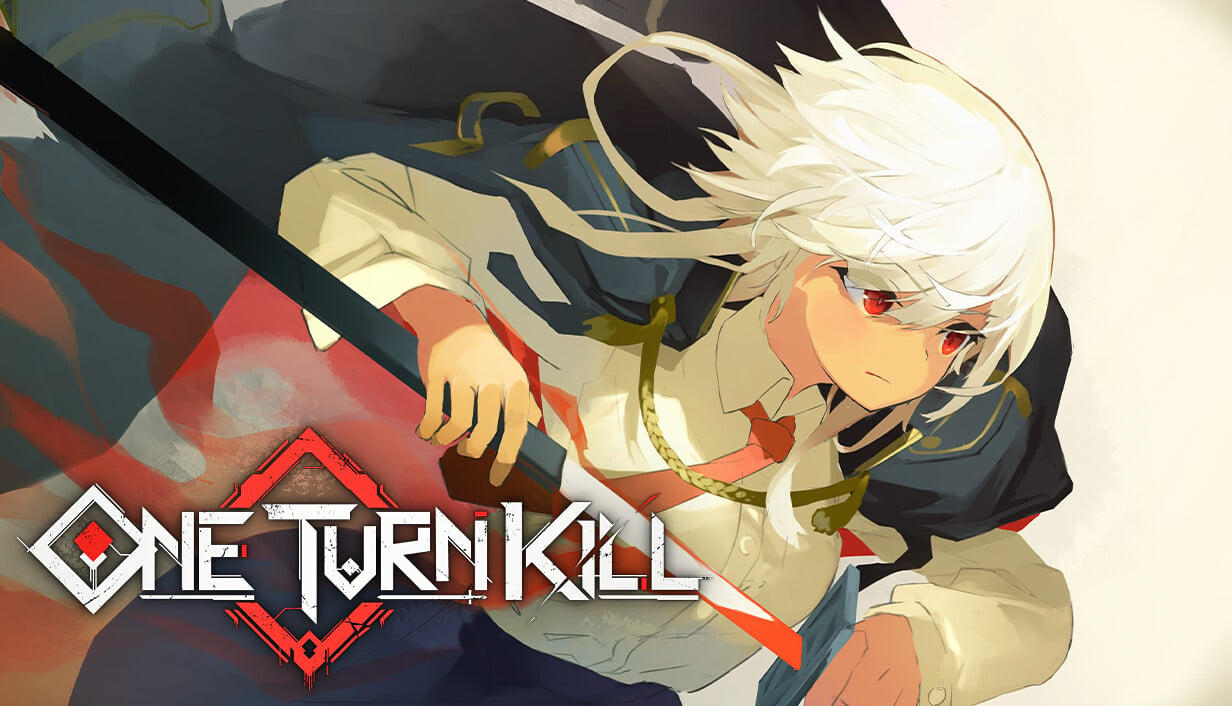
Summary:
One Turn Kill, published by Waku Waku Games and developed by DenDen, recently arrived on Nintendo platforms, bringing a tense PvE card experience built around single-turn victories and a deck-building twist where drawing cards consumes uses. The game drops players into a pixel-art wasteland where every draw matters, and matches resolve in a single explosive turn – miss your window and the enemy’s counterattack can end the run. With a strict 20-card deck limit, synergy between cards and skills is crucial, and the draw-as-cost mechanic forces careful planning and daring combos. The Switch 2 and Switch versions support multiple play modes and bring animated card-driven characters and catchy music that match the game’s quick tempo. If you like high-risk strategy, tight combos, and a soundtrack that sticks, One Turn Kill is worth a look.
One Turn Kill arrives on Nintendo Switch 2 and Switch
The announcement of One Turn Kill landed via Nintendo and publisher channels recently, and it comes to both Nintendo Switch 2 and Nintendo Switch with a clean, focused design built for players who like tension by the handful. From the first glance the game promises short, sharp matches where the entire battle is meant to be decided within one turn, creating a rhythm that rewards both patience and boldness. The pixel-art presentation gives it an indie charm, but the core loop is anything but casual: you plan a combo, balance your draws, then see if the math and timing line up. With a small file size and support for TV, tabletop, and handheld play, it’s clear the team wanted the game to be something you can pick up for a quick, dramatic session or sink into for longer runs. For anyone who follows Nintendo platforms, this release is an interesting blend of old-school visuals and fresh mechanical ideas.
What kind of game is One Turn Kill?
One Turn Kill is a PvE card-strategy game that flips the usual turn-based expectation on its head by limiting combat to a single decisive turn. Instead of drawn-out matches with long planning horizons, every encounter compresses decision-making into one high-stakes moment. The core thrill comes from the draw mechanic: drawing is tied to card-uses, so each extra draw is both an opportunity and a risk. The game’s pacing is built around this tension – you want as many options as possible, but overreach and you might run out of resources when it matters most. The setting is a pixel-art wasteland with a protagonist who fights progressively tougher foes, and the streamlined interface keeps the focus sharp. For players who enjoy reading the board, calculating odds, and stringing tight combos, One Turn Kill offers a satisfying, often heart-pounding loop that’s easy to learn and challenging to master.
Core mechanics – draw costs and single-turn pressure
The most distinctive mechanic in One Turn Kill is that drawing from your deck costs card-uses, merging resource management with deck-thinning into a single, elegant system. This forces players to weigh the immediate benefit of an extra card against the long-term danger of exhausting their deck. Because battles resolve in a single turn, that trade-off becomes visceral: do you pump draws for volume and combo shots, or conserve to ensure you have the exact finishing pieces when you need them? The deck limit is tight – only 20 cards – which turns each slot into a meaningful choice. Skills and cards have compatibility quirks, allowing creative synergies if you spot them, but those synergies are fragile. The result is gameplay that rewards careful planning, improvisation when things go sideways, and a bit of bravado when you gamble for a one-turn payoff.
Visuals and sound: pixel art that moves with the cards
One Turn Kill dresses its tense mechanics in lively pixel visuals and punchy music that complement the fast pace. Characters animate in sync with card plays, so using a combo feels cinematic even though the action is contained to a single turn. The pixel-art aesthetic keeps the visual language readable – important when decisions must be fast – while still offering personality and charm. The soundtrack is deliberately catchy and upbeat, engineered to match the tempo of quick battles and to stick in your head after a session ends. These presentation choices make each run feel kinetic and immediate, like watching a tight short film where every beat matters. If you appreciate music and animation that accentuate mechanical tension rather than distract from it, this game nails that balance.
Building your deck – 20-card limit and synergy
Deck construction in One Turn Kill is compact but strategic: with only twenty slots you can’t afford filler. That constraint pushes players to focus on synergy and purpose. Cards pair with skills in ways that can multiply their effects, turning basic components into powerful combos when assembled correctly. The deck’s small size also increases replayability: swapping a single card can dramatically alter how a run plays out, and experimenting with different builds is part of the fun. Since drawing consumes card-uses, your deck composition has to consider not just raw power but draw economy and redundancy. Do you include several low-cost utility cards to increase consistency, or load up on fewer huge-impact cards and rely on lucky draws? Those questions are what make the deck-building loop mentally satisfying: it’s less about assembling a massive toolbox and more about sculpting a precise instrument that fits your play style.
Strategies to survive and win your one-turn fights
Winning in One Turn Kill often comes down to sequencing and resource timing rather than raw card strength. Because each battle is meant to be resolved instantly, think in terms of orchestration: which draws enable the combo you need, which cards set up buffs, and where can you conserve to prevent a sudden deck-out? Early runs should focus on learning reliable combos and spotting cards that consistently contribute to a finish. Midgame strategies usually shift to flexibility – include cards that cover multiple scenarios and skills that amplify your most common plays. Risk management matters; sometimes the correct play is to accept a lower damage turn and save resources for later, especially when facing bosses that punish overextension. Practice, patience, and a willingness to iterate on decks will pay off, and the game rewards players who learn to read enemy telegraphs and count resources under pressure.
Platforms, release details, and where to watch the trailer
One Turn Kill is available on both Nintendo Switch 2 and Nintendo Switch, with the Nintendo Store listing the release date as October 28, 2026, for the Switch 2 edition and associated storefront entries for Switch platforms. The game supports TV, tabletop, and handheld modes for flexibility in how you play, and the Switch 2 version lists features like a small 1 GB file size and language support including American English. For readers who want context on the new hardware, check out the site’s pages on Nintendo Switch 2 and on Nintendo Switch to compare features and see what fits your setup. The reveal included a trailer that highlights the animation and tempo; look for the official trailer on Nintendo’s store page and publisher channels to get a first-hand look at gameplay rhythm and visual style.
Why Nintendo fans should give One Turn Kill a look
If you’re a Nintendo fan who enjoys titles with tight mechanics and strong identity, One Turn Kill offers something that stands apart from more sprawling strategy games. Its short, punchy sessions make it ideal for handheld or quick TV play, and the pixel-art presentation will appeal to anyone who appreciates retro-inspired visuals done with modern polish. The single-turn focus makes each playthrough feel decisive and rewarding, and the deck limit encourages creativity over accumulation. Fans of card games that emphasize tactical calculation and precise timing will find the game’s systems satisfying, while players who mostly sample Nintendo’s bigger franchises might be surprised at how much depth can fit into a modest package. It’s a compact package that rewards thought, timing, and a willingness to gamble on dramatic, all-or-nothing turns.
Conclusion
One Turn Kill succeeds by carving a narrow but intense niche: a PvE card game that makes single-turn battles meaningful through a clever draw-as-cost system and tight deck design. The move to both Nintendo Switch 2 and Nintendo Switch brings that experience to a wide audience, and the presentation – lively pixel art, synced animations, and upbeat music – keeps the action engaging even when runs end abruptly. If you enjoy games where decisions land with weight and where small changes in your deck can flip the outcome of a fight, this title will reward experimentation and careful planning. Between short run times and high tactical payoff, One Turn Kill is the kind of compact, replayable experience that fits perfectly into busy schedules or marathon sessions alike. Check the Nintendo storefront entries or the publisher’s pages for storefront links, pricing, and storefront features.
FAQs
- Is One Turn Kill available on both Switch 2 and the original Switch?
- Yes. The game launched on Nintendo Switch 2 and Nintendo Switch, with store entries for both platforms. Expect the Switch 2 edition to offer the same core systems and the convenience of multiple play modes.
- How big is the download and what languages are supported?
- The Switch 2 listing indicates a roughly 1 GB file size and language support that includes American English, Japanese, and both Traditional and Simplified Chinese. Platform listings may show exact sizes per region.
- What makes the game’s draw system unique?
- Drawing cards consumes card-uses, merging draw and cost into one mechanic. That creates tension because extra draws expand options but also bring you closer to running out of usable cards during a one-turn battle.
- How many cards are in a deck and why does that matter?
- Decks are limited to 20 cards. The small deck size forces meaningful choices and makes synergy more important than sheer variety, which encourages experimentation and careful build planning.
- Where can I watch the official trailer?
- The announcement included a trailer on Nintendo’s store page and the publisher’s channels. Check the Nintendo storefront entry or Waku Waku Games’ official page for the embedded trailer and additional media.
Sources
- One Turn Kill for Nintendo Switch 2, Nintendo, October 28, 2026
- Games, Waku Waku Games, 2026
- One Turn Kill Revealed For Switch 2 And Switch, NintendoScoop, October 28, 2026
- PvE型カードゲーム「One Turn Kill」Switch 2/Switch版がリリース!, Gamer, October 29, 2026