














Summary:
HoYoverse’s upcoming cosmic life simulator Petit Planet appears to be heading to Nintendo Switch 2 following the discovery of a new ESRB rating. The official ratings database lists both Windows PC and Nintendo Switch 2 as supported platforms, providing the clearest evidence so far that a console edition is being prepared. HoYoverse has not formally announced the Nintendo Switch 2 version, so the listing should not be treated as a replacement for confirmation from the developer or Nintendo. Even so, an entry on the ESRB’s own website is considerably more substantial than an anonymous rumour or vague social media claim.
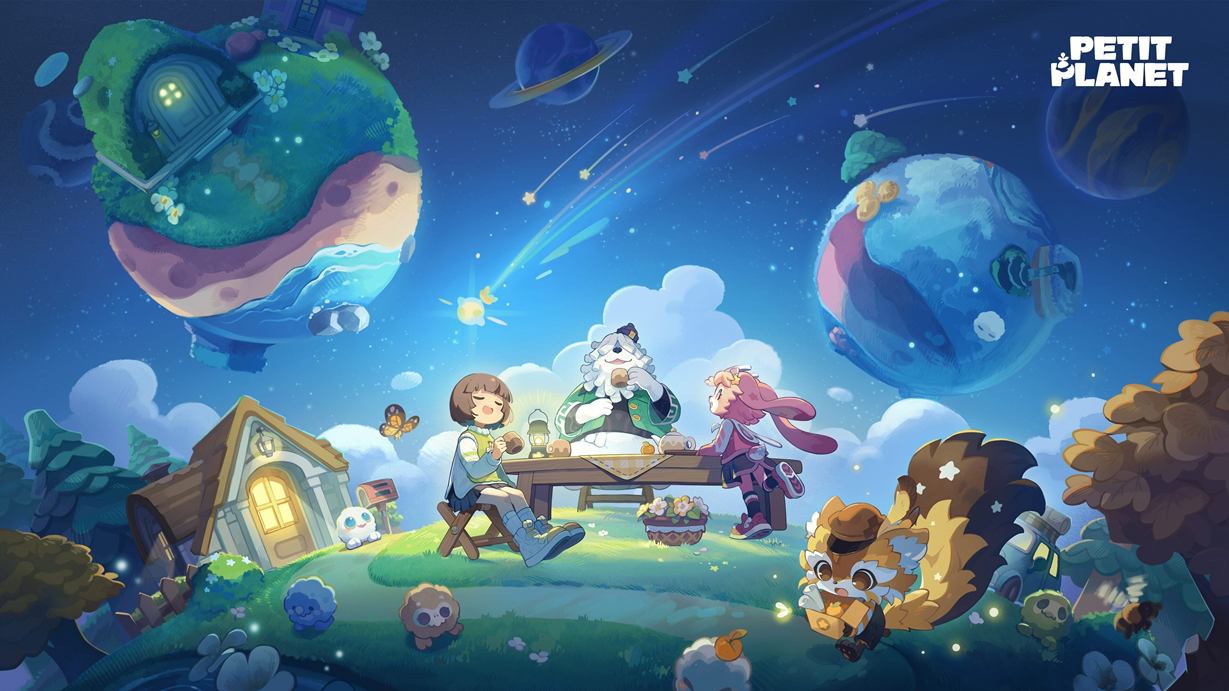
Petit Planet was unveiled in September 2025 as HoYoverse’s first life simulation game. Rather than sending players into fast-paced battles, it focuses on creating a personal planet, meeting fuzzy Neighbors, decorating homes, growing crops, fishing, cooking, crafting and travelling across a colourful galaxy. Players can also visit the Galactic Bazaar, a social location where festivals, conversations and multiplayer interactions bring different communities together.
The ESRB has rated Petit Planet E for Everyone and notes that it includes user interaction and in-game purchases featuring random items. Its description also mentions fishing, bug catching, crop planting and landscape customization. Those details fit the experience HoYoverse has shown through trailers, previews and beta tests. A release date remains unconfirmed, but the Nintendo Switch 2 listing suggests the game’s planned platform lineup may be wider than originally announced.
Petit Planet Receives an ESRB Rating for Nintendo Switch 2
Petit Planet has moved a significant step closer to Nintendo Switch 2 without HoYoverse actually announcing the version. The Entertainment Software Rating Board now lists Nintendo Switch 2 alongside Windows PC on the game’s official ratings page. That is a fairly loud clue, even though nobody has walked onto a stage and said the magic words yet. Ratings occasionally reveal platform plans before publishers are ready to discuss them, and this particular listing identifies the console directly rather than using a broad or ambiguous category.
The discovery is especially notable because Petit Planet was previously promoted for PC and mobile devices, with HoYoverse also referring more generally to additional platforms. Nintendo Switch 2 was not formally named during the original reveal. The ESRB listing therefore supplies the first authoritative platform reference connecting the cosmic life simulator to Nintendo’s current hardware. It does not provide a release date, price or launch strategy, but it places the console version on firmer ground than ordinary speculation.
Until HoYoverse shares an official statement, the safest conclusion is that a Nintendo Switch 2 edition appears to be in development. Plans can change before release, of course, but the rating makes the possibility increasingly difficult to dismiss. For players hoping to build a tiny world from the comfort of a sofa, handheld screen or suspiciously cosy blanket fort, the evidence is certainly encouraging.

What the ESRB Listing Confirms About Petit Planet
The ESRB has rated Petit Planet E for Everyone. No traditional content descriptors are listed, which reflects the game’s gentle focus on everyday activities, exploration and customization. The rating does include two interactive elements: Users Interact and In-Game Purchases, with the latter specifically noting that random items are included. These labels do not explain how the purchase system works, how frequently it appears or what players can obtain from it, but they do confirm that online interaction and monetized randomized elements are expected.
The rating summary describes Petit Planet as a simulation game in which players explore an empty planet and interact with Neighbors. It also highlights fishing, bug catching, planting crops and customizing the landscape. Those details closely match the systems shown by HoYoverse, although the ESRB description is naturally much shorter than the developer’s own presentation.
The Rating Supports Previously Revealed Gameplay Details
Nothing in the ESRB summary suggests that the Nintendo Switch 2 version will be a separate or heavily altered experience. The listed activities align with the core loop already associated with Petit Planet, from gathering natural resources to shaping a personal world. Players can expect a mixture of routine tasks and creative freedom rather than a conventional action-focused structure. You might spend one moment planting vegetables and the next redesigning a beach, which sounds far less stressful than saving the universe before breakfast.
The mention of user interaction also fits the game’s wider social design. Petit Planet is not limited to a solitary home world. Its Galactic Bazaar and connected planets create opportunities for players to meet, communicate and participate in shared activities. Exact Nintendo Switch 2 networking features have not been announced, but the rating indicates that social functionality remains part of the planned experience.
Why an Official Nintendo Switch 2 Announcement Still Matters
An ESRB listing is strong evidence, but it cannot answer every question. HoYoverse has not announced when Petit Planet will launch, whether every version will arrive simultaneously or how the Nintendo Switch 2 edition will be distributed. We also do not know whether the console release will support cross-progression, cross-platform multiplayer or account transfers with the PC and mobile editions. These are important details for a game designed around long-term routines and personal progress.
An official reveal would also clarify whether Nintendo Switch 2 receives platform-specific features. Touchscreen support could suit inventory management and decorating, while portable play is a natural match for short sessions built around fishing, farming or checking in with Neighbors. The system’s controllers could potentially support motion-based interactions, although no such functionality has been confirmed. Until HoYoverse speaks, these possibilities remain exactly that: possibilities.
There is also the matter of availability. A rating does not guarantee an immediate release, and it does not reveal whether the game will appear in every region at the same time. Players should therefore avoid treating the listing as confirmation of a launch window. What it does show is that Nintendo Switch 2 has been included in the formal ratings process, which generally happens for a practical publishing reason rather than a bit of cosmic mischief.
HoYoverse Brings Its First Life Simulator Into the Spotlight
Petit Planet represents a noticeable change of pace for HoYoverse. The company is widely associated with Genshin Impact, Honkai: Star Rail and Zenless Zone Zero, all of which place combat, character progression and story-driven adventures near the centre of their design. Petit Planet takes another route. It slows the tempo, trades dramatic confrontations for daily routines and asks players to build a home among the stars.
The game was officially unveiled in September 2025 with the slogan “Weave Your Dreams Beneath the Stars.” Its visual identity combines rounded characters, bright environments and small planetary landscapes that resemble handcrafted dioramas. Comparisons with Animal Crossing are understandable because both games feature friendly animal-like residents, collecting, decorating and leisurely activities. Petit Planet nevertheless expands the setting from a village or island to a network of connected worlds.
That cosmic structure gives HoYoverse room to create a distinct identity within a familiar genre. A personal planet can evolve through changes to its grasslands, beaches, skies and overall landscape. Travelling across the Starsea can reveal additional locations, creatures and recipes. Rather than treating space as cold and empty, Petit Planet presents it as a collection of warm little communities floating beneath a colourful sky.
Building and Transforming a Personal Planet
Every player begins with a planet that can be nurtured and gradually connected to a larger galaxy. Development is influenced by Luca, described as the planet’s vitality. As the world flourishes, Luca helps shape its scenery and gives each planet its own character. This system appears to extend customization beyond furniture placement by allowing players to influence broad environmental features.
Character customization is another major part of the experience. Players can choose outfits, create different looks and adjust their appearance to suit the life they want to build. Interior spaces can be decorated with furniture, while outdoor areas can be arranged around specific themes. A peaceful garden, a lively gathering place or a beach filled with wonderfully unnecessary decorations should all fit within the game’s creative framework.
Luca Allows the Environment to Evolve
Luca separates Petit Planet’s customization from a simple catalogue of household objects. HoYoverse says it can affect skies, grasslands and beaches, suggesting that players may be able to alter the mood and physical appearance of an entire world. That opens the door to planets that feel meaningfully different from one another rather than like identical stages with rearranged chairs.
The idea also connects progress with visual change. Crops, friendships, exploration and daily tasks may contribute to a planet that slowly feels more alive. Watching a quiet world gain colour, residents and personality could provide the kind of gentle long-term motivation that keeps life simulators appealing. Instead of chasing a traditional finish line, players create a place that reflects the time and care they have invested.
Creative Tools Could Become a Central Long-Term Attraction
Customization often determines how long players remain invested in a life simulator. A limited toolset can make every home look alike, while flexible options encourage experimentation and sharing. Petit Planet appears to understand that distinction. Its combination of clothing, interior design, exterior decorating and environmental transformation gives players several layers of expression.
This could be particularly effective when combined with social visits. A decorated planet becomes more than a private save file when friends and other players can see it. Someone may build an elegant celestial garden, while another creates a beach covered in furniture that has no business being near sand. Both approaches are valid. In fact, the stranger one will probably be the planet everyone remembers.
Relaxing Activities Give Each Day a Familiar Rhythm
Petit Planet builds its daily routine around planting, fishing, beachcombing, mining, cooking and crafting. These activities provide resources while giving players a reason to explore different parts of their world. Exotic crops can be harvested, ecosystems can be discovered and gathered materials can be turned into useful items or decorative objects.
Fishing and bug catching are also identified in the ESRB summary, confirming that familiar collection systems play a role. These activities can create small moments of surprise when a rare creature appears or an ordinary walk produces something new. They also suit portable play particularly well. Completing a few tasks during a short break could feel productive without demanding a lengthy session.
The balance between routine and discovery will be important. Repeated tasks can become comforting when they support meaningful goals, but they can feel like chores when progress moves too slowly. HoYoverse’s tests have provided opportunities to refine that balance before launch. Petit Planet needs enough structure to keep each day purposeful while leaving room for players who simply want to wander around, decorate and talk to a fluffy Neighbor wearing an excellent hat.
Neighbors and Friendships Shape the Wider Galaxy
Neighbors are central to the personality of Petit Planet. These fuzzy characters come with individual stories, dreams and temperaments, and they can be invited to settle on a player’s planet. Relationships develop through conversations, gifts and character-specific interactions. As friendships grow, new moments and deeper connections become available.
The system ties social development to everyday life rather than separating it into isolated menus. A Neighbor may join an activity, request assistance or react to changes around the planet. This helps each resident feel connected to the environment and gives routine tasks a personal purpose. Growing vegetables is one thing. Growing vegetables because a tiny cosmic animal asked for dinner is somehow much harder to refuse.
HoYoverse has described these bonds as an important part of planetary growth. That suggests friendships may contribute to progression alongside gathering, decorating and exploration. A successful planet is not simply one filled with expensive furniture. It is a place where residents have stories, relationships and reasons to remain.
Starsea Voyages Expand Exploration Beyond Home
Players will not be confined to their own planet. Petit Planet includes Starsea Voyages that allow them to board a vehicle with helpful Neighbors and travel to unknown Islets. These expeditions can lead to rare creatures, hidden recipes, unfamiliar resources and unexpected friendships. The feature introduces a stronger sense of adventure without abandoning the relaxed tone of the wider experience.
Exploration could also prevent the home-building loop from becoming too predictable. When players need new materials or inspiration, a voyage offers a change of scenery. Returning home with a rare recipe or unusual creature then feeds directly back into customization and collecting. It is a circular structure in the best sense: build, explore, discover and build again.
The space-travelling vehicle is one of Petit Planet’s most distinctive visual ideas. It turns the journey between worlds into part of the fantasy rather than treating travel as a plain menu selection. Whether these voyages are freely repeatable, procedurally varied or tied to specific progression milestones has not been fully explained, but they appear to be an important bridge between the quiet home planet and the wider galaxy.
The Galactic Bazaar Introduces a Social Meeting Place
The Galactic Bazaar serves as a bustling hub where players can gather beyond their personal planets. HoYoverse has shown it as a place for coffee, conversation, festivals and encounters with other players. That makes it a shared community space rather than another private decorating area.
Social hubs can give life simulators a stronger sense of continuity because there is always somewhere to visit after completing local tasks. Seasonal celebrations and limited events could transform the Bazaar over time, while casual meetings may help players discover new styles, activities or friends. The game’s Users Interact label confirms that online communication or shared play forms part of the experience, although HoYoverse has not detailed the complete set of safety, privacy and parental options.
On Nintendo Switch 2, the Bazaar could become a natural destination for players who enjoy visiting other communities but do not want the pressure of competitive multiplayer. There is no race to win and no battlefield to dominate. Sometimes the grand objective is simply drinking coffee beneath the stars, which sounds like a respectable use of advanced gaming hardware.
Why Petit Planet Could Feel at Home on Nintendo Switch 2
Life simulators have traditionally worked well on portable systems because their routines fit both short and long sessions. Players can check crops for ten minutes, decorate for an hour or spend an evening searching for one stubborn creature that apparently knows it is missing from the collection. Nintendo Switch 2 can support all of those play patterns through handheld and television modes.
Petit Planet’s colourful visual style also seems suited to the platform. Its worlds use compact environments, stylized characters and carefully arranged scenery rather than photorealistic landscapes. That does not tell us how the game will perform, and no resolution or frame-rate targets have been announced. Still, its artistic direction should translate comfortably to a portable display if the edition is properly optimized.
The wider Nintendo audience is another obvious match. Players familiar with Animal Crossing, Story of Seasons, Disney Dreamlight Valley and other relaxing simulation games may recognise many of Petit Planet’s activities. The cosmic setting, environmental customization and connected galaxy give it enough personality to avoid feeling like a simple copy. Familiar ingredients can still create a different meal, especially when one of those ingredients is a car driving through space.
Conclusion
Petit Planet has not been officially announced for Nintendo Switch 2, but its appearance in the ESRB database provides compelling evidence that HoYoverse is preparing a version for the console. The listing names Nintendo Switch 2 and Windows PC, assigns an E for Everyone rating and confirms user interaction alongside in-game purchases featuring random items. It also reinforces several familiar gameplay elements, including fishing, bug catching, crop planting and landscape customization.
A formal announcement is still needed to confirm launch timing, distribution, cross-platform features and any Nintendo Switch 2-specific functionality. Until then, the rating gives fans a solid reason to watch for further news. Petit Planet already combines personal world-building, gentle daily activities, character relationships, Starsea exploration and shared social spaces. Bringing that mixture to a portable Nintendo system would make plenty of sense, particularly for players looking for another cosy world to visit between larger adventures.
FAQs
- Is Petit Planet officially confirmed for Nintendo Switch 2?
- HoYoverse has not formally announced the Nintendo Switch 2 version. However, the official ESRB database lists Nintendo Switch 2 as one of the game’s platforms, providing strong evidence that an edition is planned.
- What age rating has Petit Planet received?
- The ESRB has rated Petit Planet E for Everyone. The listing has no standard content descriptors, but it includes Users Interact and In-Game Purchases, with random items specifically mentioned.
- Does Petit Planet have a confirmed release date?
- No final release date has been announced. HoYoverse has conducted beta tests and opened pre-registration, but launch timing for Nintendo Switch 2, PC and mobile remains unconfirmed.
- What activities are included in Petit Planet?
- Players can plant crops, fish, catch bugs, beachcomb, mine, cook, craft, decorate homes, customize outdoor areas, meet Neighbors and explore distant Islets during Starsea Voyages.
- Does Petit Planet include multiplayer features?
- Petit Planet includes social interaction through connected planets and the Galactic Bazaar. The ESRB listing also carries a Users Interact notice, although the complete multiplayer feature set has not been announced.
Sources
- Petit Planet, ESRB, June 30, 2026
- miHoYo’s Petit Planet Seemingly Coming to Nintendo Switch 2, Nintendo Everything, June 30, 2026
- Petit Planet Rated for Switch 2 by ESRB, NintendoSoup, June 30, 2026
- New HoYoverse Life Sim Is Like Animal Crossing in Space, GameSpot, September 25, 2025
- Petit Planet: Stardrift Test Begins Today!, HoYoLAB, April 21, 2026