














Summary:
Pokémon Champions arrived with the kind of pressure that can make even the strongest trainer sweat. It was not introduced as a side experiment or a harmless spin-off. Instead, it was presented as a major step forward for Pokémon battling, with official ties to competitive play and a clear push toward becoming an important platform for the Video Game Championships scene. That alone raised expectations sky high. When a game is framed as the future of battling, players do not walk in hoping for something that is merely decent. They expect polish, flexibility, strong features, and a sense that the people behind it understand exactly what makes competitive Pokémon exciting.
That is why the early reaction has felt so chilly. Rather than a wave of celebration, the conversation has quickly turned toward bugs, missing tools, awkward restrictions, and concerns that the game is too limiting for the very audience it appears designed to serve. Some players have pointed to technical problems that disrupt battles or basic functionality. Others are frustrated by the absence of key items and mechanics that have long been part of competitive strategy. There is also a broader concern simmering underneath it all – that Pokémon Champions may be trying so hard to simplify and control the battlefield that it loses some of the creativity, chaos, and tactical expression that make Pokémon battles so fun in the first place.
At the same time, this does not automatically mean the game is doomed. Launches are messy more often than publishers would like to admit, and live-service style games can improve quickly if developers respond well. The real issue is that first impressions matter. When a game arrives carrying the hopes of competitive players and then immediately stumbles, the mood shifts fast. Right now, Pokémon Champions feels less like a confident new standard and more like a project that still has something to prove.
Pokémon Champions and its launch expectations
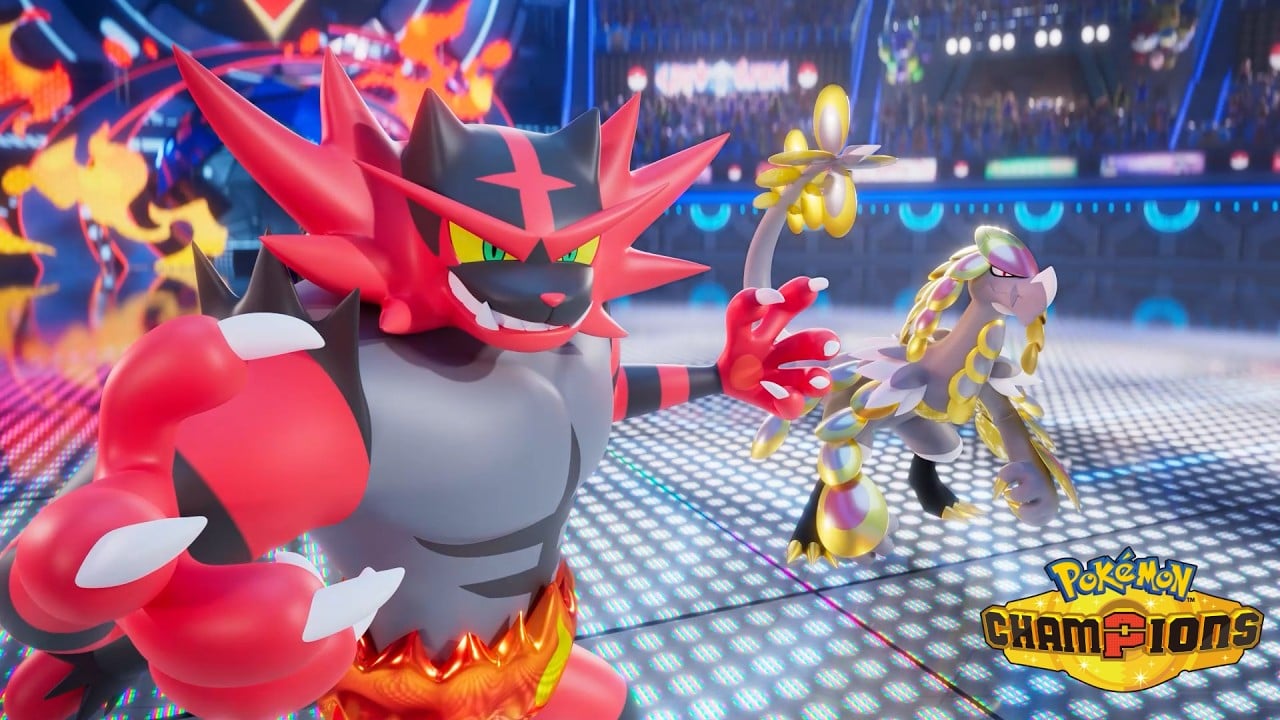
Pokémon Champions did not arrive quietly. It stepped onto the battlefield with a bright spotlight on it, and that spotlight was earned. The game was marketed as a battle-focused experience built for players who care about strategy, matchups, team choices, and the thrill of head-to-head competition. That pitch alone made it stand out. Pokémon has always had battling at its core, but most releases wrap that system in exploration, story, collecting, and progression. Pokémon Champions trims much of that away and puts the battle itself front and center. On paper, that sounds like a dream for competitive players. You load in, build your squad, and start testing your ideas against other trainers. Clean, sharp, exciting. But expectation is a tricky beast. The more a release is framed as important, the less room it has to wobble. That is exactly what happened here. Rather than feeling like a polished new arena for serious play, the launch has left many players feeling like they were invited to a grand stadium only to discover wet paint on the walls and half the seats still missing.
Why Pokémon Champions was positioned as the future of battling
The game’s messaging made its role clear from the start. This was not treated like a novelty. It was presented as a meaningful step for the franchise’s battle scene, aimed at both experienced trainers and players looking for a more direct route into competitive action. That kind of positioning matters because it changes the standard people use to judge the release. Players do not compare a release like this to a light mobile distraction. They compare it to years of Pokémon battling history, to established VGC habits, and to the strategic depth that fans have built entire communities around. When you tell players this is where battling is headed, you are inviting serious scrutiny. You are also promising that the game will respect the mechanics, flexibility, and sense of expression that competitive players value. That is why even small missing features can feel big. It is not just about one absent tool or one awkward bug. It is about whether the release actually feels ready for the role it has been given.
The link between Pokémon Champions and official VGC play
One reason the reaction has been so intense is the official connection to competitive events. Pokémon Champions is not floating in its own little bubble. It has been tied to the broader Play! Pokémon structure, which means competitive players naturally view it through a tournament lens. That changes everything. If a casual battle game launches with some rough edges, players may shrug and wait for patches. If a game tied to organized competition launches in a shaky state, every flaw feels heavier. Competitive players need confidence in systems, items, battle flow, and overall consistency. They need to know that what they are practicing in the game reflects a stable competitive environment. When that confidence is not there, frustration spreads quickly. A battle platform connected to official events is supposed to feel like a sturdy stage. Right now, for some players, it feels more like a stagehand is still tightening the screws while the curtain is already up.
Why the launch response has felt muted instead of celebratory
The strangest part of the reaction is not that players found things to criticize. That happens with almost every major release. What stands out here is how little excitement seems to have broken through the complaints. Usually, even a messy launch has a honeymoon phase. Players gush over the best ideas, share clips, laugh at weird moments, and say they hope the rough spots get fixed soon. With Pokémon Champions, the mood has been more restrained. There is interest, yes, but also a noticeable sense of disappointment hanging over the conversation. That often happens when a release feels like it misses the emotional moment. People wanted to feel that spark. They wanted to believe this was a confident step forward for Pokémon battling. Instead, many came away talking about what is missing, what is broken, and what feels strangely limited. That is not the kind of chatter you want circling your launch week.
The early bug reports that shaped first impressions
Bugs are never welcome, but timing makes a huge difference. When technical issues appear right at launch, they become part of the game’s identity before anything else has a chance to settle in. For Pokémon Champions, that is exactly what happened. Players quickly began pointing out problems that affected battles, Pokémon data, and other core elements of the experience. Some issues sounded merely awkward, while others were the kind that make competitive players sit up straight and say, hold on, that is not a small problem. In a game built around battling, trust in the system is everything. If battle interactions are not working as expected, the whole experience starts to wobble. Strategy only feels satisfying when the rules are stable. Once that stability comes into question, the mood can sour in a hurry. First impressions are hard to rewrite, and early technical trouble gave players a reason to look at everything else more critically.
Missing items and features that frustrated competitive players
For many fans, the bigger issue has not even been the bugs. It has been the sense that Pokémon Champions launched without enough of the tools that competitive players consider basic. Held items are a major part of Pokémon strategy. They shape damage output, survival, speed control, and whole team identities. Remove enough of them, and the battle sandbox starts feeling less like a clever strategy game and more like a fenced yard where everyone is told not to run too fast. That is where much of the frustration comes from. Players are not just asking for more stuff because more stuff sounds nice. They are asking for options because options are what make competitive battling feel alive. When certain familiar choices are absent, the game can feel narrower than expected. That is a rough look for a release that is supposed to represent the future of this part of the franchise.
Concerns that the game restricts creativity in team building
Competitive Pokémon has always thrived on experimentation. Even in formats with obvious top picks, players love tinkering. They try strange combinations, surprise techs, oddball counters, and risky ideas that somehow click when used by the right person. That creativity is part of the magic. It is what makes one player’s team feel different from another’s, even if both are chasing the same goal. A lot of the launch criticism around Pokémon Champions boils down to a fear that this freedom is being squeezed. Between the limited roster, the missing items, and the sense that the game is tightly controlling the competitive environment, some players feel the range of expression has narrowed too much. A controlled meta can be healthy, but control has a tipping point. If players start feeling like the game is solving the puzzle for them, the fun starts leaking out. Nobody wants to feel like they are entering a strategy game with half the crayons taken away.
The challenge of balancing accessibility with competitive depth
To be fair, the developers are walking a tricky line. Competitive Pokémon can be intimidating. There is no use pretending otherwise. New players often see walls of jargon, intricate stat work, matchup calculations, and long-established habits that make the whole thing feel like trying to join a chess club where everyone already knows three languages. A game like Pokémon Champions clearly wants to lower that barrier. That is a sensible goal. The trouble is that accessibility and depth do not always pull in the same direction. Simplify too little, and newcomers bounce off. Simplify too much, and veterans feel like the soul of the system has been sanded down. Right now, some of the criticism suggests the game may not have found that balance yet. It wants to welcome new players, but it also risks frustrating the very crowd most likely to champion it long term. That tension is sitting right at the center of the launch response.
Why free-to-start design creates extra scrutiny
The free-to-start structure adds another layer to the conversation. When a game is built around an entry point that costs nothing upfront, players immediately start looking for the catch. Sometimes that catch is harmless. Sometimes it is cosmetic. Sometimes it changes how progression, roster building, or convenience works. That makes players more suspicious by default, especially in a competitive setting. They want to know whether the path to building strong teams feels fair, whether limitations are design choices or monetization pressure, and whether the game respects time as much as it asks for attention. Even before details become a major sticking point, the model affects the mood. Players do not just judge what is in front of them. They judge what they think it might become. In Pokémon Champions, that means every missing feature or awkward restriction can trigger a second question: is this temporary, or is this part of a structure that is going to remain frustrating by design?
What this launch means for the game’s reputation moving forward
Reputation forms fast online. Sometimes unfairly fast. A game can spend years in development and then get summed up in a few brutal sentences during launch week. That is the danger Pokémon Champions faces now. Even if patches arrive quickly and improvements roll out steadily, the first wave of discussion has already attached certain labels to the game. Buggy. Limited. Restrictive. Underbaked. Those words are sticky. They can follow a release around long after the worst problems are fixed. That does not mean recovery is impossible. Plenty of games have turned things around after rough starts. But it does mean the next steps matter a lot. The developers need more than vague reassurance. Players will be looking for visible fixes, stronger communication, and signs that feedback is being taken seriously. Otherwise the game risks becoming one of those releases that people talk about more for what went wrong than for what it eventually got right.
Whether the rocky start can still be turned around
Yes, it can. That is the good news. A rough launch is not a final verdict, and players are often willing to reconsider a game that shows real improvement. In some ways, Pokémon Champions still has a strong foundation simply because the idea behind it makes sense. A dedicated battle platform for Pokémon is not a bad concept. Far from it. The appetite for that kind of experience is clearly there. The problem is execution, not desire. If the team behind the game can stabilize the technical issues, expand the item pool, improve team-building freedom, and make the platform feel more generous and complete, the mood could shift. Players are not impossible to please. They just want the game to meet the promise that got them interested in the first place. Give them a battlefield that feels fair, flexible, and polished, and the conversation changes quickly. Fail to do that, and the launch week criticism may end up defining the whole project.
Conclusion
Pokémon Champions recently launched with enormous expectations and a very clear mission. It was supposed to feel like a fresh home for serious battling, a place where competitive players could invest their time with confidence and where newer players could step into the scene without feeling lost. Instead, the early reaction has been shaped by bugs, missing tools, and the feeling that the game may be too restrictive for the role it wants to play. That does not erase its potential, but it does put the pressure squarely on what happens next. Right now, Pokémon Champions feels like a promising idea that showed up before it was fully ready. The concept still has real strength. The trust, however, will need to be earned.
FAQs
- What is Pokémon Champions?
- Pokémon Champions is a battle-focused Pokémon game on Nintendo Switch and Nintendo Switch 2, designed around competitive play and direct player-versus-player battles.
- Why has fan reaction been mixed?
- Early players have pointed to bugs, missing items, and gameplay restrictions that make the launch feel less polished and less flexible than many expected.
- Is Pokémon Champions connected to official competitive play?
- Yes. The game has been positioned as part of the future competitive structure for Play! Pokémon events, which is one reason the launch has been judged so closely.
- Is Pokémon Champions free to start?
- Yes. The official messaging describes it as a free-to-start release, which means players can begin without an upfront purchase while optional paid elements are part of the broader model.
- Can Pokémon Champions still recover from its rough start?
- It can, but that will depend on fast fixes, stronger feature support, and clear responses to player feedback. The idea behind the game still has appeal, but the execution needs to catch up.
Sources
- Pokémon Champions Is Now Available on Nintendo Switch and Nintendo Switch 2, Pokémon.com, April 8, 2026
- Play! Pokémon Competitions Transition to Pokémon Champions on April and May 2026, Pokémon.com, March 24, 2026
- Pokémon Champions for Nintendo Switch, Nintendo, Published date not listed
- Pokémon Fans Revolt As Champions Launches With Bugs, Limitations, And False Advertising, Kotaku, April 8, 2026
- Pokémon Champions Rushes To Address Buggy Launch: ‘We Sincerely Apologize’, Kotaku, April 9, 2026
- Feels Like A Fleshed Out Beta – Fans Are Unhappy With Pokémon Champions At Launch, Nintendo Life, April 9, 2026