














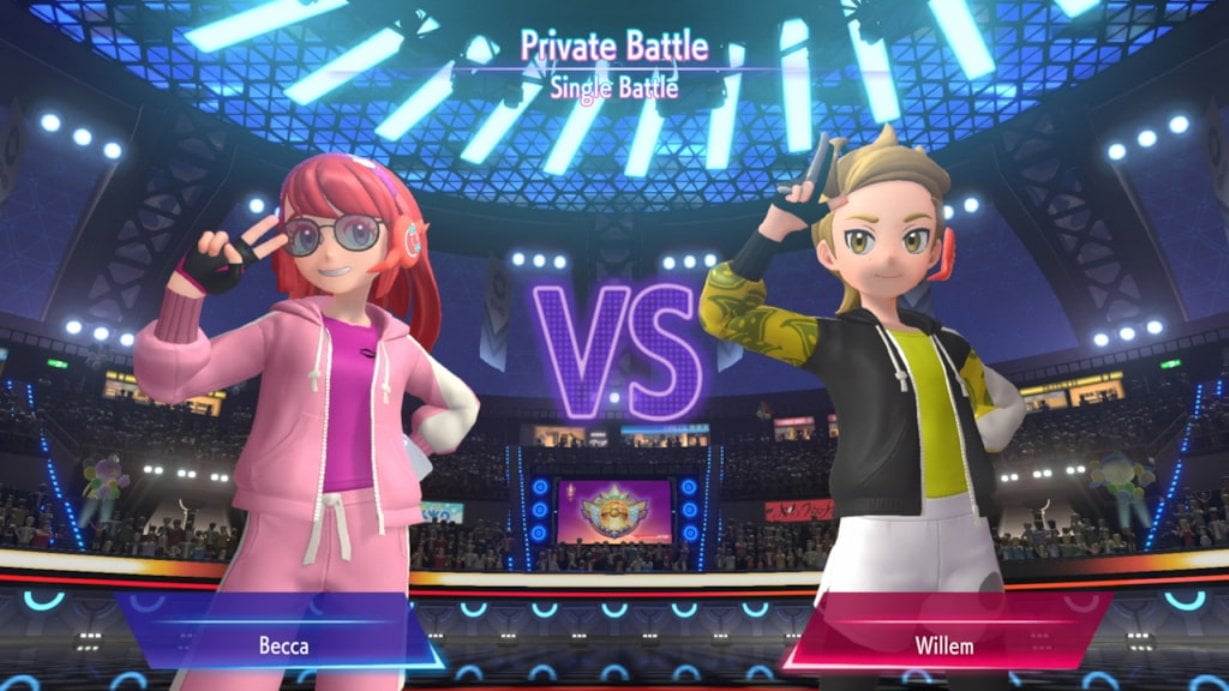
Summary:
The latest Pokemon Champions update gives the battle-focused game a much broader roster, adding a sizeable group of regular Pokemon, a strong wave of Mega Evolutions, two newly revealed abilities, and several important balance changes. The June 2026 additions include returning names such as Blaziken, Sceptile, Swampert, Metagross, Grimmsnarl, Annihilape, Gholdengo, and more, while the Mega Evolution list brings in heavy hitters like Mega Blaziken, Mega Metagross, Mega Swampert, Mega Sceptile, Mega Mawile, Mega Staraptor, Mega Scolipede, Mega Scrafty, Mega Malamar, Mega Dragalge, Mega Falinks, Mega Barbaracle, Mega Pyroar, Mega Eelektross, Mega Raichu X, and Mega Raichu Y. That is not a small roster bump. It is the kind of update that makes team building feel like someone opened another drawer in the strategy toolbox.
Beyond the new creatures, the update also changes the way several familiar threats behave in battle. Eelevate gives its user immunity to Ground-type moves and entry hazards such as Spikes, Toxic Spikes, and Sticky Web, while also boosting the highest stat after a knockout. Fire Mane, meanwhile, boosts Fire-type move power by 50%, giving Mega Pyroar a clear offensive identity. There are also nerfs to Rage Fist and Make It Rain, along with learnset changes for Pokemon such as Metagross, Sceptile, Scolipede, Annihilape, Grimmsnarl, Scrafty, and Overqwil. Put together, this update makes Pokemon Champions feel more varied, more tactical, and much less predictable.
Pokemon Champions gets a major June roster shake-up
Pokemon Champions has received a meaningful June 2026 update, and the biggest talking point is easy to spot: the battle roster is now much larger. The update adds a wide range of Pokemon that can be used in battle, including standard additions and several Mega Evolutions. For players who enjoy experimenting with unusual teams, this matters because Pokemon Champions lives or dies by variety. When the same small group of strong choices appears again and again, battles can start to feel like watching the same match with different usernames. This update helps break that pattern by giving trainers more options, more matchups to learn, and more ways to build around personal playstyles.
The additions are not just cosmetic names on a list, either. Many of the new Pokemon bring clear tactical identities. Annihilape brings pressure through Rage Fist even after its nerf, Gholdengo still has a strong offensive role despite Make It Rain becoming less reliable, and classics like Blaziken, Sceptile, Swampert, and Metagross instantly bring years of competitive familiarity with them. Add in Mega forms, new abilities, and move adjustments, and this patch feels like a full refresh rather than a light tune-up. It is the sort of change that sends team builders back to the lab with a cup of coffee, a few questionable ideas, and maybe one team that looks ridiculous until it suddenly wins three matches in a row.
The June 2026 Pokemon additions bring familiar faces and fresh pressure
The June 2026 roster expansion includes a strong mix of older fan favorites, later-generation threats, and battle-ready picks with very different roles. The full list includes Annihilape, Barbaracle, Blaziken, Dragalge, Eelektross, Falinks, Gholdengo, Grimmsnarl, Houndstone, Malamar, Mawile, Metagross, Musharna, Overqwil, Pyroar, Qwilfish, Sceptile, Scolipede, Scrafty, Staraptor, Swampert, and Vileplume. That spread gives players access to physical attackers, special attackers, support options, bulky pivots, setup threats, and a few awkward oddballs that always seem harmless until they ruin your evening.
What makes the list interesting is how differently these Pokemon can fit into a team. Blaziken can apply direct offensive pressure, Swampert offers sturdy utility and reliable typing, Metagross brings strong stats and Steel-type presence, while Grimmsnarl can still influence battles even after losing some tools. Scolipede, Scrafty, Dragalge, and Malamar give the update a more flexible middle layer, where players can create niche strategies rather than simply stacking the biggest names. This is healthy for Pokemon Champions because a battle game needs more than famous faces. It needs role compression, counterplay, surprise picks, and enough variety that preview screens feel like puzzles instead of spoilers.
The new regular Pokemon give team builders more room to experiment
The regular Pokemon additions are just as important as the Mega Evolutions because they create the foundation that the rest of the format sits on. A Mega Pokemon may grab the spotlight, but it usually needs partners that can cover weaknesses, set up favorable turns, absorb pressure, or punish opponents for predictable choices. That is where additions like Vileplume, Qwilfish, Musharna, Scrafty, and Overqwil become valuable. They may not all look flashy on paper, but useful support picks often decide matches quietly, like stagehands making sure the big performance does not collapse behind the curtain.
Annihilape and Gholdengo are especially notable because both arrive with strong reputations and immediate balance changes attached. Annihilape still has Rage Fist, but the move now resets its power when Annihilape is switched out, which stops it from carrying boosted pressure too freely across a match. Gholdengo still has Make It Rain, but the move is now less accurate and drops Special Attack harder than before. These changes suggest that the update is not simply about adding power. It is also about keeping that power on a leash, or at least trying to stop it from chewing through the sofa.
The Mega Evolution wave is the real headline for competitive battles
The Mega Evolution additions are the part of the update that will likely attract the most attention from competitive players. The new Mega list includes Mega Barbaracle, Mega Blaziken, Mega Dragalge, Mega Eelektross, Mega Falinks, Mega Malamar, Mega Mawile, Mega Metagross, Mega Pyroar, Mega Raichu X, Mega Raichu Y, Mega Sceptile, Mega Scolipede, Mega Scrafty, Mega Staraptor, and Mega Swampert. That is a serious set of options, especially because many of these forms either add strong abilities or sharpen existing roles in ways that could change how teams are built.
Mega Raichu X and Mega Raichu Y are especially visible because they arrived alongside the broader mobile launch push and give Raichu two separate identities. Mega Raichu X has been tied to Electric Surge, while Mega Raichu Y has been tied to No Guard. That split creates a fun design contrast. One version shapes the field through Electric Terrain, while the other leans into accuracy-based pressure. Elsewhere, Mega Malamar and Mega Staraptor getting Contrary opens the door for stat-reversal tricks, Mega Scrafty gaining Intimidate gives it immediate utility, and Mega Dragalge gaining Regenerator makes it more comfortable in longer games. Suddenly, the Mega slot feels less like a simple damage button and more like a strategic personality test.
New items help the expanded roster feel more complete
The update also adds a handful of items, which matters more than it may first appear. In a game centered around controlled competitive battles, items help define how a Pokemon performs turn by turn. A new Pokemon without the right item options can feel like a sports car with the wrong tires: technically impressive, but oddly frustrating when the road gets rough. While the provided roundup does not list every new item by name, the fact that more items are now available supports the larger roster and gives players more room to refine builds around the newly added creatures.
Items are often where small differences become match-winning details. A defensive item can turn a narrow knockout into a surviving counterattack. An offensive item can push a damage roll over the line. A utility item can help a slower team breathe against faster pressure. With Mega Evolutions and new abilities entering the game, these new item options could also help shape how quickly the new format settles. Players will test obvious pairings first, then the stranger combinations will follow. That is usually where things get entertaining. Someone, somewhere, is already preparing a team that looks wrong on paper and deeply annoying in practice.
Eelevate and Fire Mane introduce two sharp new ability ideas
The June update reveals two new abilities: Eelevate and Fire Mane. Both are easy to understand, but each has enough strategic flavor to matter in different ways. Eelevate lets the Pokemon float off the ground, making it immune to Ground-type moves as well as Spikes, Toxic Spikes, and Sticky Web. It also boosts the Pokemon’s highest stat by one stage when it knocks out a target with an attack. Fire Mane is simpler but still powerful, boosting the power of the Pokemon’s Fire-type moves by 50%. One ability is layered and tactical, while the other is direct and fiery. Subtle? Not exactly. Effective? Very likely.
What makes these abilities stand out is that they do not just add raw numbers. Eelevate changes positioning, matchup safety, and late-game snowball potential. Fire Mane gives its user a clear attacking lane and asks opponents to respect Fire-type damage immediately. Both abilities also help their Mega Evolutions feel distinct rather than simply bigger versions of existing Pokemon. That distinction is important in Pokemon Champions because new Mega forms need to justify their place in a limited team structure. A Mega should feel like a commitment, not just a shiny hat with better stats.
Eelevate gives Mega Eelektross a clever mix of safety and snowball power
Eelevate is one of the more interesting additions because it combines defensive protection with offensive momentum. Ground immunity is already valuable, especially for a Pokemon that may otherwise fear Ground-type attacks. Immunity to Spikes, Toxic Spikes, and Sticky Web makes switching and positioning more comfortable, which is huge in formats where chip damage and speed control can slowly squeeze a team. Then there is the knockout reward: when the Pokemon takes down a target with an attack, its highest stat rises by one stage. That can turn a single successful play into a much bigger problem for the opponent.
The ability has a snowball feel, but it is not mindless. The user still needs to actually secure knockouts, and opponents will likely plan around preventing that first boost. This creates a neat tension. Do you target Mega Eelektross early before it gains momentum? Do you preserve a check for later? Do you try to force it into awkward trades? Eelevate makes those questions matter. It gives Mega Eelektross a clear identity as a Pokemon that wants to stay safe from ground-based pressure, avoid hazard punishment, and become more threatening once it starts claiming targets. That is a strong recipe for tense endgames.
Fire Mane turns Mega Pyroar into a cleaner Fire-type attacker
Fire Mane is much more direct, but that does not make it boring. A 50% boost to Fire-type moves gives Mega Pyroar a clear job: hit hard with Fire-type attacks and force opponents to respect the damage. Sometimes a simple ability is exactly what a Pokemon needs. Not every new tool has to be a five-step chess puzzle with a weather condition, a terrain effect, and a tiny footnote that only three people read correctly. Fire Mane says what it does, does it loudly, and gives Mega Pyroar a strong offensive lane.
The key question is how easy it will be for Mega Pyroar to keep pressure on the field. A Fire-type damage boost can be scary, but opponents will try to answer it with resistances, bulk, speed control, or smart switching. That means Mega Pyroar may work best on teams that can remove or soften its checks before it comes in. It could also reward aggressive play, especially when a player identifies the turn where the opponent cannot safely absorb a boosted Fire-type move. Fire Mane may not be complicated, but it makes every Fire attack feel like it has a little extra roar behind it.
Move nerfs make Annihilape and Gholdengo easier to manage
Two major move adjustments stand out in the June update: Rage Fist has been nerfed, and Make It Rain has also been toned down. Rage Fist now resets its power when Annihilape is switched out. That is a meaningful change because the move previously became more threatening the longer Annihilape absorbed hits. By resetting on switch, the update makes it harder for Annihilape to build pressure, leave the field, and return later like nothing happened. It now has to commit more honestly to staying in and making use of its boosted power while the opportunity is still there.
Make It Rain has also been nerfed in two ways. Its accuracy has dropped from 100% to 95%, and it now lowers the user’s Special Attack by two stages instead of one. That is a big deal for Gholdengo because Make It Rain is one of its defining attacks. The move is still strong, but it now carries more risk and a steeper penalty. Missing at a critical moment can swing a match, and a harsher Special Attack drop makes repeated use less comfortable. In other words, Gholdengo can still cash in, but it may no longer print value quite as freely.
Rage Fist and Make It Rain now ask players to think twice
The best balance changes are often the ones that do not erase a Pokemon, but instead make its strongest options require better timing. That seems to be the case here. Rage Fist still gives Annihilape a scary identity, but the switch-out reset means players must think carefully about when to preserve it and when to push. Make It Rain still gives Gholdengo strong spread or special pressure depending on the battle setup, but the lowered accuracy and harsher stat drop make it harder to spam without consequence. A move that once felt like a reliable hammer now behaves more like a powerful tool with a warning label.
These changes should make both Pokemon less automatic in battle planning. Opponents gain more breathing room, while users need to make sharper decisions. That is good for Pokemon Champions because strong threats should feel rewarding to use, not inevitable. When a match becomes too predictable, the fun drains away faster than a knocked-out Magikarp. By trimming the safest edges off Rage Fist and Make It Rain, the update keeps these Pokemon relevant while giving the rest of the roster more space to fight back.
Learnset changes trim some tools while opening new doors elsewhere
The June update also changes several learnsets, and these smaller details could end up having a big effect on team building. Metagross no longer learns Heavy Slam, Sceptile now learns Earth Power, and Scolipede now learns Leech Life and Trailblazer. Meanwhile, Annihilape loses Final Gambit, Grimmsnarl loses False Surrender and Thunder Wave, Scrafty loses Parting Shot, and Overqwil loses Mortal Spin. These changes do not all point in the same direction. Some Pokemon gain coverage or utility, while others lose disruptive tools that helped them control the pace of battle.
Sceptile gaining Earth Power is especially interesting because it gives the Pokemon a way to hit certain targets that might otherwise feel safer against it. Scolipede gaining Leech Life can improve its staying power, while Trailblazer gives it another way to interact with speed and pressure. On the other side, Grimmsnarl losing Thunder Wave matters because speed control is one of those tools that can define entire matchups. Scrafty losing Parting Shot also reduces its ability to pivot while lowering opposing offenses. These changes are not just trivia. They reshape how each Pokemon fits into a team.
Some Pokemon gain useful coverage while others lose disruptive options
The most interesting part of the learnset update is the push and pull between added coverage and removed disruption. Sceptile and Scolipede gain tools that may make them more flexible, while Grimmsnarl, Scrafty, Annihilape, and Overqwil lose moves that helped them perform specific jobs. That kind of adjustment can make the format feel cleaner because it prevents certain Pokemon from doing too much at once. A Pokemon with strong stats, great typing, powerful moves, and perfect utility can quickly become the battle equivalent of someone bringing a full toolbox to a pillow fight.
Removing moves such as Thunder Wave, Parting Shot, Final Gambit, and Mortal Spin forces players to reconsider familiar roles. Grimmsnarl may still find ways to support its team, but it has less control through paralysis. Scrafty still has Intimidate as Mega Scrafty, but losing Parting Shot changes its pivoting value. Overqwil losing Mortal Spin reduces its ability to remove hazards or pressure Poison-based utility in the same way. These changes might frustrate players attached to specific strategies, but they also make room for new ideas to rise. Competitive formats need that churn to stay alive.
What the June update means for the Pokemon Champions battle scene
The June 2026 update should make Pokemon Champions feel more dynamic almost immediately. More Pokemon means more possible cores, more answers, more threats, and more surprises. The arrival of so many Mega Evolutions also creates a fresh layer of decision-making because players need to choose which Mega form deserves the spotlight on a team. Do you go for raw offense with something like Mega Blaziken? Do you lean into durability and pressure with Mega Swampert or Mega Metagross? Do you experiment with Contrary Mega Malamar or Contrary Mega Staraptor and hope your opponent has not prepared for stat tricks? That is where the fun begins.
The balance changes also suggest a format that is trying to avoid runaway dominance from a few obvious picks. Annihilape and Gholdengo remain important, but their strongest tools now carry sharper limits. New abilities create fresh threats, while learnset changes adjust how existing names function. The result is a broader battlefield where players have more reasons to test, fail, rebuild, and test again. That cycle is the heartbeat of a good competitive game. You build a team, think it is brilliant, lose to something weird, mutter at the screen, and then somehow enjoy the process enough to queue again.
Conclusion
The Pokemon Champions June 2026 update is a strong roster refresh that adds much more than a few extra names. With a large group of new Pokemon, a major wave of Mega Evolutions, new abilities like Eelevate and Fire Mane, nerfs to Rage Fist and Make It Rain, and several learnset adjustments, the game now offers a wider and more flexible battle environment. The update gives aggressive players new attackers, tactical players new support routes, and experimental players plenty of strange ingredients to mix together. Not every new option will become a top-tier threat, and that is perfectly fine. The real value is variety. Pokemon Champions now has more room for surprise, adaptation, and clever team building, which is exactly what a battle-focused Pokemon game needs to keep players curious.
FAQs
- Which Pokemon were added in the Pokemon Champions June 2026 update?
- The update adds Pokemon such as Annihilape, Blaziken, Gholdengo, Grimmsnarl, Metagross, Sceptile, Swampert, Vileplume, Scolipede, Scrafty, Overqwil, Dragalge, Malamar, Falinks, Eelektross, Pyroar, Barbaracle, and more. It also adds several Mega Evolutions, including Mega Raichu X, Mega Raichu Y, Mega Blaziken, Mega Metagross, Mega Sceptile, Mega Swampert, Mega Mawile, Mega Staraptor, Mega Scolipede, Mega Scrafty, Mega Malamar, Mega Dragalge, Mega Falinks, Mega Barbaracle, Mega Pyroar, and Mega Eelektross.
- What does Eelevate do in Pokemon Champions?
- Eelevate makes the Pokemon float off the ground, giving immunity to Ground-type moves and hazards such as Spikes, Toxic Spikes, and Sticky Web. When the Pokemon knocks out a target with an attack, its highest stat is boosted by one stage, making it a strong ability for momentum-based play.
- What does Fire Mane do in Pokemon Champions?
- Fire Mane boosts the power of the Pokemon’s Fire-type moves by 50%. This gives Mega Pyroar a clearer offensive role and makes its Fire-type attacks much harder for opponents to ignore.
- How was Rage Fist changed in the June update?
- Rage Fist was nerfed so that its power now resets when Annihilape is switched out. This means Annihilape can no longer build up Rage Fist power, leave the field, and return later with that boosted power preserved.
- How was Make It Rain changed in the June update?
- Make It Rain was nerfed by lowering its accuracy from 100% to 95%. It also now drops the user’s Special Attack by two stages instead of one, making repeated use riskier and less efficient.
Sources
- Pokemon Champions gets full list of new Pokemon, items, and more for June 2026 update, Nintendo Everything, June 17, 2026
- Pokémon Champions 1.1.0 Update Adds 39 New Pokémon, Vice, June 17, 2026
- Pokémon Champions Launches June 17 on iOS and Android Devices, The Pokémon Company International Press Site, June 3, 2026
- Pokemon Champions confirms mobile release date, Raichu distribution announced with Raichunite X and Raichunite Y Mega Stones, Nintendo Everything, June 3, 2026
- Pokémon Champions Launches On Mobile This Month, With A Special Distribution To Celebrate, Nintendo Life, June 3, 2026