





Summary:
Pragmata on Nintendo Switch 2 is the kind of release that instantly grabs attention because it tries to balance ambition with clear hardware limits. On the visual side, there is a lot to like. The game appears to benefit from DLSS upscaling, which helps it produce a cleaner and more cohesive image than some players may have expected from a portable-friendly version of such a demanding sci-fi action-adventure. That matters, because first impressions are often shaped by how a game looks the moment it hits the screen, and Pragmata has enough visual flair to make people stop and pay attention. It has style, atmosphere, and that glossy futuristic presentation Capcom usually knows how to deliver.
At the same time, image quality is only one part of the experience, and that is where the bigger conversation begins. Reports on the Nintendo Switch 2 version point to inconsistent performance, unstable frame delivery, and major drops in handheld mode. In simple terms, the game may look sharp in stills or brief clips, but actually playing it can feel rougher than many players would want. That is a problem for a game that depends on movement, responsiveness, and immersion. A beautiful sci-fi world can lose some of its magic when the action feels uneven.
The comparison with PlayStation 5 and Xbox Series X|S also adds weight to the discussion. Switch 2 appears capable of presenting a surprisingly strong image, yet the other versions still offer a smoother and more reliable way to play. That creates a familiar question for multi-platform releases. Is portability enough to make up for technical drawbacks? For some players, the answer will be yes. For others, especially those who value performance above all else, the answer will probably lean toward other hardware. Pragmata on Switch 2 is not a disaster. Far from it. But it does look like a version that sparks admiration with one hand and frustration with the other.
Pragmata on Switch 2 makes a strong first impression
There is something instantly appealing about seeing a technically ambitious game like Pragmata running on Nintendo Switch 2. It feels a bit like watching a magician pull off a trick you were not entirely sure was possible. The world still carries that sleek sci-fi identity, the art direction remains striking, and the overall presentation has enough polish to make the version feel serious rather than token. That matters more than people sometimes admit. When a major multi-platform release lands on Nintendo hardware, players want to know whether they are getting a real version or merely a watered-down afterthought. In this case, the answer seems to sit somewhere in the middle. Switch 2 does enough to make Pragmata look impressive on first contact, and that gives the release real appeal. It is not hard to understand why players would be curious. The atmosphere is there, the core identity remains intact, and the visual presentation shows that Capcom did not simply throw the game onto the system and hope for the best. Even so, first impressions can be a little deceptive. Like a glossy movie trailer that hides a messy third act, the opening visual punch does not tell the whole story once performance enters the conversation.
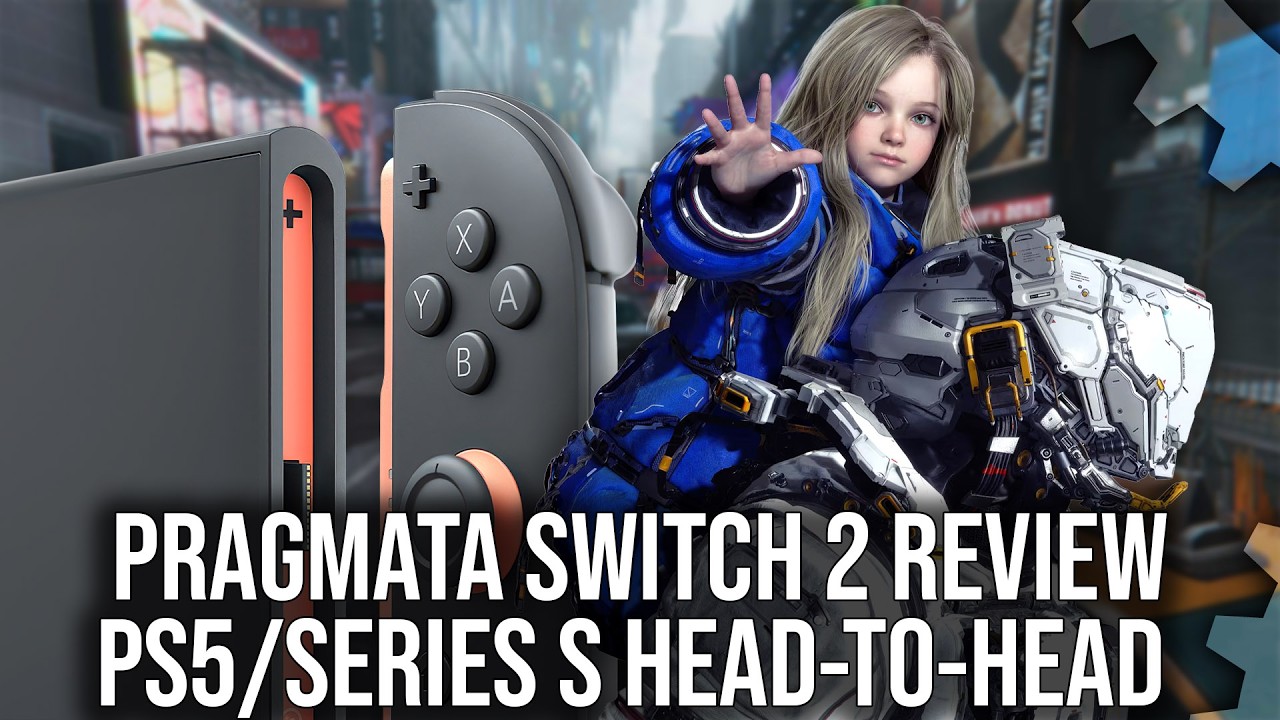
DLSS helps the game look better than many expected
One of the clearest positives for the Switch 2 version is image quality, especially when DLSS enters the picture. Upscaling can sometimes feel like marketing glitter, but here it seems to have made a noticeable difference. Rather than producing a smeared or messy result, the technology helps deliver a more coherent image than some rival lower-powered console scenarios. That is an important win because resolution figures alone rarely tell the full tale. A lower internal resolution can still look surprisingly good if reconstruction is handled well, and Pragmata appears to benefit from that exact scenario on Switch 2. In practice, that means edges look cleaner, the image hangs together more convincingly, and the overall presentation can punch above what raw numbers might suggest. It is the kind of improvement that makes players do a double take and think, “Wait, this is the Nintendo version?” That reaction has value. It gives the release credibility and makes the port feel more ambitious. The problem, of course, is that strong image reconstruction cannot fully cover up gameplay issues once the action starts to stutter.
Performance holds back what could have been a standout version
This is where the conversation changes tone. A game can earn goodwill with art direction, clever scaling, and a respectable visual profile, but unstable performance tends to cut through that goodwill fast. Reports on Pragmata for Switch 2 point to uneven frame delivery and a general lack of stability that affects how the game feels in motion. That distinction is crucial. A title can look fantastic in screenshots and still feel awkward once you start moving, aiming, reacting, and trying to stay immersed in its world. Performance is not some abstract spec-sheet obsession for a tiny corner of players. It is part of the basic texture of play. When a game does not update smoothly, you notice it in your hands, not just with your eyes. That can turn a visually impressive port into one that feels compromised the longer you spend with it. Pragmata seems to fall into that frustrating middle ground. It is not broken, and it is certainly playable, but it also does not sound like the kind of version you would confidently recommend without caveats. It is the gaming equivalent of a stylish car with a shaky gearbox. You admire it, then wince the moment you need it to behave consistently.
Why frame pacing matters just as much as frame rate
When people talk about performance, they often reduce the discussion to a single number, usually frame rate. But the real experience is more nuanced than that. Frame pacing, or how evenly those frames are delivered, can matter just as much as the total count. A game that technically lands around a target but does so inconsistently can feel rough, jittery, or unpleasant in a way that numbers on a chart do not fully explain. That appears to be one of the key issues surrounding Pragmata on Switch 2. The concern is not merely that the game misses an ideal target, but that the delivery lacks stability. That instability can make traversal feel uneven and combat lose some of its snap. It is like listening to a song where the drummer keeps slipping out of rhythm. The notes are all there, yet something feels off in your bones. For players, that translates into a constant sense that the game is fighting itself a little. A lock to 30fps or 40fps might have provided a cleaner, more dependable feel, even if the raw number looked less flashy on paper. Sometimes restraint creates the better experience, and this seems like one of those cases.
The comparison with PS5 and Xbox Series hardware tells the real story
Context changes everything. If Pragmata launched only on Switch 2, many players might judge it more generously because there would be no immediate side-by-side comparison hanging over it. But once PlayStation 5 and Xbox Series X|S versions enter the discussion, the gap becomes harder to ignore. The Switch 2 build may hold its own visually in some respects, especially with the help of DLSS, yet smoother performance elsewhere shifts the balance of power. That is the key tension at the center of this release. Nintendo’s machine appears able to produce an image that earns genuine respect, but it cannot consistently match the steadier gameplay feel of stronger hardware. The comparison with Xbox Series S is especially interesting because it shows that image quality and performance can pull in opposite directions. A cleaner reconstructed image on Switch 2 sounds great, but a more reliable 60fps result on Series S remains a major advantage in actual play. That is the sort of trade-off that forces buyers to decide what matters more to them. Do you want the convenience and novelty of the portable-capable version, or do you want the one that behaves more smoothly when things get intense? That is not a tiny footnote. It is the central buying question.
Docked play shows promise but cannot fully hide the compromises
Docked mode seems to be the version of the version, if that makes sense. It is where Switch 2 can put its best foot forward and show why this release sparked interest in the first place. On a television, DLSS-supported image quality helps the game hold onto much of its visual character, and there is enough here to suggest that Capcom found smart ways to adapt the experience. Yet promise is not the same thing as consistency. Docked play may look respectable, even impressive in moments, but it still carries the burden of unstable frame delivery. That keeps the version from truly settling into comfort. You can admire the effort and still come away thinking it needed one more layer of polish. The compromises also become more noticeable because the screen is larger, your expectations rise, and you are more likely to compare it mentally with what you have seen on other platforms. Docked mode is not where the version falls apart. Instead, it is where the game proves it could have been something genuinely special on Switch 2 if the performance side had landed more cleanly. That almost makes the shortcomings stand out even more. The potential is visible, which makes the misses harder to shrug off.
Handheld mode is where the cracks become harder to ignore
Portable play is usually one of Nintendo hardware’s greatest arguments. The ability to take a big release on the go often softens the blow of technical compromises. But with Pragmata, handheld mode appears to be the point where the balancing act becomes much tougher to defend. Reports indicate a steep drop in internal resolution, falling to around 360p, and while DLSS helps the image stay more intact than that number might suggest, there are limits to what reconstruction can do. At that point, the picture can start to look muddy, fine detail takes a hit, and aliasing becomes harder to miss. Then performance dips join the party like an uninvited guest who refuses to leave. If frame rates are often lingering in the 30s, the portable experience can move from acceptable to noticeably compromised depending on the scene. That is a significant concern because handheld mode should be one of the biggest selling points of the Switch 2 release. Instead, it sounds like the mode most likely to make players wish for more horsepower. Portability is still valuable, no question, but it becomes a harder sell when the trade-offs pile up on both visual clarity and responsiveness.
VRR should help, but the current result raises concerns
Variable refresh rate support is supposed to be one of those quiet technical features that smooths over performance bumps without demanding much attention from the player. When it works well, you barely think about it. You just feel a more stable and comfortable result. That is why the reported issues around VRR in Pragmata on Switch 2 stand out so much. If the game struggles to maintain stable output even within the system’s supported VRR window, then one of the machine’s most useful tools is not doing its job as expected. For players, that can create a frustrating double disappointment. Not only is performance uneven, but the feature designed to reduce the sting of that unevenness does not seem to be providing the relief people would hope for. It is a bit like bringing an umbrella only to discover it leaks. The existence of the feature sounds reassuring until reality steps in. Whether this is a game-specific problem, a technical bug, or something Capcom can still improve with updates, it becomes one of the most important details to watch in the near term. A proper fix here could materially improve how the game feels.
Who should buy Pragmata on Switch 2
This version still has an audience, and it would be unfair to pretend otherwise. If Switch 2 is your main platform, Pragmata remains a playable and visually interesting release that preserves the identity of the game better than some people may have expected. There is also a simple truth that should not be ignored – convenience matters. Being able to play a major Capcom release on Nintendo hardware, whether on the sofa, at a desk, or in handheld mode, will be more than enough for some players. Not everyone approaches a game with a performance graph in one hand and a magnifying glass in the other. Some just want access. Some want portability. Some care most about being part of the conversation on the system they already own. For those players, the Switch 2 version may still be worth considering. On the other hand, anyone who owns a PlayStation 5, Xbox Series X, or even hardware that delivers a smoother overall experience may want to think twice before choosing the Nintendo edition as their primary way to play. This feels like a version best suited for people who value platform preference and flexibility above technical polish. That is a real audience, but it is not everyone.
What Capcom could still improve with patches
The hopeful angle here is that not every technical concern has to remain permanent. Modern releases often evolve after launch, and some of Pragmata’s current issues sound like the sort of problems that might be improved through patches. A more stable frame cap would be an obvious place to start. Giving players the option to lock the experience to 30fps or 40fps could produce a smoother and more consistent feel than the current approach. VRR behavior also deserves urgent attention, because if that feature can be made to function correctly, it may help reduce some of the roughness players are noticing. Handheld optimization would be another key target. No patch can magically turn 360p into a miracle, but smarter settings, revised reconstruction, or more stable performance targets could still improve the portable experience meaningfully. The reason this matters is simple. Pragmata on Switch 2 does not sound beyond saving. It sounds like a version with a strong visual foundation that needs better technical tuning. That is a much more encouraging situation than a port that is fundamentally broken. The door is still open for Capcom to tighten things up and shift the conversation in a better direction.
The bigger takeaway for ambitious Switch 2 ports
Pragmata feels like more than a single game story. It also works as an early test case for how far ambitious third-party releases can stretch on Switch 2 before the cracks become too visible. In one sense, the port is encouraging because it shows that Nintendo’s newer hardware can present modern, visually rich experiences with a surprising amount of style. In another sense, it is a reminder that visual cleverness and machine learning tricks can only carry a release so far if frame delivery does not hold together. That balance will matter for many future ports. Players are willing to accept some compromises on Nintendo hardware, especially when portability is part of the deal, but they still want an experience that feels stable and confident. Pragmata suggests Switch 2 has real potential, yet it also shows that developers need to make smart choices about performance targets and feature support. Sometimes the best port is not the one that aims highest on paper. It is the one that knows exactly where to compromise so the game still feels good in your hands. That lesson may shape how upcoming multi-platform releases are judged on the system.
Conclusion
Pragmata on Nintendo Switch 2 is easy to admire and harder to fully recommend without conditions. The visual side of the port appears stronger than many might have predicted, with DLSS helping the game deliver a cleaner image than raw internal numbers would suggest. That gives the version real value and proves there is serious ambition behind the release. But ambition alone does not guarantee comfort, and the performance concerns seem too noticeable to brush aside. Uneven frame delivery, weak handheld resolution, and questions around VRR all combine to make this a version that feels caught between impressive effort and frustrating limitation. If Switch 2 is your main place to play, there is still something worthwhile here. If you have access to more powerful hardware, the smoother alternatives may be the wiser choice for now. Pragmata on Switch 2 is not a write-off. It is a reminder that a visually striking port still needs stable footing to truly shine.
FAQs
- Does Pragmata look good on Nintendo Switch 2?
- Yes, it appears to make a strong visual impression, especially because DLSS helps deliver a cleaner and more cohesive image than many players may expect from a portable-capable version.
- Is Pragmata on Switch 2 running better than on PS5 or Xbox Series consoles?
- No, the smoother overall experience appears to be on the other platforms. Switch 2 seems to hold up visually in some areas, but performance is the bigger weakness in comparison.
- How bad is handheld mode in Pragmata on Switch 2?
- Handheld mode appears to be the most compromised part of the release, with a much lower internal resolution and weaker performance that can make the image look muddy and the action feel less stable.
- Could patches improve the Switch 2 version?
- They could. A better frame-rate cap, improved VRR behavior, and further optimization for handheld mode would all be meaningful areas for Capcom to address.
- Is the Switch 2 version still worth buying?
- It can be, especially if Switch 2 is your main platform or portability matters more to you than technical polish. Players with access to other systems may prefer those versions for a smoother experience.
Sources
- Digital Foundry: Pragmata Switch 2 is ambitious port held back by performance, My Nintendo News, April 16, 2026
- PRAGMATA, CAPCOM, April 2026
- PRAGMATA for Nintendo Switch 2, Nintendo, April 17, 2026
- PRAGMATA | Nintendo Switch 2 games, Nintendo UK, April 17, 2026