














Summary:
Capcom’s Pragmata has quickly become one of the publisher’s most interesting recent success stories, with worldwide sales passing two million units in just 16 days after launch. That is a strong result for any release, but it feels even more meaningful because Pragmata is not another entry in Resident Evil, Monster Hunter, Street Fighter, or one of Capcom’s other long-running names. It is a fresh sci-fi action adventure built around Hugh Williams, Diana, a near-future lunar setting, and a gameplay mix that combines shooting, hacking, puzzle solving, and character-driven storytelling. Capcom says the game benefited from marketing efforts before launch, including an early playable demo that helped players understand what made it different. That matters, because new IPs often have to work much harder to earn attention in a crowded release calendar. Pragmata seems to have done exactly that. After passing one million units in its first two days, the game kept moving and reached another major sales mark less than three weeks later. For players, this milestone points to a wider truth: fresh ideas can still break through when they are clear, polished, emotional, and easy to recommend. For Capcom, Pragmata may now be more than a successful one-off. It could become the beginning of something much bigger.
Pragmata reaches a major sales milestone for Capcom
Pragmata has passed two million worldwide sales in just 16 days, giving Capcom a very bright headline for one of its boldest new releases in years. The figure matters because Pragmata arrived as a brand-new IP rather than another chapter in an already famous series. Players did not come in with decades of memories, familiar characters, or a ready-made fan base doing half the work before launch. Instead, Capcom had to convince people that this strange, stylish sci-fi adventure was worth their time on its own terms. That is no small task. New games often have to shout across a room already packed with sequels, remakes, live-service updates, and nostalgia-heavy releases. Pragmata managed to cut through that noise by giving players a clear identity: a near-future lunar journey, a human and android partnership, and a gameplay rhythm that mixes action with puzzle-like hacking. Two million sales in 16 days does not just suggest curiosity. It suggests that curiosity turned into trust.
Why two million sales in 16 days matters for a new IP
A new IP always carries a different kind of pressure. With a returning series, players usually know what they are getting. They recognize the logo, understand the tone, and already have a reason to care. Pragmata had to build that connection almost from scratch, which makes its early sales performance more impressive. Passing two million units so quickly tells us that Capcom’s name still carries real weight, but it also shows that players are willing to take a chance when a new idea looks confident enough. There is something refreshing about that. In a market where familiar names often dominate the conversation, Pragmata feels like someone opening a window in a room that was getting a little stuffy. It proves that new worlds can still pull people in when they have a strong hook, a memorable cast, and a gameplay promise that feels different without feeling confusing. That balance is tricky, but Pragmata seems to have found it.
How Capcom built awareness before launch
Capcom has said it worked to expand awareness for Pragmata before launch, and that groundwork appears to have paid off. For a new IP, awareness is not just about showing trailers and hoping players remember the name. It is about teaching people what the game is, why it exists, and why they should care before their backlog starts whispering excuses at them. Pragmata’s pre-launch messaging leaned into its sci-fi setting, its unusual action-puzzle structure, and the bond between Hugh and Diana. That combination gave players more than a genre label. It gave them a reason to be curious. A good marketing push can act like a lighthouse, cutting through fog and guiding players toward something they might otherwise miss. Capcom’s challenge was to make Pragmata feel both fresh and understandable, and the sales numbers suggest that the message landed. The result is a launch that feels earned rather than accidental.
The playable demo helped players understand Pragmata early
The early playable demo sOriginal Sonic designer shows off his design for Sonic’s 35th anniversaryelongs in your wardrobe. For a new IP, that can be incredibly valuable. It reduces uncertainty, builds trust, and gives early players something specific to talk about. When people can say, “You need to try how this works,” that is much stronger than vague excitement. Pragmata benefited from letting its own systems speak before launch.
Hugh and Diana gave the sci-fi story a human heartbeat
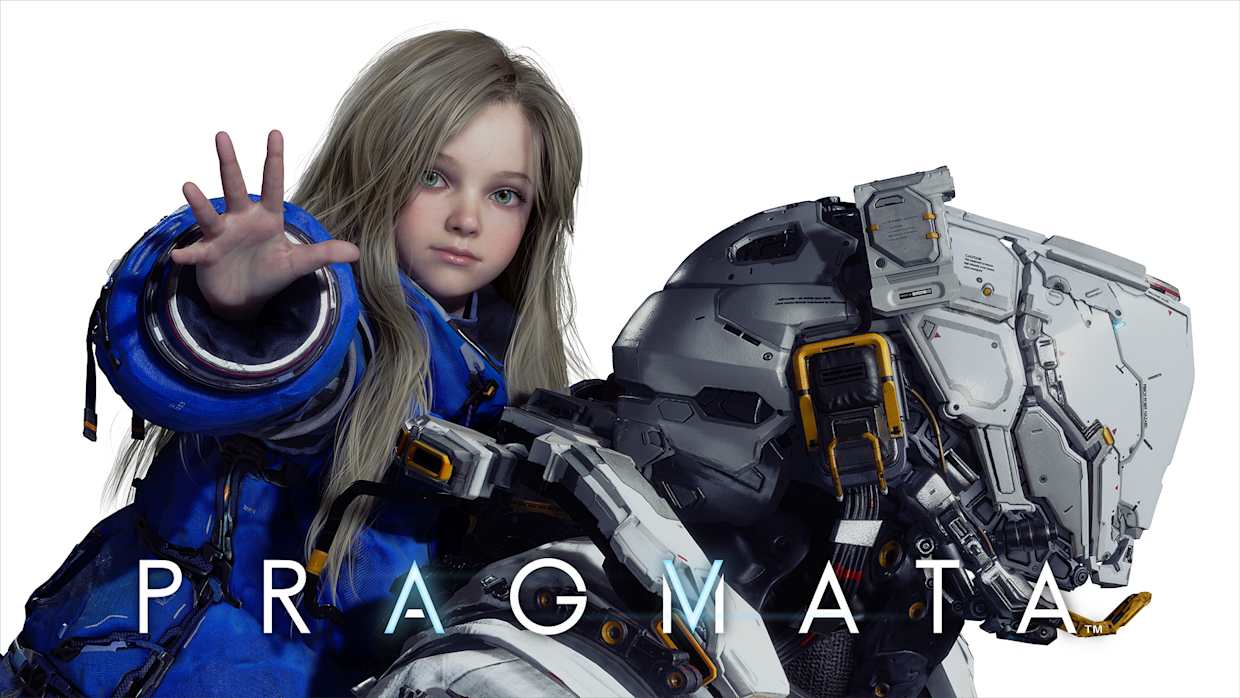
Pragmata’s sales success is not only about mechanics. The game also gives players an emotional center through Hugh Williams and Diana, an android girl whose relationship with Hugh has become one of the main reasons people are talking about the game. Sci-fi can easily become cold if it only focuses on technology, moon bases, sleek armor, and big ideas. Pragmata appears to understand that even the strangest future needs a beating heart. The bond between Hugh and Diana gives the journey warmth, vulnerability, and a sense of personal stakes. That matters because players often remember how a game made them feel long after they forget the exact layout of a mission or the name of a weapon upgrade. The setup also gives Pragmata a tone that stands apart from Capcom’s horror, fantasy, and fighting game pillars. It is futuristic, but not empty. It is stylish, but not soulless.
Pragmata’s blend of action and puzzle ideas helped it stand apart
One of Pragmata’s biggest advantages is that it does not appear to be chasing the safest possible shape. It is a sci-fi action adventure, but its identity comes from the way it blends shooting with hacking and puzzle-like decision-making. That gives the game a rhythm that feels more involved than simply moving from one combat arena to another. Players are not only reacting with fast aim or quick dodges. They are also reading systems, solving pressure-filled problems, and thinking through encounters in the middle of the action. That kind of design can make each fight feel like a small machine with moving parts rather than a simple target range. It also gives Pragmata a clearer voice in a crowded space. Plenty of games have guns, robots, and futuristic corridors. Fewer games make those ingredients feel like part of a strange little brain teaser wrapped inside a character-driven adventure. That difference helps explain why the game has been easy to notice.
Platform availability gave the game a wide launch window
Pragmata launched across major modern platforms, giving Capcom a broad audience from the start. The game released worldwide for PlayStation 5, Xbox Series X|S, Nintendo Switch 2, and PC, while the Nintendo Switch 2 version arrived later in Japan. That kind of platform spread is important for a new IP because every extra audience gives the game another chance to catch fire. A player on PC may discover it through Steam buzz. A console player may notice it through storefront visibility, reviews, or word of mouth from friends. A Nintendo Switch 2 owner may see it as another sign that Capcom is treating the platform seriously with major releases. The wider the net, the better the chance that a new name becomes familiar quickly. In Pragmata’s case, broad availability meant the conversation did not stay locked to one corner of the gaming world. It could spread across communities, platforms, and player habits.
Strong early momentum followed the one million sales milestone
Before reaching two million sales, Pragmata had already passed one million units within its first two days. That first milestone was important because it showed immediate interest. The second milestone is arguably even more interesting because it suggests the game kept selling after the initial rush. Early buyers may have helped pull more players in through impressions, recommendations, clips, streams, and general chatter. That is often where the real test begins. A launch can be loud because marketing is loud, but sustained momentum usually needs players to do some of the heavy lifting. Pragmata appears to have benefited from both. The first two days showed that Capcom created enough anticipation to bring people in quickly. The following two weeks showed that the game had enough appeal to keep the conversation moving. That is the difference between a bright spark and a flame that actually catches.
Capcom now has a possible new franchise on its hands
Capcom has not confirmed a Pragmata sequel, and it is better not to pretend otherwise. Still, the game’s early performance makes future possibilities feel much more realistic. A new IP that sells two million units in 16 days gives a publisher something valuable: proof that players are interested in the world, the characters, and the core idea. Capcom already has several major franchises, but even a company with a shelf full of trophies needs new names if it wants to keep growing. Pragmata could become one of those names. It has a distinctive setting, a recognizable central duo, and gameplay that can be refined or expanded in future releases. The ending, story direction, and exact future of the property remain open questions, but the foundation is clearly stronger now than it was before launch. For fans who enjoyed Hugh and Diana’s journey, that is enough to make the future feel exciting.
What Pragmata’s success says about player appetite for new ideas
Pragmata’s early sales performance says something encouraging about the current gaming landscape. Players may love familiar franchises, but that does not mean they only want familiar things. When a new idea is presented clearly and backed by strong execution, people still show up. That should matter to anyone who worries that big-budget gaming has become too cautious. Pragmata is not a tiny experiment hiding in the corner. It is a major Capcom release with a new world, new characters, and a fresh gameplay identity. Its success suggests that players are not allergic to risk. They just want that risk to feel purposeful. Nobody wants weirdness for the sake of weirdness, like adding pineapple to every meal just because dinner needs a twist. What players respond to is a strong creative idea that knows what it wants to be. Pragmata seems to have offered that, and the sales numbers reflect it.
Why this milestone feels especially important for Nintendo Switch 2 players
For Nintendo Switch 2 players, Pragmata’s performance carries an extra layer of interest. Capcom bringing a new sci-fi action adventure to the platform helps strengthen the system’s early third-party library, especially for players who want more than Nintendo’s own first-party releases. A strong third-party game can make a platform feel broader, healthier, and more exciting. Pragmata’s success also sends a useful signal: major publishers can find an audience on Switch 2 when the release feels ambitious and current. That does not mean every future Capcom game is guaranteed to arrive on the platform, but it does make Pragmata a positive example. Players who enjoy handheld or hybrid play are not being left outside the spaceship window, watching everyone else have fun on the moon. They are part of the conversation. For a new system, that kind of support matters because it helps shape confidence around what the platform can offer over time.
Where Pragmata could go from here
The most interesting question now is what Capcom does next. Pragmata has already proven that players are paying attention, but a strong launch is only the first step in building a lasting name. Capcom could support the game with updates, continue promoting it through player reactions, or eventually explore a follow-up that expands the world and mechanics. The company will likely look closely at sales patterns, player feedback, platform performance, and long-term interest before making any larger moves. That is normal. Even so, Pragmata now has something every new IP wants: momentum. It has become more than a curious sci-fi project that spent years in development. It is now a proven release with a growing audience. Whether the future brings a sequel, additional stories, or simply a stronger place in Capcom’s portfolio, Pragmata has earned attention. Not bad for a new game that had to introduce itself from zero.
Conclusion
Pragmata passing two million sales in 16 days is a major win for Capcom and a strong sign that players are still hungry for fresh worlds when they are built with confidence. The game’s success appears to come from several pieces working together: clear pre-launch awareness, an early playable demo, a distinct sci-fi setting, a memorable central bond between Hugh and Diana, and a gameplay style that mixes action with puzzle-driven hacking. It also helps that Pragmata launched across several major platforms, giving different player communities a chance to discover it quickly. For Capcom, the milestone turns Pragmata from a risky new idea into a serious new property with room to grow. For players, it is a welcome reminder that big publishers can still surprise us. Sometimes, a new name does not need decades of history to matter. Sometimes, it just needs a moon, a mystery, a good hook, and a little android charm.
FAQs
- How many copies has Pragmata sold?
- Capcom has confirmed that Pragmata has surpassed two million worldwide sales in 16 days after launch.
- When did Pragmata launch?
- Pragmata launched worldwide on April 17, 2026 for PlayStation 5, Xbox Series X|S, Nintendo Switch 2, and PC, with the Nintendo Switch 2 version arriving in Japan on April 24, 2026.
- Why is Pragmata’s sales milestone important?
- The milestone is important because Pragmata is a brand-new Capcom IP, meaning it reached this figure without relying on the built-in audience of an established series.
- What kind of game is Pragmata?
- Pragmata is a science-fiction action adventure built around Hugh Williams and Diana in a near-future lunar world, with gameplay that combines action, puzzle elements, and hacking.
- Has Capcom confirmed a Pragmata sequel?
- Capcom has not confirmed a Pragmata sequel. However, the game’s strong early sales make its future as a potential franchise much more interesting.
Sources
- Sales of All-New IP PRAGMATA Top Two Million Units in 16 Days!, Capcom, May 7, 2026
- PRAGMATA sales top two million in 16 days, Gematsu, May 7, 2026
- Pragmata Has Hit A New Sales Milestone In Just 16 Days, Nintendo Life, May 7, 2026
- Pragmata hits 2 million sales in 16 days, and after Capcom teased its potential future as a franchise, I’m even more hopeful for a sequel, GamesRadar+, May 7, 2026
- It’s not confirmation of a Pragmata sequel, but Capcom has teased that its latest venture could have a future among its pantheon of iconic franchises after a tough development, PC Gamer, May 2, 2026