



Summary:
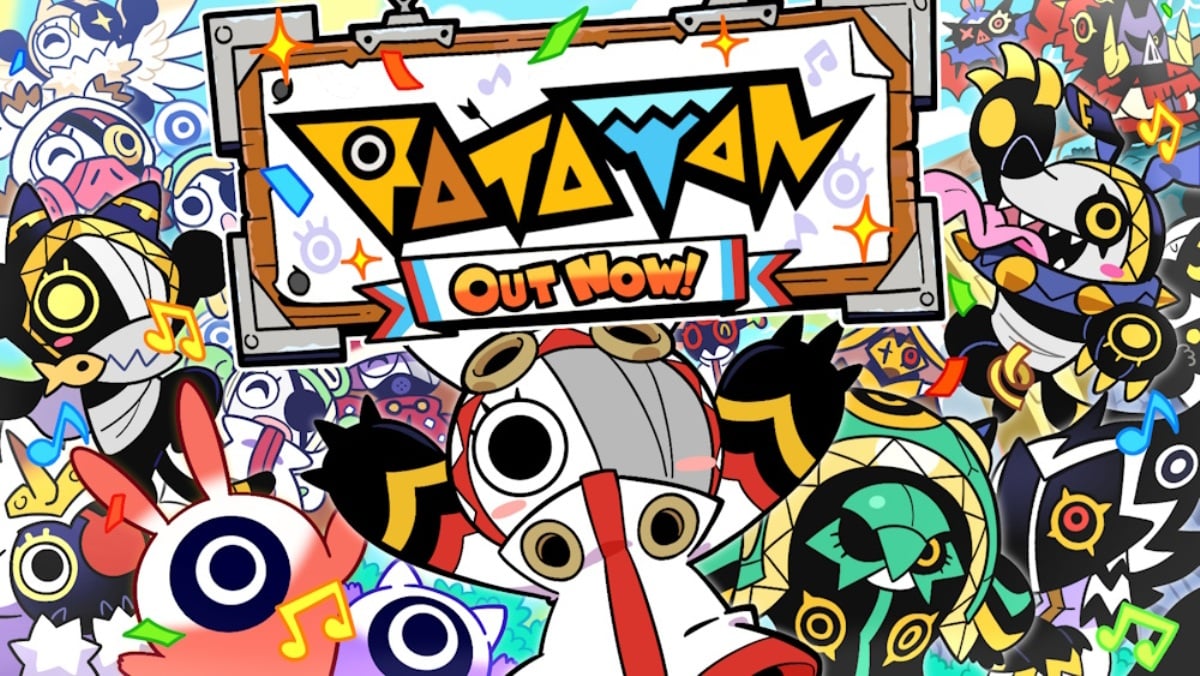
Ratatan has arrived in the spotlight with a new launch trailer that shows exactly why fans of rhythm-based strategy are buzzing. Developed by Ratata Arts with key staff who helped shape Patapon, the game mixes musical command sequences with side-scrolling action and roguelike unpredictability. What stands out is the marriage of catchy, beat-led mechanics and accessible cooperative multiplayer that lets up to four players take part in chaotic, over-the-top melees. If you like directing tiny armies with drum patterns or want a fresh, musical take on roguelike progression, Ratatan offers charm, personality and a soundtrack that drives the whole experience. NintendoReporters will be following updates closely, especially for the Nintendo Switch 2 edition and how the co-op systems evolve post-launch.
What Ratatan Is
Ratatan takes a familiar idea – rhythm commands telling small units what to do – and stretches it into a full-blown roguelike action experience that feels both nostalgic and new. Instead of just tapping to a beat, you’re leading an army of Cobuns and Ratatans across shifting battlefield layouts where every successful rhythm sequence becomes a tactical choice. Runs are built around randomised power-ups, unique character abilities and emergent chaos, so no two sessions feel identical. That combination of musical timing and strategic thinking gives Ratatan a distinct place among Switch 2 releases and indie lineups. For players who loved Patapon’s conductor-like role, Ratatan offers that same satisfying click of orders going right, but layered with modern multiplayer, updated 2D presentation and roguelike progression that rewards repeated attempts.
Welcome to Rataport – Story and Setting
The world of Ratatan centers on Rataport, an island described like a toy box come to life, where quirky animal-like Ratatan creatures pursue a hopeful dream called The Everafter. That simple, upbeat premise gives the game room for big set pieces and heartwarming moments without bogging down the rhythm-action loop. You’ll feel the story more through animations, musical cues and progression milestones than heavy-cutscene exposition, and that suits the game’s pace. The goal of meeting The Goddess in The Everafter offers an emotional throughline that keeps runs meaningful, especially when paired with the charm of the characters and the variety you get from switching up your Cobun formations and instruments mid-run.
Who’s Behind Ratatan: Kotani and Kemmei Adachi
The team includes veterans who worked on Patapon and LocoRoco, like designer Hiroyuki Kotani and composer Kemmei Adachi, and their influence shows. Kotani’s knack for simple inputs that create rich strategic outcomes is present throughout, while Adachi’s touch raises the stakes musically – the soundtrack is not just background, it’s the game’s command interface. Seeing those names attached gives Ratatan instant credibility with rhythm-game fans: you can expect memorable hooks, clever rhythmic sequences and a focus on tight musical feedback. Beyond the big names, Ratata Arts and TVT Co. brought in staff experienced with online systems and 2D performance, making the title feel like a thoughtful modern successor to classic rhythm strategy ideas.
Gameplay Basics – Rhythm Commands and Cobuns
Gameplay hinges on using rhythmic sequences to order your Cobuns and position Ratatans. Each button corresponds to a musical phrase, and chaining those phrases at the right tempo issues commands that translate to real battlefield movement and attacks. You’ll decide when to push forward, when to fall back, and which formations fit the moment. The Cobuns act like little marching troops whose behaviours change based on the orders they receive, so timing and placement are as important as which sequence you pick. Fever modes and special skills trigger when the rhythm is nailed, creating satisfying spikes of power that swing tight encounters into glorious chaos, especially during the big melees where over a hundred characters might be on screen.
Art Direction and 2D Animation Performance
Ratatan leans into 2D animation in a very deliberate way, using layered animation and personality-driven frames to give every Ratatan and Cobun a life of its own. The art direction favors bright palettes and playful silhouettes, so the action remains readable even when the battlefield gets crowded. Animators emphasize expression and movement so that even small actions – a drum hit, a stomp, a retreat – feel weighty and characterful. That attention to performance helps players quickly parse what’s happening during frenetic rhythm sections, and it keeps the game charming when you’re juggling commands against a soundtrack that won’t let up.
Soundtrack, Beats, and How Music Drives Actions
The music isn’t just an accompaniment in Ratatan – it’s the language players use to control fights. Composer Kemmei Adachi and the audio team designed tracks so that melodic and percussive cues line up with in-game commands, making music both intuitive and satisfying to follow. That means you’ll learn patterns not only by watching the screen, but by feeling where the beats sit under your thumb. The soundtrack also shifts dynamically during fever and special states, giving clear audio feedback when a combo’s building or a special move lands. If you enjoy games where sound and gameplay are braided together, Ratatan’s soundtrack rewards attention and makes routine orders feel rhythmic and joyful.
Online Co-op, Massive Melees and Multiplayer
One of Ratatan’s standout features is online co-op for up to four players, which transforms the rhythmic command loop into a co-operative performance where timing and team coordination matter. When you add friends, the battlefield becomes a shared stage: synchronising rhythm sequences with allies can unlock combos and amplify fever states, while missteps might leave the group scrambling. The game also throws large-scale melees at you, sometimes with over 100 characters onscreen, which is where the co-op layer shines. That emphasis on multiplayer means Ratatan feels like a party experience as much as a single-player challenge, and it’s what makes matches unpredictable and often hilariously chaotic.
Trailers, Platforms and Where to Watch
The launch trailer gives a clear look at gameplay, characters and the musical systems in action, and it’s worth watching if you want a quick sense of the game’s rhythm. Ratatan released on PC first via Steam and later on modern consoles, including a Nintendo Switch 2 edition; you can follow the official Steam page for release notes and patch history. If you missed the trailer, it’s linked in the official publisher pages and on various showcase channels. For readers using NintendoReporters wanting specific Switch 2 coverage, head over to our Nintendo Switch 2 hub for announcements, hands-on impressions and platform-focused details.
Conclusion
Ratatan offers a bright, musical take on roguelike action that’s especially appealing to anyone who loved Patapon’s conductor-style gameplay. With veteran creators onboard, a soundtrack that actively shapes play, and multiplayer that turns rhythm into cooperative chaos, it’s a title worth checking out. Between its lively 2D animation, accessible rhythmic inputs and the thrill of synchronised co-op fights, Ratatan feels designed to be played with friends and enjoyed for repeated runs. Keep an eye on updates and community reactions as the Switch 2 version grows, and expect the game to keep evolving post-launch with balance tweaks and fresh content.
FAQs
- What platforms is Ratatan available on?
- The game is available on PC via Steam and on modern consoles including Nintendo Switch 2, PlayStation and Xbox platforms according to publisher announcements.
- Who created Ratatan?
- Ratatan was developed by Ratata Arts with collaboration from TVT Co., featuring veterans like Hiroyuki Kotani and composer Kemmei Adachi, known for Patapon and LocoRoco.
- Does Ratatan support multiplayer?
- Yes, Ratatan supports online co-op for up to four players as well as local single-player runs.
- How does the rhythm system work?
- Players input rhythmic sequences tied to musical phrases; correct timing sends orders to Cobuns and triggers special modes like fever for stronger effects.
- Where can I watch the launch trailer?
- The trailer is available on the publisher’s channels and the Steam store page; links are provided in the Sources section below.
Sources
- Ratatan ‘Gameplay’ trailer, Gematsu, Feb 24, 2025
- ラタ・ラタ・ラッタッタ!「ラタタン」本日正式リリース! (Ratatan Version 1.0 Press Release), Game Source Entertainment / PR TIMES, Oct 15, 2026
- Ratatan on Steam, Steam Store Page, Oct 14, 2026