







Summary:
Rayman Legends Retold refreshes one of the most beloved platformers by rebuilding the audio from the ground up to match modern hardware and player expectations. Ubisoft has preserved the original soundtrack by Christophe Héral and Billy Martin while adding 43 minutes of new music that includes extra Dragon Ride tracks, brand-new compositions for an entire new realm, and orchestral recordings laid down by a 75-piece symphonic orchestra in Vienna. The remake also introduces a modern audio engine with positional audio, clearer mixing, and support for contemporary surround formats, plus newly recorded dialogue and expanded character performances featuring returning voices like David Gasman and Billy West. Together these changes aim to make musical levels, gameplay signals, and narrative moments clearer and more emotionally resonant for both newcomers and longtime fans.
Rayman Legends Retold audio overhaul and what it means for players
Rayman Legends Retold is not just a visual remaster – the team behind it decided to treat sound and music as a first-class element of the experience. That means the original audio, which relied on an older in-house engine, has been rebuilt around a modern framework that prioritizes clarity, positional cues, and separation between music, ambience, voices, and sound effects. For players this translates to more readable gameplay – you will more easily hear when an enemy appears off-screen or when music cues align with level hazards – and a richer atmosphere during exploration and boss fights. If you loved the original soundtrack, don’t worry: most of the original tracks are remastered and preserved, but there’s also plenty of fresh material designed to expand the world and support new story beats. The change is the kind of invisible upgrade that improves every minute you play – like swapping a dusty old stereo for a crisp modern system that makes your favorite songs sound new again.
What the rebuilt audio engine brings to the game
The new audio engine introduces a handful of technical improvements that have obvious gameplay benefits. Positional audio lets sounds sit accurately in 3D space, so you can tell where a falling hazard or roaming enemy is coming from. The mix now gives better separation between foreground and background elements, which improves readability during frantic musical sections and dense platforming. Material realism and clearer sound prioritization mean footsteps, environmental interactions, and object impacts each have distinct textures and levels that make the game feel tactile. The team also optimized the audio pipeline so voices, music and SFX can coexist without drowning each other out – a particularly welcome change during the new narrative beats and musical levels. Taken together, these updates make the soundscape more immersive and functional, and they help the player stay engaged and informed without sacrificing the playful charm that defines Rayman.
Details on the 43 minutes of new music and composers involved
One of the headline figures for this overhaul is the addition of 43 minutes of new music that did not exist in the 2013 release. Ubisoft retained the bulk of the original Rayman Legends soundtrack by Christophe Héral and Billy Martin but expanded it considerably. New tracks include extra Dragon Ride music, themes for an entirely new realm, and additional musical levels. Grant Kirkhope, known for his work on classic platformers, contributed new material for the newly introduced Land of the Livid Dead realm, offering a contrasting tone that still feels whimsical and true to Rayman’s spirit. These new compositions aim to complement the original pieces rather than replace them, so long-time fans will recognize familiar motifs while discovering fresh arrangements and orchestral flourishes that heighten emotion and scale.
Orchestral recordings in Vienna and the scale of new arrangements
To capture the cinematic breadth of the new score, parts of the soundtrack were recorded with a 75-piece symphonic orchestra in Vienna. That choice matters: a full orchestra brings dynamic range and timbral richness that synths and smaller ensembles can’t match, especially when music needs to move from playful, rhythmic platforming cues to darker, more atmospheric passages. Recording with a live orchestra also allowed the composers and audio team to sculpt larger musical gestures for the new realm and cinematic moments, giving boss encounters and key cutscenes an emotional weight that blends orchestral color with the franchise’s trademark stylings. If you enjoy listening closely, the orchestral layers add warmth and subtlety that reward repeat playthroughs and deepen the soundtrack’s replay value outside of the game itself.
How musical levels expand and what to expect from the Macarena reveal
Musical levels have always been a highlight for Rayman players, and Retold expands that offering with new stages alongside fan-favorites like “The Eye of the Tiger” and “Black Betty.” Ubisoft has already shown one new music-driven stage featuring a Macarena cover, and the team says more musical levels will be revealed ahead of release. These stages are built around rhythm-first design, where platforming and environmental interactions sync tightly with the beat and arrangement. Expect carefully designed level flow, tighter audio-driven feedback for movement and collection, and a mix that keeps the music distinct from gameplay SFX so you can follow the rhythm without audio clutter. Whether you’re bopping along to a familiar tune or tackling a brand-new composition, the musical levels are meant to feel like their own mini-performance pieces inside the larger adventure.
New narration, voice acting, and returning talent that enhance storytelling
Retold introduces a stronger narrative framework that ties progression through the worlds to storytelling beats. To support that, the team recorded new dialogue, expanded character performances, and brought back familiar voices. David Gasman returns as Rayman and Billy West returns as Murphy, and new performances were recorded for characters like Barbara. The goal isn’t to turn Rayman into something overly serious but to give characters more personality and context so players care about the stakes that unfold as they move from realm to realm. For players, this means more recognizable reactions, comedic timing, and short narrative moments that reward exploration without bogging down the platforming. The added voice work blends with the updated audio mix – voices occupy a clearer space so they complement rather than compete with music and effects.
Rayman Origins Enhanced Edition audio improvements included with Retold
Rayman Legends Retold includes Rayman Origins Enhanced Edition and that bundle receives audio upgrades of its own. Origins was modernized with the same updated audio engine, remastered assets, and support for 5.1 surround sound, plus a refreshed mix designed to improve clarity and listening comfort. Those upgrades mean Origins will benefit from the same improvements in sound prioritization and spatialization as Retold, making both games feel cohesive when played back-to-back. If you plan to revisit Origins, expect a clearer separation between music and SFX and updated mixing choices that respect the original composition while delivering a cleaner listen on contemporary setups. The inclusion of Origins Enhanced Edition is a nice value add, and it shows Ubisoft’s intent to treat the collection as a thoughtful package rather than a simple throw-in.
Release date, platforms, and what this means for Switch 2 players
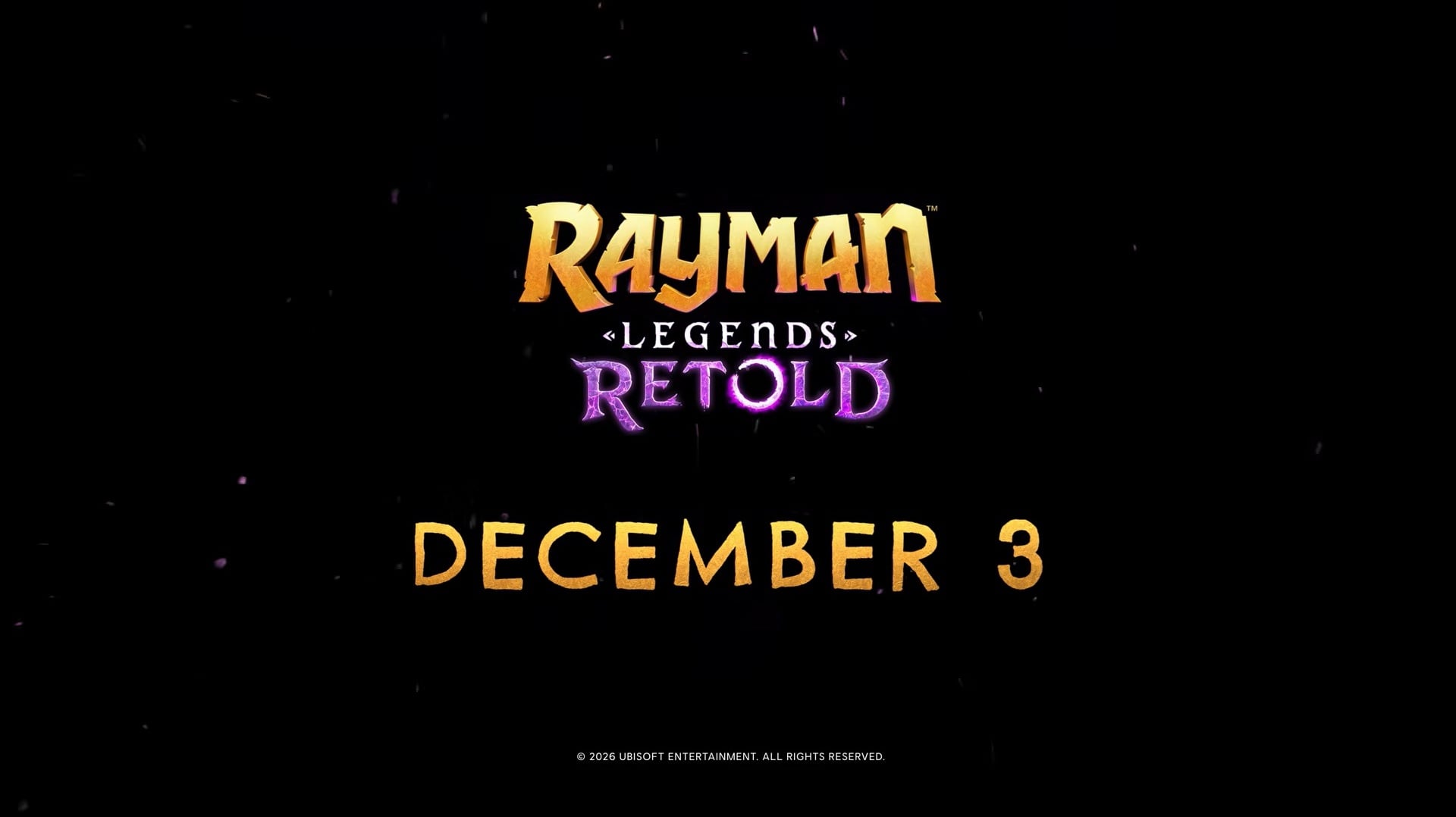
Ubisoft has confirmed the release schedule for Rayman Legends Retold and the game will arrive on multiple platforms, including the Nintendo Switch 2. The new release date is December 3, 2026, after a brief delay from the original October target. For Switch 2 owners this means the title will be optimized to make use of modern console audio playback and the improved mix – the Nintendo listing also indicates support for surround sound and HDR where applicable. If you’re following launch windows and platform-specific features, keep an eye on the Switch 2 product page for details about supported audio modes and version specifics. At Nintendo Switch 2 you can check what to expect from Switch 2 releases and make sure your setup will let the audio shine when you play.
Conclusion
Rayman Legends Retold’s audio upgrades are a major part of the remake’s appeal – they preserve the spirit of the original while giving the music and sound design room to breathe on modern systems. Between the rebuilt engine, new orchestral recordings, additional compositions and voice work, this version promises a more immersive and readable experience, especially in rhythm-driven stages. Whether you’re coming back for nostalgia or discovering Rayman for the first time, the sound overhaul looks set to make the world feel richer and more responsive.
FAQs
- How much new music does Rayman Legends Retold include?
- Rayman Legends Retold adds 43 minutes of new music alongside remastered tracks from the original soundtrack to expand musical levels and the new realm.
- Who contributed new compositions to the remake?
- Christophe Héral and Billy Martin’s original work is preserved and expanded, and Grant Kirkhope contributed new music for the Land of the Livid Dead realm.
- Were the new tracks recorded with real instruments?
- Yes – several orchestral portions were recorded with a 75-piece symphonic orchestra in Vienna to give the score greater depth and dynamic range.
- Does the game support surround sound and modern audio standards?
- Yes – the audio overhaul adds support for modern surround formats and a modernized audio engine that improves spatialization and mix clarity.
- When does Rayman Legends Retold launch and which platforms get it?
- The game is scheduled to release on December 3, 2026 for PlayStation 5, Xbox Series X|S, Windows, and Nintendo Switch 2, and the bundle includes Rayman Origins Enhanced Edition.
Sources
- Music & Audio Design, Ubisoft, November 3, 2026
- UBISOFT REVEALS RAYMAN LEGENDS RETOLD – PRESS RELEASE, Ubisoft, June 2, 2026
- Rayman Legends Retold delayed to December 3, Gematsu, September 14, 2026
- Rayman Legends Retold Adds 43 Minutes Of New Music, NintendoScoop, November 3, 2026