














Summary:
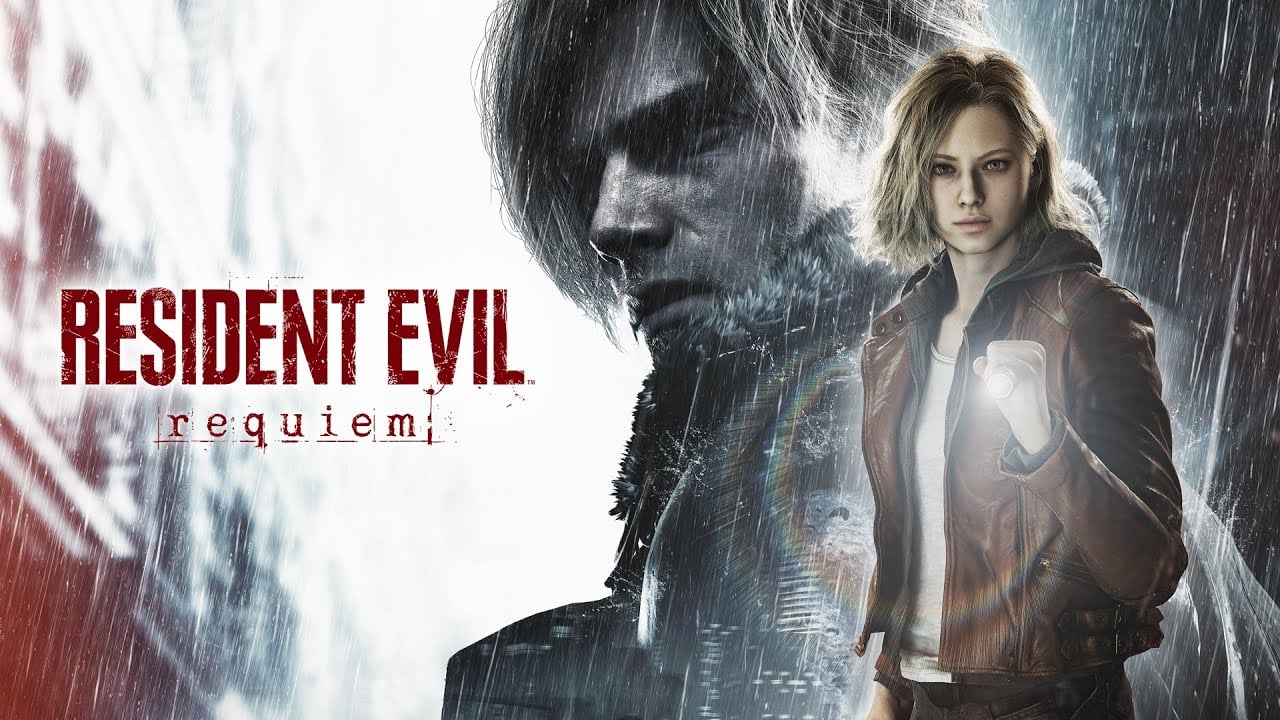
Resident Evil Requiem has become an interesting measuring stick for Nintendo Switch 2, not because its reported sales share on the platform was huge, but because it gives us a cleaner read than many other third-party launches. According to sales data discussed by Christopher Dring, roughly 5% of the game’s sales in select European markets came from Nintendo Switch 2. On paper, that may look modest. In practice, it says quite a lot. This was not an old port arriving late to a system where the audience had already moved on or bought the same release elsewhere. Resident Evil Requiem launched on Switch 2 at the same time as its versions on other platforms, which makes the comparison far more useful.
That is where the number starts to breathe a little. A 5% slice of a strong-selling release can still represent a meaningful business result, especially for a publisher like Capcom that has made multi-platform launches a key part of its strategy. It also helps separate emotion from reality. People often expect a brand-new Nintendo system to instantly become a runaway home for every major third-party release, but buying habits rarely work like that. Nintendo players often prioritize Nintendo software first, while mature franchises like Resident Evil still face competition from PlayStation, Xbox, and PC ecosystems that have long histories with this type of release.
Even so, the figure is not nothing. Far from it. It suggests there is real money to be made on Switch 2 when the right software arrives in the right window. It also hints that simultaneous launches are the kind of test worth watching closely. Resident Evil Requiem may not have dominated on Nintendo’s new system, but it did provide a more honest snapshot of where the platform stands right now, and that makes the result worth paying attention to.
Resident Evil Requiem and the sales figure drawing attention
Resident Evil Requiem has found itself in a very interesting spot in the wider Switch 2 conversation. The headline figure being discussed is that roughly 5% of the game’s sales in select European markets came from Nintendo Switch 2. That is the kind of number that can trigger two very different reactions. Some people will glance at it and shrug, because 5% sounds small when taken out of context. Others will see it as a sign that Nintendo’s new hardware still has work to do in attracting a bigger share of major third-party software sales. Both reactions are understandable, but neither tells the full story on its own. Numbers like this are rarely loud on their own. They need context, timing, and a bit of common sense. That is what makes this particular result worth sitting with for a moment instead of dismissing it in two seconds flat.
Why the 5% Switch 2 share matters more than it first appears
A 5% share may not look like fireworks, but it can still carry weight. Sales percentages are not judged only by how dramatic they sound in a headline. They matter because of the size of the release behind them. Resident Evil Requiem was described as a high-selling product, and that changes the tone of the discussion immediately. Five percent of a major commercial launch is not pocket lint found between sofa cushions. It can still represent a solid pile of revenue and a meaningful return for the publisher. That is especially true when the game reaches the platform without a long delay and without the baggage that often comes with a late port. In other words, this is not a number that screams domination, but it does speak the language publishers actually care about: whether a platform can deliver worthwhile results without needing a miracle.
Why a simultaneous launch makes this release more revealing
The timing of Resident Evil Requiem’s release is one of the most important parts of the story. Capcom launched the game on Nintendo Switch 2 at the same time as PlayStation 5, Xbox Series X|S, and PC. That matters because day-and-date launches strip away one of the most common excuses used when third-party sales on Nintendo systems look soft. When a title arrives months or years later, plenty of the most interested players have already bought it elsewhere. By contrast, Resident Evil Requiem gave Switch 2 owners a chance to choose the Nintendo version from the start. That makes the outcome far more telling. It is closer to a real market test. No smoke. No mirrors. No awkward waiting room full of delayed buyers. Just a straightforward question: when the choice is available immediately, how many players pick the Nintendo platform?
What select European market data can and cannot tell us
It is also important not to stretch the data further than it can go. The figure being discussed comes from select European markets, not a full global breakdown across every territory. That means it offers a useful snapshot, not a universal verdict carved into stone tablets. Europe is significant, of course, and it can reveal real commercial trends, but regional performance does not always mirror what happens in North America, Japan, or other markets. Even so, this slice of data is valuable because it shows actual buying behavior in a live market, not speculation dressed up in a fancy coat. The safe takeaway is not that Resident Evil Requiem failed or flourished everywhere on Switch 2. The safe takeaway is that, in the reported European sample, Nintendo’s new system accounted for a smaller but still meaningful part of sales.
Why profitability matters more than raw percentage alone
One of the easiest mistakes in sales talk is treating every percentage as if it tells the whole business story. It does not. A platform share can look small and still be profitable. That point sits right at the center of this Resident Evil Requiem discussion. Christopher Dring’s framing is useful because it does not pretend the figure is huge, but it also does not throw it away as meaningless. That balance matters. A publisher is not asking whether a version won the room by applause alone. It is asking whether development, publishing, and platform support turned into worthwhile returns. If the answer is yes, then even a modest slice of the overall pie can matter. Business is often less like a drum solo and more like plumbing. If the flow works and the pipes are healthy, the system does its job.
How Resident Evil fits the challenge of third-party games on Nintendo systems
Resident Evil is a major name, but it also belongs to a category that has historically faced a distinct challenge on Nintendo hardware. Nintendo systems tend to thrive on first-party releases, family-friendly staples, evergreen favorites, and exclusive experiences that become part of the platform’s identity. That does not mean darker or more mature franchises cannot perform there. It means they often compete against different habits than they do on rival platforms. Players who want survival horror on day one may already be deeply invested in PlayStation, Xbox, or PC ecosystems. Their libraries live there, their friend networks live there, and their buying reflexes live there too. So when a Resident Evil release still manages to secure a visible slice of sales on a new Nintendo platform, even if that slice is limited, it tells us the audience is there. It may just not be the dominant audience yet.
What this says about Capcom’s strategy on Switch 2
Capcom’s role in this story should not be overlooked. The company confirmed Resident Evil Requiem for Nintendo Switch 2 at launch, alongside other platforms, and that lines up with its broader multi-platform approach. That strategy becomes more interesting when paired with the sales figure now being discussed. Capcom did not treat Switch 2 as an afterthought on this release. It gave the platform a seat at the table from day one. That matters because publishers learn as much from these launches as players do. They watch attach rates, territory patterns, pricing resilience, and how platform audiences respond to different genres. Resident Evil Requiem may not have rewritten the scoreboard overnight, but it likely gave Capcom useful evidence that Switch 2 can participate in major releases in a financially relevant way. Sometimes the loudest result is not a massive win. Sometimes it is a clear reason to keep showing up.
Why Switch 2 owners may still be choosing Nintendo-led experiences first
There is also a very practical explanation for why a game like Resident Evil Requiem might land at 5% in the reported sample instead of climbing far higher. Early in a system’s life, many buyers prioritize software that feels tightly linked to the new machine’s identity. That is especially true for Nintendo hardware. Players often buy in for Nintendo-made releases first and then decide later how much third-party software they want on that same device. It is a bit like moving into a new house and spending your first money on a bed, a table, and a fridge before debating whether the reading lamp should come from one brand or another. The essentials get sorted first. In gaming terms, that often means first-party titles take the first wave of attention, while third-party habits grow more gradually over time.
What the Resident Evil Requiem result may mean going forward
This is where the discussion becomes more interesting than the raw figure alone. Resident Evil Requiem’s reported performance in select European markets does not prove that Switch 2 is already a powerhouse for every major third-party release. It also does not suggest publishers should ignore the system. The smarter reading sits in the middle. Switch 2 appears capable of delivering meaningful sales for a major cross-platform release, but it is still operating in an ecosystem where Nintendo software and long-established rival platforms shape buying behavior in a big way. For publishers, that means the platform may not be an automatic market leader for this type of game, but it can still be a strong additional revenue stream. That is not a glamorous answer, yet it is probably the most useful one. Real market signals are often a little less dramatic and a lot more actionable.
Final thoughts on a small percentage with real weight
Resident Evil Requiem’s 5% sales share on Nintendo Switch 2 in select European markets is the kind of result that resists lazy interpretation. It is too small to be framed as a sweeping triumph, but too meaningful to be brushed aside. Because the game launched on Switch 2 alongside other platforms, the figure carries more value than a late-arriving port ever could. Because the title was a strong seller, that 5% can still matter in practical financial terms. And because the number comes from a limited regional sample, it should be treated carefully rather than inflated into something broader than it is. Put all that together and the picture becomes clearer. Resident Evil Requiem did not turn Switch 2 into the default home for survival horror overnight. What it did do is show that even a modest share can still speak loudly when the release, timing, and platform context are all pointing in the same direction.
Conclusion
Resident Evil Requiem gives us one of the cleaner early reads on how a major third-party launch can perform on Nintendo Switch 2. The reported 5% share in select European markets is not a giant headline number, but it is not an empty one either. Because the game launched simultaneously with other platforms, the result says more than older ports ever could. It shows that Switch 2 can contribute real sales to a major release, even while PlayStation, Xbox, and PC remain stronger homes for a franchise like Resident Evil. That balance is the heart of the story. The number may look small at first glance, yet it still points to something publishers care about very much: a platform that can be worth supporting.
FAQs
- What was the reported sales share for Resident Evil Requiem on Nintendo Switch 2?
- In select European markets, roughly 5% of Resident Evil Requiem sales were reported to have come from Nintendo Switch 2.
- Why is this result considered more meaningful than some other third-party sales figures?
- Because Resident Evil Requiem launched on Switch 2 at the same time as other platforms, it provides a clearer comparison than a delayed port would.
- Does 5% mean Resident Evil Requiem performed badly on Switch 2?
- Not necessarily. A 5% slice of a strong-selling game can still represent meaningful revenue and a profitable outcome for the publisher.
- Does this figure represent worldwide sales?
- No. The reported number refers to select European markets, so it should be viewed as a regional snapshot rather than a global result.
- What does this suggest about third-party support on Switch 2?
- It suggests Switch 2 can still matter for major third-party launches, even if it is not yet the leading platform for every cross-platform release.
Sources
- What’s the truth about Nintendo Switch 2?, The Game Business, March 26, 2026
- Resident Evil Requiem, the Latest Title in the Series, Also Coming to Nintendo Switch 2 on February 27, 2026!, Capcom, September 16, 2025
- Resident Evil Requiem Sales Exceed 6 Million Units!, Capcom, March 16, 2026
- Resident Evil Requiem | Nintendo Switch 2 games, Nintendo UK, February 27, 2026