














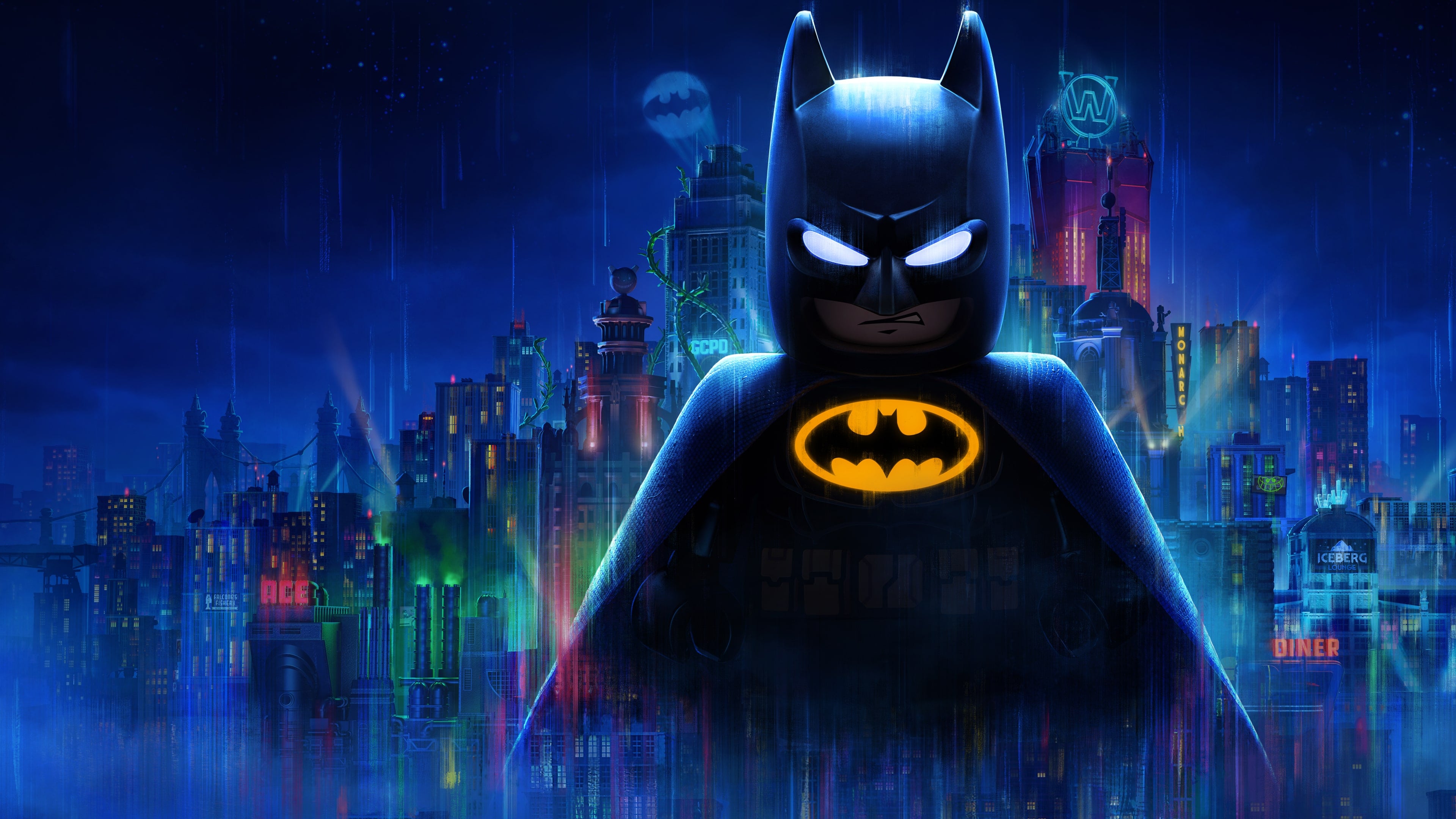
Summary:
LEGO Batman: Legacy of the Dark Knight has gained a fresh talking point after its credits revealed support from Rocksteady Studios, the developer closely associated with the Batman Arkham series. TT Games remains the main studio behind the new LEGO Batman adventure, but the appearance of around 24 Rocksteady developers in the credits has naturally raised eyebrows among fans who still connect Rocksteady with some of Batman’s most influential gaming moments. That doesn’t suddenly turn this into a full Arkham sequel wearing a plastic cape, but it does add an interesting layer to how the new game has been shaped.
The timing also matters. LEGO Batman: Legacy of the Dark Knight is now available on PlayStation 5, Xbox Series X|S, and PC, while the Nintendo Switch 2 version is scheduled to arrive later in 2026. That staggered release means Switch 2 players still have to wait before taking the Batmobile through Gotham, but the wider launch has already given fans more to discuss. With TT Games’ LEGO humor, Warner Bros. Games’ publishing support, DC’s huge character library, and Rocksteady’s credited contribution, Legacy of the Dark Knight sits at an unusual crossroads. It’s family-friendly, playful, and full of brick-built charm, yet it also carries the shadow of Batman’s darker gaming legacy. That mix is exactly why this news has stuck with players.
Rocksteady’s LEGO Batman credit gives the new Gotham adventure extra weight
LEGO Batman: Legacy of the Dark Knight has become more interesting now that Rocksteady Studios has been credited for its contribution to the project. The detail surfaced through the game’s credits, which list around 24 Rocksteady developers as contributors. For many players, that name immediately carries a certain weight. Rocksteady is not just another studio in the Batman gaming world. It is tied closely to the Arkham games, which helped define how modern superhero games could feel, move, and fight. So when Rocksteady appears in the credits of a LEGO Batman release, people notice. It’s a bit like spotting a familiar Bat-signal in the clouds. You don’t need anyone to shout about it. You already know it means something.
TT Games is still the core developer behind LEGO Batman: Legacy of the Dark Knight, and that distinction matters. This is not being presented as a Rocksteady-led project, nor should it be framed as one. However, having developers from Rocksteady involved does make the development story more layered. It suggests that TT Games had access to Batman game experience from a studio that understands the rhythm of Gotham, the feel of Batman’s movement, and the careful balance between power and vulnerability that makes the character work in games. Even in LEGO form, Batman needs to feel more than decorative. He needs to land with a thud, glide with purpose, and make players feel like they are wearing the cowl rather than just holding a controller.
Why Rocksteady’s involvement naturally caught Batman fans’ attention
Batman fans are sharp-eyed by nature. Give them one frame of footage, one credit line, or one suspiciously familiar combat animation, and they’ll start piecing together clues faster than the World’s Greatest Detective. That’s why Rocksteady’s presence in the credits created so much chatter. The studio’s history with Batman is impossible to separate from the wider gaming conversation around the character. Arkham Asylum, Arkham City, and Arkham Knight gave players a version of Batman that felt weighty, agile, and intimidating without losing the detective side of the hero. Even years later, many superhero games are still measured against that standard, fairly or not.
That context makes the Rocksteady credit feel meaningful, even if the scope of its work should not be exaggerated. The reported contributors include roles such as producer, designer, senior programmers, and artists, which points toward real development support rather than a token mention. Still, the heart of the game belongs to TT Games. The excitement comes from the combination. A LEGO Batman adventure already has humor, collectables, slapstick energy, and accessible co-op baked into its DNA. Add the knowledge that Rocksteady staff contributed somewhere along the line, and fans start wondering whether the combat, traversal, or atmosphere might carry a faint Arkham flavor. That curiosity is natural. Batman gaming history has trained players to look for those fingerprints.
TT Games remains at the heart of LEGO Batman: Legacy of the Dark Knight
It’s important to keep the spotlight where it belongs. LEGO Batman: Legacy of the Dark Knight is a TT Games project, and the studio’s identity is still the foundation beneath the whole thing. TT Games has spent years shaping the LEGO game formula into something recognizable: playful storytelling, character switching, visual gags, friendly chaos, and a tone that lets adults and younger players laugh at the same moment for slightly different reasons. That’s not easy to pull off. The best LEGO games work because they understand that parody can still be affectionate. They can poke Batman in the ribs while still treating the cape and cowl with respect.
Legacy of the Dark Knight appears to build on that familiar approach while aiming for a larger, more cinematic Batman experience. Warner Bros. Games describes it as a story-led, open-world action-adventure game, which already signals broader ambition than a simple level-by-level retelling. The idea of exploring Gotham, battling iconic villains, using gadgets, and experiencing Bruce Wayne’s journey through a LEGO lens gives TT Games plenty of room to blend sincerity with silliness. Batman can brood on a rooftop one minute and become the punchline of a brick-built gag the next. That tonal flexibility is exactly where TT Games tends to shine, and Rocksteady’s contribution does not replace that. It supports it from the shadows, which is very Batman, honestly.
How Arkham experience may support a modern LEGO Batman formula
The most tempting question is also the one that needs the most careful handling: what did Rocksteady’s team actually add? Without a full breakdown from Warner Bros. Games, TT Games, or Rocksteady, it is better not to overstate the specifics. Still, the types of roles credited make it reasonable to say that Rocksteady’s support could have helped with areas like design, technical execution, art, production, or broader development problem-solving. Those are not tiny pieces of a game. They are the nuts, bolts, grappling hooks, and emergency shark repellent that keep a large project moving in the right direction.
The Arkham connection also matters because LEGO Batman: Legacy of the Dark Knight seems to lean into action-adventure structure more than older LEGO releases did. A modern Batman game needs responsive combat, readable animations, satisfying traversal, and environments that feel worth exploring. If any Rocksteady knowledge helped TT Games refine those ingredients, fans will be eager to feel it in motion. Of course, LEGO Batman is not trying to be Arkham with rounder edges. It has its own rules. Enemies burst into bricks. Serious moments are often undercut by visual jokes. Characters can be heroic and ridiculous in the same scene. The trick is making those elements feel intentional rather than mismatched, like mixing dark chocolate with popping candy and somehow making it work.
The Nintendo Switch 2 version is arriving later than other platforms
While LEGO Batman: Legacy of the Dark Knight has launched on PlayStation 5, Xbox Series X|S, and PC, the Nintendo Switch 2 version is scheduled for later in 2026. That difference will sting a little for Nintendo players, especially because LEGO games have traditionally felt right at home on Nintendo hardware. The series’ pick-up-and-play structure, local co-op appeal, and family-friendly tone all make it a natural fit for a platform that often thrives on shared living-room sessions. Waiting longer is never fun, especially when everyone else is already speeding around Gotham in the Batmobile. Nobody likes being the Robin who gets told to stay in the cave.
Still, a later Switch 2 release does not automatically mean bad news. It can also suggest that the platform version needs extra tuning, optimization, or timing that differs from the other releases. The official support information states that the Nintendo Switch 2 version will arrive later in 2026 and is available to wishlist. That gives Nintendo players a clearer window, even if it does not provide an exact date yet. For now, the best reading is simple: the Switch 2 release is still part of the plan, but it is not launching at the same time as the other versions. That keeps expectations grounded while leaving room for Warner Bros. Games to share more when the timing is ready.
Warner Bros. Games positions LEGO Batman as a story-led open-world adventure
Warner Bros. Games has described LEGO Batman: Legacy of the Dark Knight as a story-led, open-world action-adventure game, and that phrase says a lot about the intended scale. This is not just a collection of Batman references stitched together with studs and slapstick. The pitch is broader. Players step into Bruce Wayne’s journey, build alliances, face Gotham’s major villains, and move through a city designed around Batman’s identity. That opens the door for a version of Gotham that feels playful without becoming weightless. A LEGO city can be colorful and chaotic, but it still needs personality. Gotham should feel like Gotham, even if half the street furniture can be smashed for studs.
That story-led approach also gives the game a useful emotional anchor. Batman is not just popular because he has cool gadgets, although let’s be honest, the gadgets help. He works because his world is built on fear, loss, discipline, loyalty, and the impossible task of trying to protect a city that keeps testing him. LEGO’s humor softens those edges, but it does not erase them. When handled well, that contrast can make the experience more memorable. A joke lands better when the world around it still has shape. A heroic moment feels warmer when it breaks through the plastic chaos. That balance is where Legacy of the Dark Knight has the chance to stand apart from older LEGO DC games.
Fan expectations are higher because Batman games carry heavy history
Every Batman game has to wrestle with the same problem: players already have a version of Batman in their heads. Some imagine the Arkham bruiser, some see the animated series detective, some hear the theatrical growl of the films, and some just want a fun LEGO adventure with Robin making terrible decisions in the background. Legacy of the Dark Knight has to speak to all of those fans without losing its own voice. That’s a tall order, but it’s also the reason the project is exciting. Batman is flexible. He can survive noir, camp, gothic drama, blockbuster spectacle, and toy-box comedy. Few characters can bend that far without snapping.
Rocksteady’s credited support raises those expectations even more because fans associate the studio with Batman games that felt confident and polished in their strongest moments. That does not mean players should expect a full Arkham-style experience. They shouldn’t. The LEGO format has different priorities, from accessibility to humor to family-friendly pacing. Yet expectations are expectations, and once a name like Rocksteady appears, people start listening for echoes. The smartest path for Legacy of the Dark Knight is not to imitate Arkham too closely. It is to borrow the confidence, movement, and dramatic flavor that make Batman satisfying, then filter those qualities through TT Games’ lighter, brick-filled personality. That way, the game can nod to the past without being trapped by it.
What this collaboration could mean for future LEGO DC projects
The Rocksteady and TT Games connection may also spark bigger questions about where LEGO DC games go next. Warner Bros. Games has access to a huge library of characters, locations, villains, teams, and alternate versions of familiar heroes. If Legacy of the Dark Knight performs well, it could encourage more collaboration between studios with different strengths. TT Games knows LEGO pacing and humor. Rocksteady knows cinematic superhero action. WB Games Montréal, also connected to Batman game history, has its own experience with Gotham. Put the right pieces together, and future DC projects could become more ambitious without losing the approachable charm that makes LEGO games work.
That said, the best outcome would not be every LEGO release chasing darker, heavier inspiration. LEGO works because it gives familiar worlds permission to loosen their tie, trip over a banana peel, and still save the day. The goal should be balance. A Superman LEGO game, a Justice League adventure, or another Batman-focused story could all benefit from technical support and superhero design experience, but only if the LEGO spirit stays intact. Players don’t come to these games just for accuracy. They come for surprise, comfort, jokes, collecting, and that oddly satisfying sound of bricks bursting everywhere after a well-timed punch. Future projects should remember that the plastic is part of the magic.
Conclusion
Rocksteady’s credited work on LEGO Batman: Legacy of the Dark Knight adds a fascinating twist to an already notable Batman release. TT Games remains the creative center of the project, but the involvement of around 24 Rocksteady developers gives fans a new reason to pay attention. It connects the playful LEGO formula with the legacy of Batman’s most influential modern games, creating a blend that feels both familiar and fresh. The delayed Nintendo Switch 2 version may test some patience, but the game’s arrival on other platforms has already opened the door to discussion, comparison, and plenty of Bat-shaped curiosity. If TT Games’ humor, Warner Bros. Games’ scale, DC’s history, and Rocksteady’s experience come together in the right way, Legacy of the Dark Knight could become a memorable brick-built tribute to Gotham’s most stubborn hero.
FAQs
- Did Rocksteady develop LEGO Batman: Legacy of the Dark Knight?
- TT Games is the main developer of LEGO Batman: Legacy of the Dark Knight. Rocksteady Studios is credited for development support, with around 24 developers reportedly contributing to the project.
- Why is Rocksteady’s involvement important?
- Rocksteady is closely linked to the Batman Arkham games, which shaped expectations for modern Batman gameplay. Its credited support naturally caught attention because fans connect the studio with strong superhero combat, traversal, and atmosphere.
- Is LEGO Batman: Legacy of the Dark Knight an Arkham game?
- No. It is a LEGO Batman game developed by TT Games and published by Warner Bros. Games. It may carry Batman action-adventure influence, but it remains a LEGO experience with humor, accessible play, and brick-built storytelling.
- When does LEGO Batman: Legacy of the Dark Knight release on Nintendo Switch 2?
- The Nintendo Switch 2 version is scheduled to launch later in 2026. Warner Bros. Games Support lists the Switch 2 version as available to wishlist, but no exact release date has been confirmed in the source information used here.
- What platforms is LEGO Batman: Legacy of the Dark Knight available on now?
- The game is available on PlayStation 5, Xbox Series X|S, and PC through Steam and the Epic Games Store, while the Nintendo Switch 2 version is planned for later in 2026.
Sources
- Arkham dev Rocksteady is credited as co-developer on new Lego Batman, Video Games Chronicle, May 19, 2026
- Warner Bros. Games, TT Games, DC, and The LEGO Group Launch LEGO Batman: Legacy of the Dark Knight, Warner Bros. Discovery, May 19, 2026
- LEGO Batman: Legacy of the Dark Knight FAQ, Warner Bros. Games Support, May 2026
- Lego Batman: Legacy of the Dark Knight’s release date changes, but it’s good news, Polygon, March 16, 2026
- LEGO Batman: Legacy of the Dark Knight, Warner Bros. Games, August 19, 2025