











Summary:
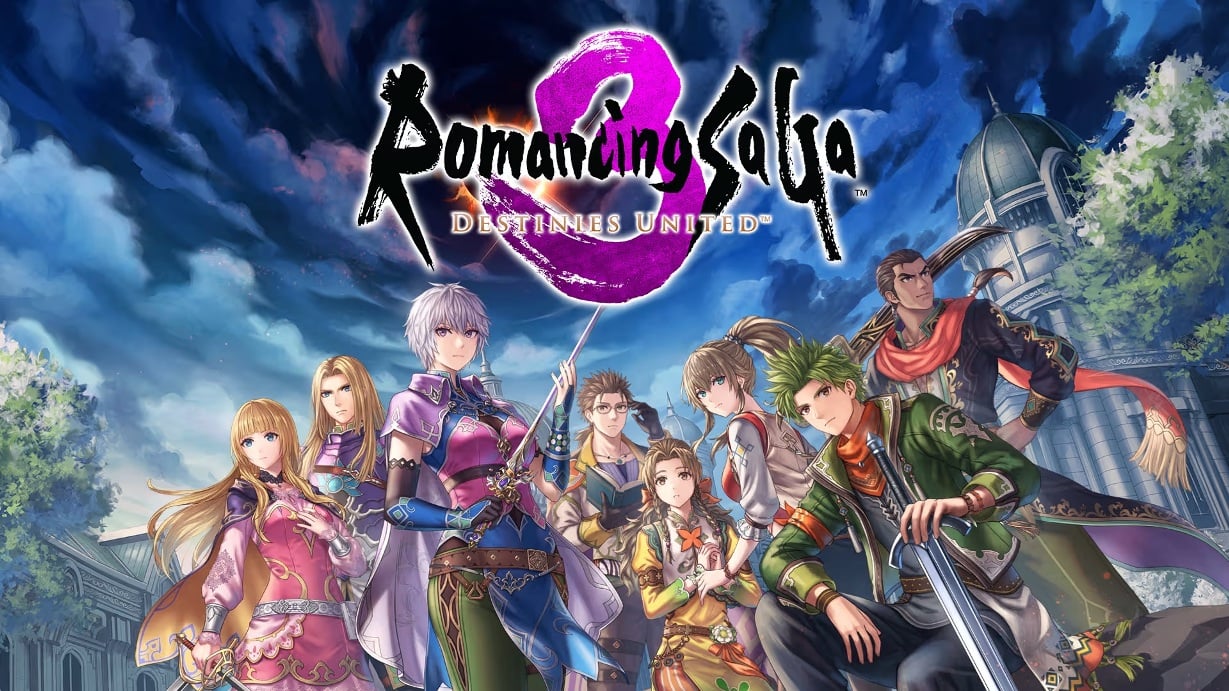
Recently Square Enix shared a wide set of details about Romancing SaGa 3: Destinies United, laying out the new traveling companions, systems, and battle mechanics players can expect when the remake arrives. The update highlights five recruitable allies – The Minstrel, Tatyana, Nora, Muse, and Charl – and clarifies how exploration, renown, forging, and equipment will tie into progression. It also explains how Mr. S returns with a sticker-based rewards loop, and how battles gain new depth through formations, ley lines, and an expanded mastering and abilities system. These mechanics encourage rotating your retinue, experimenting with gear and formations, and investing in the Pidona workshop to forge and reforge signature relics. If you follow NintendoReporters, this gives a practical look at how the remake balances classic SaGa freedom with modern conveniences and strategic options.
What Square Enix revealed about Romancing SaGa 3: Destinies United
Square Enix recently released official information that fills in many of the mechanics and cast pieces for Romancing SaGa 3: Destinies United, painting a clear picture of how the remake expands the original. The announcement covers character introductions with voice cast details, how the world map and exploration unlocks new objectives, and the workshop systems that let you forge and reforge equipment as you grow renown. It also confirms platforms and the release window, so fans who follow platform-specific news can plan ahead. For Nintendo fans, the remake will arrive on both Nintendo Switch and Nintendo Switch 2, which matters for performance and visual expectations; you can read more about Switch 2 hardware context here. Overall, the reveal balances honoring SaGa traditions with accessible modern touches that keep exploration and choice at the center.
New traveling companions and voice cast
Five new traveling companions were highlighted by Square Enix, each with distinct personalities, roles, and voice talent across Japanese and English languages. The Minstrel brings a light, pub-hopping charm and ties to Matriarch legends, while Tatyana moves through towns under many names and offers a whimsical mystery. Nora runs the Pidona smithing workshop and anchors the forging systems, and Muse carries an aristocratic past that affects story beats and party dynamics. Charl, formerly an Imperial Guard captain, provides bodyguard-style grit and sturdy combat potential. These companions are presented not as one-off NPCs but as recruitable allies you can add to your retinue, meaning their stories and abilities matter strategically. Voice casting adds personality, and seeing both Japanese and English performers listed suggests fully voiced event scenes that bring the world to life during key moments.
World map, renown, and exploration systems
The world map in Destinies United isn’t just a travel screen – it’s a hub for discovery and recruitment, where talking to townsfolk or setting sail can open new areas and objectives. Renown functions as a meta-progression metric tied to quests and objectives; raise it and you unlock perks like extra ability slots and expanded United Attacks, which encourages you to do more than just follow the main path. Recruitable allies show up as unknown figures on the map until you meet them, which rewards curiosity and exploration. This setup reinforces the SaGa tradition of non-linear play, with clear incentives for side activities, revisiting towns, and engaging with NPCs. If you enjoy uncovering small details that change how you approach the next dungeon or boss, these systems will reward you for paying attention to the world and its people.
Forging, reforging, and the Pidona workshop
Forging and reforging sit at the heart of equipment progression, and the Pidona workshop is the place where this growth happens. You spend aurums and materials to forge equipment that becomes claimable after a set number of battles, and once forged items are unlocked they can be bought regularly from the workshop’s store. The workshop itself evolves: locating smiths across the world and boosting renown expands available options and enables reforging of the Matriarch’s sacred relics using Destinite. Multiple pieces can be forged simultaneously, and the workshop’s story ties – like the theft of the Royal Partisan – create an incentive to restore the smiths and bring the forge back to life. This makes forging more than a gear menu feature; it’s part of the exploration and narrative loop, with the player actively rebuilding a community and gaining tangible mechanical rewards for doing so.
Equipment, signature gear, and retinue management
Equipment choices in Destinies United carry meaningful trade-offs: characters can equip up to two weapons at once, and increasing defensive gear raises Defense but also encumberment, which can slow Speed during battles. An Auto-Equip option helps newcomers, while veterans can optimize for niche builds, signature weapon synergies, or speed-focused glass cannon setups. Signature gear that was once exclusive to specific characters in the original can now be equipped by others, though some items still provide extra benefits when used by their original wielder. Retinue management is flexible – you can rearrange your party at pubs or save points, and removed members still gain a share of Technique Points while off-field. That encourages rotating characters to build multiple specialties rather than locking into a single four-person team, which fits SaGa’s emphasis on experimentation and long-term growth.
Mr. S, stickers, and reward boons
Mr. S returns as a recognizable series mascot, roaming towns and dungeons and giving players stickers whenever he is found. Collect five stickers and you receive boons like hastening workshop forges or revealing undiscovered chest counts on the map. This sticker loop adds a light scavenger-hunt rhythm to exploration, nudging you toward thoroughness without forcing extra grinding. Because stickers translate into practical bonuses, seeking out Mr. S feels rewarding for completionists and casual players alike. It’s a clever way to inject a familiar series character into the overall progression flow, turning what might be a simple easter egg into an integrated mechanic that supports forging, exploration, and resource management over the course of the journey.
Battles, formations, and ley line mechanics
Combat evolution is a major focus in the new details: classic SaGa systems return but new formations and the ley line mechanic shake up tactics in fresh ways. Formations like Triple Incisors balance melee and ranged roles across the front and back rows, while Rampaging Mammoth emphasizes speed and aggressive routing. Ley lines add an elemental battlefield affinity – when the field aligns to a magic school, casting matching spells strengthens their effects and may provide passive HP recovery for some characters. You can also shift ley lines by using opposing-school techs or spells, creating dynamic on-battle decisions about which schools to emphasize. Together, formations and ley lines encourage tactical flexibility, coordinated team composition, and close attention to how you deploy spells and techs each turn.
Character growth, technique points, and mastering
Character development continues to reward use-based progression: weapon types and spell schools gain levels through Technique Points earned in battle, which then influence physical and magical output. Using Lunar spells, for example, lets characters like Muse grow in Lunar Arts, and the Mr. S reward Better, Faster can allow characters to earn full TP per used discipline rather than splitting points. Techs, evasions, and spells can be mastered by frequent use, and once mastered they can be instantly taught to other characters, speeding up build transfers across the roster. This system supports rotating playstyles and makes every fight feel like progress toward specific weapon or spell mastery goals. The result is a game that rewards both focused grinding on a single discipline and varied usage across a larger pool of techniques.
Abilities, loadouts, and strategic choices
Each character has a unique ability unlocked through battles or story progression, and characters can equip up to four abilities at a time. Abilities span straightforward boosts like passive stat increases to things like HP recovery per turn, and they can be auto-equipped based on roles such as attack-focused setups. Learned abilities can be mastered through continued participation in fights and then equipped onto other characters, provided certain conditions are met, which encourages crafting hybrid builds and experimenting with talent synergies. The ability system, combined with mastering and TP distribution, turns each encounter into a strategic choice: do you focus on empowering a signature fighter, or spread learning around so more characters can fill multiple roles? Both approaches are valid, and the systems are designed to support them.
Conclusion
Romancing SaGa 3: Destinies United’s recent reveal gives fans a satisfying blend of familiar SaGa freedoms and modern quality-of-life adjustments. The traveling companions and voice cast add flavor and personality, while systems like forging, renown, and Mr. S stickers tie exploration and progression into a single loop that rewards curiosity. Battle updates – new formations, ley lines, and expanded mastering mechanics – emphasize tactical diversity and encourage rotating your retinue to unlock powerful synergies. For NintendoReporters readers who love both modern remakes and retro-inspired design, the remake promises to be a title that honors the original’s spirit while offering clearer progression paths and engaging new mechanics. If you’re keeping an eye on the February 16, 2027 launch, this is a good time to start planning party experiments and workshop priorities.
FAQs
- When does Romancing SaGa 3: Destinies United release?
- It is scheduled to launch on February 16, 2027 for Nintendo Switch, Nintendo Switch 2, PlayStation 5, Xbox Series X|S and PC.
- Which characters were detailed in the recent announcement?
- The Minstrel, Tatyana, Nora, Muse, and Charl were highlighted, each with roles in combat and story and voice cast listings.
- How does the Pidona workshop affect gameplay?
- Forging and reforging through the Pidona workshop unlock gear and upgrades; recruiting smiths and raising renown expands options and enables reforging sacred relics.
- What does finding Mr. S do?
- Finding Mr. S gives stickers; collecting five stickers grants boons like faster forges or revealing undiscovered chests on the map.
- Do removed retinue members still gain progress?
- Yes – characters not in the active retinue still receive a share of Technique Points, allowing them to grow even when off-field.
Sources
- ROMANCING SAGA 3 REMAKE, DRAGON QUEST MONSTERS: THE WITHERED WORLD DEMO AMONG MANY SQUARE ENIX ANNOUNCEMENTS IN LATEST NINTENDO DIRECT, Square Enix Press, September 9, 2026
- Romancing SaGa 3: Destinies United details traveling companions, systems, and battle mechanics, Gematsu, October 26, 2026
- Romancing SaGa 3: Destinies United details characters, systems, battles, Nintendo Everything, October 26, 2026