














Summary:
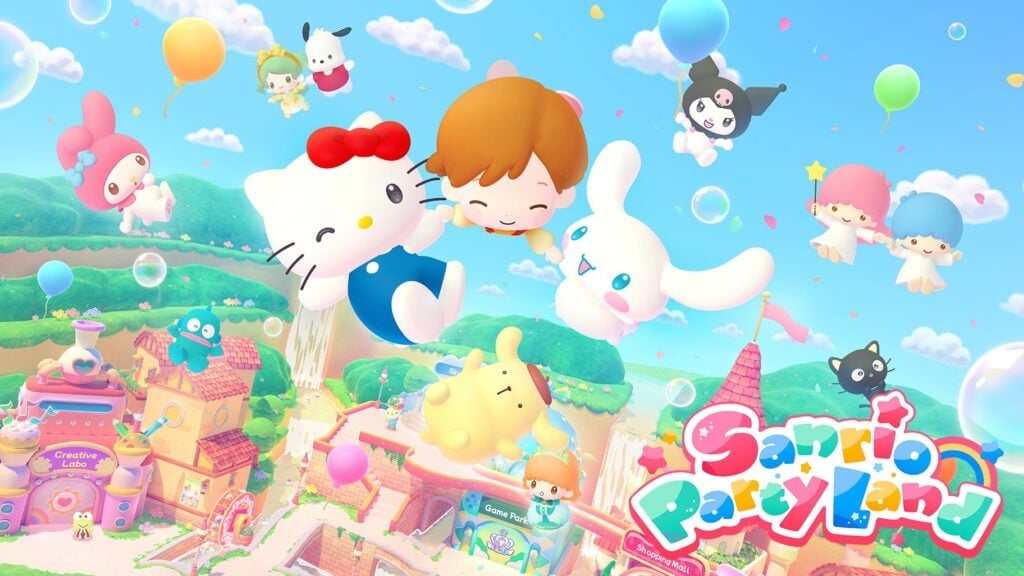
Sanrio Party Land is shaping up to be a bright, social, and very on-brand first step for Sanrio Games, the company’s new self-published game label. Planned for a simultaneous global release in fall 2026 on Nintendo Switch and Nintendo Switch 2, the game brings together Hello Kitty and other Sanrio characters in a party board game built around custom avatars, mini-games, and shared play. That alone makes it easy to understand the appeal. Sanrio has always been about warmth, friendship, cute design, and characters that feel like familiar companions, so a party game feels like a natural fit rather than a random detour into gaming.
The bigger story is what Sanrio Games represents. Sanrio has worked with licensed games before, but self-publishing gives the company more control over how its characters appear, how players interact with them, and how games can connect with wider Sanrio experiences. The company has also made it clear that gaming is part of its broader ambition to grow as a global IP platform provider. That means Sanrio Party Land is not just a cheerful multiplayer release with adorable faces. It is also the starting point for a wider plan that may include multiple genres, new character-driven ideas, and links to services like Sanrio+, retail stores, and theme parks. For players, that could mean a playful Switch release. For Sanrio, it could be the opening move in a much larger entertainment strategy.
Sanrio Party Land brings Hello Kitty and friends to Nintendo Switch
Sanrio Party Land introduces a new console party game built around the charm, color, and character power that Sanrio fans already know so well. Planned for release in fall 2026 on Nintendo Switch and Nintendo Switch 2, the game is being positioned as the first title from Sanrio Games, Sanrio’s new self-published game label. The idea is easy to picture: a town filled with Sanrio characters, custom player avatars, board game style play, and mini-games that bring everyone together. That setup instantly gives the game a friendly, approachable shape. It does not need to explain why Hello Kitty and friends belong in a social game space because the fit is right there in the premise. Sanrio has always been about connection, comfort, and shared smiles, and party games thrive on exactly that feeling. Whether players come in for Hello Kitty, Kuromi, Cinnamoroll, or the wider Sanrio cast, the hook is simple: create a character, jump into a cheerful world, and play together.
Sanrio Games marks a major shift for the company
Sanrio Games is more than a new label slapped onto a cute release. It signals Sanrio taking a more active role in shaping its own gaming future. The company has a long history of character licensing, and many Sanrio characters have appeared in games through partnerships over the years. That approach is not going away, but the launch of a self-published brand gives Sanrio a direct route to plan, develop, and present game experiences around its own creative goals. That matters because Sanrio is not short on characters, worlds, or emotional hooks. With more than 450 character IPs under its umbrella, the company has a toy box most entertainment brands would probably guard with a dragon. A dedicated game label gives Sanrio a way to open that toy box with more intention, choosing which characters to spotlight, which genres to explore, and how players should feel when they step into these digital spaces.
Why self-publishing matters for Sanrio
Self-publishing gives Sanrio more ownership over the player experience, from the first announcement to the final shape of the game itself. When a company licenses characters, it can still influence quality and direction, but the day-to-day creative and commercial control often sits elsewhere. With Sanrio Games, the company can take a leading role in planning and development, which should help each release feel closer to the spirit of the brand. For Sanrio Party Land, that could be especially important. A party game depends on tone as much as mechanics. The boards need to feel welcoming, the mini-games need to feel playful, and the characters need to behave in ways that fans recognize. If the whole thing feels cold or overly mechanical, the magic disappears faster than a snack table at a family party. Self-publishing gives Sanrio a better chance to keep the experience warm, recognizable, and aligned with the emotional pull of its characters.
The role of Minna Nakayoku in Sanrio’s game plans
Sanrio’s founding philosophy, Minna Nakayoku, is commonly translated as “Getting Along Together,” and that idea feels especially relevant here. Party games are built around shared moments. Sometimes players cooperate, sometimes they compete, and sometimes someone wins a mini-game by a hair and spends the next five minutes acting like a tiny monarch. That playful social energy lines up neatly with Sanrio’s identity. Sanrio Party Land can use the party game format to turn the company’s philosophy into something players do rather than something they simply read about. Creating avatars, gathering around boards, and playing mini-games with familiar characters all support that friendly, togetherness-first mood. It also helps the game feel accessible to different age groups. Sanrio’s characters appeal to children, longtime fans, collectors, casual players, and people who just like cute worlds where the stakes do not involve saving civilization before breakfast.
What players can expect from Sanrio Party Land
Sanrio Party Land is described as a party game set in a town featuring many Sanrio characters, with players able to create original avatars and enjoy mini-games and board games alongside those characters. While Sanrio has not revealed every gameplay detail yet, the available information paints a clear enough picture of the foundation. This is not being presented as a single-character adventure or a narrow spin-off. It sounds like a character gathering point, where the appeal comes from mixing recognizable Sanrio faces with social play. That is a smart starting point because it lets the game celebrate the wider Sanrio universe without asking one character to carry everything alone. Hello Kitty may be the global icon, but Sanrio’s strength also comes from the variety around her. Kuromi brings mischief, Cinnamoroll brings softness, My Melody brings sweetness, and the broader roster gives the world texture. Put them together, and the game has plenty of personality before the first dice roll even happens.
Custom avatars create a personal way into the Sanrio world
The ability to create an original avatar could become one of Sanrio Party Land’s most inviting features. Sanrio fans often connect with characters through personal expression, whether that means choosing a favorite mascot, decorating a room, picking accessories, or matching a mood to a character’s personality. Avatar creation takes that same instinct and brings it into the game. Instead of simply watching Hello Kitty and friends from the outside, players can step into the town as their own character. That makes the Sanrio world feel more like a place to visit than a stage to observe. It also opens the door to customization, and while Sanrio has not detailed the options yet, the potential is obvious. Outfits, colors, accessories, character-inspired items, and themed looks would all make sense. A strong avatar system could give players that delightful “just one more tweak” feeling, which is dangerous in the best way. One minute you’re choosing a hat, the next you’re emotionally attached to a tiny digital scarf.
Mini-games and board play fit the brand’s social spirit
Mini-games and board game style play give Sanrio Party Land a structure that is easy to understand, especially for families and casual players. The best party games do not need a long warm-up. They invite players in quickly, explain the basic idea with minimal fuss, and then let the fun come from reactions, surprises, and friendly rivalry. That kind of format suits Sanrio because it keeps the focus on shared enjoyment rather than complicated systems. A town filled with Sanrio characters could become the perfect setting for cheerful challenges, themed spaces, and playful surprises. The board game structure can also give the world a sense of movement, turning each match into a small journey through charming locations. If the mini-games lean into character personality, the result could feel even stronger. A Kuromi themed challenge should not feel the same as a Cinnamoroll themed one, and that variety could give the game its sparkle.
Why the party format feels like a natural first step
Choosing a party game as the first Sanrio Games title feels practical and on-brand. Sanrio has an enormous roster, and a party format allows many characters to appear without requiring a complicated story reason for each one. It also supports short play sessions, local or online-friendly design possibilities, and a broad audience. That matters because the first release from a new label needs to communicate intent quickly. Sanrio Party Land says, in effect, that Sanrio Games wants to create cheerful, character-rich experiences that people can enjoy together. It is not trying to reposition Sanrio as something harsh, edgy, or unfamiliar. Instead, it takes the company’s strengths and places them in a game structure that many Switch owners already understand. That does not mean the game has to play it safe in every area. Strong boards, creative mini-games, satisfying customization, and clever character interactions could still make it stand out, especially if Sanrio uses its world with imagination.
Switch and Switch 2 make sense for Sanrio’s audience
Nintendo Switch and Nintendo Switch 2 are sensible homes for Sanrio Party Land because both platforms fit the kind of approachable, social play the game appears to be targeting. Switch players are already familiar with party games, local multiplayer, family-friendly releases, and character-led experiences. That makes the audience easier to reach without forcing the game into an awkward space. The Switch brand also has a strong connection with cozy, colorful, and accessible games, which pairs naturally with Sanrio’s visual style. For Switch 2, Sanrio Party Land could arrive as part of an expanding library where familiar brands help define the system’s broader appeal beyond traditional action, adventure, and competitive titles. A Sanrio party game does not need to chase the loudest corner of the market. It can offer something softer, brighter, and more social. Sometimes players do not want a battlefield. Sometimes they want a cute town, a silly mini-game, and a character who looks like they would never judge their snack choices.
A simultaneous global launch gives Sanrio Party Land extra reach
Sanrio Party Land is planned for a simultaneous global release, which is an important detail for a brand with international recognition. Hello Kitty and other Sanrio characters have fans around the world, so launching globally helps avoid the frustration of staggered availability. It also lets conversation build across regions at the same time. For a social game, that shared timing matters. Players can discover boards, characters, mini-games, and customization options together, while communities compare favorite moments and early impressions. A worldwide launch also supports Sanrio’s broader goal of connecting directly with fans through games. Instead of treating the release as a local project that slowly travels elsewhere, Sanrio is positioning it as a global touchpoint from the start. That feels aligned with the company’s larger ambition to grow as a global IP platform provider. In simple terms, Sanrio wants its characters to travel well, and Sanrio Party Land is being prepared with that worldwide audience in mind.
Sanrio Games could grow beyond familiar characters
Sanrio Games is not only about placing existing characters into new games. Sanrio has also indicated that it may explore new IP originating from games, which could make the label more than a vehicle for familiar faces. That is a notable possibility. Sanrio already knows how to create characters people connect with emotionally, and games offer a different path for building that connection. A character born in a game can be shaped by interaction, choice, progression, and shared player memories. That is different from meeting a character through merchandise, animation, or artwork. If Sanrio Games succeeds, it could create characters that begin as playable companions, rivals, hosts, or world residents before growing into wider Sanrio icons. Of course, established characters will likely remain central because they are the heart of the brand. Still, the idea of game-originated Sanrio IP gives the label more room to surprise players over time. That little door is worth watching.
Sanrio Plus, shops, and theme parks could shape future experiences
Sanrio has mentioned the possibility of linking games with existing services such as Sanrio+, retail shops, and theme parks. That could become one of the most interesting parts of the company’s game strategy, as long as it feels fun rather than forced. The strongest version of this idea would make games feel connected to the wider Sanrio world in ways that reward fans without turning play into homework. For example, future releases could support special events, themed rewards, character celebrations, or experiences that echo what is happening in Sanrio stores or parks. The key will be balance. Players should feel like they are getting extra magic, not being handed a checklist. If Sanrio handles that carefully, Sanrio Games could become a bridge between digital play and real-world fandom. That bridge could be especially powerful for fans who already collect Sanrio items, visit themed locations, or follow character events throughout the year.
What still needs to be revealed
Several important details about Sanrio Party Land remain unannounced, including the exact release date, full character roster, gameplay modes, mini-game count, multiplayer options, online features, and customization depth. That leaves plenty of room for future reveals. The good news is that the basic direction is already clear enough to understand why the game has caught attention. A Sanrio party board game for Switch and Switch 2 is easy to grasp, easy to market, and easy for fans to imagine playing with friends or family. The next challenge is showing how much personality sits beneath the cute surface. Sanrio characters are charming on their own, but a strong game needs rhythm, variety, and reasons to return. If Sanrio Games can combine polished party mechanics with the warmth of its character worlds, Sanrio Party Land could become a memorable first step for the new label rather than a simple novelty release.
Sanrio Party Land shows how character worlds can become shared playgrounds
Sanrio’s move into self-published games reflects a larger truth about modern character brands: fans increasingly want worlds they can enter, not just characters they can admire from a distance. Sanrio Party Land appears built around that idea. By letting players create avatars and play inside a town full of Sanrio characters, the game turns the brand into a shared playground. That is a powerful shift. The Sanrio universe has always been emotionally inviting, but games can make that invitation interactive. Players can move through spaces, make choices, compete, customize, and create memories with others. That is where a party game can punch above its weight. It does not need a dramatic plot twist to matter. It can become part of birthdays, family nights, cozy weekends, and friendly chaos on the couch. For a company built around smiles, that kind of everyday joy may be exactly the point.
Conclusion
Sanrio Party Land looks like a fitting debut for Sanrio Games because it brings together the company’s strongest ingredients: beloved characters, friendly design, social play, and a focus on connection. With a fall 2026 release planned for Nintendo Switch and Nintendo Switch 2, the game has time to reveal more about its boards, mini-games, avatar options, and character lineup. What already stands out is the bigger direction behind it. Sanrio is not treating games as a side path. It is building a self-published label that can support existing characters, create new experiences, and connect digital play with the wider Sanrio world. If Sanrio Party Land captures the warmth and playful personality fans expect, it could be more than a cute party release. It could be the first real sign of how Sanrio wants its characters to live, play, and grow in games.
FAQs
- What is Sanrio Party Land?
- Sanrio Party Land is an upcoming party board game from Sanrio Games featuring Hello Kitty and other Sanrio characters. Players will be able to create original avatars and enjoy mini-games and board game style play in a town filled with Sanrio characters.
- When is Sanrio Party Land planned to release?
- Sanrio Party Land is planned for release in fall 2026. Sanrio has not announced a specific release date yet, so more timing details are expected later.
- Which platforms is Sanrio Party Land coming to?
- Sanrio Party Land is planned for Nintendo Switch and Nintendo Switch 2. The game is also planned for a simultaneous global release.
- Is Sanrio Party Land the first game from Sanrio Games?
- Yes, Sanrio Party Land is being presented as the first title from Sanrio Games, Sanrio’s new self-published game brand. Sanrio also plans to release more games through the label over the next few years.
- Will Sanrio Games only make games with existing characters?
- Not necessarily. Sanrio has said the label may explore new IP originating from games, while also creating titles that feature familiar Sanrio characters and reflect their unique worlds.
Sources
- Sanrio Launches New Brand “Sanrio Games” to Roll out Self-published Game Titles, Sanrio Company, April 21, 2026
- Sanrio’s new game brand “Sanrio Games” begins!, Sanrio Games Official Website, April 21, 2026
- Sanrio Party Land announced for Switch 2, Switch, Gematsu, April 20, 2026
- Sanrio Party Land Announced For Switch 1 & 2, More Sanrio Games Teased, Nintendo Life, April 21, 2026
- Sanrio launches self-publishing label Sanrio Games, Game Developer, April 21, 2026