








Summary:
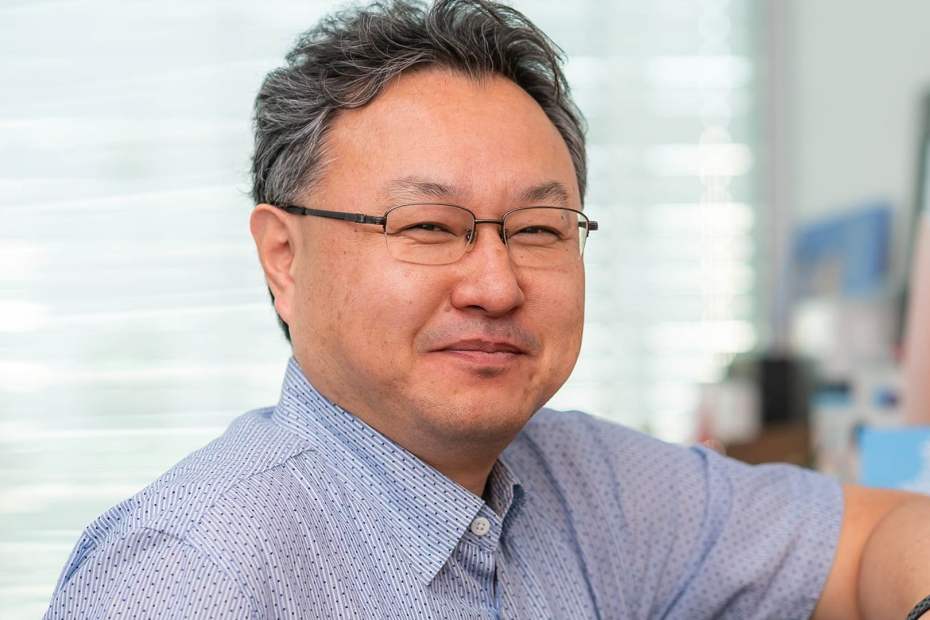
Shuhei Yoshida recently told The Vergecast that Sony and Nintendo should consider stretching the life of the PS5 and the Nintendo Switch 2 generation rather than rushing into new hardware. He pointed to rising component costs, the fact many players are satisfied with current visuals, and the limited demand from both consumers and developers for dramatically more processing power. Yoshida’s view doesn’t dismiss next-gen innovations; instead, it questions the timing. For NintendoReporters readers who live in the Nintendo world, this outlook matters because it affects release timing, game support, and the way developers plan upgrades. Below we break down what Yoshida said, why it matters for Nintendo and players, how Xbox’s plans fit in, and what to watch next.
What Shuhei Yoshida Actually Said
On The Vergecast, Yoshida argued that platform holders with healthy install bases might be better off extending the current generation instead of rushing a successor. His point was practical – component prices have climbed and consumers often delay upgrades when hardware costs spike. He noted that many players are perfectly happy with PS5 visuals and the performance of recent handheld-orientated hardware like the Switch 2, so there isn’t an immediate groundswell demanding faster silicon. Yoshida also suggested developers are not yet asking for dramatic new horsepower to make the games they want to make. Taken together, his remarks were less a prediction and more a nudge – asking Sony and Nintendo to consider patience and price sensitivity when planning the next big leap.
Why keeping the generation longer makes business sense
There are clear business reasons behind Yoshida’s recommendation. Manufacturing costs for chips, memory, and other console-specific components have fluctuated due to supply chains and global demand, which pushes retail prices up and shrinks profit margins at launch. Extending an existing generation lets companies extract more value from already amortized hardware development costs, gives third-party studios time to transition their engines and tooling, and reduces the risk of consumer backlash at a steep launch price. From a marketing angle, maintaining momentum with new software, DLC, and re-releases can keep players engaged without forcing them to buy new boxes. For Nintendo in particular, which relies heavily on strong first-party franchises, keeping current hardware alive can let the company milk catalog sales while avoiding alienating players who just bought into the new generation.
What this means for Nintendo and Switch 2 owners
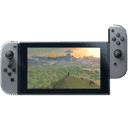
For owners of the Nintendo Switch 2, Yoshida’s view is reassuring: Nintendo may continue delivering major game updates, first-party releases, and system support for longer than a rigid generational calendar would imply. That means less pressure to chase a new console simply because a new cycle started, and more focus on software value. It also affects how collectors and fans plan purchases: a longer tail for Switch 2 support could stretch the window for must-buy releases and special editions. For NintendoReporters readers who follow both modern releases and Nintendo’s legacy, this kind of stability makes balancing new games with classic collections easier, and gives the community more time to discover underrated titles.
How players stand to benefit or lose
Players win when companies choose stability over churn. Keeping the current generation longer can translate to more time for developers to optimize games, fewer forced upgrade cycles, and more affordable peripheral and game pricing as production scales. On the other hand, delaying a new generation can stall access to hardware-level innovations that enable new gameplay experiences or higher-fidelity visuals. Hardcore early adopters who crave cutting-edge performance might feel impatient, but the majority of players who value library size, ongoing updates, and price stability are likely to appreciate the approach Yoshida describes. Ultimately it is a balance – more time for polish and price relief versus a slower arrival of next-level experiences.
How developers and studios are affected
Developers get both breathing room and constraints from a prolonged generation. With a stable hardware target, studios can focus on squeezing better performance out of known platforms, reducing porting headaches and avoiding the scramble of learning new devkits mid-project. Smaller teams, in particular, benefit because they can avoid the extra costs that come with immediate next-gen optimization. However, a long generation can also create stagnation risks if developers keep targeting the same performance ceiling for too long. Yoshida’s point was that, right now, many studios aren’t clamoring for more power, which suggests the industry can deliver great experiences on existing platforms if given time and budgetary certainty.
Why Xbox’s plans don’t contradict Yoshida’s point
Microsoft’s push toward Project Helix and experimentally different business models may look at odds with Yoshida’s call for patience, but the two ideas can coexist. Xbox has signaled it will ship alpha versions of its next system to developers in 2027, a move designed to fast-track new features and a closer PC-console relationship. That timeline doesn’t force Sony or Nintendo to follow suit; it simply gives Xbox the opportunity to change the playing field if it succeeds. Yoshida acknowledged that Xbox may have reasons to move quickly while Sony and Nintendo, with different business models and user bases, might prefer extending what works. In short, one company accelerating to innovate is not the same as everyone being obliged to sprint after it.
How the wider industry timeline looks
Signals across the industry point to a staggered transition rather than a single, industry-wide jump. Microsoft publicly said alpha versions of its Project Helix hardware would go out to developers starting in 2027, and that kind of roadmap naturally pushes a next-gen conversation forward. Meanwhile, Sony and Nintendo can observe market reaction, component prices, and developer uptake before locking in public plans. For NintendoReporters readers who love tracking release windows and platform longevity, this means watchful patience is rewarded. Companies will likely calibrate launches to market conditions, not a fixed cadence, which could lead to longer, healthier lifecycles for consoles that keep players happy.
NintendoReporters’ take and what to watch next
NintendoReporters appreciates Yoshida’s pragmatic view. A longer PS5 and Switch 2 lifespan means more attention on the software that defines Nintendo’s success – new first-party releases, expanded DLC, and curated discoveries for players who prefer quality over churn. Keep an eye on three things: component price trends, developer commentary about hardware needs, and how Xbox’s Project Helix alpha period in 2027 performs in developer hands. Those will be the clearest signals whether Sony and Nintendo eventually extend their generations or decide the time is right to move forward. For fans, that might mean more good games on the systems you already own instead of an immediate push to buy new hardware.
Conclusion
Yoshida’s recommendation is simple and practical: don’t rush a generational jump if the market isn’t demanding it and the costs make it painful for players. For Nintendo fans and Switch 2 owners, this could translate to continued support and strong first-party releases for several more years. For the industry as a whole, it’s a reminder that hardware timelines should be flexible, responsive to economics and player sentiment, and focused on delivering great experiences rather than strictly adhering to a calendar. Keep following announcements, and let your purchase decisions be guided by the games you want to play most.
FAQs
- Did Yoshida say Nintendo should never make a new console?
- No – his point was about timing and economics, suggesting Nintendo and Sony could benefit from keeping current hardware longer rather than rushing a launch.
- Does this mean Switch 2 will be supported for years?
- Possibly – extending a generation usually means longer software support and more first-party releases, which favors Switch 2 owners if Nintendo chooses that path.
- Will Xbox still launch new hardware if Sony and Nintendo wait?
- Yes – Xbox has its own roadmap and reasons for moving forward, including Project Helix alpha hardware for developers in 2027, which is independent of other companies’ strategies.
- How should I decide whether to buy new hardware now?
- Think about what you play, how much value you get from current systems, and whether games you want are available now or tied to future hardware-exclusive features.
- Where can I follow updates on this topic?
- Follow NintendoReporters and official platform channels for announcements, developer updates, and deeper reporting on hardware and release schedules.
Sources
- Shuhei Yoshida says Sony and Nintendo should ‘keep the current generation as long as possible’ as Xbox goes next-gen, Video Games Chronicle, September 30, 2026
- Shuhei Yoshida on the future of gaming – The Vergecast (transcript), Podcast Rex, September 28, 2026
- From GDC: Building the Next Generation of Xbox, Xbox Wire, March 11, 2026