














Summary:
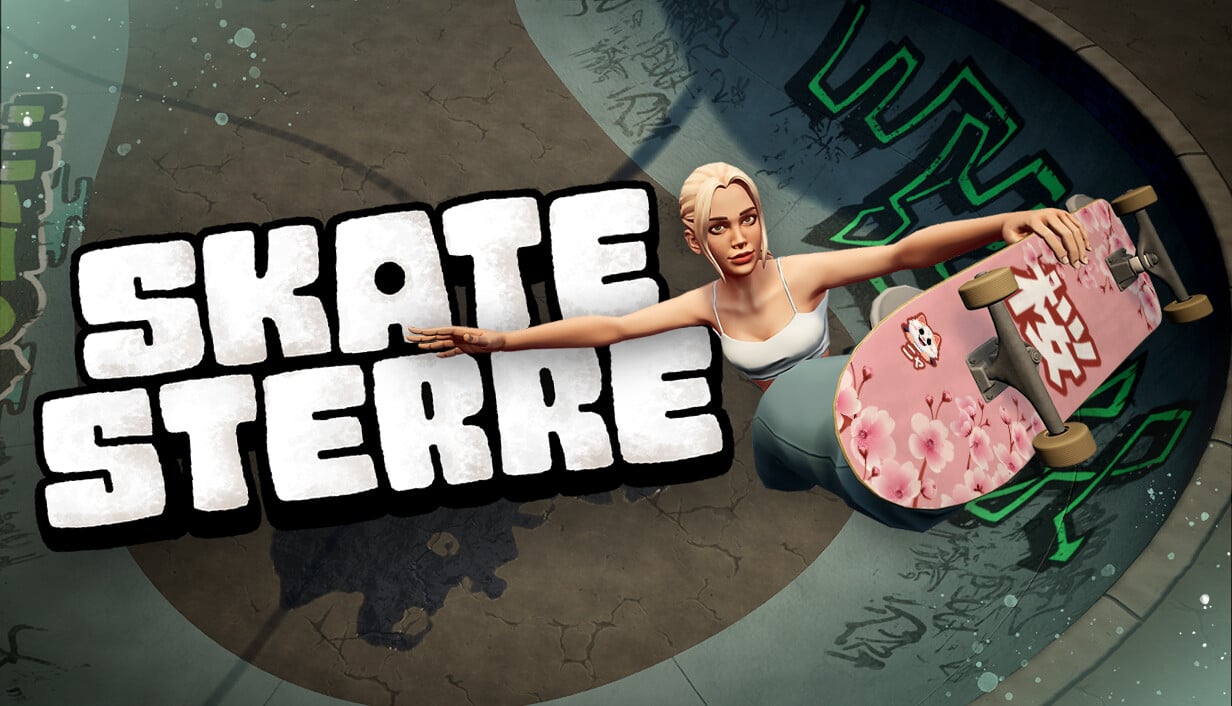
Skatesterre will launch for Nintendo Switch 2 on August 13, 2026, following its reveal during the Future Games Show Summer Showcase. Developed by Goon Squad and published by Headup, the fast-paced arcade skateboarding game takes its cues from the celebrated skate titles of the late 1990s and early 2000s. Rather than aiming for strict simulation, it focuses on smooth movement, enormous trick combinations, creative routes, and the constant temptation to squeeze one more stunt into a rapidly growing score multiplier.
Players take control of Dutch skateboarder Sterre Meijer, also known online as Surfsterre, as she rides through streets, parks, warehouses, and other urban playgrounds filled with rails, ramps, gaps, collectibles, and hidden lines. Each environment is built to reward experimentation, whether that means discovering an unusual route, linking several obstacles into one combo, or shaving precious seconds from a mission attempt.
Progression extends beyond the scoreboard. Completing objectives unlocks fashion pieces, outfits, gear, and customization options that allow players to shape Sterre’s appearance as they advance. A soundtrack packed with skate punk and skate rock supports the action, giving every run the noisy, rebellious atmosphere associated with classic arcade skateboarding games. With accessible controls, a deeper combo system, mission-based challenges, and large environments to master, Skatesterre is preparing to bring a distinctly energetic skating experience to Nintendo Switch 2.
Skatesterre Rolls Onto Nintendo Switch 2 in August
Skatesterre has secured an August 13, 2026 release date for Nintendo Switch 2. The date appeared through the Nintendo eShop after Headup and developer Goon Squad initially introduced the game with a broader summer launch window. That means Switch 2 players now know exactly when they can grab a board, hit the nearest rail, and begin turning ordinary urban spaces into elaborate skating routes. The game is also planned for PC, PlayStation 5, and Xbox Series X|S, but its fast runs and score-driven structure should be particularly appealing on a system that can move easily between television and handheld play.
The announcement immediately evokes an era when skateboarding games were loud, colourful, easy to understand, and dangerously good at consuming an entire afternoon. You would begin by attempting one simple mission, only to discover that three hours had vanished while you repeatedly tried to land the same absurd combo. Skatesterre appears eager to recreate that feeling without merely copying what came before. It combines familiar arcade foundations with a real-life lead skater, modern customization, large environments, and its own energetic personality.

An Arcade Skateboarding Experience Inspired by the Classics
Skatesterre is built around the direct, score-focused design of classic arcade skateboarding games. Its controls are intended to be approachable enough for newcomers to begin performing tricks quickly, while its movement and combo mechanics offer room for experienced players to improve. That familiar balance matters. A good arcade skating game lets you feel capable within minutes, then quietly reveals that genuine mastery could take dozens of hours. The first kickflip feels satisfying, but landing a long sequence of grinds, manuals, grabs, and aerial tricks without falling is where the real obsession begins.
Rather than recreating every physical detail of skateboarding, the game emphasises flow, speed, creativity, and spectacle. Players can move through each environment while searching for natural lines between obstacles. A rail might lead into a ramp, the ramp might provide enough height to reach a hidden route, and that route could open another opportunity to extend a combo. The result should feel less like following a rigid path and more like turning the entire level into a personal playground.
Playing as Dutch Skateboarder Sterre Meijer
At the centre of Skatesterre is Sterre Meijer, the Dutch skateboarder known to many followers as Surfsterre. Instead of introducing a fictional professional created only for the game, Goon Squad has built the experience around a recognisable figure from modern skate culture. Her presence gives the project a distinctive identity, especially for Dutch players who rarely see a skateboarder from the Netherlands leading an internationally released game.
Sterre rides through streets, parks, malls, warehouses, construction areas, and other locations packed with potential trick lines. Her connection to skating, fashion, and online culture also fits neatly with the game’s progression systems. Players are not simply chasing a higher score while controlling a blank avatar. They are guiding a named skater whose personality and visual style form part of the overall presentation. The result could help Skatesterre stand apart in a genre that often relies heavily on nostalgia alone.
Building Huge Combos With Tricks, Manuals, and Grinds
The heart of Skatesterre is its combo system. Players can perform kickflips, grabs, manuals, grinds, and many other tricks, then combine them to create increasingly valuable sequences. Each successful movement adds another piece to the chain, while every rail, ledge, ramp, and gap becomes a possible bridge to the next trick. The challenge is not simply knowing which buttons perform each move. It is learning how to maintain momentum and recognise opportunities before the combo falls apart.
A well-designed combo system transforms a level over time. During an early run, a staircase may look like nothing more than an obstacle. After some practice, it becomes the opening jump in a route involving a handrail, a wall, a manual across a platform, and a final leap into a half-pipe. That gradual change in perspective is one of the genre’s greatest pleasures. The environment stays the same, but your understanding of it becomes sharper with every attempt.
Easy to Learn Controls With Room for Mastery
Headup describes the gameplay as easy to learn but difficult to master, a familiar promise that suits arcade skating particularly well. New players should be able to move, jump, and perform stylish tricks without studying a small telephone directory of commands. However, the deeper challenge comes from timing, positioning, route planning, and maintaining balance during long combinations. Anyone can perform a quick trick from a ramp, but holding together a level-spanning combo is another matter entirely.
This approach can make repeated runs rewarding for different kinds of players. Some may be happy completing missions and unlocking outfits, while others will analyse every corner in pursuit of a higher score. The game does not need to force everyone toward the same goal. Its systems can provide immediate satisfaction for casual sessions while still supporting the wonderfully stubborn players who will restart a run because one landing looked slightly untidy.
Every Obstacle Can Become Part of a Bigger Line
Rails, ramps, ledges, gaps, slopes, walls, and elevated platforms are more than decorative objects in Skatesterre. Each can serve as one link in a larger route. The best lines will likely combine several types of movement rather than relying on the same trick repeatedly. A player might grind a rail, leap into an aerial grab, land in a manual, and use that manual to reach another obstacle without ending the multiplier.
Finding these connections gives exploration a practical purpose. Hidden areas are not valuable only because they contain collectibles or secrets. They may also reveal better scoring opportunities. A narrow path above the main route could provide access to a sequence of rails that would otherwise remain out of reach. In that sense, learning the geography of each level is as important as learning the trick list. Your board is only half the tool. The other half is knowing the terrain.
Exploring Levels Designed Around Speed and Creativity
Skatesterre features a selection of environments designed to support experimentation. The announcement material shows the kind of spaces traditionally associated with arcade skateboarding, including urban areas, parks, warehouses, shopping spaces, construction zones, and water-based attractions. These locations are filled with ramps, rails, gaps, alternative paths, and concealed areas. Their purpose is not simply to provide scenery. Every structure can influence how a run develops.
Large skating environments work best when they encourage curiosity without making players feel lost. You should be able to spot an interesting ramp from a distance, imagine where it might lead, and then test the idea immediately. Perhaps the jump ends in an embarrassing collision with a wall. That is part of the charm. The next attempt may reveal a hidden ledge just above it, transforming the failed experiment into the first step toward a much stronger route.
Hidden Routes Reward Curious Players
Secret paths and less obvious lines add another layer to the game’s environments. Players who move directly between mission markers may complete their immediate objectives, but those who inspect rooftops, side passages, elevated platforms, and unusual gaps could discover more rewarding opportunities. Hidden routes can contain collectibles, shortcuts, special obstacles, or spaces that support much larger combos than the most visible path.
This creates a useful rhythm between action and observation. One run may be spent skating at full speed and chasing points. The next might involve slowing down, looking around, and wondering whether that suspiciously placed ramp leads somewhere interesting. Arcade skating games often turn players into amateur architects, studying every surface for potential. A concrete ledge is no longer a concrete ledge. It is a question waiting to be answered with wheels.
Completing Missions and Chasing High Scores
Each level includes mission-based objectives that provide structure beyond free skating. Although the full range of missions has not been detailed, the game is expected to challenge players with specific tasks while they explore its environments. These objectives can introduce important mechanics, direct attention toward overlooked areas, and encourage players to attempt tricks or routes they might otherwise ignore. They also provide clear goals for anyone who prefers a checklist over an entirely open-ended score chase.
High scores remain a major part of the experience. Every trick contributes to the player’s total, but the largest rewards will come from linking moves together and maintaining multipliers. This creates constant tension during a successful run. Should you land the combo and secure the points, or risk another grind in the hope of pushing the score even higher? It is the skateboarding equivalent of carrying too many groceries in one trip. Sensible people stop early. The rest of us insist one more item will be fine.
Repeating Runs Should Feel Purposeful
Repetition is central to score-based skating games, but it needs to feel rewarding rather than mechanical. Skatesterre aims to accomplish this through missions, unlockable items, hidden areas, alternative lines, and the pursuit of cleaner combinations. Even when a player returns to a familiar level, there should be another goal to chase. A mission may remain unfinished, a route may still be unexplored, or a previous high score may suddenly look embarrassingly beatable.
The short-term satisfaction of completing an objective can sit alongside the longer-term goal of mastering the entire map. Players may initially follow obvious rails and ramps, then gradually build more ambitious routes as their confidence grows. That progression is not represented only by unlocks. It is visible in the way the player moves. Early runs are cautious and fragmented. Later attempts become smooth, deliberate, and impressively reckless.
Unlocking Fashion Items and Creating a Personal Style
Completing mission objectives unlocks fashion items that can be used to change Sterre’s appearance. Available customization includes different clothing pieces, outfits, footwear, gear, and skateboard designs. These rewards give players another reason to complete challenges while reinforcing the connection between skateboarding and personal expression. Style has always been part of skating culture, whether it appears through clothing, board graphics, trick selection, or the way someone approaches a particular obstacle.
The customization system allows progression to remain visible between runs. A new shirt, pair of shoes, or deck design becomes a reminder of completed objectives and time spent mastering the game. More importantly, it gives players some ownership over the version of Sterre they bring into each level. Scores may disappear from memory eventually, but everyone remembers the ridiculous outfit they insisted was fashionable at the time.
Board Designs Add Another Layer of Personality
Trailer footage suggests that skateboard customization extends beyond standard graphics. Players can collect and equip boards with unusual shapes and playful designs, adding a touch of humour to the visual presentation. This fits the game’s arcade direction, where personality and fun take priority over strict realism. A creative board design can make even a familiar trick sequence look different, especially when combined with a carefully selected outfit.
These cosmetic options do not need to alter performance to feel worthwhile. Their value comes from letting players personalise the experience and mark their progress. Unlocking another design after completing a difficult mission provides a tangible reward, while a broad selection encourages experimentation. Players may begin with a relatively grounded skate look and finish dressed like they lost an argument with an especially colourful wardrobe. That journey is part of the fun.
A Skate Punk Soundtrack With Turn-of-the-Century Energy
Skatesterre supports its action with underground skate punk and skate rock tracks inspired by the atmosphere of late-1990s and early-2000s skate culture. Music was a defining part of many classic skateboarding games, shaping their identity as strongly as their levels or trick systems. A memorable track could turn a routine run into something that felt fast, rebellious, and far more dramatic than repeatedly falling from the same handrail deserved.
The soundtrack is intended to maintain that energy without relying entirely on familiar songs from older games. Underground selections can help Skatesterre establish a musical identity of its own while preserving the loud guitars and rapid tempo associated with the genre. When the music, movement, and level design work together, a strong run can feel almost rhythmic. Tricks land with the beat, rails become musical transitions, and a failed combo arrives like someone abruptly unplugging the speakers.
Music Helps Establish the Game’s Identity
A fitting soundtrack does more than fill silence. It changes how speed feels, makes repeated attempts easier to enjoy, and gives individual environments their own mood. Fast punk tracks can push players toward riskier decisions, while different songs may influence the pace of a run. Even when someone has played the same level many times, a favourite track can make the next attempt feel fresh.
For Skatesterre, the musical direction also reinforces its central influences. The game openly celebrates the golden period of arcade skateboarding without presenting itself as a museum exhibit. Its soundtrack can connect that earlier spirit with newer bands and a modern lead skater. Nostalgia provides the foundation, but the goal is to build something current on top of it rather than simply replaying the past note for note.
Why Skatesterre Could Feel at Home on Nintendo Switch 2
Arcade skating is naturally suited to flexible play sessions. A player can spend ten minutes attempting a mission, complete several quick runs during a break, or settle in for an evening dedicated to mastering one stubborn level. Nintendo Switch 2 supports that variety by allowing players to move between handheld and television play. A score-focused game does not require every session to become a major commitment, which makes it easy to return whenever the temptation to improve a combo appears.
The system may also introduce Skatesterre to players who enjoy colourful action games but have not visited the arcade skateboarding genre in years. Its accessible controls and recognisable structure offer an inviting starting point, while deeper scoring mechanics can maintain interest over time. The August release date positions it as a lively summer option for players who prefer rails and ramps to swords, spaceships, or yet another doomed fantasy kingdom.
What the Announcement Trailer Reveals
The first trailer introduces Skatesterre’s visual style, environments, character customization, trick system, and energetic soundtrack. Sterre can be seen moving rapidly through varied locations while performing grinds, grabs, manuals, flips, and large aerial tricks. The footage emphasises momentum and colourful arcade action rather than simulation. It also highlights the variety of clothing and skateboard options that players can unlock while progressing through missions.
Several environments appear to contain elevated paths, hidden spaces, collectibles, and densely packed obstacles. This suggests that exploration will be closely tied to score chasing. The trailer’s quick cuts naturally focus on impressive moments, but the most promising detail is how frequently one obstacle seems to lead into another. Strong arcade skateboarding depends on that sense of connection. A map should not feel like a collection of isolated ramps. It should feel like a machine built for movement, waiting for the player to discover how all its pieces fit together.
Conclusion
Skatesterre will arrive on Nintendo Switch 2 on August 13, 2026, bringing fast arcade skateboarding, mission-based challenges, unlockable fashion, hidden routes, and a punk-driven soundtrack to the system. Its inspiration is clear, but the inclusion of Sterre Meijer, modern customization features, and newly designed environments gives it room to form its own identity. The key question is whether its controls and combo system can deliver the smooth, satisfying flow that defines the best skating games. Based on its announced features and first trailer, it understands what makes the genre appealing: approachable tricks, challenging mastery, creative levels, personal style, and the irresistible belief that the next run will finally be perfect.
FAQs
- When will Skatesterre launch for Nintendo Switch 2?
- Skatesterre is scheduled to launch for Nintendo Switch 2 on August 13, 2026.
- Who is the playable skateboarder in Skatesterre?
- Players control Dutch skateboarder Sterre Meijer, who is also known online as Surfsterre.
- What type of game is Skatesterre?
- Skatesterre is a fast-paced arcade skateboarding game focused on tricks, combos, missions, exploration, and high scores.
- Can players customize Sterre in Skatesterre?
- Yes. Completing missions unlocks clothing, outfits, footwear, gear, skateboard designs, and other cosmetic options.
- Who is developing and publishing Skatesterre?
- Skatesterre is being developed by Goon Squad and published by Headup.
Sources
- Announcing Skatesterre!, Headup Games, June 6, 2026
- Skatesterre, a Fast-Paced Arcade Skating Game, Announced for Nintendo Switch 2, Nintendo Everything, June 6, 2026
- Arcade Skateboarding Game Skatesterre Gets a World Premiere Reveal at the Future Games Show, GamesRadar+, June 6, 2026
- Nederlandse Schittert in Eigen Skate Game Skatesterre, Gameliner, June 7, 2026
- Skatesterre Sortira sur Nintendo Switch 2 le 13 Août, Nintendo-Town, July 9, 2026