














Summary:
Nintendo has offered a rare look behind the curtain with footage from an orchestral recording session for Star Fox on Nintendo Switch 2. The video recently appeared through the Nintendo Today app and shows professional musicians bringing the game’s sweeping soundtrack to life. Rather than simply polishing the audio inherited from earlier releases, Nintendo says music from previous Star Fox games was rerecorded with an orchestra. The sessions took place at Abbey Road Studios, giving Fox McCloud’s latest mission a musical foundation associated with some of the most famous recordings in entertainment history.
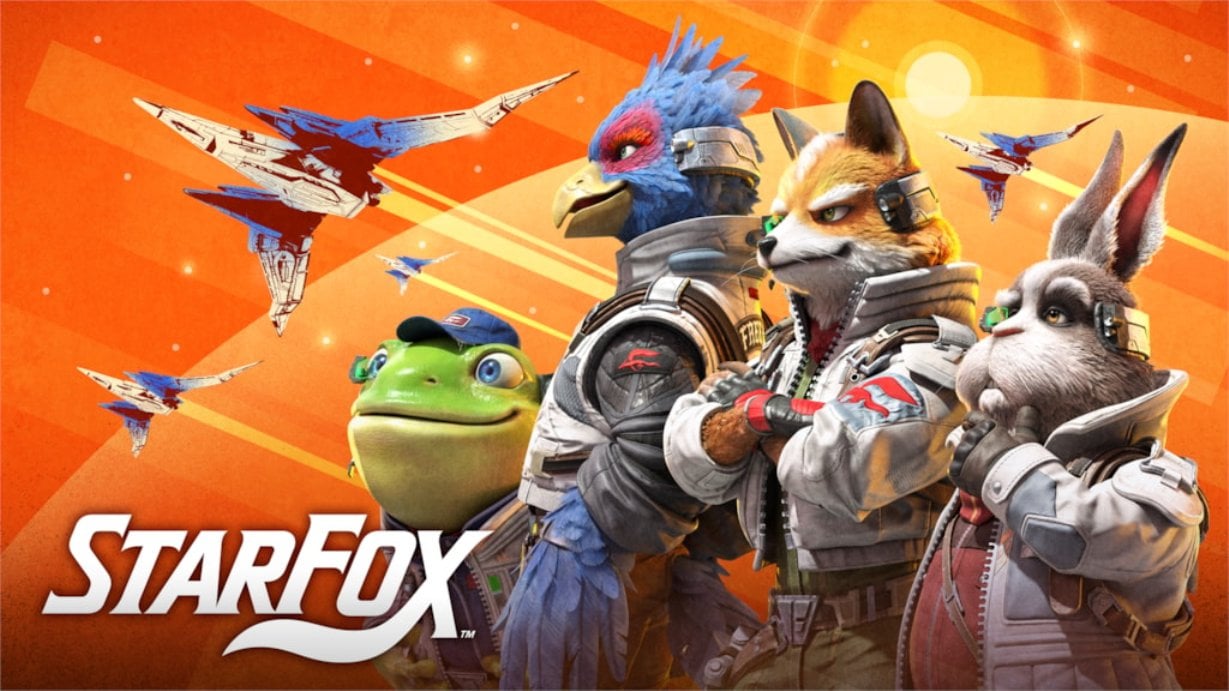
The orchestral score supports a cinematic reworking of the Star Fox 64 adventure. Players once again defend the Lylat System from Andross, but the familiar campaign now features redesigned characters, revamped environments, detailed cinematics, fully voiced conversations and additional mission briefings. Classic aerial manoeuvres return alongside Joy-Con 2 mouse controls, cooperative pilot-and-gunner play and a competitive Battle Mode supporting four-versus-four dogfights.
Campaign Mode retains the branching routes that made the Nintendo 64 original so replayable, while Challenge Mode adds objectives that do not appear during the main journey. GameChat also becomes part of the experience through animated character avatars and playful augmented-reality filters. With its mixture of nostalgia, new technology and lavish presentation, Star Fox aims to preserve the fast, accessible rhythm of the original while making the Lylat System feel larger, louder and considerably more theatrical.
Nintendo Shares a Behind-the-Scenes Look at the Star Fox Orchestra
Nintendo has released behind-the-scenes footage showing part of the musical recording process for Star Fox on Nintendo Switch 2. The video recently appeared in the Nintendo Today app, giving viewers a glimpse of the musicians, conductor and recording environment responsible for the game’s orchestral sound. It is the kind of footage that can make a familiar melody feel new before you have even heard the finished arrangement. Seeing bows move together, brass players prepare for a powerful entrance and percussionists wait for the perfect dramatic moment adds a human face to music that players normally experience while dodging lasers at ridiculous speeds.
The footage is especially notable because Nintendo does not always offer lengthy looks at how its soundtracks are produced. Games may contain hours of carefully arranged music, yet the recording sessions themselves often remain hidden behind studio doors. Here, the company is letting players see the scale of the work involved. Star Fox has always relied on music to create urgency, heroism and a sense of movement. An orchestral session makes that connection easier to appreciate because every flourish comes from a group of performers responding to one another in real time.

Abbey Road Studios Gives the Lylat System a Cinematic Sound
The recording took place at Abbey Road Studios in London, as confirmed by the game’s credits and the studio’s own acknowledgement of the project. That setting immediately gives the production a certain weight. Abbey Road is known around the world for landmark music recordings and large-scale film scores, so it is a fitting home for an adventure built around dramatic space battles, heroic rescues and a scientist who seems determined to turn the Lylat System into his personal laboratory.
Of course, a famous studio cannot make a soundtrack memorable on its own. The real value comes from its recording spaces, technical facilities and the experienced musicians and engineers working inside them. Orchestral game music needs clarity as much as power. A triumphant brass melody must cut through roaring engines and laser fire, while quieter strings need enough detail to support conversations and mission briefings. Abbey Road provides an environment where those layers can be captured with the range needed for cinematic scenes and frantic gameplay alike.
Familiar Star Fox Music Returns With Full Orchestral Arrangements
Nintendo says songs from previous Star Fox games were rerecorded with an orchestra for the Nintendo Switch 2 release. That approach is more ambitious than simply placing the original tracks beneath upgraded graphics. The melodies may be familiar, but the instruments give them fresh colour, scale and emotion. Brass can make a victory theme sound as though the entire Lylat System has joined the celebration, while strings can add tension to an asteroid field before the first enemy even appears.
There is also a delicate balancing act involved. Change too little and the music risks sounding like a cleaner version of what players already know. Change too much and the identity of the original soundtrack can disappear beneath layers of new instrumentation. The best arrangements tend to respect the shape of the familiar melody while expanding everything around it. Think of it as restoring a classic Arwing: the silhouette remains recognisable, but the engines, cockpit and targeting systems have been rebuilt for a different generation.
Star Fox Reimagines the Classic Nintendo 64 Adventure
Star Fox on Nintendo Switch 2 is based on Star Fox 64, the Nintendo 64 adventure also released as Lylat Wars in Europe. The central conflict remains intact. Andross threatens the Lylat System, and Fox McCloud leads the Star Fox team into battle to stop him. Players travel between planets, asteroid fields and hostile installations while piloting vehicles such as the Arwing and completing missions that can change their route through the campaign.
This is not presented as a simple visual remaster. Nintendo describes the game as a cinematic reinterpretation with redesigned characters, overhauled stages, expanded storytelling and fully voiced dialogue. Mission briefings between stages provide more opportunities to learn about the pilots and the worlds they are defending. That extra context could help the squad feel like more than a collection of voices warning Fox to use a bomb or rescue them for the third time in ten minutes. The banter remains important, but the characters now have more room to breathe between battles.
Campaign Mode Brings Branching Routes Back to the Lylat System
Campaign Mode remains the heart of Star Fox. Players begin by selecting Easy or Normal difficulty before setting out across the Lylat System. Each mission combines forward-moving aerial combat with environmental hazards, enemy formations and optional objectives. The Arwing can fire lasers, accelerate with a boost, slow down in mid-air, perform somersaults and execute the barrel rolls that have become inseparable from the series. Yes, Peppy’s most famous piece of advice is still useful. Some wisdom simply survives every hardware generation.
The campaign’s branching structure gives individual actions greater importance. Completing certain objectives, defeating particular enemies or discovering alternate paths can change the route to the next mission. This means two journeys may include different planets, bosses and challenges even when they begin in the same place. It encourages curiosity rather than treating every mission as a straight tunnel toward the credits. A suspicious opening in the scenery or an unusual enemy formation might lead somewhere unexpected, rewarding players who pay attention while the rest of the screen is exploding.
Different Routes Make Repeat Missions Worthwhile
Branching routes were one of the defining features of Star Fox 64, and their return is essential to preserving its replay value. A first playthrough may feel like a complete adventure, but it only reveals part of the available journey. Returning to an earlier mission with better aim and greater knowledge can unlock an entirely different path. That creates a satisfying sense of mastery because improvement is reflected in more than a higher score. Your performance can physically change where the team goes next.
Players can also pursue medals by meeting the requirements within individual stages. Collecting enough medals unlocks the Expert difficulty setting, providing another reason to revisit completed missions. The structure keeps the campaign compact without making it feel small. Instead of stretching one route until it wears out its welcome, Star Fox encourages several focused runs through a network of possibilities. It is closer to exploring a constellation than following a motorway. You recognise the stars, but the route between them can keep changing.
Challenge Mode Gives Experienced Pilots New Objectives
Challenge Mode opens previously cleared stages and introduces specialised tasks that may not appear during Campaign Mode. These challenges are available on Normal and Expert difficulty settings, allowing players to test their abilities after learning the fundamentals. A familiar environment can behave very differently when the objective changes. Instead of merely reaching the end, players may need to protect a target, defeat enemies under strict conditions or demonstrate precise control of their vehicle.
This mode gives Nintendo a flexible way to reuse locations without simply asking players to repeat the same mission. The strongest challenges can expose overlooked parts of a stage or force pilots to use manoeuvres they previously treated as optional. Braking, boosting and somersaulting may feel like flashy tricks during an early campaign run, but a tightly designed objective can turn them into survival tools. Challenge Mode should therefore appeal to players who enjoy shaving seconds from a run, perfecting a route and discovering that one missed enemy was apparently hiding behind a rock the entire time.
Battle Mode Introduces Four-versus-Four Team Dogfights
Battle Mode expands Star Fox beyond its solo campaign with competitive matches for up to eight players. Participants are divided between Team Star Fox and Team Star Wolf before entering four-versus-four dogfights. The rivalry is a natural fit for team competition, giving every match a clear identity even before the first laser is fired. One side has Fox, Falco, Slippy and Peppy, while the other brings Wolf and his crew. Friendly sporting behaviour is encouraged, although Wolf probably missed that part of the briefing.
Three stages feature different objectives. On Corneria, teams compete to control a designated zone. Fichina asks players to gather energy crystals, shifting the focus toward movement and collection. Sector Y centres on retrieving cargo from space pirates. These variations should prevent Battle Mode from becoming a simple test of who can shoot the fastest. Team positioning, communication and objective awareness matter alongside piloting skill, particularly when several Arwings are circling the same target.
Online Matches and GameShare Expand Multiplayer Access
Players can enter private online matches with friends or compete against other pilots through matchmaking. GameShare provides another route into multiplayer by allowing up to four people to join compatible sessions locally or through GameChat. Online GameShare requires Nintendo Switch 2 systems, while local GameShare can share compatible software with Nintendo Switch 2 and original Nintendo Switch hardware. The exact experience depends on the systems being used, but the feature lowers the barrier for a nearby friend who does not own the game.
GameShare is particularly suited to a series built around a squad. Star Fox has always presented its missions as a team effort, even when one player controlled the action. Letting another person join the flight makes that partnership more tangible. It can also create the wonderfully chaotic situation in which everyone is giving tactical advice at once and nobody is listening. That may not be the most efficient way to defend Corneria, but it certainly sounds like multiplayer.
Joy-Con 2 Mouse Controls Change How Players Aim
Star Fox supports Joy-Con 2 mouse controls during solo play in Campaign Mode and Challenge Mode. Players can switch between traditional button controls and mouse aiming without leaving the mission. The mouse option is designed to make targeting feel more immediate, particularly when tracking fast enemies or firing at small weak points. Flight remains the foundation of the experience, but the added aiming method gives players another way to handle the Arwing’s weapons.
The system becomes more interesting when a second player joins. One person can concentrate on piloting while the other handles the weapons as a gunner. The roles can also be reversed, which is useful when the pilot discovers that steering through an asteroid field is rather less relaxing than it looked from the sofa. Separating movement and aiming could make cooperative missions more approachable for newcomers while giving experienced players a different way to coordinate attacks.
Cooperative Play Turns the Arwing Into a Shared Cockpit
The pilot-and-gunner setup changes the rhythm of a Star Fox mission because success depends on communication. The pilot must line up attacks, avoid hazards and keep the ship in a useful position. The gunner needs to identify threats, choose targets and fire at the right moment. When both players work together, the Arwing becomes a shared cockpit rather than a vehicle controlled by one person. When they do not, it becomes a very expensive argument moving at several hundred kilometres per hour.
This division of responsibilities also creates a more accessible entry point for players who enjoy the setting but find simultaneous flying and aiming difficult. A newcomer can begin with one role, become comfortable with the action and switch later. Meanwhile, experienced pilots can attempt coordinated strategies that would be impossible alone. It is a small structural change with the potential to make familiar missions feel noticeably different.
GameChat Avatars Put the Star Fox Crew on Camera
Star Fox uses GameChat for more than ordinary voice and video communication. Interactive character avatars allow players to appear as Fox McCloud or other members of the crew while chatting. These avatars respond to facial expressions and movement, creating the impression that the characters themselves are taking part in the conversation. It is a playful extension of the series’ communication windows, which have displayed squad members during missions since the Nintendo 64 era.
Augmented-reality filters provide additional options, including Star Fox-style ears and a beak inspired by Falco that moves as the player speaks. These features are clearly designed for fun rather than tactical necessity. Nobody has ever defeated Andross because their virtual beak was particularly convincing. Even so, the filters tie the communication features directly to the game’s identity instead of leaving GameChat as a separate layer sitting above the experience.
The Orchestra Recording Highlights Nintendo’s Ambitions for Star Fox
The Abbey Road recording footage captures what Nintendo appears to be aiming for with this version of Star Fox. The company is taking a fast-paced Nintendo 64 favourite and presenting it with the scale of a modern cinematic production. Revamped stages, voiced mission briefings, detailed cutscenes and an orchestral score all support that direction. The original adventure was already heavily influenced by dramatic science-fiction storytelling, so these additions build upon qualities that were present from the beginning.
The challenge is preserving the immediacy that made Star Fox 64 memorable. Players need to feel as though they can jump into an Arwing, understand the controls and start blasting enemies within moments. The cinematic additions should strengthen that experience rather than bury it beneath lengthy interruptions. Based on Nintendo’s description, the game still revolves around quick missions, alternate routes, high scores and responsive aerial manoeuvres. The orchestra supplies the grandeur, but the Arwing still has to be fun to fly.
Conclusion
Nintendo’s behind-the-scenes orchestra footage offers an illuminating look at one of the most important parts of Star Fox on Nintendo Switch 2. By rerecording music from previous games with an orchestra at Abbey Road Studios, Nintendo is giving the Lylat System a broader and more cinematic sound without abandoning the melodies associated with Fox McCloud’s earlier missions.
The soundtrack accompanies a substantial reinterpretation of Star Fox 64 that includes redesigned environments, expanded scenes, voiced dialogue, branching campaign routes, Challenge Mode and four-versus-four battles. Joy-Con 2 mouse aiming, pilot-and-gunner cooperation, GameShare and GameChat avatars add features shaped around Nintendo Switch 2. It is still a story about a fox flying a spacecraft to stop an evil floating scientist, but now every barrel roll comes with the sort of musical force that could shake the windows of Corneria.
FAQs
- Where was the Star Fox orchestral soundtrack recorded?
- The music was recorded at Abbey Road Studios in London. The studio is known for major music recordings and large orchestral productions.
- Is Star Fox on Nintendo Switch 2 a remake of Star Fox 64?
- Yes. It is a cinematic reinterpretation of Star Fox 64 featuring redesigned characters, updated stages, new scenes, voiced dialogue and an orchestral soundtrack.
- Does Star Fox support multiplayer?
- Yes. Battle Mode supports four-versus-four dogfights for up to eight players, while cooperative options allow players to share pilot and gunner duties.
- Can Star Fox use Joy-Con 2 mouse controls?
- Yes. Players can switch between button and mouse controls in Campaign Mode and Challenge Mode, with mouse aiming offering another way to target enemies.
- What does GameChat add to Star Fox?
- GameChat supports multiplayer communication, interactive Star Fox character avatars and augmented-reality filters inspired by characters such as Fox and Falco.
Sources
- Video: Behind-the-Scenes Look at Orchestra Recording for Star Fox on Nintendo Switch 2, Nintendo Everything, July 16, 2026
- Star Fox – Nintendo Switch 2 Exclusive, Nintendo, June 25, 2026
- Star Fox Is Out Today on Nintendo Switch 2, Abbey Road Studios, June 25, 2026
- The Best Thing About Star Fox Is the Music, Polygon, June 26, 2026
- Star Fox Nintendo Switch 2 Game Profile, Nintendo Life, June 25, 2026