














Summary:
Stellar Blade’s new Switch 2 demo has sparked fresh comparison footage that pits the Nintendo Switch 2 release against the PS5 version. The footage highlights where Shift Up pushed the engine and where compromises were made to keep performance acceptable on Switch 2 hardware. You’ll see differences in level of detail, shadow quality, reflections and water rendering, and there are moments where frame pacing drops despite the game targeting 60 FPS. The demo gives a practical look at how modern ports balance visual ambition and technical constraints, and it’s useful for anyone deciding whether to pick up the Switch 2 edition at launch. We break down what the comparison shows, what to expect from performance, how the developer adapted the game, and what community impressions look like ahead of the November 5, 2026 release.
What the new Stellar Blade graphics comparison shows
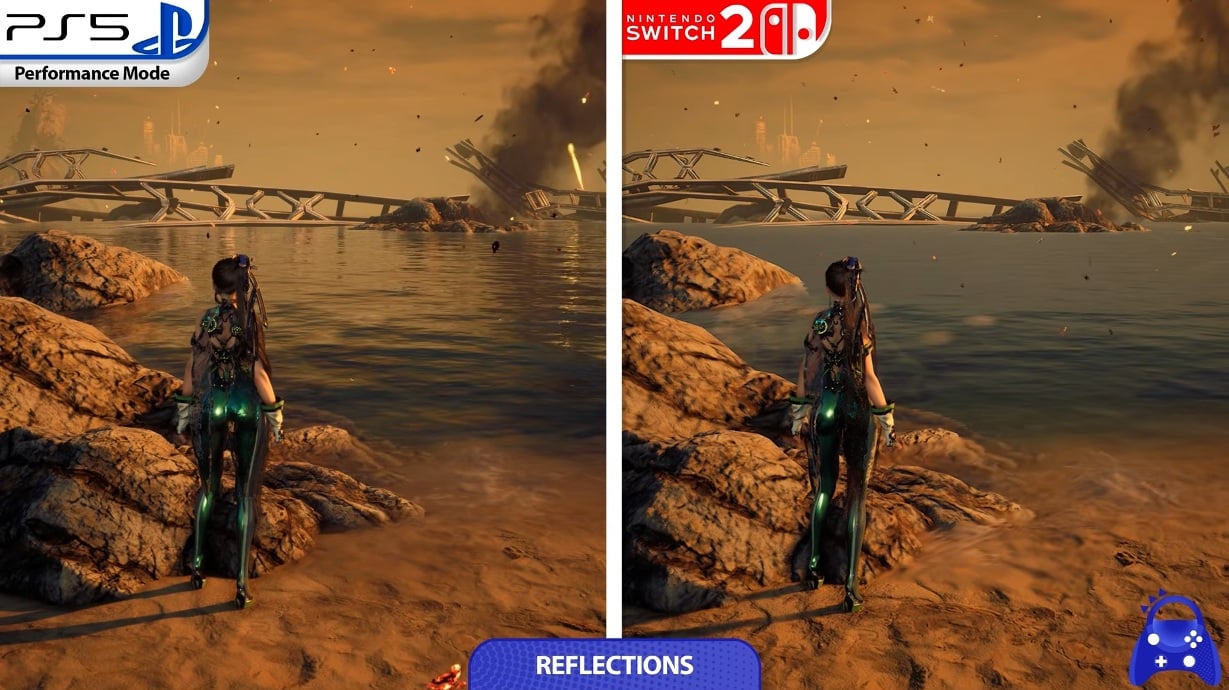
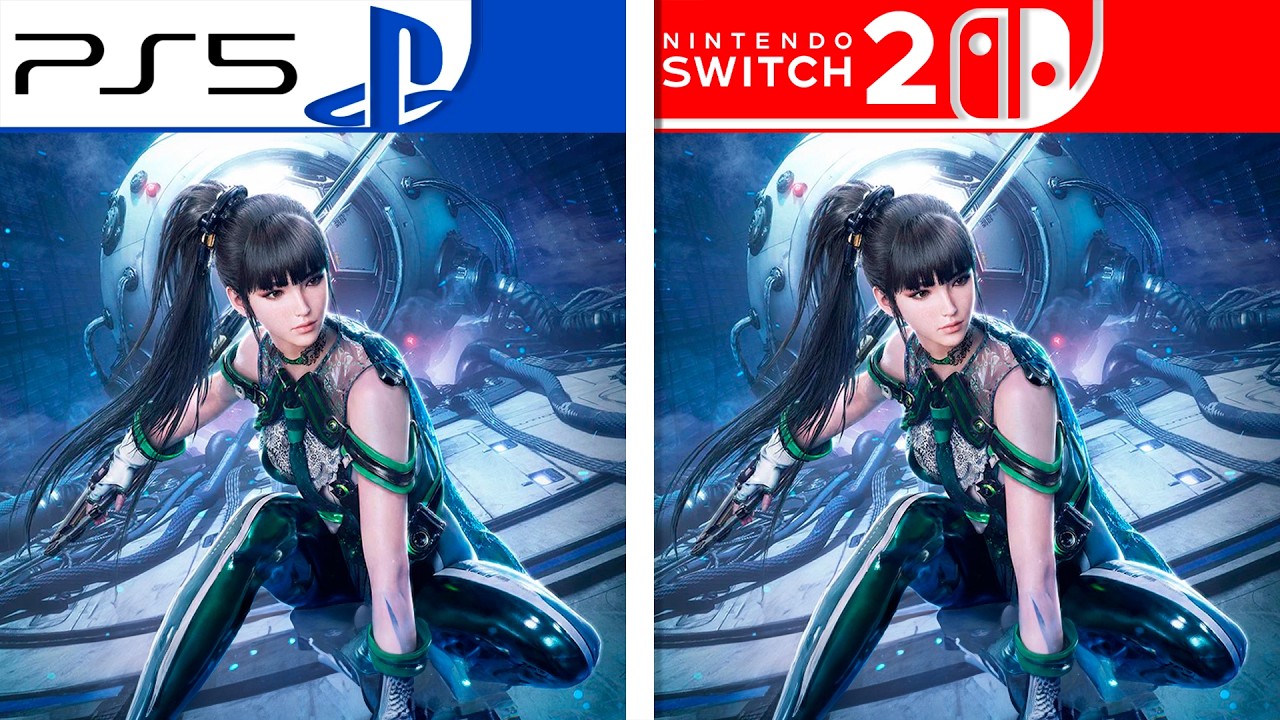
The headline here is simple: the comparison video and demo make it obvious that Stellar Blade on Nintendo Switch 2 aims for a close visual match to the PS5 build, but not every detail survives the port unchanged. Watching the clips side by side, differences pop up in rendering distance, texture fidelity, shadow resolution and post-processing effects. Some environments look slightly less dense on Switch 2 because objects are culled earlier, and reflections on surfaces such as water are noticeably dialed back. That does not mean the Switch 2 version looks bad; it means Shift Up chose where to conserve resources so the game can hit its target framerate and stay playable in both docked and handheld modes. For fans, these tweaks are the trade-offs of getting a AAA action experience on a hybrid system, and the demo is the best way to judge whether those trade-offs sit well with you.
Frame rate and performance – how consistent is 60 FPS?
Performance is the metric most players notice first, and Stellar Blade’s Switch 2 demo shows the team targeting 60 FPS in both docked and handheld modes. In practice, however, the comparison footage reveals occasional frame drops and uneven frametime during heavy scenes and boss moments. It appears Shift Up uses frame generation and upscaling tricks to present a smoother 60 FPS experience, but those systems sometimes introduce hitching or inconsistent pacing that trained players will feel during precise combat. Still, the baseline is ambitious: aiming for 60 FPS on Switch 2 is a clear statement that the developers prioritized responsiveness. If you value steady, tight inputs for action games, keep an eye on patches and final optimization notes, because demos are useful but not always reflective of the final release state.
Visual compromises – shadows, reflections and texture choices
When a team brings a visually demanding title to more modest hardware, certain visual systems get scaled back first. For Stellar Blade on Switch 2 the most obvious sacrifices are shadow resolution, reflection detail and texture sharpness. Shadows can appear softer or less defined in some scenes, and reflections on wet surfaces and metallic objects are reduced or simplified to avoid expensive ray-traced-like effects. Textures are often lower resolution at a distance, and foliage or small environmental objects may disappear earlier than on PS5. These changes help the game maintain playable framerates, but they also change the mood of specific scenes: what looked rich and layered on PS5 can feel flatter at a glance on Switch 2. That said, clever lighting and composition still sell the world effectively, so the experience remains cinematic despite the cuts.
Water, lighting and subtle environmental differences
One tiny detail that draws attention in the comparisons is how water and certain lighting reflections are handled between versions. On PS5, water surfaces reflect complex lighting and nearby geometry with higher fidelity, while the Switch 2 demo shows simplified reflections and fewer screen-space effects to keep performance steady. Lighting is another area where the developers lean on tricks: bloom and volumetric lighting might be softened on Switch 2 to avoid GPU spikes, and ambient occlusion can be less precise. The end result is that some scenes sacrifice micro-detail and shimmer for a more consistent overall presentation. For many players the gameplay loop and combat will matter more than the micro-reflections, but if you love studying visuals you’ll notice these trade-offs quickly.
How Shift Up adapted Stellar Blade for Nintendo Switch 2
Shift Up clearly reworked rendering pipelines and asset streaming to make Stellar Blade run on Switch 2, and the demo hints at multiple engineering choices behind the scenes. They likely adjusted texture LODs, reduced shadow draw distances, and swapped complex reflections for cheaper approximations. Frame generation and upscaling appear to be part of the strategy to reach 60 FPS without sacrificing too much on image quality. Beyond raw graphics, Shift Up also had to make decisions about memory usage and CPU threading so AI, animations and physics remain stable. Ports like this are balancing acts: the goal is to keep the combat fast and responsive while preserving the game’s atmosphere. In short, the demo shows a thoughtful adaptation rather than a lazy downgrading, but it also shows there’s room for polish before launch.
Playability and input feel – does it still play like Stellar Blade?
Stellar Blade’s combat is timing-sensitive, so how the Switch 2 build handles inputs and latency matters a lot. Player reports from demo sessions point to a generally solid feel, but some have mentioned slight input oddities when frame generation is enabled, especially during complex combos. The core systems – parrying windows, dodge timings and combo flows – seem intact in the demo, which is encouraging. If you’re worried that graphical compromises mean a worse gameplay experience, the demo suggests not to panic: the essence of Stellar Blade’s controls remains. That said, competitive or perfectionist players may prefer the smoother native feel of PS5 or PC, at least until patches refine the Switch 2 build. Try the demo in docked and handheld modes to see which control feel you prefer.
Demo impressions and early community reaction
Early reactions from players who downloaded the demo show a mix of excitement and nitpicking – a predictable combination for a high-profile port. Many players praise the fact Stellar Blade is coming to a hybrid platform and applaud Shift Up for the ambition, while others focus on the visual cuts and the uneven frame pacing in certain scenes. Threads comparing docked vs handheld, and Switch 2 vs PS5 runs, are full of side-by-side clips and technical notes from members of the community. If you follow that conversation, remember demos are snapshots in time. Developers frequently tweak performance and visuals between a demo drop and final release, so community impressions are useful but not definitive. If you want hands-on proof, the demo on the Nintendo eShop is the fastest way to judge for yourself and to see whether the Switch 2 trade-offs match your priorities.
What to expect at launch – editions, release date and extras
Shift Up has locked a Nintendo Switch 2 release window for Stellar Blade Complete Edition with a specific date set for November 5, 2026. Expect a Complete Edition package that bundles cross-collab DLC such as Bayonetta-inspired outfits and other extras that have been announced for the Switch 2 release. A physical steelbook or limited edition may appear for collectors, and pre-order bonuses are already being referenced in storefront listings. From a practical perspective, anticipate day-one patches and potential post-launch updates aimed at smoothing any demo-era rough edges. If you’re planning to buy at launch, consider preorder options and check whether your region’s eShop listing includes pre-load details or notes about which DLC is included out of the box. For more on the Switch 2 platform itself, check our dedicated Nintendo Switch 2 coverage here so you know how Stellar Blade fits the system’s ecosystem and hardware expectations.
Conclusion
The Switch 2 demo and the PS5 comparison video give fans a clear idea of where Stellar Blade’s strengths and compromises land on Nintendo’s new hardware. Shift Up’s work looks like a considered effort to preserve core gameplay and visual identity while trimming areas that would hurt performance. If you care most about responsive action and portability, the Switch 2 edition is promising; if you chase every graphical polish, PS5 or PC may still be preferable. Either way, the demo is a great way to decide which version suits you, and November 5, 2026 will be the moment we can judge the finished product rather than a demo snapshot.
FAQs
- When is Stellar Blade coming to Nintendo Switch 2?
- The Switch 2 release date for Stellar Blade Complete Edition is set for November 5, 2026.
- Is the demo available now on Nintendo eShop?
- Yes, a free demo for the Nintendo Switch 2 version was released and can be downloaded from the system eShop.
- Does the Switch 2 version maintain 60 FPS?
- The Switch 2 build targets 60 FPS and uses frame generation techniques, though the demo shows some drops and uneven frametime in demanding scenes.
- What visual differences should I expect compared to PS5?
- Expect softer shadows, reduced reflections, lower texture detail at distance and some removed environmental objects to help performance.
- Will my demo progress carry over to the full game?
- That depends on the final eShop listing and developer notes; demos sometimes limit progression or require specific save transfer systems, so check the official product page when purchasing.
Sources
- Video: Stellar Blade Nintendo Switch 2 vs. PS5 graphics comparison, NintendoEverything, September 20, 2026
- Stellar Blade Switch 2 Release Date and Bayonetta Costume Shown, Siliconera, September 9, 2026
- Stellar Blade Demo Now Available On Nintendo Switch 2, TwistedVoxel, September 20, 2026
- Stellar Blade Reaches Switch 2: Free Demo and First Comparisons with PS5, iXBT, September 21, 2026