














Summary:
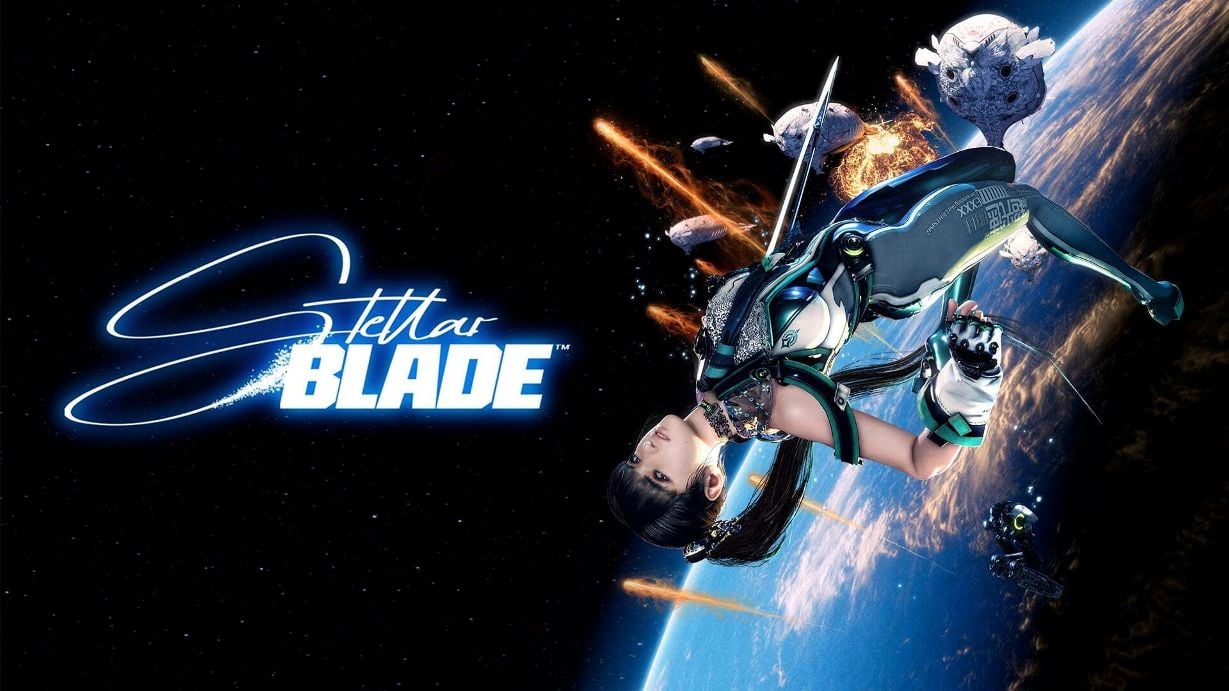
Stellar Blade: Complete Edition is heading to Nintendo Switch 2 and Shift Up’s CTO DongKi Lee walked through the studio’s approach to keeping the game feeling true to the PS5 original while tailoring it to Nintendo’s hybrid hardware. The port bundles DLC and costumes into one package and aims to deliver a consistent 60 FPS presentation in both handheld and docked modes by pairing NVIDIA DLSS upscaling with AMD FSR 3.1 frame interpolation. That pipeline yields a 30 FPS simulation base with generated intermediate frames to present smoother motion. The team also added Switch 2-specific touches like gyro aiming, touchscreen puzzles and motion-driven mini-interactions, while working closely with Nintendo to hit performance and control goals.
Why Stellar Blade is coming to Nintendo Switch 2
Shift Up is bringing Stellar Blade to the Nintendo Switch 2 because the Complete Edition is the perfect moment to consolidate post-launch DLC, costumes and balance updates into a single package for a new audience. The Switch 2 release gives players who missed the PS5 and PC launches a chance to experience Eve’s high-speed combat in portable form. For Shift Up it’s also a technical milestone – porting a demanding, timing-heavy action game to a hybrid console requires careful choices around fidelity, responsiveness and platform features. The move also reflects a broader industry trend: developers want their games where players are, and for many fans that means Switch 2 portability without sacrificing the core feel that made the original stand out.
Port goals – performance, parity and player feel
When a studio says it wants parity they don’t mean pixel-for-pixel identical – they mean the core gameplay should feel the same. Shift Up’s primary target for the Switch 2 edition was to preserve responsiveness, enemy behavior and combat timing while shaping visuals to match the console’s capabilities. That translated to a technical roadmap focused on steady frame pacing and consistent input latency instead of chasing raw resolution. The team prioritized a stable presentational frame rate and preserved animation fidelity where it matters most for parries and counters. Ultimately the port aims to make the combat feel familiar to veterans and accessible to newcomers, even if some visual effects are softened to maintain that consistent rhythm during intense fights.
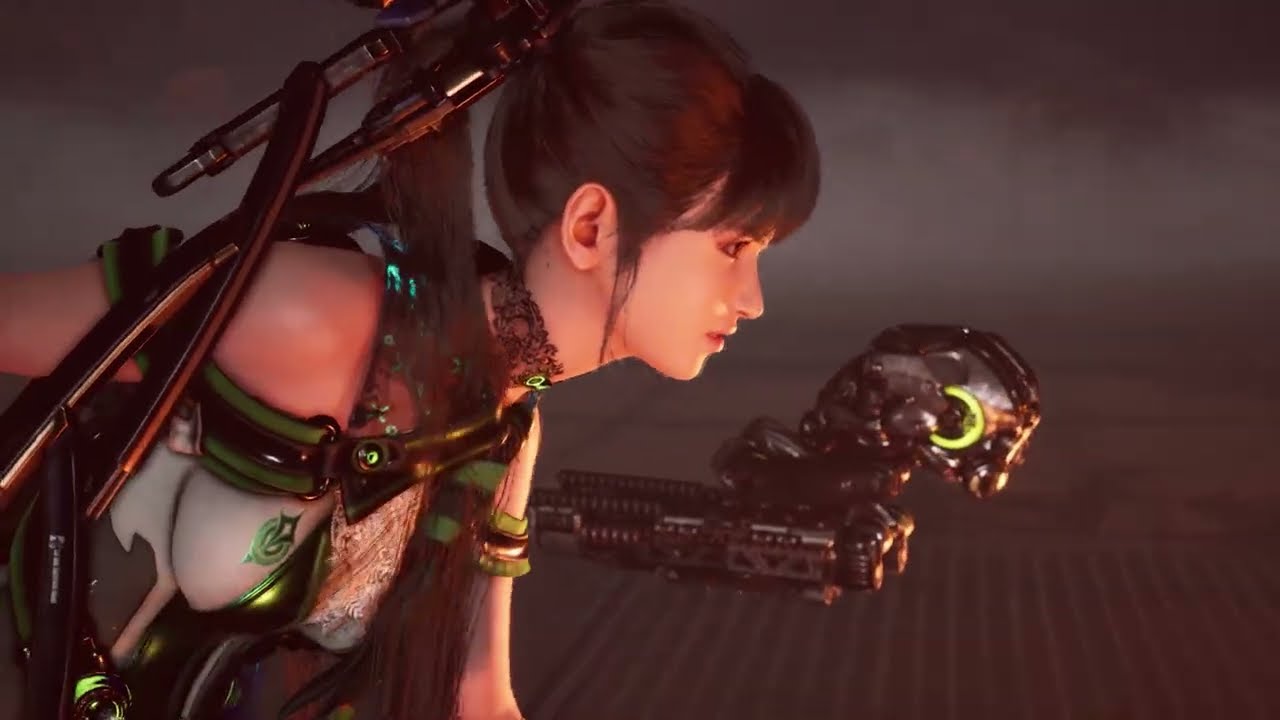
Video credits: Nintendo Everything
Technical pipeline – DLSS plus FSR 3.1 frame interpolation
Shift Up’s solution pairs two modern technologies to hit a 60 FPS presentation: DLSS for image upscaling and AMD’s FSR 3.1 frame interpolation for creating intermediate frames. The studio renders the game’s simulation at a 30 FPS base, upsamples that image using DLSS to reach the handheld and docked output targets, then runs an interpolation stage derived from FSR 3.1 to generate the frames between rendered frames. That two-stage approach keeps the GPU budget manageable while presenting smoother motion to players. It’s a pragmatic compromise – the visual output reads as 60 FPS, even though the underlying game logic updates at 30 FPS – and it relies on recent advances that let frame interpolation work independently of the upscaler.
What that means for gameplay responsiveness and latency
Mixing a 30 FPS simulation base with interpolated frames can raise questions about input lag and perceived responsiveness, especially in a parry-heavy action title. Shift Up addressed this by fixing the simulation cadence at 30 FPS and applying consistent interpolation so latency stays predictable rather than jumping around with variable native frame rates. Predictability matters in timing-based encounters because consistent delays are easier for players to adapt to than irregular stutters. That said, interpolation can introduce visual artifacts in extreme motion or overlapping particle effects, so the final judgment will depend on launch performance and any day-one patches. In short – expect smoother motion on screen, but be ready for subtle trade-offs that the studio is trying to manage carefully.
Switch 2-specific features in the Complete Edition
The Switch 2 version doesn’t just aim to recreate visuals – Shift Up is leaning into the system’s unique inputs to add small, rewarding interactions that fit the platform. Motion controls are integrated into non-core actions like fishing and certain puzzles, gyro aiming is a supported option for TPS segments, and touchscreen interaction appears in some inventory or puzzle moments. None of these changes replace the primary button-and-stick control scheme – they’re optional accessibility and immersion layers. The Complete Edition also packages crossovers, DLC and costumes so Switch 2 owners get the fullest version of the game available, letting players jump in without hunting for separate add-ons.
Controls – gyro, touchscreen and motion without compromise
Shift Up’s approach keeps core combat on traditional controls and reserves motion and gyro inputs for side activities where imprecision won’t break the experience. That means precise parries and dodges remain tied to controller inputs, while gyro aiming and touchscreen taps make exploration, puzzles and fishing feel more tactile. This design keeps competitive and timing-sensitive moments predictable while offering extra layers of interaction for players who enjoy motion features. The studio has also tested the balance between ease-of-use and responsiveness so the motion options feel polished without penalizing players who prefer the Pro Controller or button-focused play.
Content included – DLC, costumes and what Complete Edition bundles
The Complete Edition brings together the base game with the various post-launch additions Shift Up released on other platforms – crossover DLC such as NieR: Automata and Goddess of Victory: Nikke, seasonal outfits, challenge modes and a variety of cosmetic items. Having everything in one package simplifies the experience for Switch 2 players and makes this release a logical entry point for newcomers. It also lets Shift Up focus on a single build during optimization: instead of patching multiple SKU variations, the team can polish one definitive version and tune performance so the bundled extras don’t add surprising load at runtime.
Development and working with Nintendo on a first Switch 2 port
Shift Up described the collaboration with Nintendo as smooth and constructive, saying the platform holder provided support that helped the team adapt systems like I/O, memory management and performance logic to the hybrid hardware. Porting to a console with both handheld and docked modes adds logistical complexity – you must balance power, thermal constraints and battery life – but it also gives the studio clear targets for what to prioritize in each mode. Nintendo’s experience with hybrid systems meant Shift Up could iterate on control schemes and performance profiles in ways that preserved the game’s identity while respecting the platform’s unique trade-offs.
Shift Up’s inspirations and what comes next
During the interview DongKi Lee noted personal admiration for The Legend of Zelda: Breath of the Wild as an inspiration that pushed him toward console development. Shift Up continues to work on the Stellar Blade sequel Blood Rain and is focused on refining that series’ action experience before branching into different genres. The Switch 2 port helps the studio expand its audience and gather technical lessons about hybrid hardware, which could inform future projects. For players the takeaway is simple: this port represents a maturing studio taking a careful, fan-minded approach to bringing a demanding action game to a portable-capable platform.
Conclusion
Shift Up’s Switch 2 plan for Stellar Blade: Complete Edition prioritizes consistent feel and accessibility, using a DLSS-plus-FSR 3.1 pipeline to present 60 FPS while running the simulation at a steady 30 FPS. Motion and touchscreen features add platform flavor without compromising core combat, and the Complete Edition bundles the extras fans expect. NintendoReporters will keep an eye on hands-on impressions and launch performance updates so you can see how that balance lands in players’ hands later in 2026.
FAQs
- Is Stellar Blade actually coming to Switch 2?
- Yes – Shift Up has confirmed Stellar Blade: Complete Edition for Nintendo Switch 2 with a release planned later in 2026.
- Will the Switch 2 version run at native 60 FPS?
- No – the game runs at a 30 FPS simulation base and uses DLSS upscaling plus FSR 3.1 frame interpolation to present a 60 FPS display cadence.
- Are motion controls required for combat?
- No – motion and gyro features are optional and primarily used for non-core activities like puzzles and fishing.
- What does Complete Edition include?
- The Complete Edition bundles the base game with previously released DLC, crossover outfits and seasonal content into one package for Switch 2 players.
- Will there be a physical release?
- Shift Up hasn’t announced physical release details yet; the developer indicated more information will arrive closer to launch.
Sources
- Stellar Blade interview: dev on bringing the game to Nintendo Switch 2, adoration for Zelda: Breath of the Wild, more, NintendoEverything, September 6, 2026
- Stellar Blade Gets First Nintendo Switch 2 Gameplay Footage and Docked Demo, NintendoReporters, September 6, 2026
- Stellar Blade Switch 2: How Its 60 FPS Target Uses DLSS and FSR 3.1, FinalBoss.io, September 2, 2026
- Shift Up Explains How Stellar Blade Hits 60 FPS on Switch 2: DLSS Upscale, FSR Frame Gen, TechTimes, August 31, 2026
- Stellar Blade uses Nvidia’s DLSS alongside “frame interpolation” to hit 60fps on Switch 2, GamesRadar+, September 1, 2026