














Summary:
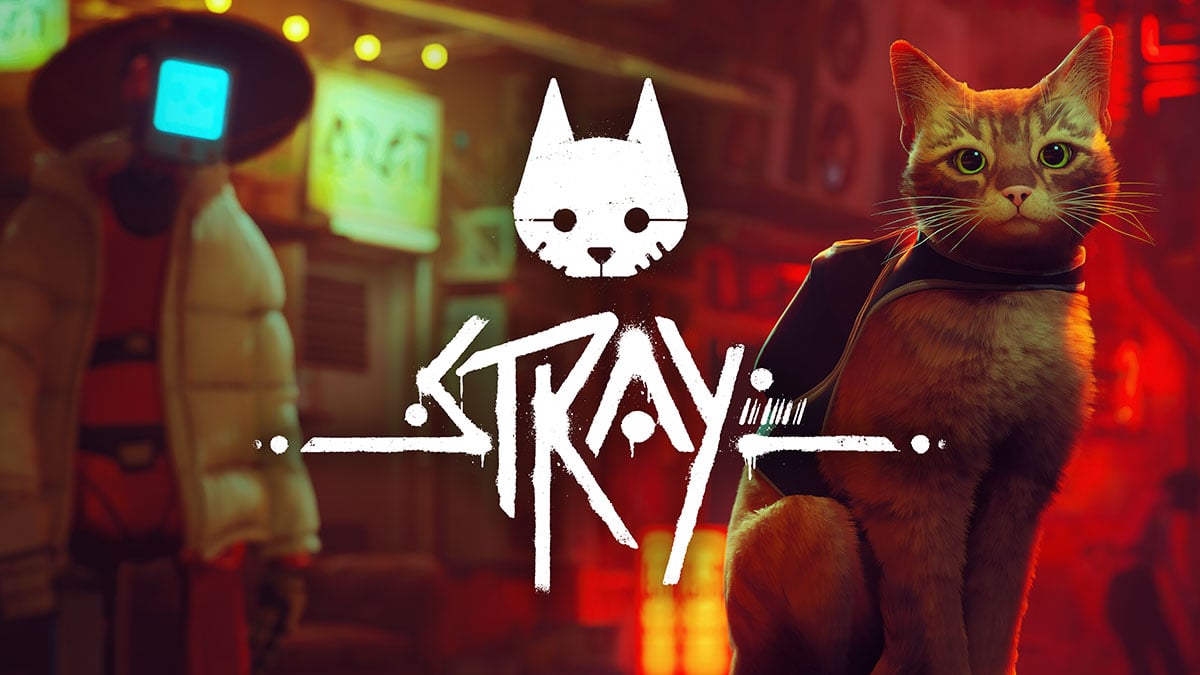
Stray is heading to Nintendo Switch 2 on May 28, 2026, giving players another chance to wander through its neon-lit cybercity as one of gaming’s most memorable feline heroes. Annapurna Interactive’s beloved cat adventure from BlueTwelve Studio already found a home on several platforms, including the original Nintendo Switch, but the Switch 2 version brings several meaningful improvements. The new release is set to feature upgraded visuals, 4K resolution, an improved frame rate, and mouse control support, giving the atmospheric adventure a sharper and smoother feel on Nintendo’s newer hardware. That matters because Stray is a game built around mood, movement, and tiny details. Every flickering sign, narrow pipe, rooftop leap, sleepy robot, and suspicious alleyway helps sell the fantasy of being a small cat inside a strange, forgotten city. The Switch 2 version also arrives at a useful moment for players who may have missed the original release or wanted a stronger portable-console version before jumping in. With its mix of puzzle-solving, stealth, exploration, environmental storytelling, and yes, occasional cat chaos, Stray remains a rare kind of adventure. It is quiet without being dull, emotional without being heavy-handed, and playful without losing its mystery. For Switch 2 owners, May 28 now has a very clear little paw print on the calendar.
Stray brings its cat adventure to Nintendo Switch 2 on May 28
Stray is officially set to arrive on Nintendo Switch 2 on May 28, 2026, bringing BlueTwelve Studio’s celebrated cat adventure to Nintendo’s newer system with a stronger technical package. Annapurna Interactive’s release gives players the chance to explore a moody cybercity through the eyes of a stray cat, complete with upgraded visuals, 4K resolution, an improved frame rate, and mouse control support. That is a tidy list of upgrades, but the real appeal is still wonderfully simple: you are a cat in a strange world, and the world reacts to you in ways that feel curious, funny, tense, and sometimes surprisingly emotional. Stray has always stood apart because it does not treat its feline lead as a gimmick. The movement, the scale of the environment, the playful interactions, and the way puzzles unfold all lean into that perspective. On Switch 2, the experience should feel more polished while keeping the same quiet charm that made players fall for it in the first place.

Why the Switch 2 version of Stray feels like a natural fit
Stray makes sense on Nintendo Switch 2 because its strongest qualities fit the way many Nintendo players enjoy games. It is not a giant open-world adventure that demands hundreds of hours, nor is it a twitchy competitive experience that asks you to master complicated systems. Instead, it is focused, atmospheric, readable, and full of small moments that reward curiosity. That makes it easy to imagine playing in handheld mode while curled up on the couch, then switching to a bigger screen to take in the city’s glowing rooftops and rusty alleyways. The game’s pacing also suits shorter sessions, since exploration, puzzle-solving, and story beats arrive in memorable chunks. You can spend time poking around, knocking things over, meeting droids, and squeezing into places no human hero could ever reach. In other words, Stray feels like a snug fit for a system that blends portability with stronger performance. It is the kind of game that can feel intimate on a small screen and cinematic on a television.
Upgraded visuals give the cybercity more room to breathe
The visual upgrade matters because Stray is a game of texture, atmosphere, and contrast. Its city is not just a backdrop. It is a damp maze of glowing signs, metal walkways, forgotten rooms, cables, vents, laundry lines, and dim corners where danger can creep in without warning. Stronger visuals can help that world feel denser and more alive, especially when the lighting and environmental detail are doing so much of the storytelling. Stray often communicates through spaces rather than speeches. A messy apartment, a quiet rooftop, or a robot-filled village can tell you what happened long before a character spells it out. On Switch 2, improved image quality should help those details land with more clarity. That is especially important for a game where the main character is low to the ground, often looking up at a world that feels huge, old, and slightly broken. When the city looks better, the cat’s journey feels bigger too.
4K resolution and improved frame rate change the feel of exploration
Stray’s Switch 2 version is set to include 4K resolution and an improved frame rate, and those upgrades can make a noticeable difference in how exploration feels. The game asks players to jump across signs, slip through tight spaces, sprint away from threats, and scan environments for clues. A smoother frame rate can make those actions feel more responsive and comfortable, especially during moments that shift from calm wandering to sudden danger. 4K support also gives the game’s visual identity a sharper edge, particularly when played on a compatible display. This is not just about making everything prettier for the sake of it. Better clarity can make the world easier to read, from distant ledges to small interactive objects tucked into busy rooms. Stray is full of little visual cues, and stronger presentation helps those cues feel natural rather than hidden. It is a bit like cleaning a window before looking out over a rainy city. The mood stays the same, but everything comes through with more definition.
Mouse controls could make small interactions feel more precise
Mouse control support is one of the more interesting additions for the Nintendo Switch 2 version because Stray is filled with small, deliberate interactions. Players look around carefully, line up jumps, investigate objects, and move through environments that often reward precision. While Stray is not suddenly becoming a different kind of game because of mouse controls, the option could make camera movement and certain interactions feel more direct for players who enjoy that style. Switch 2’s broader mouse mode support has already become one of the system’s more distinctive features, and Stray is a good candidate for it because the game balances exploration with close environmental observation. You are not simply rushing through levels. You are reading the room, sniffing out paths, watching droids, and choosing when to be stealthy or silly. Mouse controls could make that careful searching feel a little more tactile, like batting at a loose cable until the world finally responds. Very catlike, really.
Optional control choices can help players settle into the city
The best control options are the ones that let players stop thinking about the controller and start thinking about the world. Stray benefits from that because its atmosphere works best when the player feels present in the city rather than detached from it. Mouse control support could be useful for those who prefer quicker camera adjustments or more exact movement while scanning rooms and rooftops. Traditional controls will still matter for players who want a familiar console feel, but having another option gives the Switch 2 version a little more flexibility. That flexibility is especially welcome in a game that constantly shifts tone. One minute you are peacefully padding through a settlement, and the next you are dodging nasty little threats that would absolutely ruin a cat’s day. Better control comfort means less friction during those shifts. When movement feels right, the fantasy of being a quick, curious, occasionally annoying cat becomes much easier to enjoy.
Playing as a cat still gives Stray its strongest identity
The biggest reason Stray continues to stand out is not just that it stars a cat. Plenty of games have unusual protagonists, but Stray understands what makes its lead special. The cat is small, agile, quiet, stubborn, and wonderfully nosy. That changes how players think about space. A gap under a gate becomes a doorway. A high shelf becomes a route. A dangling cable becomes a toy, a tool, or both. The city is not built for the cat, but that is exactly why exploring it feels satisfying. You are always slipping through the cracks of a larger world, turning obstacles into opportunities. The game also lets the cat be funny without turning the whole experience into a joke. You can scratch furniture, curl up for a nap, knock objects around, and generally behave like a fuzzy little menace, but the story still carries weight. That balance is hard to pull off. Stray manages it by treating the cat’s behavior as natural rather than forced.
The world of Stray mixes charm, danger, and melancholy
Stray’s world is memorable because it feels both inviting and hostile. The cybercity glows with color, yet it also feels trapped, damp, and lonely. Its droid inhabitants have routines, personalities, and quirks that give the place warmth, but danger is never far away. That contrast creates a mood that sticks. You might wander through a settlement and feel oddly comfortable among its robotic residents, only to step into a darker area where the atmosphere tightens like a collar. The game uses that push and pull well. It gives players enough charm to keep exploring, then uses danger to remind them that this world is not safe. As a cat, you are brave, but you are also vulnerable. That vulnerability makes the environment feel more intense. A threat that might seem small to a human character can feel enormous when you are only a few inches off the ground. Stray turns scale into emotion, and that is one of its smartest tricks.
B-12 remains the heart beside the paws
B-12, the small drone companion who joins the cat, gives Stray an emotional and practical center. The cat may be the face of the adventure, but B-12 helps open the world in ways paws alone cannot. The drone can interact with technology, translate communication, and help players understand more about the city’s past. More importantly, B-12 gives the journey a sense of companionship. Stray begins with separation and loneliness, so finding a partner changes the emotional rhythm. The bond is unusual because the cat and drone do not communicate like typical game heroes. Their connection is built through action, trust, and shared movement through a place that neither fully controls. That makes their partnership feel delicate and sincere. B-12 also helps balance the game’s quieter storytelling with clearer direction, giving players a reason to care about the mysteries buried inside the city. Without B-12, Stray would still be charming. With B-12, it becomes much more touching.
Why Stray works well for returning players and newcomers
The Nintendo Switch 2 release is well positioned for both players who already know Stray and those who have only heard about it through screenshots, cat videos, or enthusiastic friends saying, “No, really, you play as a cat.” Returning players may be interested in the sharper visuals, improved frame rate, 4K resolution, and mouse controls, especially if they want a smoother version for Nintendo hardware. Newcomers, meanwhile, get a polished entry point into one of the more distinctive adventure games of recent years. Stray is easy to understand from the outside, but it has enough atmosphere and emotional texture to feel richer once you are inside it. That makes it approachable without being shallow. It does not bury players under complex menus or endless tutorials. It trusts curiosity. See a ledge? Try it. See a bucket? Maybe ride it. See a couch? Scratch it, because the cat code demands it. That simplicity gives the game a lovely sense of momentum.
Annapurna Interactive’s Switch 2 support is growing quickly
Stray is also part of a broader push from Annapurna Interactive on Nintendo Switch 2. The publisher has been lining up several releases for the system, which gives the Stray launch a little more context. Rather than feeling like a one-off port, it sits within a wider effort to bring stylish, story-driven, and distinctive games to Nintendo’s newer platform. That is good news for players who enjoy games with strong personality and a more focused creative identity. Annapurna’s catalog often leans into atmosphere, emotional storytelling, unusual premises, and memorable presentation, all of which can add welcome variety to a console library. Stray may be the most instantly recognizable of the bunch because of its feline protagonist, but it also represents the type of experience that can help Switch 2 feel broader than blockbuster releases alone. A healthy library needs different flavors. Stray is the neon-lit, whisker-twitching flavor that knocks your cup off the table and somehow makes you grateful for it.
What players should know before jumping in
Players coming to Stray for the first time should know that it is an adventure built around exploration, atmosphere, light puzzle-solving, stealth, and story progression. It is not a life simulator where you freely live endless cat days, and it is not an action game packed with constant combat. Its pleasures are more focused. You move through crafted environments, solve environmental problems, avoid threats, and slowly uncover what happened to the city around you. The cat perspective gives familiar game ideas a fresh shape. Instead of opening doors like a regular hero, you squeeze through windows, leap across rooftops, and rely on B-12 to handle the technology. The experience is playful, but it also has teeth. Some areas are tense, and the world has a sad beauty that lingers after the jokes fade. Anyone expecting nothing but cute cat antics may be surprised by how moody it gets. Anyone expecting only gloom may be surprised by how often it makes them smile.
The gameplay loop rewards curiosity more than speed
Stray is at its best when players slow down and look around. The game’s environments are layered with small paths, interactive details, and quiet bits of storytelling. Rushing through would be like sprinting through a museum with your eyes closed, except the museum is full of robots and the security guard is probably a mutant creature with poor manners. Exploration often rewards patience, whether that means finding a path across rooftops, spotting an object needed for a puzzle, or simply enjoying a small animation that makes the cat feel alive. The Switch 2 upgrades should support that style nicely by making the world clearer and smoother. Better performance does not mean players need to race. It means the act of moving, searching, and reacting should feel cleaner. That matters because Stray’s rhythm is built around noticing things. A good cat always notices things. Usually things it should not touch, which is half the fun.
Small environmental moments help the adventure feel personal
One of Stray’s quiet strengths is how personal the journey can feel despite its structured design. Players are moving through the same broad story, yet the little moments often feel self-directed. Maybe you stop to nap in a cozy spot because the animation is too cute to skip. Maybe you knock something down just because it is there and gravity deserves a little drama. Maybe you pause in a safe area because the music, lighting, and city noise create a mood worth sitting with. These moments are not always central to progression, but they are central to memory. They help Stray feel less like a checklist and more like a place you briefly inhabited. On Switch 2, stronger presentation could make those quiet pauses even more effective. A sharper city, smoother movement, and more flexible controls all support the same goal: making the player feel like a small creature moving through a very large mystery.
Why Stray could stand out in the Switch 2 library
Stray could stand out on Nintendo Switch 2 because it offers something instantly understandable but emotionally unusual. Many games promise big worlds, huge systems, or endless progression. Stray promises a cat, a drone, a city, and a mystery. That sounds smaller, but it cuts through the noise because the identity is so clear. It is also the kind of game that people talk about in simple, enthusiastic terms. You do not need a complicated pitch. You can say, “You play as a cat in a cybercity,” and most people immediately get why that might be special. The Switch 2 upgrades give that pitch more strength by addressing presentation and control, which are important for a game built around atmosphere and movement. It may not be the largest release on the system, but it has a distinct silhouette. In a busy library, that matters. Stray does not need to roar. It can simply hop onto the shelf, stare at you, and somehow become the center of attention.
Conclusion
Stray’s Nintendo Switch 2 release on May 28, 2026 gives one of the most memorable adventure games of recent years a stronger home on Nintendo hardware. With upgraded visuals, 4K resolution, an improved frame rate, and mouse control support, this version should make the cybercity feel sharper, smoother, and more responsive while preserving the quiet personality that made the game so beloved. The heart of Stray remains the same: a lost cat, a mysterious city, a helpful drone, and a journey filled with danger, curiosity, humor, and unexpected emotion. For newcomers, this is a clean chance to discover why the game connected with so many players. For returning fans, the Switch 2 version offers a polished reason to step back into those glowing alleys and rooftops. Stray has always understood the power of small things in a big world, and on Switch 2, that little pawed adventure looks ready to leave a fresh set of prints.
FAQs
- When does Stray release on Nintendo Switch 2?
- Stray is scheduled to release on Nintendo Switch 2 on May 28, 2026.
- What improvements does the Switch 2 version of Stray include?
- The Switch 2 version includes upgraded visuals, 4K resolution, an improved frame rate, and mouse control support.
- Who developed and published Stray?
- Stray was developed by BlueTwelve Studio and published by Annapurna Interactive.
- What kind of game is Stray?
- Stray is a third-person cat adventure game focused on exploration, puzzle-solving, stealth, atmosphere, and uncovering the mystery of a forgotten cybercity.
- Does Stray include a companion character?
- Yes. The cat is joined by B-12, a small drone companion who helps interact with technology and uncover more about the world.
Sources
- Stray, To a T, Wanderstop announced for Nintendo Switch 2, Nintendo Everything, April 22, 2026
- Stray coming to Nintendo Switch 2 in May, My Nintendo News, April 23, 2026
- Stray Switch 2 Release Set For May 28 With Free Upgrade And Visual Enhancements, Noisy Pixel, April 23, 2026
- Annapurna Interactive Confirms Support For The Switch 2, Console Creatures, April 24, 2026
- Nintendo Switch 2: All Mouse Mode Compatible Games, Nintendo Life, January 12, 2026