














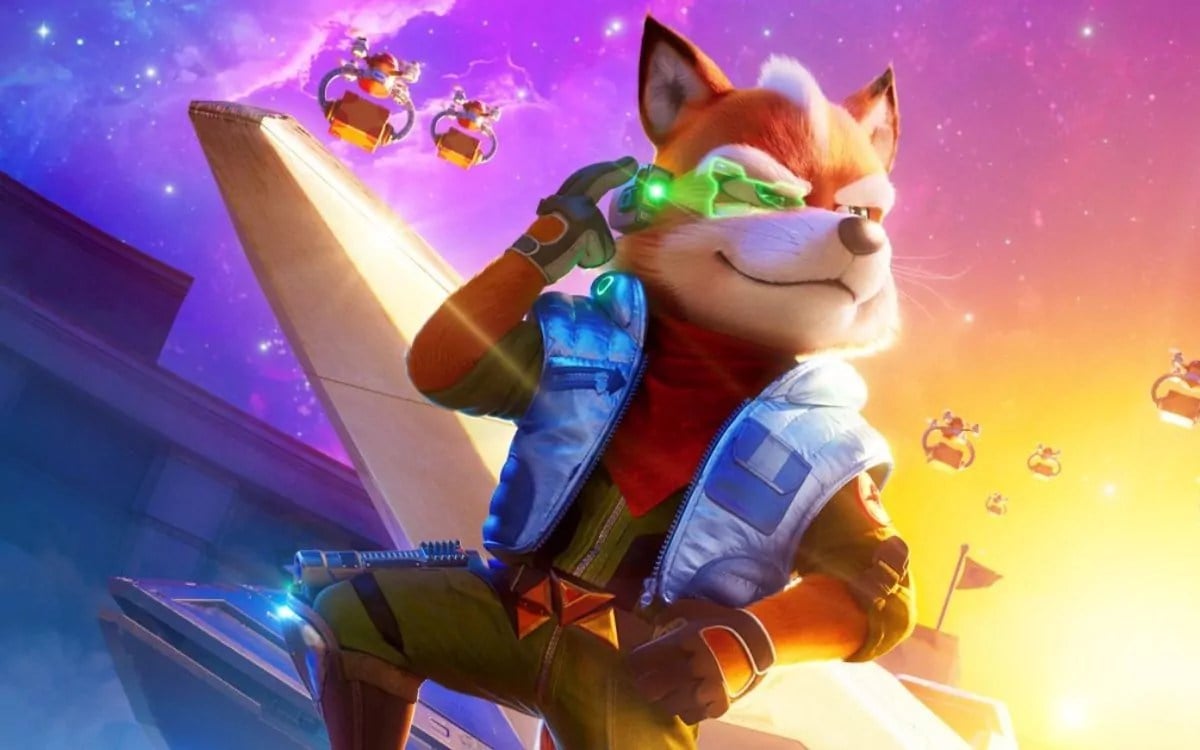
Summary:
Takaya Imamura, the former Nintendo artist closely associated with the original Star Fox crew, has added an interesting wrinkle to the ongoing conversation around Fox McCloud’s latest designs. After Fox appeared in The Super Mario Galaxy Movie and Nintendo revealed a new Star Fox game for Nintendo Switch 2, fans quickly began comparing the two versions of the iconic pilot. Imamura has now shared that he personally prefers the movie version of Fox McCloud. That sounds like a sharp judgment at first, but his full comment is more balanced than that. He also said the new game design is good because it has a clear and well-defined direction, which gives the reaction a much warmer tone than a simple one-side-versus-the-other debate. This matters because Imamura’s connection to Star Fox runs deep. When the person tied to the original look of Fox, Falco, Peppy, and Slippy comments on a redesign, fans listen. The moment also says a lot about where Star Fox stands right now. Fox McCloud is not just returning through a new game, he is also reaching a broader audience through Nintendo’s growing movie presence. That makes every visual choice feel bigger, louder, and far more personal for longtime players.
Takaya Imamura’s Fox McCloud preference adds new heat to the Star Fox conversation
Fox McCloud has always been one of Nintendo’s most instantly recognizable heroes, even when Star Fox itself has spent long stretches waiting in the hangar. So when Takaya Imamura shared that he personally prefers The Super Mario Galaxy Movie version of Fox McCloud over the new Star Fox Switch 2 design, it naturally caught fans’ attention. The key detail, though, is that Imamura did not frame the game design as a failure. He said the movie version is his personal preference, while also praising the new game version for having a clear and well-defined direction. That distinction matters. It turns the conversation away from a simple winner-and-loser argument and into something more thoughtful. What should Fox look like in 2026? Should he stay softer, expressive, and instantly approachable, or should he move toward a sharper, more detailed visual identity for a modern game? That is the fun little asteroid field Nintendo fans are flying through right now.
Why Imamura’s opinion carries real weight with longtime Nintendo fans
Imamura’s comments are not just another opinion floating through social media like a stray Arwing laser. He is strongly linked to the visual identity of Star Fox, which gives his reaction a different kind of importance. Fans tend to care when a creator or original artist talks about how a beloved character has changed, because those early design choices often become the emotional blueprint for an entire series. Fox McCloud is more than orange fur, a headset, and a confident smirk. He represents a specific Nintendo flavor: heroic, slightly theatrical, and just cartoony enough to feel larger than life without losing personality. When Imamura says he prefers the movie design but still sees merit in the new game look, it feels like a measured response from someone who understands both character legacy and creative reinvention. That kind of balance is refreshing, especially in a fan space where visual redesigns can turn into heated cockpit chatter within seconds.
The movie version of Fox McCloud leans into charm and familiarity
The Super Mario Galaxy Movie version of Fox McCloud appears to have landed well because it keeps the character close to the broad Nintendo language many fans already know. It has a softer screen presence, a more animated quality, and the kind of expressive appeal that works well in a movie setting. That makes sense. A film design has to communicate personality quickly, especially when a character appears in a larger cinematic world with many other familiar faces. Fox needs to look heroic, readable, and immediately recognizable, even to viewers who have never barrel rolled through Corneria. The movie version seems built for that job. It brings a slightly polished, family-friendly energy while still keeping the Star Fox spirit intact. That is likely why Imamura’s preference resonates with so many players. The movie design feels like Fox McCloud walked out of memory, brushed off his jacket, and stepped onto the screen with just enough modern polish to avoid feeling frozen in time.
The new Star Fox Switch 2 design takes a sharper visual direction
The new Star Fox design for Nintendo Switch 2 appears to be aiming for something different. Instead of simply reproducing the familiar cartoon-like version of Fox McCloud, the game’s visual style leans into a more detailed and modernized look. That choice is always risky with a character like Fox. Make him too familiar, and some fans might say Nintendo is playing it safe. Push him too far, and suddenly everyone becomes a full-time snout analyst. Still, Imamura’s praise for the game version having a clear direction is worth paying attention to. Even when a redesign divides players, a focused creative direction can give it purpose. The new look may be trying to match the higher visual fidelity of Nintendo Switch 2, the cinematic framing of the updated game, and the larger sense of scale around Star Fox’s return. Whether every fan loves the end result is another question, but it does not seem random or careless.
Why a clear design direction matters for a returning franchise
For a returning franchise, visual direction is not just decoration. It tells players what kind of comeback they are being invited into. Star Fox has a complicated history, with beloved classics, divisive experiments, and long gaps between major releases. That means a new entry has to do more than say, “Fox is back.” It has to show why this return feels purposeful. A strong design direction can help do that. It gives the game an identity before anyone even picks up a controller. Imamura’s comment suggests that, even if the movie version is closer to his personal taste, he recognizes that the Switch 2 design has intent behind it. That is important because fans can usually sense when a redesign is chasing trends without understanding the character. Here, the response from Imamura points toward a look that may be different, maybe even controversial, but still guided by a clear creative idea.
How Fox McCloud’s redesign reflects Nintendo’s wider presentation shift
Fox McCloud’s new look also fits into a bigger pattern: Nintendo is increasingly presenting its characters across games, movies, and broader entertainment spaces. That creates a strange but exciting challenge. A character might need to work as a game model, a cinematic cameo, a marketing image, and a nostalgic icon all at once. No pressure, right? In that context, it is easy to understand why the movie and game designs would not be identical. The movie version needs warmth, immediate expression, and broad visual friendliness. The game version has to sit inside a playable world with vehicles, combat sequences, camera movement, effects, and possibly more intense action presentation. The same character can wear slightly different visual armor depending on the battlefield. That does not mean one design must erase the other. It may simply mean Fox McCloud is being shaped for multiple stages at once, from cinema screens to Nintendo Switch 2 displays.
Why fans are comparing every whisker, jacket, and expression
Star Fox fans are not comparing these designs so closely because they enjoy arguing over fur texture for sport, although, let’s be honest, some probably do. They care because Fox McCloud carries decades of memory. His face, posture, jacket, headset, and expression all connect to specific moments: Star Fox 64 voice lines, tense boss fights, rival encounters with Star Wolf, and that timeless command to do a barrel roll. Small visual changes can therefore feel huge. A slightly different facial shape or a more realistic texture can make the character feel older, stranger, cooler, or less familiar depending on who is looking. That is why Imamura’s balanced reaction is useful. It gives fans room to prefer one version without pretending the other has no value. The movie design may feel more inviting, while the game design may feel more aligned with a modern action-focused return.
The Super Mario Galaxy Movie gave Fox McCloud a powerful spotlight
Fox McCloud’s appearance in The Super Mario Galaxy Movie gave the Star Fox franchise a bright cultural moment before the new game even arrives. That kind of timing is hard to ignore. For years, Star Fox has been one of those Nintendo series that fans constantly ask to see revived, usually with equal parts hope and impatience. Then Fox appears in a major animated movie, gets people talking, and suddenly the character feels present again. The movie design played an important role in that renewed attention because it made Fox feel approachable to viewers outside the core Star Fox audience. That is no small thing. A successful cameo can work like a flare in the night sky, reminding everyone that a character still has energy, charm, and room to grow. For Nintendo, that kind of cross-media visibility can help make Star Fox feel less like a dormant classic and more like a franchise ready for another flight path.
The Star Fox Switch 2 reveal turns nostalgia into fresh debate
The new Star Fox game for Nintendo Switch 2 has added fuel to that renewed interest by giving fans something concrete to discuss beyond a movie cameo. The game is positioned as a return to the familiar Star Fox 64 foundation, but with a full visual overhaul, updated presentation, and new features that speak to a modern platform. That combination is almost guaranteed to spark debate. Nostalgia wants one thing, modern hardware asks for another, and fans sit in the middle trying to decide whether the new look feels like a respectful upgrade or a strange detour. The redesigned crew has become one of the loudest parts of that conversation because characters are often the emotional entry point into a franchise. Stages, vehicles, and modes matter, but faces matter faster. You see Fox McCloud and know immediately whether the design clicks for you. That instant reaction is powerful, even when it changes after a few more looks.
What Imamura’s comments suggest about respecting old and new Star Fox
Imamura’s reaction works because it leaves space for both attachment and experimentation. He can prefer the movie version and still acknowledge the strength of the new game design. That is a healthier way to talk about redesigns, especially for a series with as much history as Star Fox. Fans do not have to treat every change as betrayal, and they also do not have to accept every new look without question. The most interesting part of this moment is not that Imamura picked one version over the other. It is that he recognized intent in the version he did not personally prefer. That is a subtle but meaningful difference. Star Fox is returning at a time when Nintendo characters have to function across different forms of entertainment, and Fox McCloud is now part of that larger shift. Whether players favor the movie’s charm or the game’s sharper approach, the discussion proves one thing clearly: people still care deeply about this space-faring fox and his crew.
Conclusion
Takaya Imamura’s preference for The Super Mario Galaxy Movie version of Fox McCloud adds an interesting human touch to the current Star Fox conversation. His comments do not dismiss the new Star Fox Switch 2 design. Instead, they draw a clear line between personal taste and professional appreciation. The movie version seems to offer the expressive, familiar charm many fans associate with Fox, while the Switch 2 version appears to pursue a more modern and defined identity for the character’s return to games. That contrast is exactly why the debate has caught fire. Fox McCloud is not just another redesigned mascot. He is a character tied to nostalgia, Nintendo history, and a franchise many players have wanted to see return with real confidence. Whether the movie look or the game look wins over more fans in the long run, Imamura’s balanced response gives the discussion a calmer center. Star Fox is back in the conversation, and that alone feels like a victory lap around Corneria.
FAQs
- What did Takaya Imamura say about Fox McCloud’s new design?
- Takaya Imamura said he personally prefers the movie version of Fox McCloud, but he also praised the new Star Fox Switch 2 design for having a clear and well-defined direction.
- Does Takaya Imamura dislike the new Star Fox Switch 2 design?
- No. His comment was more balanced than that. He expressed a personal preference for the movie design while still saying the game version is good in its own way.
- Why does Imamura’s opinion matter to Star Fox fans?
- Imamura is closely connected to the original visual identity of Star Fox, so fans naturally pay attention when he shares thoughts on Fox McCloud and the crew’s updated designs.
- Why are fans comparing the movie and game versions of Fox McCloud?
- Fox McCloud has recently appeared in two very different forms: a movie version with a more expressive feel and a Switch 2 game version with a more modernized direction. That contrast has made the redesign debate especially lively.
- When is the new Star Fox game coming to Nintendo Switch 2?
- Nintendo lists Star Fox for Nintendo Switch 2 with a release date of June 25, 2026.
Sources
- Star Fox’s original artist prefers movie Fox McCloud design to the new one, My Nintendo News, May 7, 2026
- Random: “Personally, I Prefer The Movie Version” – Star Fox Designer Weighs In On New Look, Nintendo Life, May 7, 2026
- Star Fox™ – Nintendo Switch 2 Exclusive, Nintendo Official Site, May 6, 2026
- Nintendo announces a new Star Fox for the Switch 2, The Verge, May 6, 2026
- Star Fox 64 remake revealed for Switch 2 in surprise Nintendo Direct, GamesRadar+, May 6, 2026