














Summary:
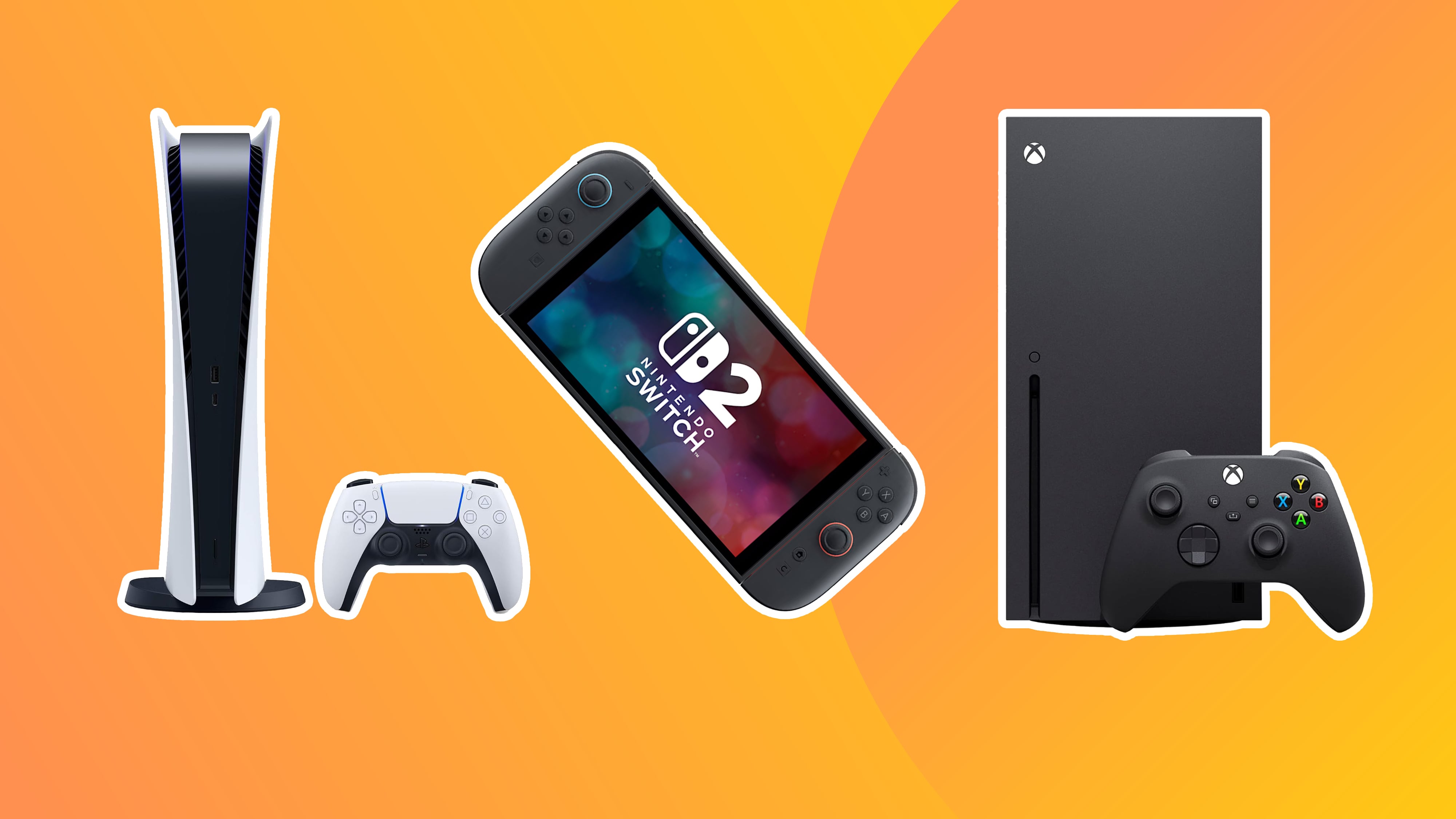
Take-Two CEO Strauss Zelnick has recently made it clearer how the company currently views Nintendo Switch 2 within its wider console strategy. Speaking with Game File, Zelnick said Take-Two wants to be where consumers are and noted that the company has supported Switch 2. Even so, he also said that the company’s primary console platforms remain Sony and Microsoft, which places PlayStation 5 and Xbox Series X|S at the center of Take-Two’s biggest console plans. For Nintendo fans, that comment lands with a little sting, especially because Take-Two owns and publishes some of the biggest names in modern gaming, including Grand Theft Auto, NBA 2K, BioShock, Civilization, WWE 2K, and Borderlands. The biggest immediate question is Borderlands 4, which had been expected on Nintendo Switch 2 before its version was paused. Zelnick did not frame the Switch 2 version as impossible. Instead, he said the company wants to fully address the game from a consumer point of view before bringing it to more platforms. That leaves the door open, but it also makes the waiting game harder. Switch 2 owners are not hearing a clean cancellation, yet they are also not getting a firm release date. For now, Take-Two’s message is simple: Switch 2 is supported, but it is not leading the company’s AAA console strategy.
Take-Two’s Switch 2 comments put Nintendo fans in a familiar waiting game
Take-Two’s latest comments about Nintendo Switch 2 have landed in that awkward space between reassurance and frustration. On one hand, Strauss Zelnick made it clear that the company has supported Switch 2 and still sees value in reaching players on Nintendo hardware. On the other hand, his wording also made it plain that Take-Two’s biggest console focus remains with Sony and Microsoft. For Nintendo fans, that sounds familiar. Third-party support has often arrived on Nintendo systems with a few extra questions attached: will the port happen, will it arrive late, will it include the same features, and will it run well enough to justify the wait? Switch 2 was supposed to make that conversation easier, especially with stronger hardware and a more attractive pitch for major publishers. Yet Take-Two’s stance shows that raw hardware power is only part of the puzzle. Business priorities, technical polish, audience expectations, and release timing still matter. The result is a situation where Switch 2 owners can be hopeful, but not careless with their expectations.
Strauss Zelnick says Sony and Microsoft remain Take-Two’s main console focus
Zelnick’s most important comment was not buried under mystery or corporate fog. He said Take-Two wants to be wherever the consumer is, while also stating that the company’s primary console platforms remain Sony and Microsoft. That tells us a lot in a very small amount of space. Take-Two is not saying Nintendo Switch 2 has no value, and it is not pretending the system does not exist. Instead, the company is drawing a clear line between support and priority. PlayStation 5 and Xbox Series X|S remain the main console targets for many of Take-Two’s largest releases, especially the kind of big-budget games that arrive with huge technical demands and equally huge commercial expectations. That includes franchises where performance, scale, online features, and visual presentation are central to the selling point. In plain language, Take-Two seems willing to bring games to Switch 2 where the plan makes sense, but Nintendo’s platform is not currently being treated as the default starting point for its biggest console launches.
Why Switch 2 support still matters even when it is not the top priority
It would be easy to read Zelnick’s comments as a cold shoulder, but that would flatten the situation too much. Support and priority are different things, and that difference matters. A publisher can see value in Switch 2 while still building its largest projects first around PlayStation and Xbox. That may not be the answer Nintendo fans want, but it reflects how many major publishers think about risk. Switch 2 gives Take-Two access to a large and enthusiastic player base, especially if Nintendo’s hardware momentum continues. At the same time, not every AAA project is easy to move across platforms without trade-offs. If a game has already struggled with performance, scope, or stability elsewhere, the publisher may decide that adding another version before solving those problems would be like stacking plates on a wobbly table. Could it work? Maybe. Would it be wise? Not always. That is where Borderlands 4 becomes the key example.
Borderlands 4 remains possible on Switch 2, but timing is the real issue
Borderlands 4 is the game sitting right in the middle of this discussion, and it is the reason Zelnick’s comments matter so much to Nintendo players. The Switch 2 version has been paused, but Zelnick has not described it as impossible. In fact, the wording around the port suggests that the technical side is not the only barrier. The bigger concern appears to be whether Gearbox and Take-Two can get Borderlands 4 into the right shape from a player experience standpoint before adding another platform to the workload. That is not exactly exciting news if you have been waiting to play it on Switch 2, but it is more useful than a vague promise. It suggests that the publisher does not want to create a second wave of problems by launching another version too soon. Borderlands fans know the series is at its best when the shooting, loot, co-op chaos, and progression loop all click together. If those pieces are not steady enough yet, a rushed Switch 2 release could do more harm than good.
The consumer experience is now the key phrase around Borderlands 4
Zelnick’s wording around the “consumer’s point of view” is doing a lot of heavy lifting here. It suggests Take-Two is thinking less about whether Borderlands 4 can simply exist on Switch 2 and more about whether it can arrive in a condition players would accept. That is a meaningful distinction. A game can boot, run, and technically qualify as playable while still feeling rough around the edges. For a series like Borderlands, those rough edges can become especially noticeable because the whole experience is built around speed, action, loot drops, enemy density, and co-op mayhem. If the frame rate buckles, loading drags, or visual clarity gets too muddy, the fun starts leaking out like air from a sad little party balloon. Nobody wants that. Take-Two’s current position seems to be that Borderlands 4 needs more attention where it already exists before the company adds Switch 2 players to the mix. That may be disappointing, but it is also easier to respect than a launch that arrives before it is ready.
What this says about AAA development on hybrid hardware
The Borderlands 4 situation also says something bigger about modern AAA development on hybrid systems. Switch 2 may be far more capable than the original Switch, but it still exists in a different design category from a traditional home console. Developers have to think about performance targets, memory, portability, power draw, visual compromises, and how a game feels across different play styles. That does not make AAA games impossible on Switch 2. It does mean each project needs smart planning. A well-designed version can feel tailored and satisfying, while a careless version can feel like someone tried to squeeze a sofa through a letterbox. Take-Two’s comments hint at that careful calculation. The company is not saying Switch 2 cannot handle ambitious games. It is saying its own platform priorities are shaped by where it believes each release can succeed most reliably. That may frustrate Nintendo fans, but it is also the reality of expensive, high-risk game production.
Why “doable” does not always mean “imminent”
The word “doable” can sound encouraging at first, but it should not be mistaken for a release window. In game development, doable often means the path exists, not that the team is already sprinting down it with confetti cannons ready at the finish line. A Switch 2 version of Borderlands 4 may be technically achievable, but that still leaves many questions. How much optimization is needed? How many developers can be assigned to the version? Does it require separate feature adjustments? Will it meet Take-Two’s internal standards? Will it arrive at a time when players still care enough to buy it? Those questions matter because late ports live and die by timing. If a game arrives too late, the conversation may have moved on. If it arrives too rough, the wait feels wasted. Take-Two’s challenge is not just to make Borderlands 4 run on Switch 2. It has to make the release feel worthwhile.
Take-Two’s wider catalogue creates a mixed picture for Switch 2 owners
Take-Two’s relationship with Switch 2 is not defined by one missing Borderlands release alone. The company has already shown some support for Nintendo’s newer hardware through parts of its broader catalogue, which makes the situation more nuanced than a simple yes-or-no verdict. Sports games, strategy releases, and selected 2K titles may fit Switch 2 more naturally than the publisher’s largest open-world or technically demanding projects. That matters because Take-Two is not one single creative machine. It operates through different labels, different franchises, and different development teams. NBA 2K does not have the same technical profile as Civilization. Borderlands does not carry the same platform expectations as Grand Theft Auto. WWE 2K has its own audience and cadence. This means Switch 2 players may see continued Take-Two support, just not necessarily in the form of every major release arriving day and date with PlayStation and Xbox. It is a mixed picture, and mixed pictures are often the most frustrating because there is enough good news to keep hope alive.
Why Nintendo fans should separate caution from cancellation
There is a big difference between a paused project and a cancelled one, even if both can feel terrible from the outside. Nintendo fans have every reason to be skeptical when a promised or expected version disappears from the calendar, because history has taught players to watch wording carefully. Still, Zelnick’s recent comments leave room for Borderlands 4 to return to the Switch 2 conversation. The important thing is to avoid turning uncertainty into certainty too quickly. A delayed or paused version can come back if the technical work improves, resources become available, and the business case still makes sense. That does not mean fans should act like a release is guaranteed. It means the situation remains open. Think of it like a door that is not locked, but also not exactly being held open with a welcome mat and a tray of snacks. Take-Two has given Switch 2 players a maybe, and for now, that maybe is the most honest reading.
The business logic behind choosing platforms carefully
Take-Two’s platform strategy is not just about technical preference. It is also about money, timing, audience behavior, and risk control. Big games cost a huge amount to build, market, maintain, and update. When a publisher decides where to launch first, it is trying to place its biggest bets where the return is most predictable. PlayStation and Xbox remain central platforms for many AAA console releases because they offer familiar development targets and an established audience for high-budget games. Switch 2 may grow into a stronger part of that equation, but publishers often wait for proof before changing their habits. That proof can come from hardware sales, software attach rates, performance results, and the success of earlier third-party releases. Nintendo fans may not love being asked to wait while the business case matures, but that is often how large publishers behave. They follow confidence. When confidence rises, support usually becomes louder, faster, and more ambitious.
What Take-Two needs to prove next on Switch 2
Take-Two’s next step is not complicated to describe, even if it may be difficult to execute. The company needs to show Switch 2 owners that its support can be reliable, not just occasional. That does not mean every franchise has to arrive on Nintendo hardware. It does mean announced games should be handled with clearer communication, better timing, and stronger follow-through. Borderlands 4 is important because it has become a symbol of that trust. If the Switch 2 version eventually arrives in polished form, the pause may look like a sensible delay that protected players from a messy release. If it quietly fades away, it will feed the idea that Nintendo versions are still treated as optional extras. Take-Two does not need to promise the moon. Nobody needs a moon if it launches at 20 frames per second anyway. What players need is clarity, consistency, and releases that feel properly built for the hardware they are sold on.
What Switch 2 players can reasonably expect from third-party publishers
Switch 2 players should expect better third-party support than the original Switch received in some areas, but they should also expect publishers to remain selective. That may sound like a boring middle ground, yet it is probably the most realistic one. The stronger hardware makes more projects possible, especially from publishers that previously struggled to bring modern releases to Nintendo’s platform. However, possibility is not the same as priority. Some games will arrive later. Some will need extra optimization. Some will skip the system entirely if the expected return does not justify the work. The good news is that Switch 2 gives publishers fewer excuses than before. The tougher news is that AAA development has also become more demanding, more expensive, and more cautious. Nintendo fans can push back with their wallets and voices, but publishers will still look closely at sales data. If major third-party games perform well on Switch 2, the argument for stronger support becomes much harder to ignore.
Why the Borderlands 4 situation still deserves close attention
Borderlands 4 deserves attention because it may become a useful test case for how Take-Two handles difficult Switch 2 projects. If the game eventually reaches Nintendo’s system with solid performance and a fair feature set, it could show that delayed AAA releases still have a healthy place on the platform. If it remains paused without meaningful updates, it could make players more cautious about future announcements from the publisher. Either outcome matters beyond one game. Borderlands is a known franchise with a loyal audience, and its chaotic co-op style could fit Switch 2 nicely if handled well. There is something naturally appealing about blasting through loot-filled planets on a hybrid system, especially when the formula works as intended. But charm alone does not optimize code, and fan demand does not automatically solve production problems. Take-Two has left itself room to bring Borderlands 4 to Switch 2. Now it needs to decide whether that room becomes a real release or just a very tidy waiting area.
Take-Two’s comments show Switch 2 is supported, but not leading the AAA plan
The clearest takeaway from Zelnick’s interview is that Switch 2 has a place in Take-Two’s strategy, but not the lead role. That is not the most thrilling message for Nintendo fans, especially those hoping Switch 2 would immediately erase the old gap between Nintendo hardware and the rest of the console market. Still, it is a useful dose of reality. Take-Two will likely continue evaluating Switch 2 title by title, looking at technical fit, audience size, and commercial upside. Some games will make sense. Others may remain tied to PlayStation, Xbox, and PC first. Borderlands 4 sits in the uncertain middle, technically possible but currently held back by the need to improve the existing player experience. That leaves fans watching and waiting, which is never the most comfortable place to be. But the door has not been slammed shut. For now, Switch 2 owners can hope for better news while keeping expectations grounded. That balance may not be flashy, but it is probably the smartest way to read Take-Two’s message.
Conclusion
Take-Two’s latest comments make one thing clear: Nintendo Switch 2 is part of the company’s platform picture, but it is not currently sitting beside PlayStation and Xbox as a primary console focus for major AAA releases. Strauss Zelnick’s remarks are direct enough to set expectations, while still leaving room for future support. Borderlands 4 remains the biggest question, and its Switch 2 version appears to depend on Take-Two and Gearbox first resolving broader player experience concerns. That is frustrating for fans who were hoping for a firmer update, but it is better than pretending a troubled release would help anyone. Switch 2 has the chance to become a stronger home for third-party games, yet publishers like Take-Two will still move carefully when budgets are high and technical demands are heavy. The next meaningful step is simple: clear communication, polished releases, and proof that Switch 2 players are not being treated as an afterthought.
FAQs
- Did Take-Two say Nintendo Switch 2 is not important?
- No. Strauss Zelnick said Take-Two has supported Switch 2 and wants to be where consumers are. However, he also said the company’s primary console platforms remain Sony and Microsoft, which means Switch 2 is supported but not currently treated as the main target for Take-Two’s biggest console releases.
- Is Borderlands 4 cancelled for Nintendo Switch 2?
- Take-Two has not presented the Switch 2 version as fully cancelled in Zelnick’s latest comments. The version has been paused, and Zelnick said the company wants to fully address Borderlands 4 from a consumer point of view before bringing it to more platforms.
- Why is Borderlands 4 taking longer on Switch 2?
- The main reason appears to be quality control. Take-Two wants to address existing challenges around Borderlands 4 before expanding to more platforms. For a fast, chaotic shooter with co-op play and busy combat, releasing too early could create a poor first impression on Switch 2.
- Will Take-Two still release games on Switch 2?
- Yes, Take-Two has shown support for Switch 2, but the company seems likely to choose releases carefully. Some franchises may fit Nintendo’s platform well, while other technically demanding AAA games may remain focused first on PlayStation, Xbox, and PC.
- What should Nintendo fans take from Zelnick’s comments?
- The safest takeaway is cautious optimism. Switch 2 is not being ignored, but Take-Two is also not treating it as a primary console platform for its biggest releases right now. Borderlands 4 may still happen, but players should wait for a firm update before assuming a release is guaranteed.
Sources
- BioShock, game prices, GTA, the disappearing NFL deal and more: An interview with Take Two CEO Strauss Zelnick, Game File, May 6, 2026
- Take-Two says Switch 2 isn’t its ‘primary’ platform, but Borderlands 4 port could still come out, VGC, May 6, 2026
- Borderlands 4 Switch 2 Port Could Still Happen, But It’s Not A Priority Right Now, Nintendo Life, May 7, 2026
- Take-Two says their primary console platforms remain Xbox and PlayStation, My Nintendo News, May 6, 2026
- Borderlands 4 Switch 2 port looks dead as Gearbox parent Take-Two “pauses development”, GamesRadar+, February 3, 2026