














Summary:
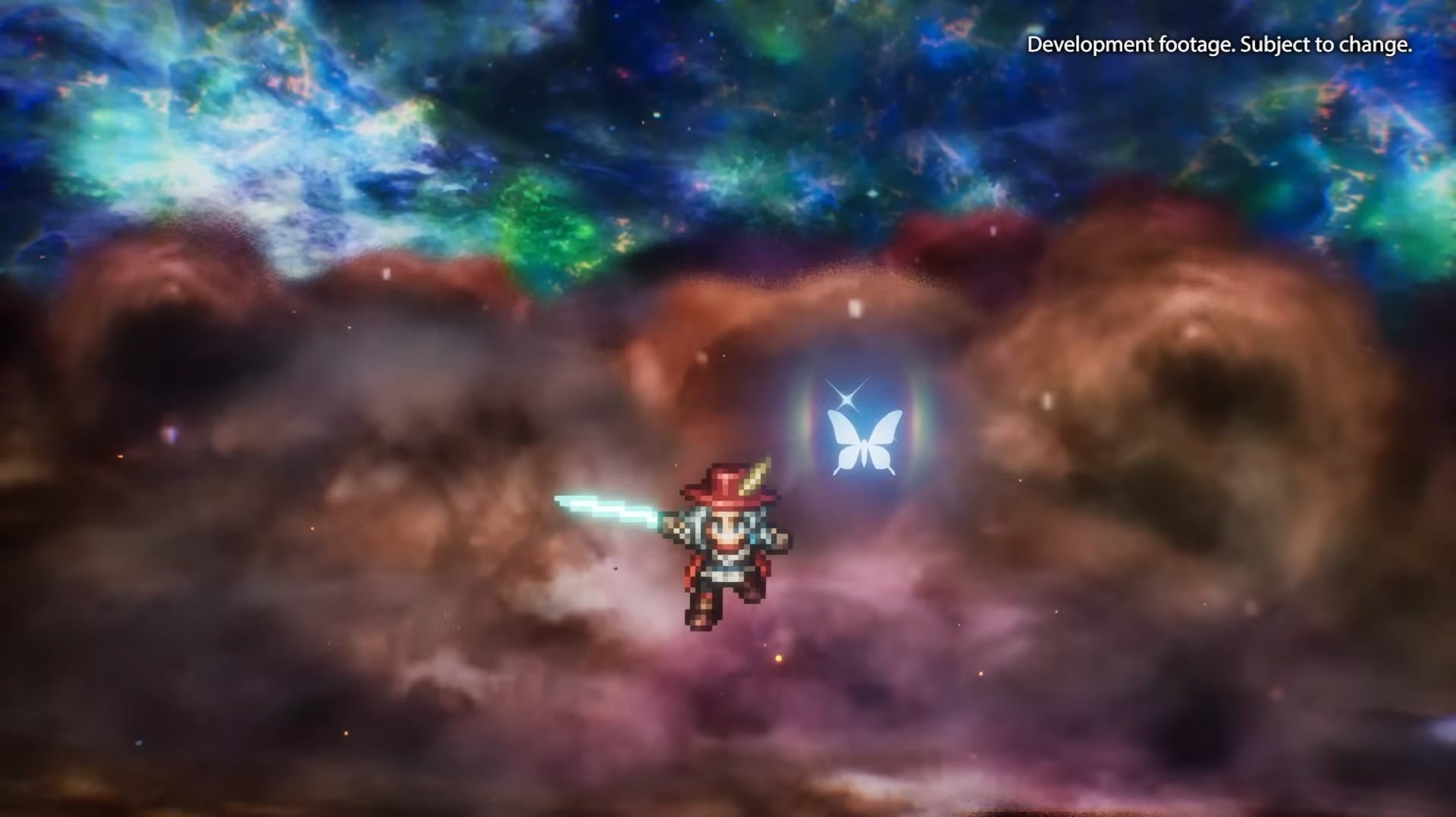
The Adventures of Elliot: The Millennium Tales is already shaping up to be one of the more interesting RPG releases on Nintendo Switch 2, not just because of its HD-2D style or real-time action combat, but because Square Enix appears to be listening closely to players before launch. After the demo, one piece of feedback stood out more than expected: Faie, Elliot’s fairy companion, talks a lot. For the development team, that reaction came as a surprise. Faie is not just a floating mascot or background character. She travels with Elliot, supports him in combat, and helps shape the rhythm of the adventure. Still, when players spend hours with a companion who comments frequently, even a lovable fairy can start to feel like an overexcited friend narrating every snack break. Producer Naofumi Matsushita acknowledged that the team had grown attached to Faie during development, which may have made it harder to notice how often she speaks from a player’s perspective. In response, Square Enix has added an option that lets players reduce her dialogue frequency. That small setting says a lot. It shows that The Adventures of Elliot is being tuned around player comfort, not just developer intention. Alongside this adjustment, the team has also improved menus, magicite access, movement speed, and difficulty options, making the Nintendo Switch 2 RPG feel more flexible before its June 18, 2026 release.
The Adventures of Elliot turns demo feedback into visible changes
The Adventures of Elliot: The Millennium Tales has gained attention as a new Square Enix action RPG built around HD-2D visuals, real-time combat, and a fairy companion who is woven into both exploration and battle. What makes the latest update especially notable is not simply that the game changed after a demo, but that the changes address very specific player concerns. Demo feedback can sometimes feel like shouting into a well and hoping someone hears the splash. Here, Square Enix has shown that the team read, discussed, and acted on what players shared after trying the game.
That matters because The Adventures of Elliot is entering a crowded RPG space where players notice small frictions quickly. A menu that takes one too many clicks, a movement speed that feels a step behind your thumbs, or a companion who speaks a little too often can gradually wear down the rhythm of a long adventure. Square Enix has responded with several quality-of-life adjustments, including changes to menu behavior, faster access to the magicite menu, increased base movement speed for Elliot, and new difficulty options. The headline change, however, belongs to Faie, whose talkative personality became a louder topic than the team expected.
Faie’s dialogue became the biggest surprise for Square Enix
Faie is designed to be more than a decorative fairy trailing behind Elliot like a glowing keychain. She accompanies him throughout the journey and plays an active role in combat through different abilities. That kind of companion can be a wonderful way to build charm, guidance, and personality into an RPG, especially when the world is full of danger, mystery, and systems that need explaining. Yet there is always a delicate balance. Too little dialogue can make a companion feel lifeless. Too much dialogue can make players reach for the settings menu faster than a chest in an empty room.
Producer Naofumi Matsushita said the team was surprised by requests to reduce how often Faie speaks. From the development side, the team had spent so much time with her that they had naturally grown fond of the character. That is easy to understand. When a team lives with a character for years, that character can start to feel like part of the family. But players meet Faie with fresh ears. What feels warm and familiar to developers may feel persistent to someone trying to focus on combat, exploration, or environmental clues. Square Enix’s answer is a practical one: let players lower the frequency of her dialogue.
Why companion characters can charm and annoy players
Fairy companions carry a lot of history in action-adventure games, and comparisons to Navi from The Legend of Zelda: Ocarina of Time are almost impossible to avoid. Companion characters often serve as a bridge between the player and the world. They can explain mechanics, highlight danger, react to discoveries, and add emotional texture to quiet moments. When they work well, they make the world feel less lonely. When they interrupt too often, they can feel like someone reading road signs out loud while you are already looking at the road.
Faie sits in that tricky space because she is both a character and a utility. She is part of the story, but she is also tied to gameplay support. That means her presence needs to feel helpful without becoming intrusive. The best companion systems usually understand that players want company, not constant commentary. By adding a dialogue frequency option, Square Enix is not removing Faie’s personality. It is giving players a volume knob for her presence, which is a far smarter solution than sanding down the character for everyone.
The new Faie dialogue option gives players more control
The newly added option to reduce Faie’s dialogue frequency is a small setting with a bigger meaning. It recognizes that players experience chatter differently. Some people love talkative companions because they make the adventure feel animated and friendly. Others prefer long stretches of quiet, especially in an action RPG where timing, enemy patterns, and environmental awareness matter. Neither group is wrong. A setting like this respects both styles, which is exactly what options should do.
This is also the kind of adjustment that can make the full adventure feel better over many hours. A line that feels cute the first time can feel less cute when repeated after the tenth treasure chest or the twentieth enemy encounter. No fairy, no matter how charming, is immune to repetition fatigue. By allowing players to lower how often Faie speaks, Square Enix gives the game room to breathe. It lets players keep the companion dynamic while reducing the chance that dialogue becomes a distraction. That is a tidy fix, and honestly, more RPGs could learn from it.
Why the option works better than simply cutting lines
Reducing Faie’s dialogue across the entire game for every player could have solved one problem while creating another. Some players may enjoy her reactions, especially if they help reinforce the bond between Elliot and his companion. Others may rely on companion comments for hints, reminders, or a sense of direction. A universal cut would risk making Faie feel less present than intended. An optional setting avoids that trap by letting the player decide how much fairy chatter feels right.
This approach also protects the creative identity of The Adventures of Elliot. Faie is clearly part of the game’s personality, not an afterthought taped onto the interface. Keeping her intact while adding a frequency control is a confident compromise. The team does not need to pretend the character was a mistake, and players do not need to accept the original dialogue rhythm if it does not suit them. It is the RPG equivalent of adjusting seasoning at the table. The chef still made the meal, but you can add a little less pepper if your tongue is waving a white flag.
Demo feedback also changed menus, movement, and magicite
Faie may have stolen the spotlight, but the demo feedback also led to several broader changes that could have an even bigger impact during regular play. Matsushita explained that Square Enix reviewed detailed requests and discussed them with development director Fukebaru before deciding what to implement. That detail is important because it suggests the changes were not random tweaks. They were considered adjustments aimed at smoothing out the moment-to-moment experience, which is where action RPGs either flow like a clear stream or trip over their own shoelaces.
Among the improvements are menu-related changes, including separating the map open and close buttons. That might sound tiny on paper, but anyone who has wrestled with awkward menu behavior knows how quickly it can become annoying. The team also made it possible to access the magicite menu more directly, reducing the need to move through extra layers. Elliot’s base movement speed has been increased as well, which should help exploration feel more responsive. These changes point to a clear goal: make the game feel less fussy and more immediate.
Magicite access could make experimentation feel smoother
Magicite appears to be one of the systems players will interact with regularly, so quicker access can make experimentation less of a chore. In RPGs, customization systems often live or die by convenience. If swapping, checking, or adjusting abilities takes too many steps, players may ignore the system until they absolutely need it. When access is fast, experimentation feels natural. You try things, test combinations, adjust your setup, and feel more involved in shaping the adventure.
That is especially important for a game mixing real-time action with RPG systems. Combat can move quickly, and players may want to adapt without sinking into menu mud every few minutes. A more direct magicite menu helps maintain momentum. Instead of feeling like you are pulling the handbrake every time you want to change something, the system should feel closer to opening a toolbox during a project. You grab what you need, make the adjustment, and get back to the fun.
Four difficulty options make the full game easier to approach
Square Enix has also added four difficulty options, including Easy and Very Hard, to make The Adventures of Elliot accessible to a wider range of players. That is a smart move for an action RPG, especially one arriving from a studio associated with beloved RPG experiences that may attract players with very different comfort levels. Some fans will want a breezy adventure where they can enjoy the story, music, exploration, and HD-2D spectacle. Others will want enemies to hit like they have been personally offended. Four options create room for both.
Difficulty settings are not just about making a game easier or harder. They help players shape the mood of their journey. One person may play after a long day and want something forgiving. Another may want a demanding test where every encounter feels like a duel in a thunderstorm. By including a broader difficulty range, The Adventures of Elliot can welcome curious newcomers while still giving challenge-hungry players something to chew on. That flexibility could be crucial for a game that blends nostalgic RPG charm with faster, action-focused combat.
Accessibility and challenge can exist together
There is an odd myth that adding easier options somehow weakens a game’s identity, but that argument usually falls apart faster than a cardboard shield in a boss fight. More difficulty settings do not take challenge away from players who want it. They simply let more people find the version of the adventure that fits their skill, patience, and preferred pace. In a game like The Adventures of Elliot, that matters because the appeal is not limited to combat difficulty alone.
Players may come for the world, the companion dynamic, the story across millennia, the HD-2D presentation, or the Square Enix pedigree. Difficulty options help keep those doors open. Very Hard can serve players who want friction and mastery, while Easy can help those who want to enjoy the journey without being repeatedly sent back to rethink their life choices. The better the settings, the more likely players are to stay engaged from the opening hours to the finale.
The Nintendo Switch 2 release gives Square Enix a key RPG moment
The Adventures of Elliot: The Millennium Tales is scheduled for Nintendo Switch 2 on June 18, 2026, giving Square Enix a notable RPG release on Nintendo’s newer hardware. The game carries several ingredients that naturally fit the platform: a striking HD-2D look, real-time action, a companion-focused structure, and a fantasy world built around mystery and time. For players who enjoy RPGs that feel both familiar and modern, this could land in a sweet spot.
The game also comes from creative territory associated with Team Asano, whose previous HD-2D work helped turn retro-inspired visuals into something that feels polished rather than dusty. The Adventures of Elliot shifts into action RPG territory instead of leaning on traditional turn-based combat, which makes these feedback-driven changes even more important. Action games depend heavily on responsiveness. Movement speed, menu flow, combat clarity, and companion behavior all affect how the adventure feels in your hands. On Nintendo Switch 2, where RPG fans will be watching closely, those details can make a real difference.
The HD-2D style still has room to surprise players
HD-2D has become a recognizable Square Enix style, but The Adventures of Elliot uses it in a different kind of structure. Rather than focusing only on turn-based battles or tactical encounters, the game applies that visual identity to action RPG exploration and combat. That creates a different challenge. In a faster game, players need to read movement, terrain, enemy placement, and ability effects quickly. Pretty scenery is lovely, but it cannot get in the way of clarity.
That is where The Adventures of Elliot has an opportunity to stand apart. If the game can combine the warmth of pixel art with the depth and atmosphere of modern lighting, it may create a world that feels like a storybook with a pulse. The trick is keeping the action readable while letting the scenery shine. If Square Enix gets that balance right, the game could offer the kind of visual identity that looks nostalgic in screenshots but feels fresh once the controller is in your hands.
Why this feedback loop matters for the final experience
The most encouraging part of this update is not simply that Square Enix changed things. It is that the team seems willing to notice where developer affection and player experience may not perfectly overlap. Faie is a good example. The team loved her, but players flagged her dialogue frequency. Instead of dismissing that reaction, Square Enix added a setting. That is the kind of feedback loop that can turn a promising RPG into a smoother, more welcoming one.
Games often improve through small, thoughtful choices rather than one giant dramatic change. A faster character. A cleaner menu. A clearer difficulty curve. A companion who knows when to let the wind, music, and monster noises do the talking. These adjustments may not sound flashy in isolation, but together they shape the feel of the whole adventure. The Adventures of Elliot now looks like a game that is not only built around a grand fantasy journey, but also around the practical reality of how players actually play.
What players should watch when the full game arrives
When The Adventures of Elliot launches, the most interesting question may be how these changes feel across a full playthrough. Demo improvements can look great in patch notes, but the real test comes after hours of exploration, combat, menu use, and companion chatter. If Faie’s dialogue option works well, players should be able to keep her charm without feeling crowded by constant commentary. If the menu and movement changes land properly, the whole game should feel lighter on its feet.
The broader lesson is simple: player comfort matters. The best RPGs often make their systems feel invisible once you settle in. You stop thinking about buttons, menus, and settings, and you start thinking about where to go next. That is when the magic happens. If The Adventures of Elliot can turn this demo feedback into lasting polish, Square Enix may have a Nintendo Switch 2 RPG that feels more considered, more responsive, and more welcoming right from day one.
Conclusion
The Adventures of Elliot: The Millennium Tales has already shown that Square Enix is paying attention to player feedback in meaningful ways. Faie’s new dialogue frequency option is the standout change because it directly addresses a surprisingly loud reaction from the demo, but it is only one part of a broader effort to improve the full game. Faster movement, cleaner menu access, easier magicite navigation, and four difficulty options all point toward an RPG that wants to respect the player’s time and preferences. Faie can still be charming, Elliot can move with more energy, and players can shape the experience around their own comfort level. That is a promising sign ahead of the Nintendo Switch 2 release on June 18, 2026.
FAQs
- Why did Square Enix add a Faie dialogue option in The Adventures of Elliot?
- Square Enix added the option after demo feedback showed that some players felt Faie talked too often. Producer Naofumi Matsushita said the team had grown fond of Faie during development, which may have made it harder to notice how frequently she spoke from a player’s perspective.
- Can players turn Faie off completely?
- The confirmed change is an option to lower the frequency of Faie’s dialogue. That means players can reduce how often she speaks, but the available information does not state that she can be removed or fully silenced.
- What other changes were made after demo feedback?
- Square Enix improved several quality-of-life elements, including menu behavior, map button controls, faster access to the magicite menu, and Elliot’s base movement speed. The team also added four difficulty options, including Easy and Very Hard.
- When does The Adventures of Elliot: The Millennium Tales release on Nintendo Switch 2?
- The Adventures of Elliot: The Millennium Tales is scheduled to release for Nintendo Switch 2 on June 18, 2026. The game is also listed for PlayStation 5, Xbox Series X|S, and PC.
- Is Faie important to gameplay?
- Yes, Faie is more than a story companion. She accompanies Elliot and supports gameplay through abilities tied to combat and exploration, which is why adjusting her dialogue frequency matters without removing her role from the adventure.
Sources
- The Adventures of Elliot devs were surprised by fan reaction saying Faie talks too much, Nintendo Everything, June 12, 2026
- The Adventures of Elliot Producer Explains Why Faie Talks So Much, Kotaku, June 12, 2026
- The Adventures of Elliot: The Millennium Tales, Square Enix, 2026
- “This time, portraying a single protagonist was one of our key challenges” Naofumi Matsushita on developing The Adventures of Elliot: The Millennium Tales, RPG Site, May 18, 2026
- INTERVIEW – “The Adventures of Elliot: The Millennium Tales” was heavily inspired by “Final Fantasy Adventure”, SmashPad, May 18, 2026