






Summary:
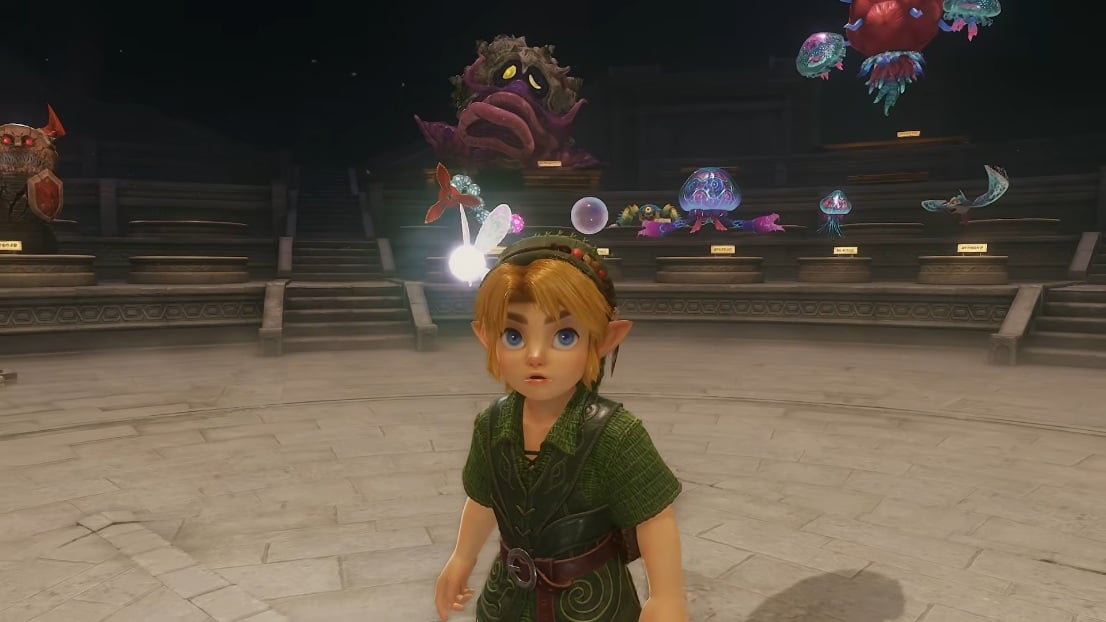
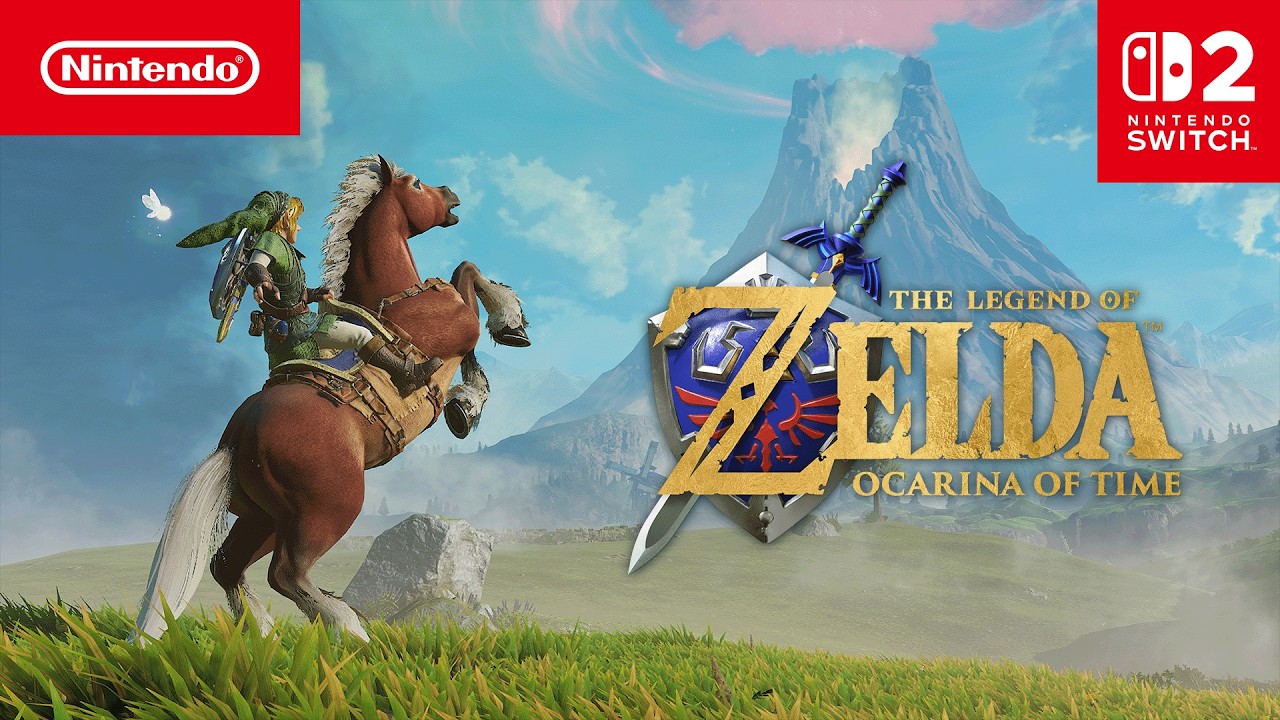
The latest overview trailer for The Legend of Zelda: Ocarina of Time remake on Nintendo Switch 2 revealed the Hall of Fallen Foes, a new in-game gallery where statues of defeated monsters are displayed and bosses can be challenged again. This feature acts like an interactive bestiary and adds timed rematch battles that record your runs, which should appeal to completionists and speedrunners alike. The remake also highlights other enhancements: overhauled visuals, fully voiced cutscenes, symphonic music, Zelda Notes support within the Nintendo Switch App, and a microphone-powered ocarina mechanic that reacts when you hum or play a melody near the console. NintendoReporters breaks down what the Hall of Fallen Foes is, how boss rematches work, how Zelda Notes and amiibo tie in, and what to expect ahead of the November 5, 2026 launch for the Nintendo Switch 2.
The Legend of Zelda – Ocarina of Time – Overview of the Hall of Fallen Foes reveal
Nintendo recently dropped an overview trailer for the Ocarina of Time remake that introduces the Hall of Fallen Foes, a space that functions as a curated gallery of defeated enemies and a hub for rematch encounters. The concept is simple but effective: statues or displays represent monsters you’ve beaten, each with short flavor text and the locations where they were encountered, while bosses in the hall let you trigger a rematch with a running timer. That timer is recorded and attached to your play data, creating a neat bridge between single-player exploration and the competitive fun of speedrunning or time trials. For fans of the original, the hall feels like a respectful addition that rewards familiarity while offering fresh reasons to revisit fights. For newer players, it’s a tidy repository that documents Hyrule’s creatures and gives a safe place to practice difficult encounters. The trailer frames the hall as optional and collectible-focused, so you can visit when you want challenge or nostalgia without it interrupting the main story flow.
What the Hall of Fallen Foes is and how it works
At its core, the Hall of Fallen Foes acts like a bestiary-meets-battleground: statues commemorate enemies with bite-sized descriptions and a list of places they appear, while bosses can be re-fought on demand. When you approach a statue you’ll be able to inspect it for lore notes and location hints, which is great for completionists tracking where they first met a foe. The boss statues offer a rematch button; selecting it spawns the encounter and kicks off a timer. Finishing the rematch records your time to your save file, letting you compare runs or chase faster clears later. The hall appears to be integrated with the game’s record-keeping systems and with the Zelda Notes feature in the Nintendo Switch App, so the data may sync to a smart device view where you can check play stats, replay times, and hall progress in a second screen format. It’s a low-friction way to add replayability and context to an already beloved adventure.
Boss rematches and timer mechanics explained
Boss rematches in the hall look to be more than simple replays; they introduce explicit timing and a record system that encourages competition with yourself or others. When you initiate a rematch, a visible timer starts and your performance is measured from the moment combat begins until the boss is defeated. The trailer suggests the system will track and display completion times, which could mean medals, in-game accolades, or just a running leaderboard attached to your save. This mechanic mirrors modern quality-of-life features seen in some remakes and remasters, which add short-form challenges without changing the original encounter design. For players who enjoy shaving seconds off a run, the hall’s timed rematches will provide bite-sized targets that are easier to repeat than replaying entire dungeons. And because the hall stores statues and descriptions, it also acts like a practice catalogue: you can quickly revisit the exact fights you want to improve on instead of hunting them down in the open world.
Microphone interaction, ocarina play and Zelda Notes integration
One of the remake’s standout features highlighted in the trailer is the way the ocarina interacts with the Nintendo Switch 2’s microphone: hum a melody or play one on a supported instrument and the game recognizes it, causing Link to perform the tune in-game. This mechanic connects directly with Zelda Notes, the smart device service within the Nintendo Switch App, which offers a Play Ocarina function plus a range of tracking tools like Today’s Record, Gossip Quests, and My Play Data. Zelda Notes can show the Hall of Fallen Foes status, let you open map hints, run quizzes, and even let you play a virtual ocarina on your phone or tablet. Together, these systems give players multiple entry points to interact with the remake beyond the main controller: you can practice melodies on your smart device, review boss times, or use gossip quest images to hunt down secrets in the world. The combination of microphone recognition and app integration brings a pseudo two-screen feel that many fans will find charming and practical.
Visual, audio and presentation upgrades in the remake
The remake promises overhauled visuals and fully voiced cutscenes with expanded dialogue, along with a full symphonic soundtrack that reimagines the original score. From the trailer’s footage, the art direction favors a warmer, more detailed Hyrule where materials, foliage, and character models get modern polish while retaining the original’s silhouette and spirit. Voice acting and expanded dialogue add heft to character moments that were previously silent or sparsely scripted, which can change the emotional weight of certain scenes for better or worse depending on your attachment to the N64 version. The orchestral presentation updates familiar themes into richer arrangements, and the sound design overall reflects clearer separation between effects, ambience, and music. All of these presentation upgrades aim to preserve the core adventure while making it feel alive on current hardware, and they help the Hall of Fallen Foes feel like a museum exhibit come to life rather than a tacked-on menu screen.
amiibo support, upcoming figures and in-game unlocks
Nintendo confirmed that existing Legend of Zelda amiibo will provide useful rewards in the remake, and two new amiibo figures—Young Link and Young Zelda—are scheduled to launch in 2027. Those new figures will unlock special retro-style masks when scanned, while legacy amiibo support is expected to yield helpful items or bonuses similar to other modern Zelda releases. Amiibo interaction is also referenced in Zelda Notes, which contains an amiibo section for the remake; that suggests some amiibo features might be previewed or managed through the companion app. For collectors, the separate launch window for amiibo (after the game) is fairly standard and gives Nintendo time to produce figures without delaying the game’s release. If you’re into physical extras and cosmetic unlocks, keeping an eye on the amiibo schedule will matter, but the game itself appears playable and complete without them.
How the hall complements speedrunning and collectibles
The Hall of Fallen Foes is a neat fit for both collectors and speedrunners because it centralizes boss practice and stores performance data. Speedrunners who normally time full-game runs often look for ways to optimize individual boss encounters; a rematch mode with recorded times is a perfect tool for that kind of refinement. Collectors and completionists benefit from the hall’s descriptive displays and location notes, which reduce the guesswork when tracking down each enemy or secret. The hall keeps the main game intact while adding replay-focused incentives: you can chase faster boss times, collect statues, or clear any missed bestiary entries without replaying entire sections of the game. That mix of documentation and challenge is one reason the addition feels purposeful rather than decorative, and it may inspire community-driven contests around boss times as players share screenshots or video clips of their fastest clears.
Release date, editions and pre-order pointers
Nintendo has set the remake’s release for November 5, 2026, with special Zelda 40th Anniversary hardware and items arriving slightly ahead of the game. A themed Nintendo Switch 2 system, anniversary Pro Controller variants, and other accessories will be available as part of the celebration, and the physical first print run of the game will include special foil cover packaging while supplies last. If you’re planning to buy day one, check major retailers for midnight launches and compare physical vs digital editions if you care about packaging or collectible extras. Remember, amiibo for the remake are planned for 2027, so don’t expect those figures to be available at launch. For players who like a second screen experience, the Zelda Notes integration through the Nintendo Switch App is a helpful companion and can be used from day one to track progress, play the virtual ocarina, and view Hall of Fallen Foes entries.
What this reveal means for players and fans
For long-time Zelda fans, the Hall of Fallen Foes is a respectful nod to nostalgia that also adds modern replay value. It provides a single location to reflect on the creatures that shaped your journey through Hyrule and optional rematches that inject challenge where players want it. For newcomers, the hall functions as an educational touchpoint that explains who enemies are and where they live, making the world easier to learn. The microphone ocarina and Zelda Notes features broaden how people can interact with the remake, offering accessibility and second-screen conveniences that suit varying play styles. Overall, the announcement suggests Nintendo wants to honor the original while adding tasteful systems that encourage revisiting moments without rewriting the adventure themselves.
Conclusion
The Hall of Fallen Foes is a welcome addition to the Ocarina of Time remake that balances nostalgia, collectible tracking, and repeatable challenge. Combined with the audio-visual overhaul, Zelda Notes integration, microphone-powered ocarina play, and later amiibo support, the remake looks designed to satisfy fans old and new. With the November 5, 2026 release date approaching, now’s a smart time to line up pre-orders, refresh classic strategies, and prepare to test your boss times once the hall opens its doors.
FAQs
- What is the Hall of Fallen Foes?
- The Hall of Fallen Foes is a new gallery in the Ocarina of Time remake that displays statues of defeated enemies and lets players trigger timed rematches against bosses to record completion times.
- Can I rematch every boss in the game?
- The trailer shows rematch options for major bosses via their statues in the hall; while minor enemies appear as displays, major boss rematches are the primary feature and are timed for replayability.
- How does the ocarina microphone feature work?
- The Nintendo Switch 2’s built-in microphone can detect melodies you hum or play on supported instruments, causing Link’s in-game ocarina to respond; Zelda Notes also includes a Play Ocarina function for smart devices.
- Will existing amiibo work with the remake?
- Yes, Nintendo confirmed that existing Legend of Zelda amiibo will provide useful rewards, and two new amiibo—Young Link and Young Zelda—are slated for 2027 to unlock special retro-style masks.
- When does the remake launch?
- The Legend of Zelda: Ocarina of Time remake is scheduled to launch on November 5, 2026 for Nintendo Switch 2, with related anniversary hardware arriving slightly earlier.
Sources
- The Legend of Zelda 40th Anniversary celebration revealed in new Nintendo Direct presentation, Nintendo, September 8, 2026
- Zelda: Ocarina of Time overview trailer reveals new ‘Hall of Fallen Foes’ room with boss rematches, Nintendo Wire, October 14, 2026
- Legend of Zelda: Ocarina of Time Remake Trailer Highlights Gameplay and New Features, Siliconera, October 14, 2026
- Ocarina Of Time Remake Amiibo And Zelda 40th Anniversary Nintendo Switch 2 Announced, GameInformer, September 8, 2026