







Summary:
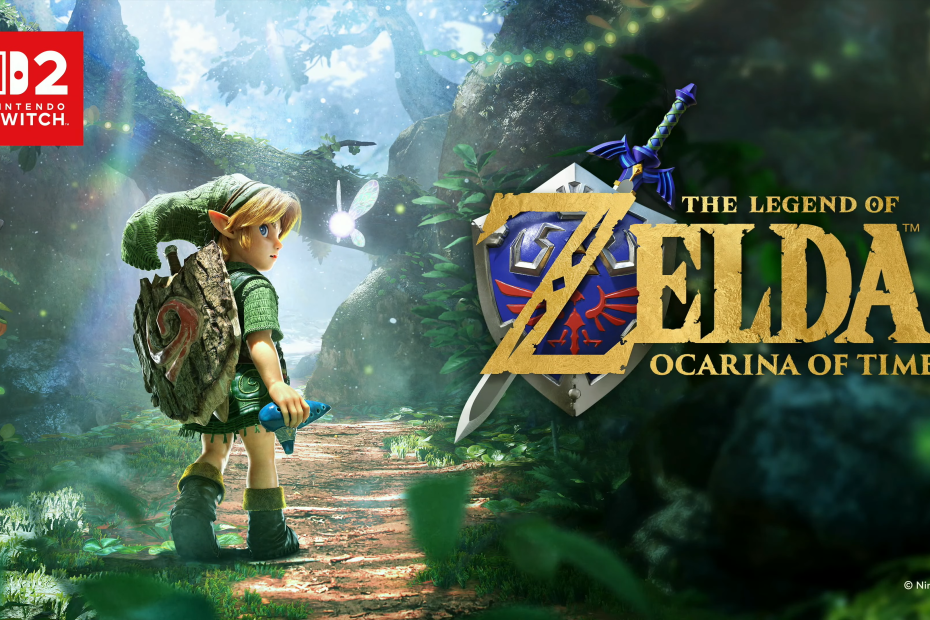
The long-rumored developer behind The Legend of Zelda: Ocarina of Time remake has been confirmed: Nintendo’s internal Entertainment Planning and Development Production Group No. 3 led the project for the Nintendo Switch 2. That announcement came as part of Nintendo’s Ask the Developer Vol. 24 series, where core team members introduced themselves and described their roles. The reveal matters because Production Group No. 3 is the team most closely associated with the series’ modern 3D entries, which gives us a clearer picture of the remake’s pedigree and the studio’s priorities. Fans debating outside studios can now focus on the game itself, while observers will read this as a sign about Nintendo’s timeline for a new mainline Zelda. NintendoReporters breaks down the announcement, the key staff named, what it suggests about future Zelda development, and where to follow official updates so you don’t miss anything ahead of launch.
Nintendo confirms EPD Production Group No. 3 led the The Legend of Zelda: Ocarina of Time Remake
Nintendo formally named the internal studio responsible for the Ocarina of Time remake in its Ask the Developer Vol. 24 series, which spotlighted the team behind the Switch 2 release. That confirmation settles months of speculation that outside partners or other Nintendo-owned studios might have taken the lead. Production Group No. 3 has a long history with mainline Zelda projects, and the fact Nintendo assigned this remake to them signals the company treated the project as a first-party priority rather than an outsourced rebuild. For players, that often translates to closer oversight from series veterans, higher integration with Nintendo’s platform features, and continuity of design values fans associate with Breath of the Wild and Tears of the Kingdom. If you want to compare news and releases in one place, NintendoReporters keeps a running feed of official announcements and reactions covering Switch 2 titles like this one and more on our Nintendo Switch 2 hub: Nintendo Switch 2.
Who is Production Group No. 3 and why that matters
Production Group No. 3 is the internal Nintendo team most often linked to the mainline 3D Zelda work of the last decade, so seeing their name attached to Ocarina of Time is significant in more ways than one. This team has handled large-scale Zelda projects before, bringing experience with worldbuilding, camera systems and the delicate balance of old-school puzzles and modern quality-of-life improvements. For fans wondering whether the remake would feel like an entirely different game or a respectful modernization, the assignment to Production Group No. 3 suggests Nintendo wanted that mix of reverence and polish. It also hints that designers familiar with Breath of the Wild-era systems influenced how movement, camera and presentation were updated. For readers keen on broader Nintendo coverage, our Nintendo News section collects developments across the franchise and is a good place to track how this remake fits into the bigger picture: Nintendo News.
Key developers introduced in Ask the Developer Vol. 24
The Ask the Developer installment names several core staff and their roles, giving fans real faces and responsibilities to associate with the remake. The team includes HokWai Ng as director, Aya Shida as art director, Hiroki Taguchi as program director, and Masato Ohashi among the sound leads. Eiji Aonuma and Hidemaro Fujibayashi are credited as producers, which keeps experienced Zelda leadership involved. Seeing those names together helps set expectations: a director who’s moved through recent Zelda projects, an art lead tied to Breath of the Wild-era character work, and a music lead mindful of the series’ iconic themes. Those kinds of appointments often reflect Nintendo’s desire to maintain the franchise’s core identity while updating technical systems and presentation for modern hardware and player expectations.
What the team reveal suggests about Nintendo’s priorities
Assigning the remake to a group known for mainline entries suggests Nintendo prioritized fidelity to the original experience while applying modern systems and polish. That can mean careful audio direction to preserve legendary musical moments, art direction that refreshes visuals without erasing nostalgia, and code-level changes to ensure the title benefits from Switch 2 performance gains. At the same time, production choices like whether to add or omit certain quality-of-life features are clearly being debated internally; Ask the Developer highlights how some modern conveniences were considered and then adjusted to preserve key narrative and gameplay beats. All of this points to a development posture that values player memories and series legacy as much as technological updates, a balance many longtime Zelda players will appreciate and that helps explain Nintendo’s decision to keep the project in-house.
How this affects expectations for new mainline Zelda entries
One immediate reaction among fans is that if Production Group No. 3 was occupied with a major remake, resources that might otherwise contribute to a brand-new mainline Zelda could have been diverted. That reasoning leads to speculation the next original 3D Zelda might take longer to appear. While Nintendo hasn’t committed to specific timelines for future releases, the staffing choices revealed in Ask the Developer make it reasonable to expect a gap before the next wholly original mainline entry. But that’s not a guarantee; Nintendo’s internal groups can and do work on multiple projects in parallel, and veteran producers often supervise several teams. Still, for anyone tracking where the series is headed, the news is a valuable signal about where Nintendo focused its first-party talent this cycle.
How Nintendo presented the information in the Ask the Developer series
Nintendo chose its Ask the Developer format to let staff describe their roles and decisions in their own words, translated and published as Volume 24 of the series on November 2, 2026. That format gives readers more nuance than a simple credit list: developers explain what surprised them about rebuilding the game, how they treated the audio and visual legacy, and which features required the most care to update. Reading the interviews shows Nintendo is conscious of fans’ memories and is actively trying to respect them while leveraging modern hardware. The Q&A style also highlights internal collaboration, naming who handled direction, program management, art and music, and it illustrates the personalities contributing to the remake’s final shape. For fans who prefer reading official developer commentary rather than press summaries, the Ask the Developer pages are the primary source for these details.
Community reaction and what to watch next
The reveal prompted a mix of excitement and cautious analysis across communities. Some fans cheered that Nintendo kept development in-house, equating that with care and quality, while others pointed out it might delay a new, original Zelda title. Industry observers noted the involvement of staff from Breath of the Wild and Tears of the Kingdom as an intentional move to bridge old and new design philosophies. As parts three and four of the Ask the Developer series roll out, expect more granular details about level design, camera work and music. NintendoReporters will keep an eye on follow-up developer notes, trailers and official patches so you can find verified updates in one place without chasing multiple sources.
Where to follow official updates and pre-order information
Official announcements, interviews and launch details are published via Nintendo’s news pages and the Switch 2 product hub, so bookmarking those sources is a smart move if you want the most accurate information. Retailer listings and pre-order details may appear elsewhere, but the Ask the Developer series and Nintendo’s news posts are where Nintendo confirms staff and design choices. For a single place to check recent Nintendo Switch 2 stories, launch information and ongoing franchise coverage, visit our Switch 2 section at Nintendo Switch 2 or our broader hub at 100% Nintendo for & by Nintendo fans! NintendoReporters will update with verified follow-ups as Nintendo releases additional Ask the Developer chapters and post-launch patches.
Conclusion
The official confirmation that Nintendo EPD Production Group No. 3 led the Ocarina of Time remake gives fans meaningful clarity about the project’s leadership and likely design directions. It explains why the remake blends fidelity to the original with modern touches and signals how Nintendo apportions its internal talent across major franchise work. Whether you’re excited to relive Hyrule in refreshed visuals or you’re watching to see when the next original Zelda will arrive, knowing who made the remake helps set realistic expectations. Keep checking NintendoReporters for fast, Nintendo-focused coverage that gathers announcements, developer comments and launch details in one place so you can stay informed without following dozens of general gaming outlets.
FAQs
- Who developed The Legend of Zelda: Ocarina of Time remake?
- Multiple developers confirmed the project was led internally by Nintendo EPD Production Group No. 3, as revealed in Nintendo’s Ask the Developer Vol. 24.
- Which key staff were named for the remake?
- The interview highlighted HokWai Ng as director, Aya Shida as art director, Hiroki Taguchi as program director, Masato Ohashi in music and sound roles, with Eiji Aonuma and Hidemaro Fujibayashi as producers.
- Does this mean a new mainline Zelda will be delayed?
- The team assignment suggests resources were used on the remake, which may affect timing for new mainline projects, but Nintendo has not given specific release windows for future original entries.
- Where can I read the full Ask the Developer interviews?
- Nintendo published Ask the Developer Vol. 24 on its official news pages; those pieces contain the interviews and developer profiles released on November 2, 2026.
- How will NintendoReporters keep following this story?
- NintendoReporters will monitor new Ask the Developer chapters, official Nintendo posts, and verified updates to provide timely, Nintendo-focused coverage and links to official sources.
Sources
- Ask the Developer Vol. 24, The Legend of Zelda: Ocarina of Time – Chapter 1, Nintendo, November 2, 2026
- Ask the Developer Vol. 24, The Legend of Zelda: Ocarina of Time – Chapter 2, Nintendo, November 2, 2026
- Zelda: Ocarina Of Time Switch 2 Development Team Has Been Revealed, Nintendo Life, November 2, 2026