



Summary:
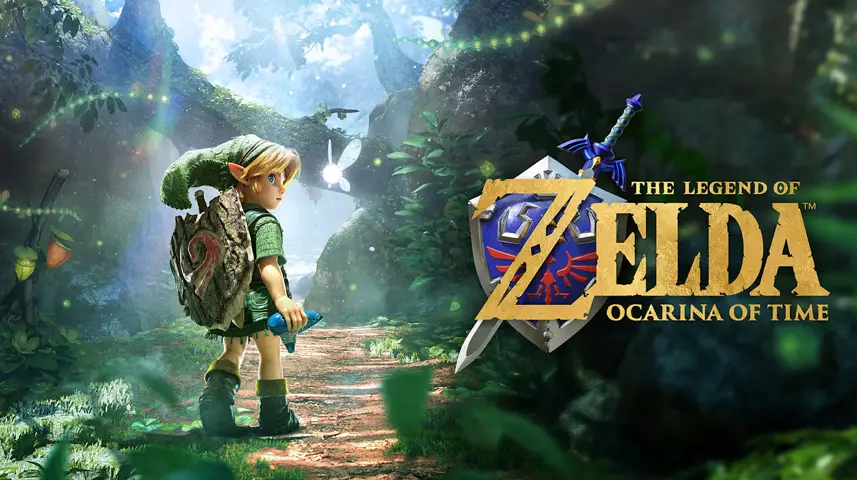
The Legend of Zelda: Ocarina of Time Remake has opened to near-universal praise, with Metacritic listing a Metascore of 96 based on roughly eighty critic reviews at the time reviewers published their verdicts. Critics consistently highlight the remake’s visual overhaul, stable performance on Nintendo Switch 2, and thoughtful modernizations that keep the original’s spirit intact while smoothing dated mechanics. Reviewers praised enhanced audio, full voice work in key scenes, and quality-of-life changes like free camera and a jump button that make exploration and combat feel more intuitive without sacrificing challenge. At the same time, some reviewers noted the remake leans safe—missing a built-in harder mode like Master Quest—but most agree this version is the best way to experience the 1998 classic in 2026. Whether you grew up with the N64 original or are discovering Hyrule for the first time, critics say the remake is a must-play on Switch 2.
The Legend of Zelda – Ocarina of Time’s Metacritic score
When a remake of an all-time classic lands a 96 on Metacritic it grabs attention for good reason. That Metascore reflects the aggregated opinion of many professional outlets, and at the time reviews went live it placed The Legend of Zelda: Ocarina of Time Remake among the top-rated games of 2026. A high Metascore like 96 signals broad critical consensus that the project succeeds on multiple fronts: technical polish, design choices, presentation, and how effectively the remake balances nostalgia with modern expectations. For NintendoReporters readers this means critics broadly believe Nintendo preserved the original’s heart while improving accessibility and audiovisual presentation. That said, a Metascore is a snapshot from launch-window reviews; more critiques and player responses will refine the conversation as people spend more time with the game.
How critics reacted across the board
Across outlets there were common themes: praise for visuals, stable framerate on the Switch 2, and careful updates to controls and dialogue. Major reviews described the remake as respectful to the original while providing a fresh sheen for modern hardware. Several outlets awarded top marks or near-perfect scores, noting that the remake does not try to reinvent Ocarina of Time but instead refines and restores it with smart changes. Other reviews highlighted minor drawbacks, like the lack of a built-in harder challenge mode at launch and some streamlined dungeon moments that feel less cryptic than the original. Overall, the critical reaction reads as enthusiastic—reviewers were delighted to see one of Nintendo’s most important titles receive this level of attention and care.
Standout praise: visuals, performance and sound
One of the loudest compliments from reviewers concerns the game’s presentation. Critics repeatedly noted that the remake brings Hyrule to life with textures, lighting, and environmental detail that make exploration consistently rewarding. Reviewers praised the Switch 2’s ability to hold smooth frame rates even during dense scenes, calling the experience more immersive than previous versions. The move to full voice acting in key scenes and an orchestral-forward audio presentation added emotional weight to moments that were once purely text-driven, and many outlets said the audio-visual package is the best Nintendo has produced for a Zelda remake. For players who love to linger in environments and soak up atmosphere, this remake’s technical execution was a highlight that pushed many reviewers toward higher scores.
Gameplay and quality-of-life changes that matter
Beyond the visuals, critics highlighted a set of modernizations that make the game more approachable without undermining its identity. Free camera and analog-friendly aiming make combat and targeting feel modern; the addition of a dedicated jump button and improved camera control remove a lot of the original’s clunky moments. Reviewers also pointed out inventory and UI tweaks that respect the original structure while reducing tedious micromanagement. Some longtime players may miss the pure old-school feel, but reviewers generally agreed these changes improve pacing and reduce frustration for new players. At launch, the lack of Master Quest or a built-in hard mode was noted by several outlets as an obvious omission, but many remain optimistic that Nintendo could add additional challenge-focused content later.
Comparisons to the 1998 original and the 3DS remake
Comparing this 2026 remake to the legendary 1998 original and the 2011 3DS version, reviewers focused on fidelity versus reinterpretation. Where the N64 original broke ground, the Switch 2 remake restores and renovates: puzzles and dungeon layouts remain familiar but often gain visual clarity and small mechanical tweaks. Compared with the 3DS port, the new remake expands presentation, audio, and control responsiveness markedly. Many critics said the remake strikes a careful balance—keeping the narrative beats, characters, and core exploration intact while smoothing rough edges that time revealed. For fans wanting the purest possible nostalgia trip, the original retains its mythic status, but for most players the Switch 2 remake is the definitive way to experience the game now.
Where this remake sits among modern Zelda entries
With critics comparing the remake to recent Zelda milestones, reviewers examined how it stacks up against Breath of the Wild and Tears of the Kingdom. The remake is not competing with those titles on scale or design philosophy, but critics praised it for reminding players why the classic 3D Zelda design matters. Instead of open-world freedom, Ocarina’s dense, hand-crafted spaces showcase dungeon design, intricate puzzles, and tight progression loops that feel different but equally valuable. Many outlets argued the remake proves the franchise can still find meaningful ways to present older designs to a modern audience, and that those designs remain emotionally resonant even beside Nintendo’s newer, sprawling Zelda experiments. That contrast was often framed as a strength rather than a weakness.
Should you buy it at launch?
The answer from most critics is yes—particularly if you care about experiencing Nintendo’s classic the way it was lovingly rebuilt for newer hardware. Reviewers recommend the remake for longtime fans who want the best presentation of the story and for newcomers seeking a polished introduction to one of gaming’s foundational adventures. Caveats mentioned by critics include a desire for optional harder modes, New Game Plus or Master Quest-style content, and more post-launch support aimed at completionists. If those features matter a lot to you, waiting for potential DLC or updates could be reasonable. Otherwise, the consensus at launch is that this is a high-quality Zelda experience you can feel confident buying on Switch 2. If you need Switch 2 details before deciding, check NintendoReporters’ Switch 2 hub for more coverage: Nintendo Switch 2.
Tips for players and collectors
If you plan to play at launch, reviewers suggested a few practical tips: allow time to explore at a relaxed pace and appreciate ambient details, use modern camera and control settings to reduce frustration, and keep an eye on patches that may add features or tweak balance shortly after release. Collectors should note region-specific release items and special editions from Nintendo, and those curious about the series’ history may want to revisit the Nintendo 64 version to appreciate how design conventions have evolved; NintendoReporters maintains a Nintendo 64 overview you can explore for background reading: Nintendo 64. Whether chasing 100 percent or savoring the story, reviewers emphasized that the remake rewards patience and curiosity.
Developer intent and community impact
Review coverage also touched on why Nintendo undertook this full remake. Critics and developer interviews suggest the project served both to teach new developers internal design lessons and to ensure the game resonates with modern audiences while retaining its original design DNA. The remake has already sparked conversations among fans about preservation, nostalgia, and how much a remake should change. Community response looks set to rival critical response in intensity—some players will celebrate polished accessibility and visuals while others will debate the absence of traditional challenge modes. Either way, the remake has reignited interest in the franchise’s past and will likely drive new engagement across forums, streams, and local play sessions.
Conclusion
The Legend of Zelda: Ocarina of Time Remake launching with a 96 Metacritic score demonstrates that careful restoration, modern performance, and targeted quality-of-life improvements can honor a classic without betraying it. Critics praised the visuals, sound, and updated controls while noting a few omissions that could be addressed post-launch. For Nintendo fans and newcomers alike, this remake offers a compelling, polished way to experience one of the series’ most influential entries on the Switch 2. Expect the conversation to evolve as more players explore Hyrule and Nintendo potentially adds new features, but early consensus places this remake among the year’s standout releases.
FAQs
- What Metacritic score did the Ocarina of Time Remake receive?
- Metacritic lists a Metascore of 96 for the remake, based on roughly eighty critic reviews at the time initial reviews were published.
- When does the remake release and on what platform?
- The remake launched for Nintendo Switch 2 with reviews going live just ahead of the game’s November 5, 2026 release.
- Is there a Master Quest or harder mode at launch?
- At launch major reviews noted there is no built-in Master Quest or equivalent hard mode, which some critics flagged as a notable omission that could be added later.
- How does the remake compare to the N64 original?
- Critics say the remake preserves the original’s structure and story while upgrading visuals, audio, and controls to feel modern and more accessible.
- Should I buy at launch or wait for updates?
- If you value presentation and a polished playthrough, reviewers generally recommend buying at launch; if you want extra challenge modes or completionist additions, waiting for possible post-launch updates may be worth it.
Sources
- The Zelda Ocarina of Time remake has shot to the top of Metacritic’s best games of 2026 so far, makes its all-time top 30, Video Games Chronicle, November 4, 2026
- The Legend of Zelda: Ocarina of Time review – “Pure magic”, GamesRadar+, November 4, 2026
- Round Up: The Reviews Are In For The Legend Of Zelda: Ocarina Of Time On Switch 2, Nintendo Life, November 4, 2026