




Summary:
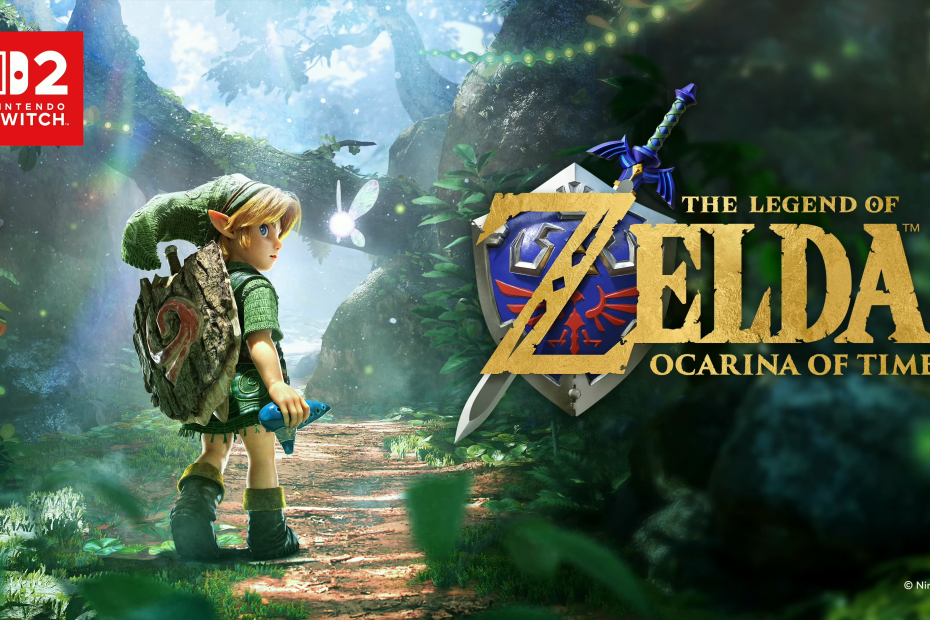
The ESRB has published a rating page for The Legend of Zelda: Ocarina of Time remake, confirming an E10+ classification with the content descriptors Animated Blood and Fantasy Violence. The official summary lays out specific combat details – swords, shields, arrows, magic spells, enemy types, impact sounds, colorful visual effects, and even green or purple blood effects for some foes – while also noting that larger boss encounters require more prolonged fights. That wording doesn’t rewrite the original story, but it does give players a clear sense of how the remake presents its combat and darker moments. NintendoReporters keeps an eye on every official listing and will track any further updates to the store page or rating details.
ESRB Rating Summary for The Legend of Zelda: Ocarina of Time
The ESRB rating page for The Legend of Zelda: Ocarina of Time lists the game as E10+ for Everyone 10 and older and attaches the content descriptors Animated Blood and Fantasy Violence. The rating summary gives a straightforward description of the experience: players control a hero exploring Hyrule from a third-person perspective, solving puzzles, interacting with characters, and battling a variety of fantastical enemies. The summary explicitly calls out combat elements such as swords, shields, arrows, and magic spells, as well as audio-visual feedback like impact sounds, colorful light effects, and cries of pain. It also mentions specific visual details – certain enemies may emit a green or purple blood effect when defeated – and flags larger boss fights as requiring more protracted combat. Taken together, these notes show the ESRB assessed the remake’s gameplay footage and found material that fits an E10+ classification rather than something harsher, while giving fans concrete clues about how the remake presents its combat and some of its more intense moments.
What the ESRB Listing Reveals About Combat
The ESRB summary is surprisingly specific about how combat looks and feels in the remake, which is useful when Nintendo is otherwise tight-lipped. It lists swords, shields, arrows, and magic spells as player tools, and mentions impact sounds, colorful light effects, and cries of pain during battles. That wording suggests the remake keeps the series’ classic feedback loop – hit, react, triage – while modernising audio and visual polish. The mention of particular enemy archetypes – bat-like, spider-like, chicken-like, and guards – also hints at familiarity: these are the kinds of foes longtime fans expect in Hyrule, but rendered with modern visuals that can make encounters feel sharper. The ESRB’s description of green or purple blood effects points to stylised, non-photorealistic damage cues rather than graphic gore. For players curious whether the remake turns Link into something grim and adult, the rating indicates stylised fantasy violence remains in the Zelda wheelhouse rather than shifting into Teen or Mature territory.
Animated Blood and Fantasy Violence – What to Expect
Animated Blood as a descriptor covers discolored or stylised blood effects rather than realistic red blood and gore, and Fantasy Violence signals combat between heroes and fantastical creatures rather than realistic human-on-human brutality. Together they communicate that the remake will include visual cues for enemy damage but will keep that presentation within a fantastical, stylized frame. Expect classic Zelda moments – enemies collapsing after being struck, dramatic boss reaction animations, and visual pop like colorful light bursts or magical sparks – that emphasise the action without leaning into graphic detail. The ESRB’s phrasing about cries of pain and impact sounds also indicates a more cinematic audio layer than the N64 original, so modern sound design may heighten the emotional and sensory experience. For parents and players weighing suitability, the descriptors imply the game preserves the series’ balance of challenge and family-friendly fantasy darkness without crossing into truly graphic territory.
Boss Battles, Enemy Types, and Protracted Fights
The ESRB specifically flags larger boss enemies that require more protracted combat to defeat, which tells us the remake’s big set-piece fights remain a core focus. That reference signals longer encounters with multiple phases or mechanics rather than quick health-bash sequences, and it suggests bosses will remain memorable moments rather than throwaway skirmishes. When a rating mentions protracted combat it also tells players to expect patterns to learn, phases to adapt to, and possibly tactical use of items like bombs, arrows, or spell effects timed to enemy behaviour. The description of enemy types – from bat-like and spider-like creatures to human guards and chicken-like foes – confirms the remake retains a wide ecological mix in Hyrule, mixing common nuisances with more dangerous encounters and set pieces that test several player skills. In practice, that combination should keep exploration tense and rewarding, with bosses acting as skill checks that make victories feel earned.
Weapons, Magic, and Combat Effects Mentioned by the ESRB
The ESRB’s call-out of swords, shields, arrows, and magic spells helps sketch the remake’s combat toolbox and suggests Nintendo hasn’t removed or radically simplified Link’s classic kit. That means button presses will still translate into parries, target locks, ranged shots, and item-based strategies – just presented with modern sound and visual effects. The mention of colorful light effects and impact sounds points to clearer feedback for hits and blocks, which benefits both new players and series veterans adjusting to updated controls. Including magic spells in the description also hints at retained item and spell mechanics, which often add puzzle and combat variety in Zelda games; players can likely expect item-based strategies to matter in boss fights and dungeons. Overall, the listing suggests combat will feel familiar but fresher, with clearer audiovisual cues and retained tactical depth.
How This Rating Compares to Previous Ocarina Releases
Comparing this E10+ classification to older releases helps put the rating in context. The original Nintendo 64 Ocarina of Time carried an E for Everyone rating because the E10+ category did not exist in 1998, so a direct comparison is imperfect. The 3DS remaster later received an E10+ rating with Animated Blood, Fantasy Violence, and Suggestive Themes, which is useful because it shows Nintendo already navigated similar territory when reintroducing the game with improved visuals. The current Switch 2 listing matches those core descriptors except for Suggestive Themes, which is noticeably absent. That absence raises questions but does not necessarily mean the game removed content – rating descriptors can change due to presentation tweaks, context, or differences in publisher submissions. In short, the shift to E10+ mostly reflects modern rating categories and updated visuals while the tone of the adventure appears to remain aligned with previous Zelda remasters.
Why Suggestive Themes Is Not Listed This Time
Suggestive Themes appeared on the 3DS classification and referred to brief presentation choices that the ESRB judged as mildly suggestive, likely tied to character presentation or camera angles in a handful of scenes. Its absence from the Switch 2 listing could mean several things: Nintendo might have altered character models, camera framing, or specific scenes; the publisher could have described the material differently in the submission; or the ESRB’s review could have judged the same sequences under slightly different standards. Ratings are not always perfect mirrors of every scene, so an omitted descriptor does not prove wholesale removal of content. Still, fans often focus on that single change because it speaks to whether Nintendo updated character presentation or merely polished visuals. Until Nintendo or the ESRB clarifies, the safe read is that such changes are possible but not confirmed.
Practical Takeaways for Players and Parents
So what should players and parents take away from the ESRB summary? For players, the rating confirms the remake will deliver familiar Zelda combat with modern audiovisual polish and retained tactical elements like weapons and spells; it also warns that bosses will be more involved and that some enemies might show stylized blood effects. For parents, E10+ signals the game is appropriate for kids aged ten and older under ESRB guidelines, offering more cartoon and fantasy violence than an E-rated title but stopping short of Teen-level intensity. If you’re deciding whether the game fits your household, the descriptors provide a good snapshot of what to expect: stylized violence, louder and more cinematic battle feedback, and boss fights that may take longer to beat. If you want a closer look before buying, keep an eye on the official Nintendo page and the ESRB listing for any later clarifications.
Conclusion
The ESRB listing for The Legend of Zelda: Ocarina of Time remake gives fans an early, official peek at how Nintendo is presenting combat and darker moments in the Switch 2 version. With an E10+ classification and the descriptors Animated Blood and Fantasy Violence, the remake looks to preserve the original’s tone while taking advantage of modern visuals and sound to sharpen battle feedback. The notable absence of Suggestive Themes compared with the 3DS version is worth watching, but it doesn’t yet confirm concrete removals or edits. For now, the rating is a verified hint rather than a full reveal – and NintendoReporters will be following any updates closely.
FAQs
- What is the ESRB rating for the Ocarina of Time remake?
- The remake is rated E10+ for Everyone 10 and older, with the descriptors Animated Blood and Fantasy Violence.
- Does the game contain real or graphic blood?
- No – the ESRB lists Animated Blood, which refers to stylised or discolored blood effects, not realistic gore.
- Are boss fights more difficult or longer in the remake?
- The ESRB summary mentions larger boss enemies requiring more protracted combat, suggesting longer, multi-phase encounters rather than short skirmishes.
- Why isn’t Suggestive Themes listed this time?
- It may indicate minor presentation changes, a different submission context, or a variation in how the ESRB judged the material, but it doesn’t definitively prove content was removed.
- Where can I find the official rating and store listing?
- Check the ESRB rating page and Nintendo’s official store listing for the remake – both are linked in the Sources below and updated by their publishers.
Sources
- The Legend of Zelda: Ocarina of Time, ESRB, July 30, 2026
- The Legend of Zelda: Ocarina of Time for Nintendo Switch 2, Nintendo, July 30, 2026
- Zelda: Ocarina Of Time Fans Are Really Curious What A Change In The Remake’s ESRB Rating Means, Kotaku, July 30, 2026
- The Legend of Zelda: Ocarina of Time Switch 2 remake rating suggests some changes, GamesRadar+, July 30, 2026