





Summary:
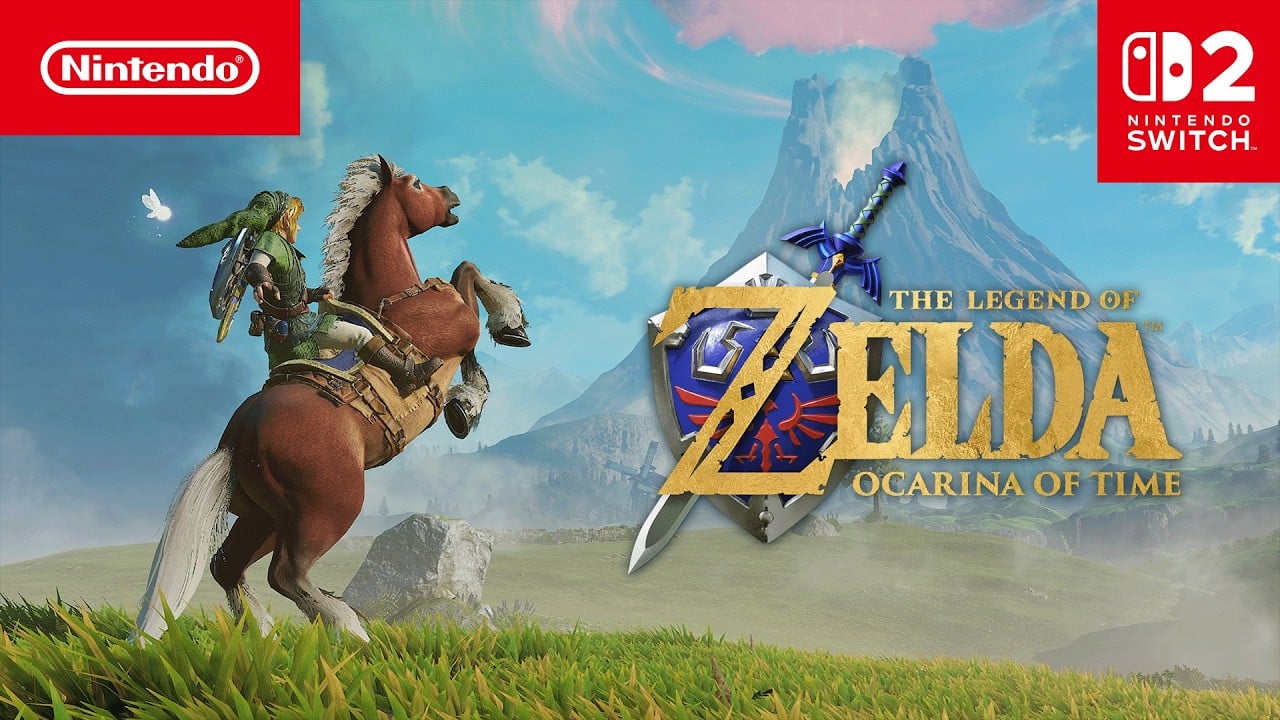
The Legend of Zelda: Ocarina of Time remake has landed on Nintendo’s Switch 2 and critics have responded with overwhelmingly positive reviews. Reviewers praise the visual overhaul, modernized controls, orchestral score, and thoughtful quality-of-life changes that keep the original spirit intact while making the game more approachable for new players. Some outlets highlight missing optional content like Master Quest or higher difficulty options as the main drawbacks, but most agree the remake offers a definitive way to revisit Hyrule. Whether you grew up with the N64 original or are discovering the story for the first time, the remake’s balance of reverence and polish makes it a must-see release this season.
The Legend of Zelda – Ocarina of Time – Review snapshot and headline scores
Across the first wave of reviews, critics landed on a tight cluster of high scores that signal broad approval rather than division. Metacritic and OpenCritic moved quickly to reflect the strong consensus, and major outlets handed the remake ratings that range from high eights to perfect tens. That spread tells you two things – first, Nintendo’s in-house team delivered a technically and artistically impressive update; second, most criticisms are about choices fans might debate rather than glaring failures. The general tone across outlets is one of respect – reviewers note how many of the original’s moments still land emotionally while praising the modern conveniences that reduce friction without rewriting the game.
What Nintendo changed and added in the remake
Nintendo kept the core story, puzzles and dungeon designs that made the original legendary, but layered in updates that modern players expect. Expect fully overhauled visuals, improved camera and movement controls, vocal performances for key story beats, and a new orchestral score that refreshes familiar themes. The remake also introduces features that use Switch 2 hardware – like microphone input for the ocarina melodies and other system-linked interactions – along with a companion Zelda Notes service for smart devices. There are also new social elements such as melody sharing and a large daily quiz baked into the companion experience. Overall, the changes skew toward accessibility and polish rather than structural reinvention – this is a modernization that aims to preserve the original moments while making them easier and more satisfying to reach for today’s players.
Visuals and performance on Nintendo Switch 2
One of the most commonly praised aspects is how the remake looks and runs on the Switch 2, meaningfully elevating environments, character models, and lighting while keeping the game’s identity intact. Reviewers say the world feels more alive – foliage, water and particle effects all received attention, and that added clarity makes exploration feel rewarding even when you already know where to go. Performance-wise, critics report a stable frame rate in most areas with smooth camera behavior compared to the original, which reduces frustration during platforming and combat. If you want technical context on the platform this lives on or to read more about Switch 2 coverage and hardware-specific updates, our Switch 2 page collects news and hardware guides: Nintendo Switch 2. For most players, the result is an experience that looks like a modern Nintendo release yet still carries the familiar silhouettes of Hyrule you remember from the N64 days.
Audio, voice acting and the new orchestral score
Music has always been central to Ocarina of Time, and critics singled out the reorchestrated soundtrack and selective voice work as major wins. Iconic tunes like Zelda’s Lullaby and the Ocarina melodies get lush arrangements that heighten emotional beats without overshadowing the original compositions. Voice acting is used sparingly for pivotal cutscenes – reviewers generally agree that the selective use of voices enhances key moments rather than turning the game into a full-motion drama. The ambient audio and sound design also benefit from clearer mixing and more distinct environmental cues, which helps with immersion and with puzzle feedback. Many critics noted that the audio upgrades do more than impress – they actively help storytelling and atmosphere, making moments that once relied on text and music feel cinematic while staying faithful to what made the original memorable.
Gameplay tweaks and quality-of-life improvements
Rather than overhaul combat or puzzles wholesale, Nintendo focused on removing small obstacles that used to feel dated. Expect refinements like freer camera control, improved targeting and aiming, less fiddly movement in tight spaces, and clearer indicators for hidden collectibles. Inventory changes and modern conveniences – such as easier item swapping and expanded quick-access options – reduce busywork and let you spend more time exploring. Reviewers appreciate that these tweaks were implemented with restraint – they streamline without trivializing challenge – and that the feel of the dungeons and boss fights remains intact. For returning players, this combination of polish and fidelity means you can move through familiar sections faster while getting rewarded for curiosity rather than patience with clumsy mechanics.
Features fans will miss or debate
No remake pleases everyone, and reviewers flagged a few recurring points of contention. The most frequent complaint is the absence of a modernized Master Quest or a true hard mode at launch – a few critics wanted optional challenges that would reward veterans seeking a stiffer test. Some longtime fans also debated specific changes to item placement or collectible locations, arguing that a handful of adjustments reduce the surprise of well-known sequences. There were also discussions about how certain visual redesigns alter character aesthetics in ways some players will love and others will question. These are mostly stylistic or optional-approach issues rather than flaws in the core game; depending on what you value most – nostalgia or novelty – they might shape whether you pick this up day one or wait for additional modes or patches.
Critical praise – what reviewers liked the most
Across reviews, the praise centers on three connected things – presentation, fidelity and emotional resonance. Critics point out that Nintendo respected the original’s pacing and structure while giving it modern polish, which preserves the moments that land hardest: the sense of discovery, the pacing of the dungeons, and the memorable set pieces. Visual and audio upgrades receive consistent applause, and outlets that tend to be tough on remakes commended Nintendo for resisting the urge to overcomplicate the game. Reviewers also noted that the remake is a brilliant gateway for new players to understand why Ocarina of Time is so influential, while offering returning players a cleaner, more comfortable way to relive the adventure without the technical rough edges of the original.
Criticisms and the main caveats reviewers raised
Even in mostly positive reviews, a few recurring critiques came up: the absence of extra difficulty or Master Quest-style content at launch, minor design changes that remove a few old surprises, and an argument that the remake played it safe in places where experimental reinterpretation could have yielded fresh surprises. Some reviews observed that while the game is visually stunning, the changes rarely alter the core sequence of events – which is good if you want fidelity, less exciting if you hoped for radical reimagining. Technical complaints are rare, but a handful of reviewers reported small camera or collision issues in isolated moments – not enough to derail the experience, but worth mentioning for completionists and performance-minded players.
Conclusion
If you care about Nintendo and Zelda specifically, the Ocarina of Time remake delivers what most fans hoped for – a faithful, lovingly polished revisit of a landmark title that looks and sounds modern while keeping the heart of the original intact. Critics agree it’s a stellar way to experience Hyrule again, even if a few fans will wish for more optional challenge or surprises. For newcomers, the remake stands as an excellent introduction; for longtime players, it offers an emotional, cleaner replay. NintendoReporters will continue to track reactions, updates and any post-launch additions, and we’ll keep offering Nintendo-focused coverage so you don’t need to check a dozen different sites for Zelda news.
FAQs
- When did the Ocarina of Time remake release?
- The remake released on November 5, 2026, for Nintendo Switch 2.
- Which outlets gave the game its highest scores?
- Outlets such as Destructoid and GamesRadar were among those awarding top marks, while other major outlets scored it very highly as well.
- Does the remake include Master Quest or a hard mode?
- At launch, Master Quest-style content or an official hard mode was not included, and some reviewers listed that as a notable omission.
- How different is the remake from the 1998 original?
- The story and level design remain familiar, but visuals, controls, audio and various quality-of-life elements were modernized to improve accessibility and playability.
- Should I buy it day one or wait?
- If you want the refreshed experience and value seeing the remake as Nintendo intended, day one is worth it; if you want potential added modes or fixes, waiting a bit for post-launch updates is reasonable.
Sources
- The Legend of Zelda: Ocarina of Time review: “Pure magic – the biggest, boldest remake I’ve ever played”, GamesRadar, November 4, 2026
- The Legend of Zelda: Ocarina of Time remake review – Remasterpiece, Destructoid, November 4, 2026
- Round Up: The Reviews Are In For The Legend Of Zelda: Ocarina Of Time On Switch 2, Nintendo Life, November 4, 2026